Canine sprint performance on the track is a delicate balance of physiology and environment. When a greyhound bursts from the traps, every breath, every stride, and every degree of temperature matters. The sport demands peak physical condition, but the conditions of the racecourse can either enhance or diminish a dog’s natural speed. Understanding how these external factors interact with the athlete’s body is essential for trainers and enthusiasts alike. It is not merely about genetics; it is about optimizing the conditions under which that genetics can shine. The difference between a personal best and a missed break can often be traced back to the altitude of the track or the climate on race day.
Oxygen Availability at Higher Elevations
Altitude fundamentally changes the air that racing dogs breathe. As elevation increases, the partial pressure of oxygen drops, meaning each inhalation delivers fewer oxygen molecules to the bloodstream. For a sprinter used to sea level, this can lead to quicker fatigue and a noticeable drop in acceleration out of the boxes. Trainers often adjust training schedules weeks in advance, bringing dogs to higher venues early to allow for physiological acclimatization. The body responds by producing more red blood cells to compensate, but this process takes time. Rushing a dog onto a steep track without proper acclimatization can result in poor performance and increased risk of injury due to reduced stamina.
Conversely, some dogs seem to handle the thin air better than others, often those with naturally higher hematocrit levels. However, the general rule in the sport is that sea-level dogs have a distinct advantage on flat, fast tracks at low elevations. When planning a race strategy, handlers must consider the venue’s altitude against the dog’s recent training history. A dog that dominates at a coastal track may struggle significantly when transported to a mountain venue without adequate preparation. The acclimatization window is critical; too short, and the dog is gasping; too long, and they may lose the sharpness needed for explosive sprints.
Temperature and Thermal Regulation
Climate, specifically ambient temperature, plays a massive role in how a canine athlete performs. Greyhounds have a very low body fat percentage and a thin coat, making them particularly susceptible to both heat and cold. In hot and humid conditions, the dog’s primary cooling mechanism, panting, becomes less efficient. The air is saturated with moisture, preventing evaporation from the tongue and respiratory tract. This forces the heart to work harder to pump blood to the skin for cooling, which diverts energy away from the muscles needed for high-speed running. A race held on a sweltering afternoon can see winning times slow dramatically as the dogs struggle to maintain core temperature.
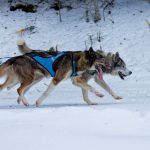
On the other end of the spectrum, cold weather presents its own set of challenges. While greyhounds are built for speed, they lack the insulation of breeds like Huskies. Running at top speed in freezing temperatures can lead to rapid heat loss, especially from the extremities. Muscles tighten in the cold, reducing flexibility and increasing the risk of strains during the explosive start. Handlers often use protective coats during the walk-out in winter months, but once the traps open, the dog must generate its own heat. The ideal racing climate is cool but not cold, allowing the dog to maintain optimal muscle temperature without the metabolic cost of constant thermogenesis.
Humidity and Respiratory Efficiency
Humidity is the often-overlooked third leg of the climate triangle. High humidity hinders the evaporation of sweat and moisture from the respiratory tract, which is the dog’s main way of shedding heat during a high-intensity sprint. When the air is thick with moisture, the dog cannot cool down effectively, leading to a rapid rise in internal body temperature. This can cause the dog to slow down instinctively to avoid overheating, effectively reducing their top speed. In sprint racing, where fractions of a second decide the winner, any inefficiency in cooling can be the difference between first and third place.
On the Psychology Machine channel, they cover rare dog breeds and athletic traits—you can watch it right here.
Low humidity, while seemingly better, can dry out the nasal passages and throat, potentially causing irritation during the intense breathing required for a 300-yard dash. The mucous membranes dry out, which can make breathing feel slightly labored, though the cooling benefit usually outweighs this minor discomfort. Experienced trainers monitor the dew point rather than just the temperature; a moderate temperature with very high humidity is often more taxing for the dog than a hotter temperature with low humidity. Adjusting the race schedule or choosing tracks with better natural ventilation can mitigate these effects.
Wind Conditions and Aerodynamics
Wind is a dynamic element of climate that directly impacts the aerodynamics of a sprinting dog. A strong headwind acts as a physical brake, increasing the resistance the dog must overcome to maintain velocity. This forces the animal to expend more energy per stride, often leading to a slower overall time. In trap racing, the position of the traps relative to the prevailing wind direction can create significant advantages or disadvantages. A dog drawn in a trap facing into the wind may struggle to get clear, while a dog with the wind at its back can experience a boost in apparent speed.
Conversely, a tailwind can assist the dog, reducing the energy cost of maintaining speed. However, racing governing bodies often have rules regarding wind assistance because it can artificially inflate performance times. Handlers and officials must measure wind speed and direction at the start line to validate records. The interaction between the dog’s powerful muscle contractions and the airflow over their streamlined body is a constant battle. A dog that can maintain its form against a crosswind demonstrates superior athleticism and balance, traits highly valued in the breeding and training of sprint champions.
Altitude Effect Dog Racing Performance Metrics
When comparing performance metrics across different venues, the altitude effect dog racing statistics reveal clear patterns. Data from tracks situated above 1,500 meters often show a statistically significant drop in average winning speeds compared to lowland tracks. The reduction can be as much as 2-3% in the early stages of acclimatization, stabilizing as the dog’s body adapts. Trainers look at split times; the initial acceleration phase is usually the most affected by the lack of oxygen, while the maintenance of speed over the middle section may hold steadier. Understanding these metrics allows for better race selection and realistic goal setting for the athlete.
Furthermore, the interaction between altitude and the dog’s age and experience level cannot be ignored. Younger dogs or those new to the sport may show a more dramatic performance drop at altitude than seasoned veterans. The veteran dog has likely encountered various conditions and may have developed better breathing techniques or cardiovascular efficiency. However, even the most experienced greyhound requires a adjustment period. Owners often keep detailed logs of their dogs’ times at different elevations to predict how a specific animal will react to a new track’s height, turning environmental data into a competitive advantage.
Acclimatization Strategies for the Racing Kennel
Implementing a proper acclimatization protocol is vital for any kennel competing at venues with varying climates. The gold standard involves a gradual increase in exposure, typically starting at lower intensities and building up over a period of two to three weeks. This allows the dog’s erythropoiesis, the production of red blood cells, to increase naturally without the stress of high-intensity racing immediately. During this period, trainers might reduce the distance of training sprints or increase the rest intervals between efforts. The goal is to maintain the dog’s fitness while allowing the respiratory system to adapt to the lower oxygen availability.
Nutrition also plays a supporting role in this adaptation process. Increased iron intake can support the production of hemoglobin, aiding the blood’s oxygen-carrying capacity. Additionally, ensuring optimal hydration is critical, as the dry air at altitude or in hot climates can lead to faster fluid loss through respiration. Electrolyte balance must be carefully managed to prevent cramping during the race. By treating the environment as a training variable rather than just a race condition, kennels can protect their investment in these athletes and ensure consistent performance regardless of where the track is located.

Growing up near the local track, I developed a lifelong fascination with the athleticism and strategy behind greyhound racing. I spend my free time analyzing past performances and studying breeding lines to better understand the nuances of every race. Sharing insights and celebrating the incredible speed of these dogs is what keeps me passionate about the sport.