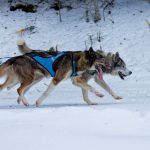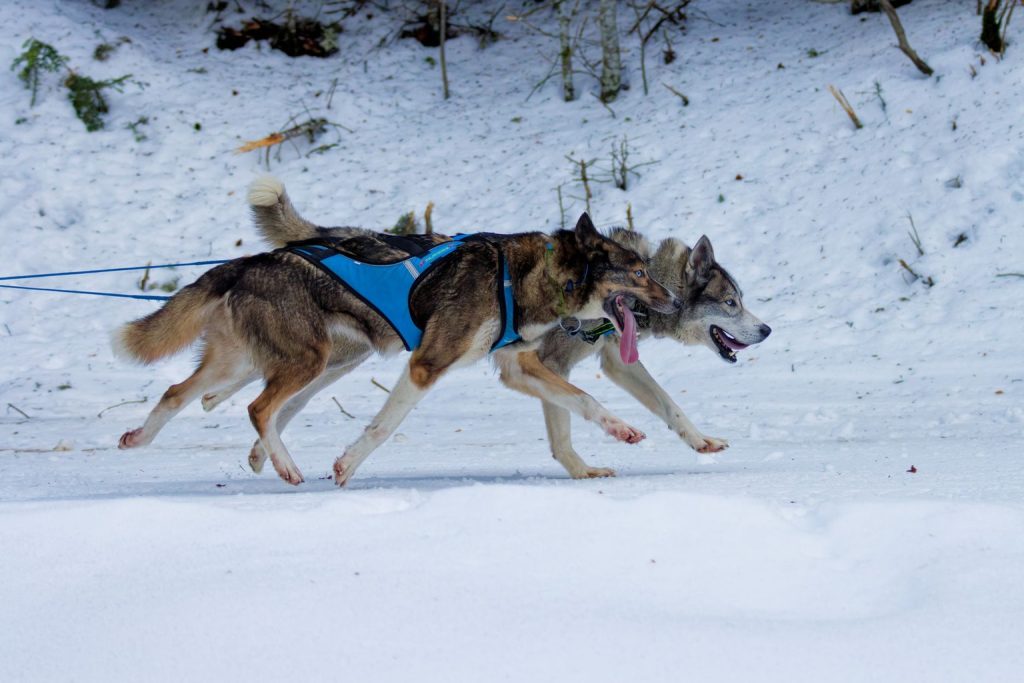
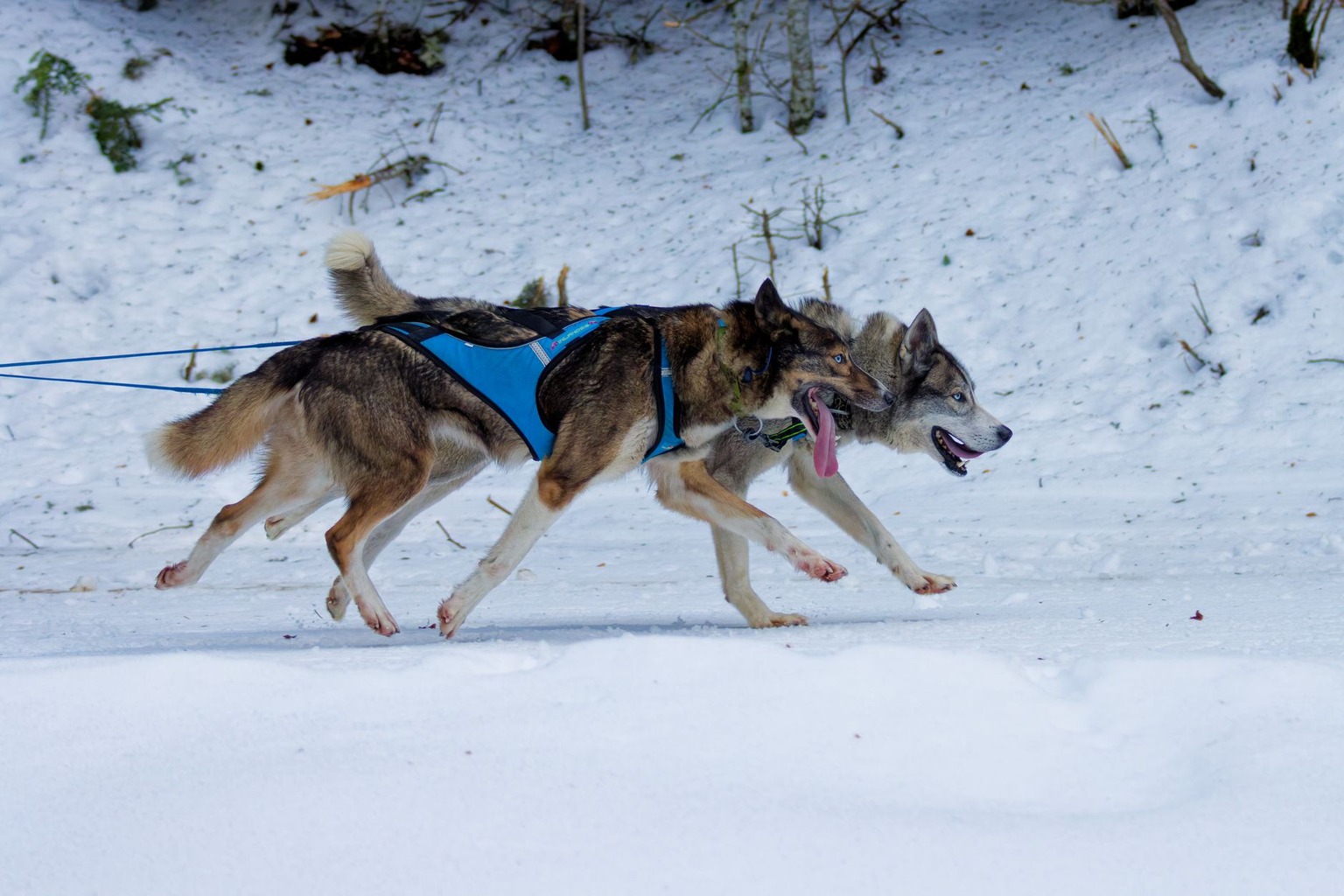
Building a competitive sled dog team chemistry starts long before the first training run of the season. To ensure success in distance racing, breeders must carefully select the Right Breeding Pair, balancing genetics, temperament, and strategic lineage. Every musher who has finished a thousand-mile event knows that raw speed means little if the dogs cannot maintain rhythm across changing terrain and weather. The foundation rests on understanding each animal’s personality, drive, and physical limits, then weaving those individual threads into a single cohesive unit. This process demands patience, observation, and a willingness to adjust the lineup based on what the dogs reveal day after day.
Evaluating Individual Temperament and Drive
Before assembling a lineup, a musher must catalog the personality profile of every candidate. Some dogs possess an innate desire to pull until exhaustion, while others conserve energy instinctively and need encouragement to maintain pace. A lead dog candidate must demonstrate confidence in decision-making at forks or during whiteout conditions without constant handler input. Swing dogs require lateral stability and the ability to translate lead commands into smooth turns without losing momentum. Wheel dogs need raw power and calm dispositions to absorb the physical shock of the sled and the psychological pressure of close proximity to the musher. Matching these traits to positions prevents friction that erodes efficiency over hundreds of miles.
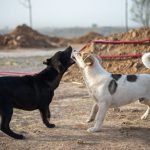
Observation during free runs and short training loops reveals natural affinities and rivalries. Dogs that bond during truck play often perform better together in races, highlighting the role of jockeys in harness dog dynamics. Conversely, animals that resource-guard food or sleeping spots frequently develop tension when fatigue sets in on the trail. A musher should note which individuals settle quickly after a run and which remain agitated, because recovery behavior predicts how well a dog handles the mandatory rest cycles of a long race. This behavioral baseline becomes the reference point for every subsequent lineup adjustment.
Structuring the Lineup for Sled Dog Team Chemistry
Once temperaments are mapped, the physical arrangement on the gangline becomes the primary tool for shaping group dynamics. Placing a high-drive, slightly anxious dog next to a steady, confident partner often calms the nervous animal and channels its energy productively. Separating known antagonists by at least two positions reduces the chance of mid-run confrontations that can derail a schedule. The lead pair must share a communication style; some leads work best with verbal cues while others respond to subtle shifts in line tension. Pairing mismatched communication styles creates lag that compounds over distance.
Wheel dogs anchor the team physically and emotionally. A wheel pair that surges unpredictably forces the entire line to constantly adjust, wasting calories and mental bandwidth. Selecting wheels with similar stride lengths and gait cadence smooths the power delivery to the sled. Swing dogs act as the transmission between the decision-makers and the engine room. They must be versatile enough to handle sudden directional changes without tangling lines or losing forward drive. Testing different combinations on measured training loops with a GPS tracker provides objective data on speed consistency and line tension that subjective feel alone might miss.
Progressive Conditioning Protocols
Conditioning builds the physiological capacity that allows chemistry to endure. For speed-oriented dogs, understanding Breeding Program Basics is crucial—early season training should prioritize aerobic endurance. Interval training introduces speed work only after the musculoskeletal system has adapted to the volume. A common mistake is pushing intensity too soon, which creates micro-injuries that surface as asymmetrical gait weeks later and disrupts the rhythm of the entire team. Monitoring heart rate recovery during rest stops gives a clearer picture of fitness than split times alone.
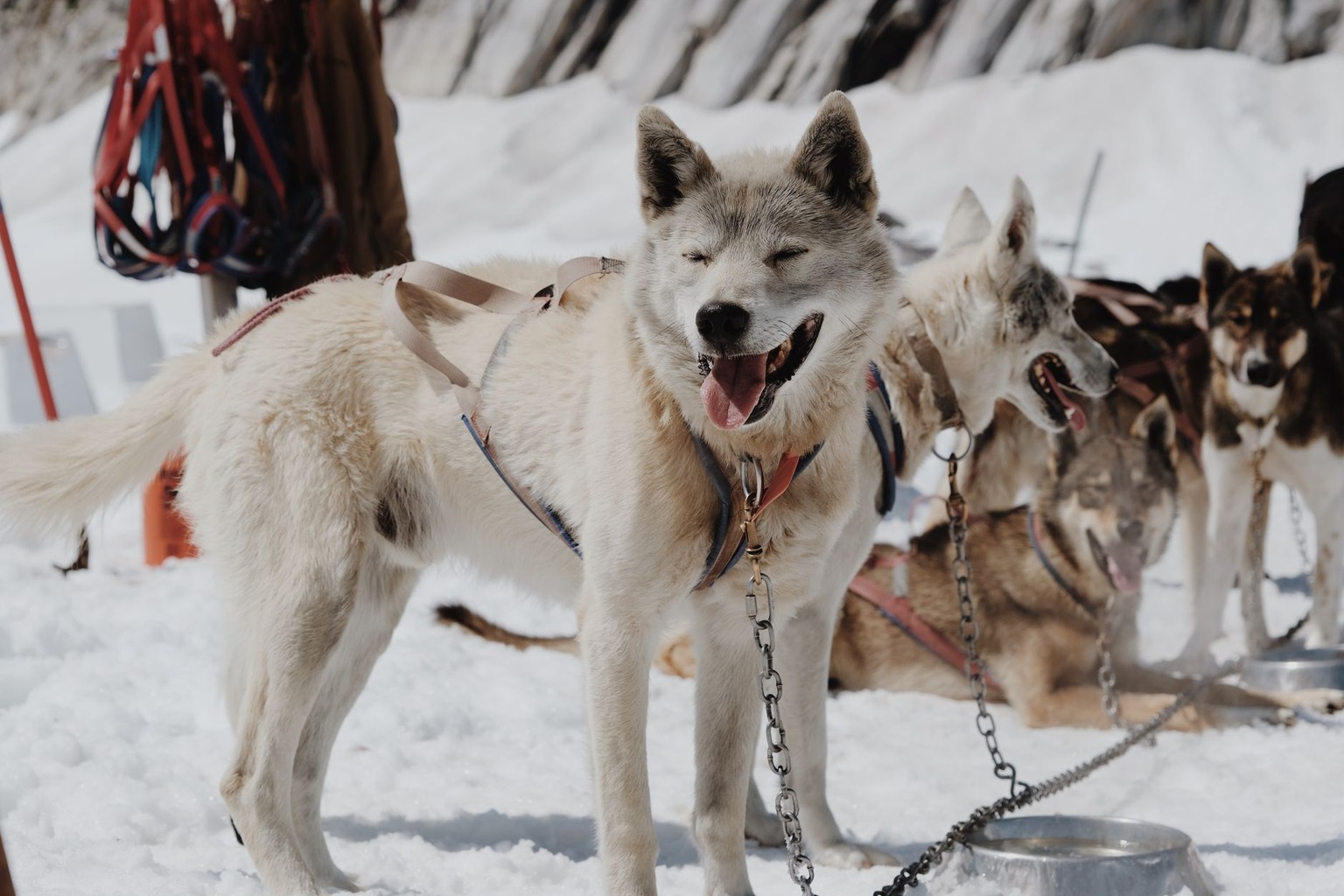
Nutrition timing synchronizes with the training calendar to support recovery and prevent gastrointestinal distress during competition. Transitioning to a high-fat, moderate-protein race diet should occur gradually over several weeks to allow gut flora adaptation. Hydration strategies must be practiced in training so every dog drinks willingly from a spoon or bottle at checkpoint speeds. Dogs that refuse water during a run often develop subclinical dehydration that manifests as irritability and reduced pull strength by the third day. Electrolyte supplementation protocols should be tested on long training runs, never experimented with during a race.
Trail Communication and Command Consistency
Verbal and physical cues must remain identical from the first training run to the final checkpoint. Changing command words or tone under pressure confuses dogs and breaks the trust that holds the formation together. The musher’s body language on the runners, weight shifts, brake pressure, handlebar tension, transmits more information than voice commands in windy conditions. Practicing hands-free running on safe sections teaches the team to respond to subtle shifts rather than constant correction. This autonomy becomes critical when the musher must manage sled repairs, navigation, or personal fatigue without micromanaging the line.
Lead dogs should be exposed to a variety of trail scenarios during training: overflow ice, deep overflow, blown-in trails, and sudden elevation changes. A lead pair that has negotiated these obstacles in controlled conditions will make faster, safer decisions when the same challenges appear at 3 AM in a storm. Greyhound race preparation checklists include simulating race-day routines like booties, massages, and feeding to minimize stress. Dogs that know the routine settle faster, sleep deeper, and wake ready to run rather than anxious about the unknown.
Managing Fatigue and Recovery Cycles
Long-distance racing imposes a rhythm of run-rest-run that tests group cohesion more than any single pull. The musher must recognize the early signs of cumulative fatigue: shortened stride, increased line chewing, reluctance to eat, or changes in sleeping posture. mental training methods for high-stress racing dogs involve rotating positions during practice to keep them sharp. A dog moved to lead for the first time at mile 600 will likely fail regardless of talent. Planned position swaps during long training runs build this versatility.
Rest stop efficiency directly correlates with recovery quality. A streamlined routine, straw down, boots off, massage, food, water, blankets, completed in fifteen minutes leaves maximum time for sleep. The musher’s own rest discipline sets the tone; a handler who stays awake worrying transfers tension to the dogs. Designating a specific “quiet time” protocol where all human activity ceases helps the team synchronize their circadian rhythms. Teams that sleep in unison recover more completely than those where individuals pace or fidget through the rest period.
Adapting to Weather and Terrain Variables
Trail conditions dictate which personality traits become assets or liabilities. Deep, soft snow favors powerful, high-drive dogs that can break trail without quitting. Hard-packed, fast trails reward light-footed, efficient movers with low friction gaits. Extreme cold tests coat quality and metabolic efficiency; dogs that shiver at rest burn reserves needed for the next run. A versatile roster allows the musher to drop or rotate specialists as conditions shift. Carrying a slightly larger team than the minimum finish number provides this flexibility without sacrificing competitiveness.
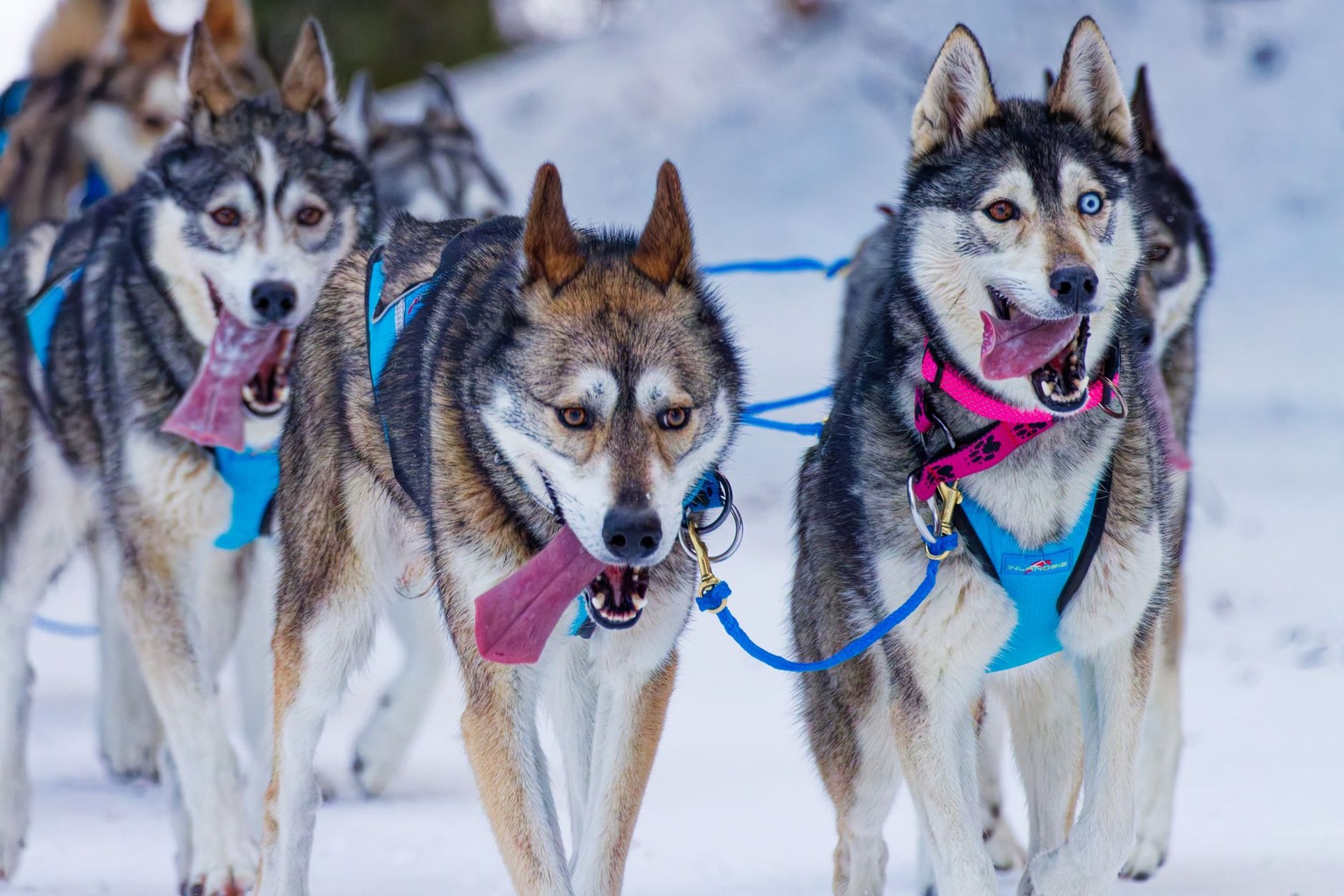
Wind exposure on open lakes or mountain passes amplifies the importance of lead dog confidence. A lead pair that hesitates at the edge of a blown-out lake can cost hours while the musher coaxes them forward. Training on similar exposure during windy days builds the mental callous needed for race conditions. Conversely, dense forest trails demand tight turning ability and spatial awareness from swing and team dogs. Practicing technical maneuvering at low speeds sharpens these skills without the injury risk of high-speed drills. The musher who matches team composition to the forecasted trail profile gains a compounding advantage.
Selecting and Integrating New Additions
Adding a new dog to an established lineup requires a structured integration period, not a trial by fire. The newcomer should run loose alongside the team on easy terrain to observe dynamics without the pressure of harness work. Initial harness sessions pair the new dog with the most tolerant, experienced partner in a neutral position such as team dog. This buffers the rookie from the intensity of the front or the physical demand of the wheel. Monitoring the veteran partner’s stress signals, lip licking, yawning, avoidance, indicates whether the pairing works before conflict escalates.
Genetic background and prior training history inform expectations but do not guarantee fit. A dog from a winning kennel may clash with a different handling style or social structure. Conversely, a “reject” from another program often thrives when placed in a role that suits its specific quirks. The musher’s ego must not interfere with objective assessment; the team’s performance data over multiple runs determines who stays. Documenting each run with video review allows frame-by-frame analysis of gait symmetry, line tension, and interpersonal spacing that real-time observation misses. This evidence-based approach builds a roster that functions as a unit rather than a collection of individuals.

Growing up near the local track, I developed a lifelong fascination with the athleticism and strategy behind greyhound racing. I spend my free time analyzing past performances and studying breeding lines to better understand the nuances of every race. Sharing insights and celebrating the incredible speed of these dogs is what keeps me passionate about the sport.