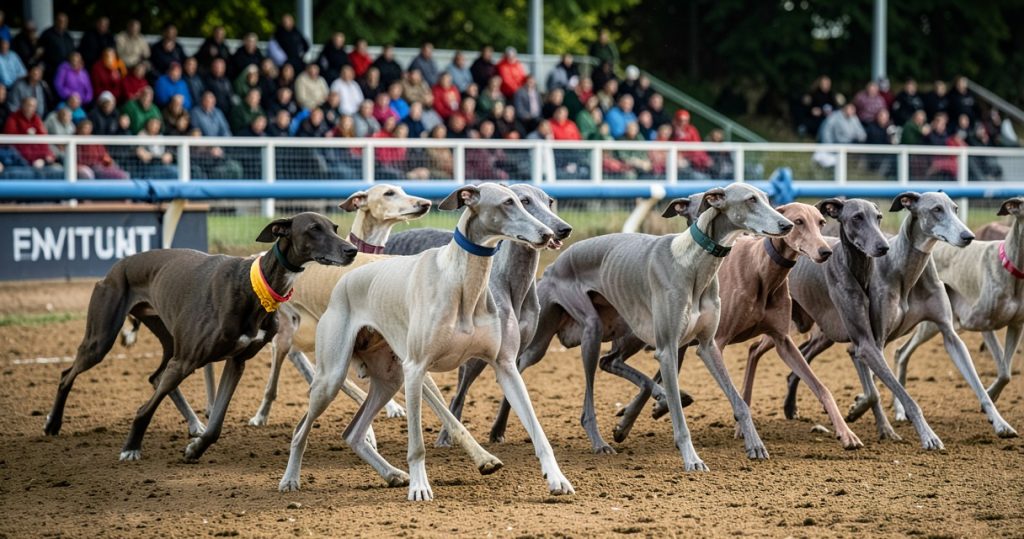
Preparing for a greyhound race involves meticulous attention to detail to ensure the dogs are in peak condition and ready to compete. Greyhound racing is not just about speed; it requires careful planning and execution in the days and hours leading up to the event. This article will provide a comprehensive guide on various checklists that can help trainers, owners, and handlers prepare their greyhounds for race day, focusing on health, nutrition, equipment, and mental readiness.
Health Check Checklist
The health of a greyhound is paramount when preparing for a race. A thorough health check should be conducted at least a week before the event. This includes a full veterinary examination to ensure the dog is fit to race. Key areas to assess include heart rate, respiratory function, and overall physical condition. Any signs of injury or illness should be addressed immediately, as even minor issues can affect performance on race day.
Additionally, vaccinations and parasite control should be up to date. Greyhounds are susceptible to various illnesses, and preventing these can enhance their training and racing performance. Regular health checks also help in identifying any chronic issues that may need ongoing management, such as arthritis or hip dysplasia, which can be exacerbated by the rigorous demands of racing.
Nutrition and Hydration Protocol
Proper nutrition plays a critical role in a greyhound’s performance. A diet tailored to the needs of racing greyhounds should be implemented in the weeks leading up to the race. High-quality proteins, carbohydrates, and fats are essential for building stamina and strength. Trainers often recommend a diet rich in chicken, fish, and specialized dog food designed for active breeds to support muscle development and energy levels.
Hydration is equally important and should not be overlooked. Greyhounds need access to fresh water at all times, especially in the days before a race. Dehydration can significantly impair performance, so it is crucial to monitor their water intake closely. Some trainers also introduce electrolytes to the dogs’ diets to help maintain hydration levels and replenish lost minerals, particularly in warmer weather or after intense training sessions.
Training Regimen and Workout Schedule
A well-structured training regimen is essential for race preparation. This includes a mix of sprinting, endurance runs, and recovery days. Trainers should develop a workout schedule that peaks just before the race, allowing the dog to be at its best when the starting gun fires. Typically, the final week should focus on lighter workouts to avoid fatigue and injury while maintaining the dog’s fitness level.
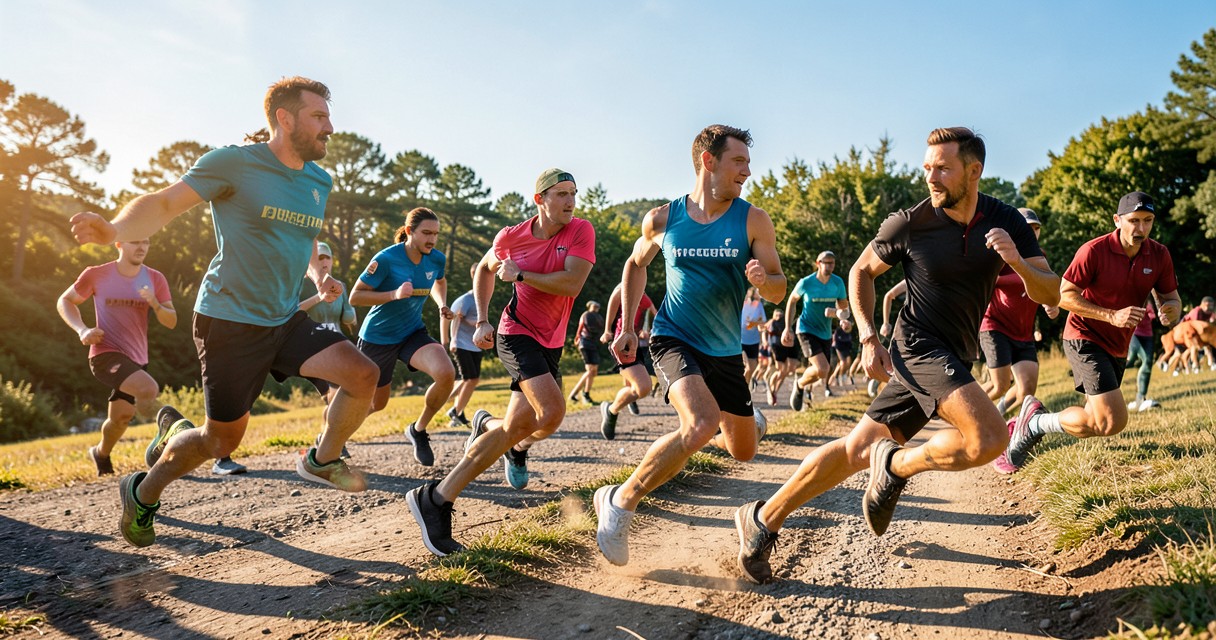
Moreover, incorporating practice races can be beneficial. These simulated races help the dogs acclimate to the excitement and stress of actual competition. Observing how a greyhound performs in practice can provide valuable insights into their readiness and highlight any areas that may require further attention before the big day.
Equipment Preparation
Proper equipment is crucial for both the safety and performance of racing greyhounds. This includes ensuring that the racing collar fits well and is in good condition. A collar that is too loose can lead to accidents, while one that is too tight can cause discomfort. In addition to collars, trainers should check the muzzles used during races to ensure they are clean, functional, and comfortable for the dogs.
Furthermore, racing jackets should be fitted correctly and free from any tears or damage. Each greyhound has a specific number that corresponds to their racing jacket, which is important for identification during the race. Trainers should also prepare any additional gear needed, such as leashes for handling the dogs before and after the race, ensuring everything is ready to go on race day.
Mental Readiness Techniques
Mental preparation is often an overlooked aspect of race readiness. Greyhounds can be sensitive to their environment, and ensuring they are mentally prepared can significantly influence their performance. Trainers should implement techniques such as positive reinforcement, familiarization with the racing venue, and gradual exposure to the sounds and sights of the racetrack.
Engaging in routine activities that the dog enjoys can help alleviate anxiety. This might include playtime or gentle walks in a familiar environment. Additionally, some trainers use calming products, such as pheromone diffusers or anxiety wraps, to help soothe their dogs leading up to race day. A relaxed but alert dog is more likely to perform at its best, making mental readiness just as crucial as physical preparation.
Pre-Race Day Checklist
The day before the race is critical for final preparations. A checklist should be established to ensure nothing is overlooked. This includes confirming the race schedule, finalizing travel arrangements, and packing all necessary equipment. Additionally, trainers should revisit the dogs’ health, ensuring they are free from any last-minute issues that could impede performance.
On the pre-race day, trainers should also focus on maintaining a calm environment. Reducing stress levels can make a significant difference in how the dogs perform. This might involve keeping noise to a minimum and allowing the dogs to rest adequately. A good night’s sleep is essential for both the dogs and their handlers, as it sets the tone for race day.
Race Day Routine
On race day, a structured routine can help ensure everything goes smoothly. This begins with an early morning feeding that provides the necessary energy without making the dogs feel sluggish. Following breakfast, a light exercise session should be conducted to keep the dogs limber without overexerting them.
As the race approaches, trainers should stick to a familiar routine that the dogs are accustomed to. This includes the warm-up, which should be tailored to each dog’s needs. A proper warm-up is vital for preventing injuries and preparing the muscles for the exertion of racing. Trainers should also ensure that the dogs are calm and focused, using calming techniques as needed to keep anxiety at bay.

Growing up near the local track, I developed a lifelong fascination with the athleticism and strategy behind greyhound racing. I spend my free time analyzing past performances and studying breeding lines to better understand the nuances of every race. Sharing insights and celebrating the incredible speed of these dogs is what keeps me passionate about the sport.