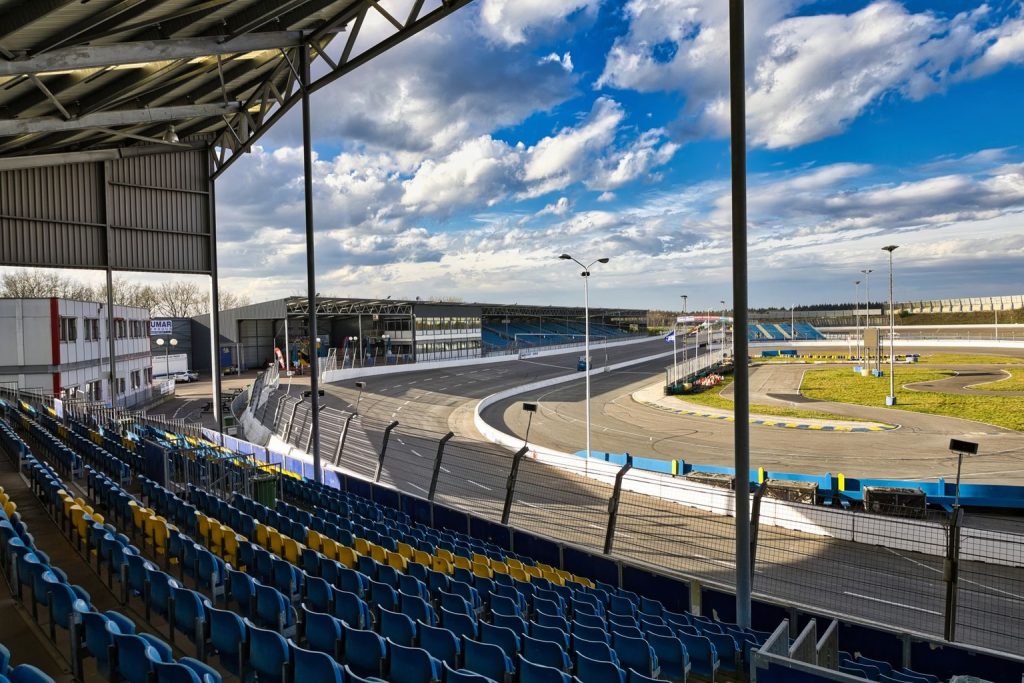
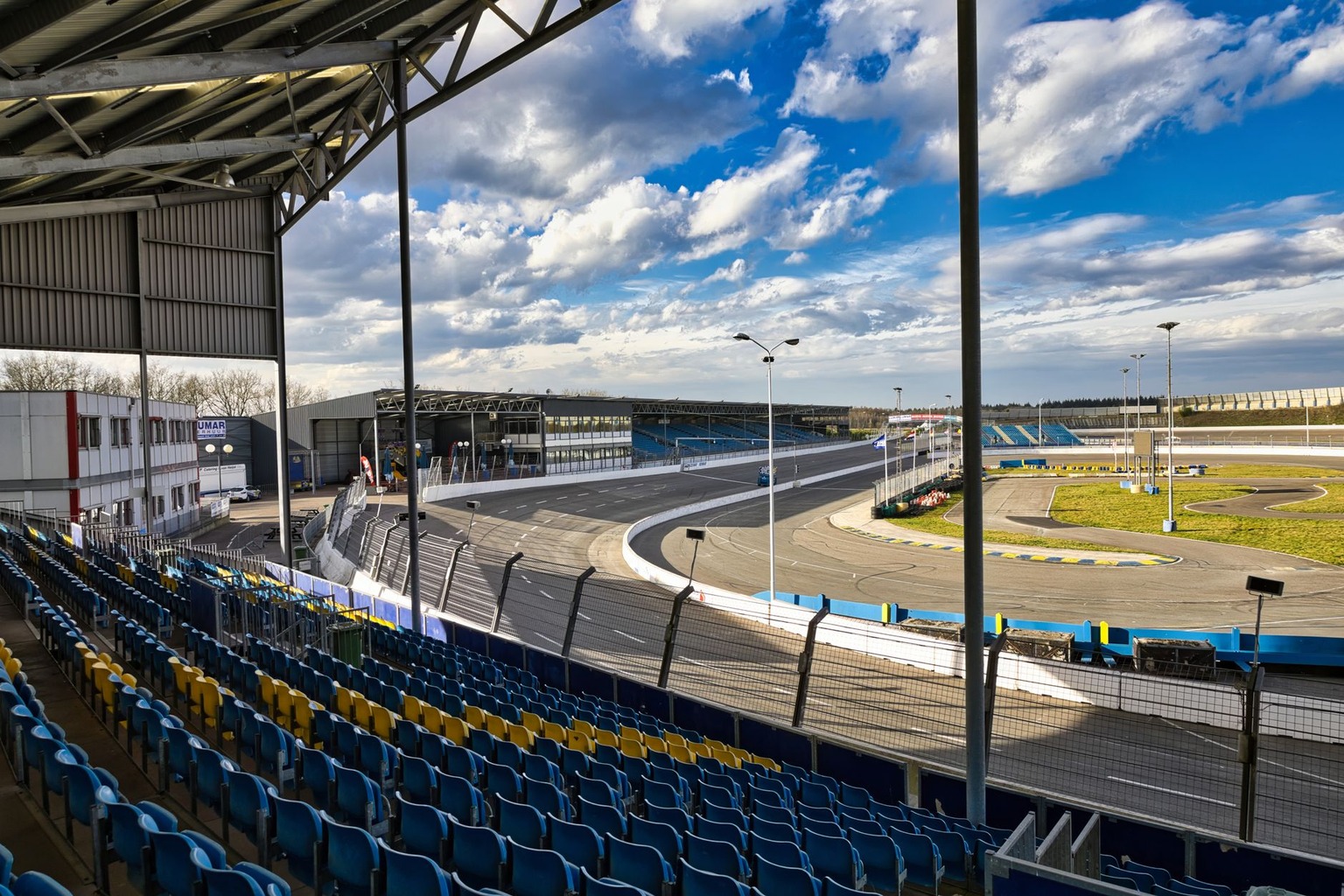
When evaluating the merits of enclosed arenas versus open-air tracks, the choice often hinges on climate control, spectator comfort, and the natural running style of the competitors. Indoor venues offer a predictable environment free from rain delays or extreme heat, allowing schedules to remain tight and consistent. Outdoor tracks, by contrast, provide the traditional atmosphere many enthusiasts cherish, with natural lighting and varying conditions that can test the adaptability of each animal. Understanding these differences is the first step toward making an informed decision about where to invest time or resources.
The infrastructure required for each setting differs significantly, impacting both initial setup and long-term maintenance. Indoor facilities typically require substantial HVAC systems, specialized lighting to simulate daylight, and reinforced flooring to handle constant traffic without the wear caused by weather exposure. These buildings often feature padded walls and overhead barriers to protect animals and officials from accidental collisions within a confined space. The cost of construction is higher, but the return on investment can be steadier due to reduced downtime from storms or seasonal closures, making it a viable option for year-round operation.
Safety Protocols and Track Design Considerations
Safety remains the paramount concern in any racing environment, and the design of the track surface plays a critical role in preventing injuries, indoor vs outdoor dog racing. Indoor arenas often utilize synthetic materials that provide consistent traction regardless of humidity levels, reducing the risk of slips that can occur when outdoor grass becomes slick after precipitation. However, the confined nature of an indoor track means that turns are tighter, requiring greyhounds to navigate with precise technique to avoid strain on their joints. Outdoor tracks, with their longer straightaways and wider curves, allow for a more natural gallop, but the surface must be meticulously maintained to prevent holes or uneven patches that could cause a competitor to stumble during a high-speed run.
Furthermore, the presence of spectators and officials differs between the two formats, influencing behavioral expectations. In an indoor setting, the proximity of the crowd creates a more intense auditory environment, with amplified sounds that can either excite or unsettle the animals depending on their temperament. Outdoor venues benefit from open air, which disperses noise more effectively, potentially reducing stress for the dogs. Track officials in both settings must be vigilant about monitoring the animals’ reactions to crowd noise, as a dog that performs well in one environment may struggle in the other due to these sensory differences.
Betting Dynamics and Audience Engagement
The way wagers are placed and processed also varies between enclosed and open-air venues, affecting the overall experience for participants and viewers alike. Indoor facilities often feature electronic betting terminals integrated directly into the seating areas, allowing for rapid placement of bets without leaving the comfort of the climate-controlled space. This convenience can lead to higher betting volumes per event, as the barrier to placing a wager is lowered. Outdoor tracks typically rely on traditional on-course betting windows and tote boards, which, while offering a more tactile experience, can result in longer lines and slower transaction times, especially during peak event periods.
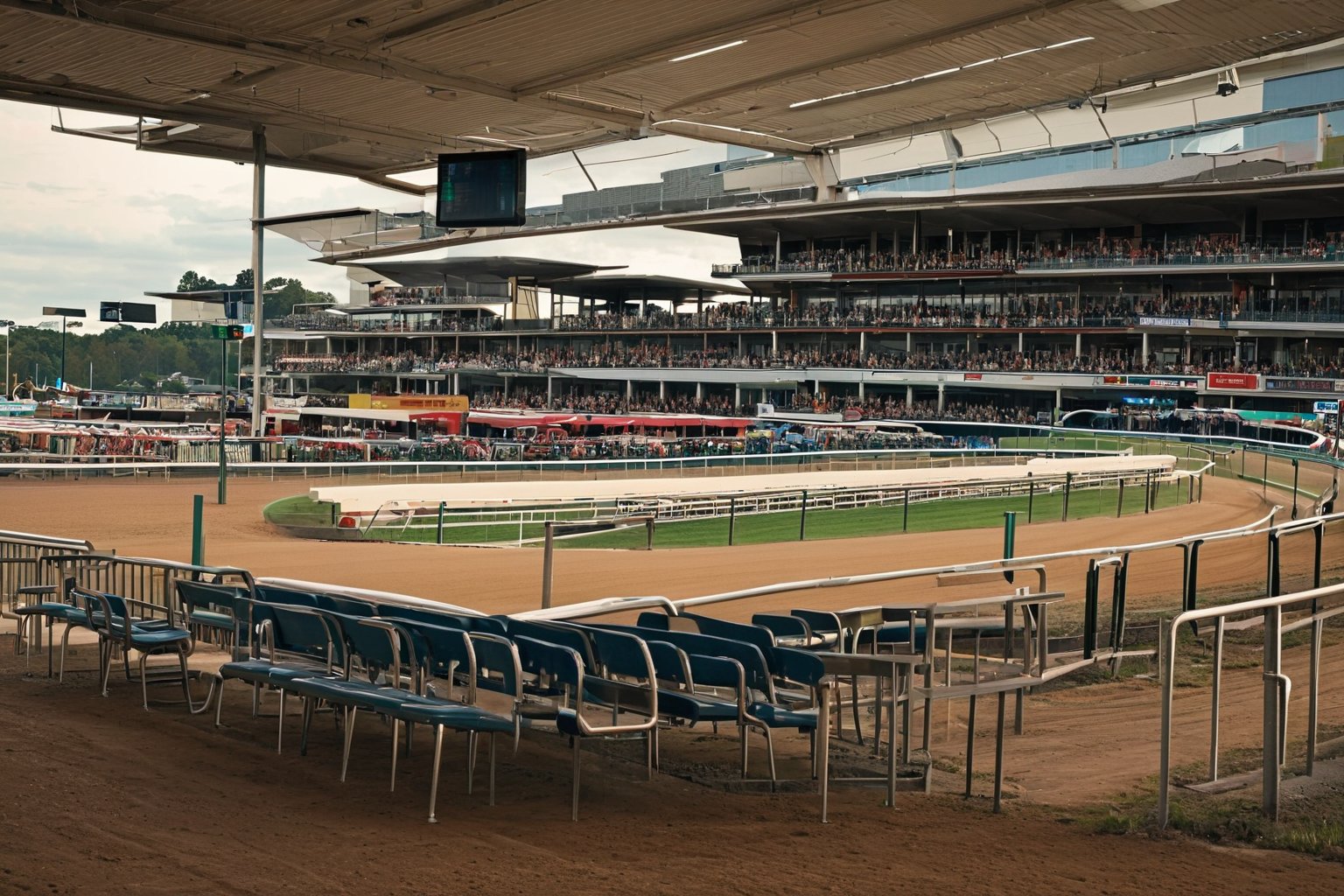
Engagement strategies must account for these structural differences to maintain interest across both formats. Indoor venues can leverage large video screens to replay races and provide detailed analytics, enhancing the educational aspect for newcomers to the sport. Outdoor settings, however, often capitalize on the natural scenery and the ability to move freely around the grounds, creating a more relaxed social atmosphere. Both formats benefit from clear communication of odds and race conditions, but the method of delivery should align with the expectations of the target audience to maximize participation and satisfaction.
Transportation and Logistics for Competitors
Getting the animals to and from the racing surface efficiently is a logistical challenge that differs based on venue type. Indoor facilities usually have dedicated loading bays and climate-controlled transport vehicles, ensuring that the greyhounds remain at a stable temperature during transit, which is crucial for their performance and wellbeing. The short distance from the vehicle to the track entrance minimizes stress and exposure to external elements, allowing the animals to transition smoothly into race mode. Outdoor venues may require longer walks from parking areas to the track, and depending on the weather, this journey can be taxing on the competitors, potentially affecting their readiness to compete at peak speed.
If you want to see more about indoor and outdoor play, Badrul Shorts covers this topic in their video, which you can watch right here.
Moreover, the storage of equipment and the management of race-day schedules are streamlined differently in each environment. Indoor arenas often have fixed stalls and organized kennel areas that keep everything within a contained footprint, reducing the time spent searching for gear or moving animals between sections. Outdoor tracks may offer more spacious layouts, but this can mean longer travel distances for staff and volunteers to coordinate feeding, grooming, and race preparations. Effective logistics planning is essential in both cases to ensure that the focus remains on the competition rather than administrative hurdles.
Training Regimens and Conditioning Programs
The approach to preparing greyhounds for competition must be tailored to the specific demands of the racing venue, as conditioning routines vary between indoor and outdoor settings. Trainers working with animals destined for indoor tracks often focus on building explosive speed and sharp turning ability, as the shorter straighteraways and tighter corners require quick acceleration and precise handling. Conditioning sessions may include treadmill work and controlled sprints on synthetic surfaces to mimic the consistent footing found inside an arena. Conversely, those preparing dogs for outdoor events emphasize endurance and adaptability, incorporating long-distance runs and hill work to build the stamina needed to handle varying ground conditions and longer race distances.
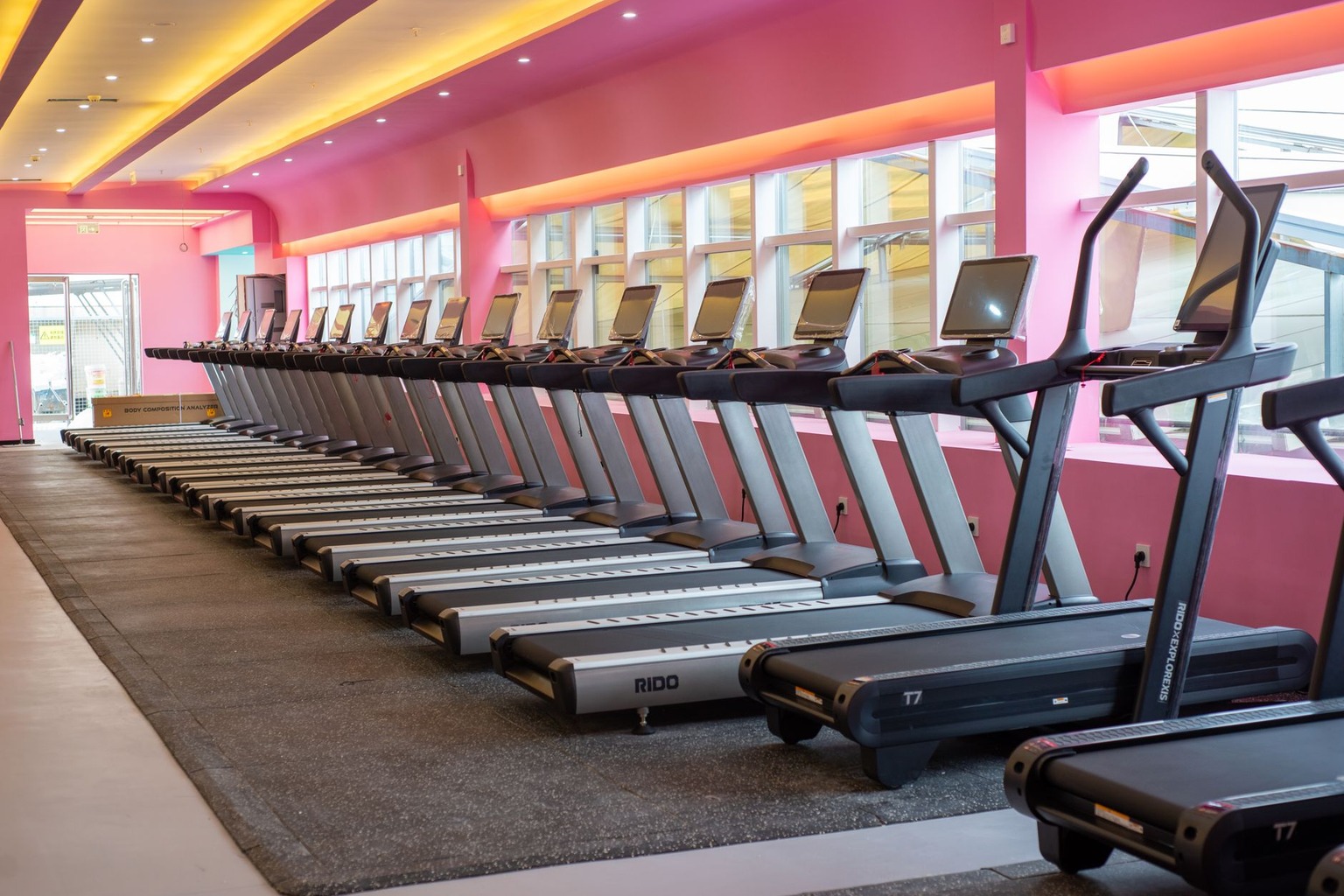
Nutrition and recovery protocols also shift based on the environment, with trainers adjusting diets to support the specific type of exertion required. Indoor racing may allow for more precise control over the animal’s environment post-race, such as immediate access to cooling fans or heated resting areas, which can aid in faster recovery between heats. Outdoor competitors benefit from natural cooling through breeze and shade, but trainers must be prepared for rapid temperature changes that can impact muscle recovery. A well-rounded training program considers these factors, ensuring that each greyhound is physically prepared for the unique challenges of its racing venue.

Growing up near the local track, I developed a lifelong fascination with the athleticism and strategy behind greyhound racing. I spend my free time analyzing past performances and studying breeding lines to better understand the nuances of every race. Sharing insights and celebrating the incredible speed of these dogs is what keeps me passionate about the sport.