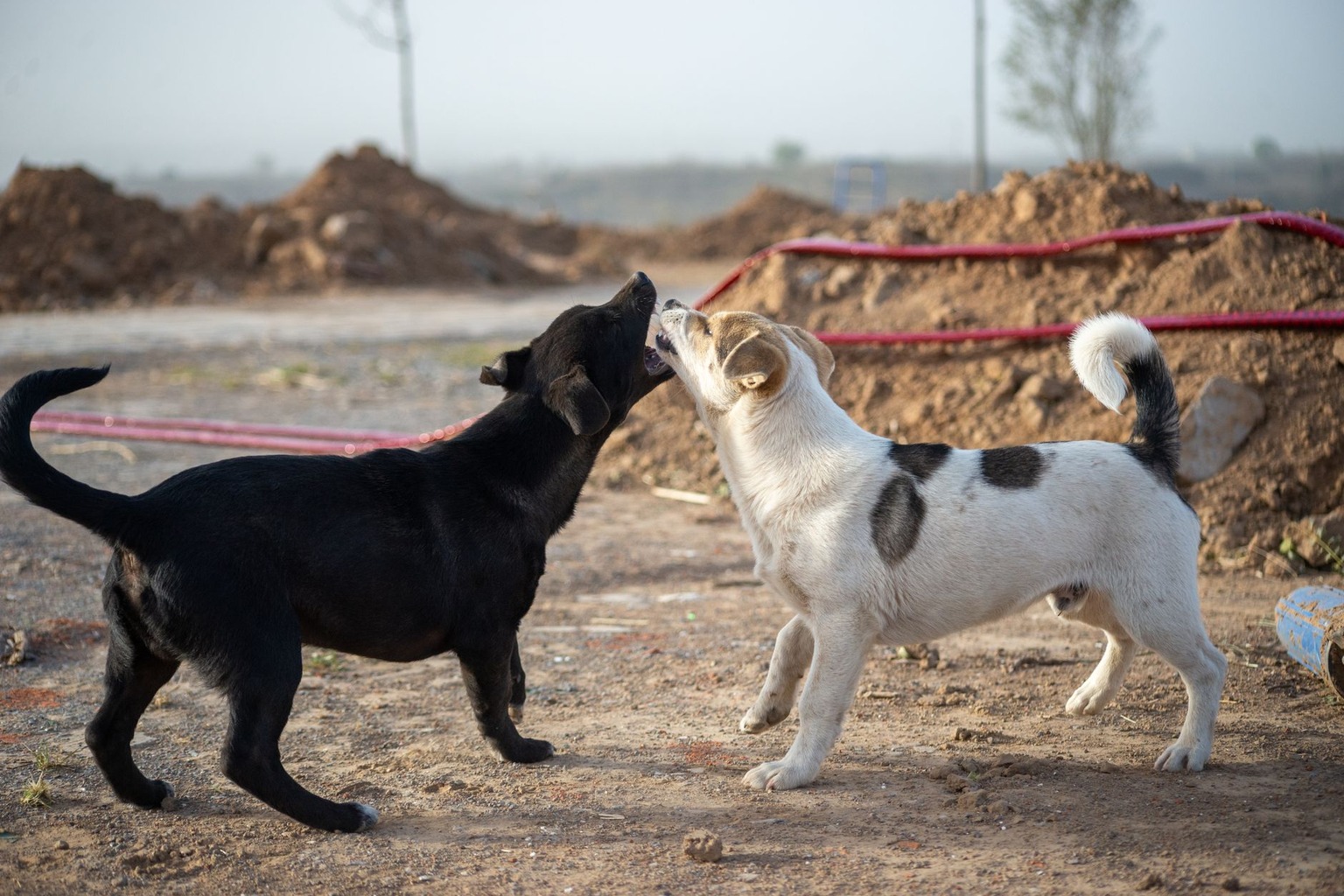
The foundation of a champion greyhound isn’t built in the track’s final heat, it’s forged in the early weeks of a puppy’s life, where instincts are shaped and speed is first awakened. Greyhound puppy training isn’t just about teaching commands; it’s about unlocking the raw athleticism of a breed bred for explosive bursts, where every second counts. The best racers don’t just sprint, they think while they run, and that mental edge starts developing long before they ever see a starting gate.
The Genetic Blueprint: Why Early Training Matters for Speed
Greyhounds are born with the physical tools for racing: a long, lean frame optimized for endurance, a heart that pumps blood at an elite rate, and a muscular build designed for acceleration. Yet genetics alone won’t guarantee success. The difference between a dog that reaches 40 mph in a race and one that struggles to maintain 30 mph often comes down to how those instincts are refined in the first year. Studies show that greyhound puppies raised in structured environments develop stronger neural pathways for coordination and reaction time, critical for navigating the sharp turns of a track. Without early exposure to controlled movement, even the most genetically gifted pup might lack the precision needed to outpace competitors in the final stretch. Think of it like a sprinter: their genetics give them potential, but it’s training that turns potential into performance.
The breed’s history as a hunting dog further complicates things. Wild greyhounds relied on instinct to chase prey, but modern racing demands something more: the ability to follow a visual cue, maintain a consistent pace, and execute a perfect turn at the final bend. Puppies trained in environments that mimic these demands, like obstacle courses or agility drills, develop the muscle memory needed to translate instinct into race-day execution. At facilities like Wielander in Australia, trainers emphasize early exposure to artificial turf and banked turns to condition pups for the track’s unique challenges. It’s not just about speed; it’s about teaching the dog to read the track as part of its natural movement.
From Play to Purpose: The First 12 Weeks of Socialization
The first three months of a greyhound puppy’s life are critical for socialization, and in the racing world, this means more than just getting along with other dogs. Puppies must learn to respond to human direction without fear, a skill that directly impacts their ability to follow a handler’s signals in a race. Early socialization isn’t just about introducing them to other pups, it’s about exposing them to the sights, sounds, and even the smells of a racetrack. Some trainers start as early as eight weeks by bringing puppies to the track for short, supervised visits, where they’re rewarded for calm behavior near the starting gates and the sound of the crowd. This desensitization prevents the panic that can derail a race, especially for pups that might otherwise bolt at the first sign of excitement.
A common misconception is that greyhound puppies should be kept isolated to avoid stress, but research from Racing Queensland shows that controlled socialization actually reduces anxiety later in life. Puppies raised in groups with consistent routines develop stronger bonds with handlers and adapt more easily to the high-pressure environment of a race day. The key is balance: too little interaction leads to nervousness, while too much can overwhelm a young pup. At top kennels, this phase includes introducing puppies to the sound of the starter’s pistol, the vibration of the track, and even the scent of other racing dogs, all while reinforcing positive associations with treats and praise. Without this foundation, even the most genetically promising pup might hesitate at the critical moment when the gate opens.
The Role of Nutrition: Fueling the Future Champion
Greyhound puppies aren’t just growing, they’re building the foundation for a career that demands peak physical condition. Their diet during the first year directly affects muscle development, bone density, and recovery time, all of which are non-negotiable for a racing career. High-quality protein, omega-3 fatty acids, and joint-supporting supplements are staples in the diets of top kennels, as they help prevent injuries that could sideline a pup before it even reaches the track. Many trainers follow a phased feeding schedule, starting with a diet rich in lean meats and gradually introducing complex carbohydrates as the pup’s metabolism adjusts. Overfeeding is a common pitfall; greyhounds are prone to bloat, a condition that can be fatal if not managed carefully. At facilities like Lifford, where nutrition is treated as seriously as training, puppies are weighed weekly and adjusted based on growth charts tailored to their expected racing weight.
If you want more guidance on big breeds, McCann Dog Training covers this topic in the video below, which you can watch right here.

The connection between diet and performance isn’t just about avoiding problems, it’s about maximizing potential. Puppies fed a diet optimized for muscle growth often show better acceleration in early track tests. Some kennels even supplement with glucosamine and chondroitin to support joint health, knowing that a greyhound’s racing life can span years if injuries are avoided. The early months are the only time a trainer can influence a pup’s long-term physical health, and neglecting nutrition is like skipping the warm-up before a race. A well-fed greyhound isn’t just faster; it’s more resilient, able to push through fatigue and recover faster between sessions.
Teaching the Track Instincts: Early Exposure to Movement
Greyhound puppies are born with a natural love of movement, but racing requires more than just a desire to run, it demands the ability to run smart. The first steps in teaching this come from controlled exposure to movement, often starting as early as six weeks with short, supervised sprints in a safe environment. Trainers use this phase to introduce puppies to the sensation of speed without overwhelming them. A common technique is to encourage pups to chase a lure, like a toy or a moving target, while gradually increasing the distance and difficulty. This isn’t just about building endurance; it’s about teaching the pup to extend its stride and maintain balance at higher speeds. At Lifford, where precision is everything, puppies are introduced to straightaways and gentle turns to prepare them for the track’s layout.
The challenge is balancing instinct with discipline. A wild greyhound might chase anything that moves, but a racing greyhound must focus on the lure or the handler’s direction. Early training sessions focus on reinforcing this control, often using verbal cues and hand signals to guide the pup’s direction. Some trainers even incorporate basic agility drills, like weaving through cones, to sharpen spatial awareness, a skill that becomes critical when navigating the final bend of a race. The goal isn’t to create a robot; it’s to refine the pup’s natural athleticism into something predictable and powerful. Without this early work, even the most explosive pup might lack the finesse needed to outmaneuver competitors in the tightest part of the track.
The Psychological Edge: Building Confidence for the Track
Greyhounds are sensitive animals, and their mental state plays as big a role in racing as their physical ability. Early training isn’t just about teaching commands, it’s about building confidence so that a pup can perform under pressure. One of the most effective ways to achieve this is through positive reinforcement, where puppies are rewarded for good behavior with treats, praise, or playtime. This creates a mental association between training and positive outcomes, which carries over to race day. At facilities like Wielander, trainers use a system of gradual challenges, starting with simple tasks like sitting on command and progressing to more complex behaviors like staying calm in a starting gate. The key is consistency: a pup that learns to trust its handler will be more likely to follow instructions when it matters most.
Confidence isn’t just about obedience; it’s about mental resilience. Puppies that are exposed to controlled stress, like loud noises or sudden movements, learn to stay composed, which is essential for handling the chaos of a race day. Some trainers use desensitization techniques, such as playing recordings of crowd noise or starter pistols during training sessions, to prepare pups for the sensory overload of a live race. The goal is to teach them that excitement doesn’t equal danger. Without this mental conditioning, even the most physically gifted greyhound might freeze or bolt at the wrong moment, costing valuable seconds in the race. The best racers aren’t just fast, they’re calm under pressure, and that calmness is built in the early weeks of training.
Tracking Progress: How Early Training Translates to the Track
The real test of early training comes when a greyhound puppy steps onto the track for the first time, but the signs of success are visible long before that moment. Puppies that have undergone structured training often show better focus, quicker reactions, and more controlled movement during early track tests. Trainers look for specific indicators of progress, such as how smoothly a pup transitions from a walk to a sprint, how well it responds to directional cues, and whether it maintains a consistent stride. A well-trained greyhound puppy will cover ground efficiently, using its full range of motion without wasting energy. In contrast, a pup with poor early training might appear stiff or hesitant, signs that it hasn’t yet developed the muscle memory needed for elite performance.
The connection between early training and track success is clear in the data. Studies from Racing Queensland show that greyhounds with consistent early exposure to movement and socialization have a higher win rate in their first few races. This isn’t just about speed; it’s about efficiency. A pup that has learned to read the track’s layout, respond to commands, and stay calm under pressure will have a natural advantage over competitors that haven’t undergone the same level of preparation. The early months are the only time a trainer can shape a greyhound’s instincts into a racing strategy, and the best racers are the ones that carry that training into every heat.

Growing up near the local track, I developed a lifelong fascination with the athleticism and strategy behind greyhound racing. I spend my free time analyzing past performances and studying breeding lines to better understand the nuances of every race. Sharing insights and celebrating the incredible speed of these dogs is what keeps me passionate about the sport.