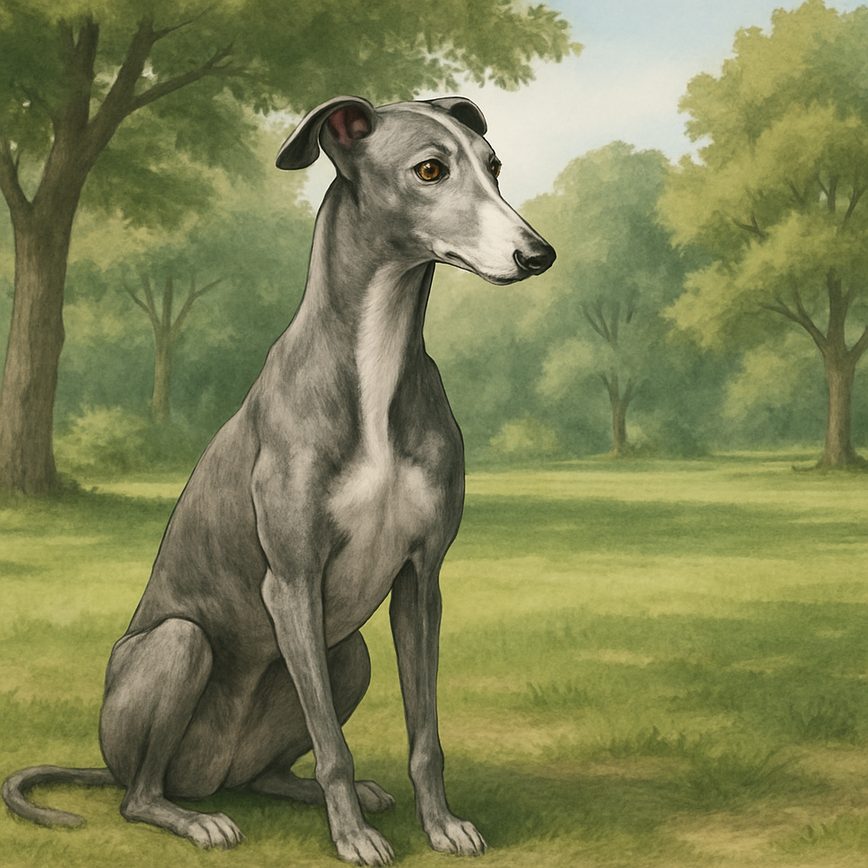
Understanding Greyhound Behavior
Greyhounds exhibit a unique set of behavioral traits and instincts that significantly influence their training needs. Understanding greyhound behavior is essential for any owner or trainer aiming to develop an effective training regimen tailored to this distinctive breed. Unlike many other dogs, greyhounds have retained strong canine instincts that are deeply rooted in their history as hunters and racing dogs. These instincts shape their temperament and learning patterns, making traditional training methods sometimes less effective.
One of the most notable aspects of greyhound behavior is their strong prey drive, a natural instinct derived from their background in chasing small animals like rabbits. This instinct can lead to sudden bursts of speed and a keen focus on movement, which influences their responsiveness during training sessions. Trainers must recognize that this drive is not aggression but a fundamental part of their canine temperament. Managing this instinct involves creating controlled and stimulated environments where greyhounds can safely express their natural behaviors without distractions that could undermine training efforts.
Greyhounds are also known for their sensitive and gentle demeanor. Their dog instincts make them alert yet calm, contributing to a temperament that is often described as quiet and affectionate. This sensitivity means they respond best to positive reinforcement techniques, as harsh commands or punishment can lead to fear or withdrawal. Training methods should emphasize consistency and patience, incorporating rewards and praise to motivate and build trust with the animal.
Another important trait of greyhound behavior is their independent streak. While they are generally sociable, they sometimes prefer to act autonomously, which can challenge trainers used to more eager-to-please breeds. This independent nature requires trainers to be both firm and flexible, setting clear boundaries while allowing the dog space to engage in natural behaviors. Understanding this balance is crucial to achieving successful training outcomes and nurturing a well-behaved companion.
Overall, the interplay of greyhound behavior, dog instincts, and their unique canine temperament calls for specialized training approaches. Recognizing these traits allows trainers and owners to harness the greyhound’s natural abilities, ensuring a harmonious relationship and effective learning experience. Tailoring techniques to match their behavioral profile is the key to unlocking the full potential of greyhounds in any training context.
Natural Instincts of Greyhounds
Greyhounds possess a range of natural instincts that significantly shape their behavior and training. One of the most prominent instincts is their strong prey drive, a deeply ingrained trait that originates from their history as hunting and coursing dogs. This prey drive compels greyhounds to chase moving objects, which can be both an advantage and a challenge during training sessions.
The prey drive in greyhounds is a clear reflection of their dog nature, characterized by alertness, speed, and a keen focus on potential targets. Trainers often leverage this instinct by incorporating moving toys or lures to motivate and engage greyhounds during training exercises. However, this same instinct demands a controlled environment to prevent them from fixating too intensely on distractions, which can interfere with obedience and recall commands.
Understanding the natural instincts of greyhounds helps trainers design effective training approaches that respect and utilize these traits. For example, positive reinforcement combined with controlled prey drive stimulation ensures the greyhound remains motivated without becoming overwhelmed. This balance is key to fostering a responsive and well-trained dog that thrives within the parameters of its inherent instincts.
Common Behavioral Traits
Greyhounds are known for their distinct greyhound traits that set them apart from other dog breeds. One of their most notable qualities is their docility. Despite being one of the fastest dog breeds on the track, they are remarkably gentle and calm in a home environment. This temperament makes them excellent companions for families and individuals alike, as they tend to be well-mannered and patient.
In addition to their calm nature, greyhounds have a sensitive disposition. They can be quite attuned to their surroundings and their owner’s emotions, often responding to subtle cues in behavior and tone. This sensitivity means they require gentle training methods and positive reinforcement to thrive. Harsh corrections or loud environments can easily upset them, so understanding their temperament is key to building a trusting relationship.
Energy levels in greyhounds might seem contradictory at first; they possess impressive bursts of speed and athleticism but generally have low daily energy needs compared to other active breeds. They enjoy short, intense exercise sessions but are also content resting and lounging for much of the day. This unique balance makes them suitable for various living situations, from apartments to homes with yards. Understanding these dog behavior traits helps owners provide the best care and training for their greyhounds, promoting a happy and healthy companionship.
Effective Greyhound Training Techniques
Training techniques for greyhounds need to be tailored to their unique temperament and physical capabilities. Greyhounds, known for their speed and gentle nature, respond best to positive reinforcement methods that build trust and encourage good behavior without harsh discipline. Effective greyhound training emphasizes patience, consistency, and rewarding desired behaviors to cultivate obedience and a strong bond between the dog and owner.
One of the most successful greyhound training techniques is the use of treats and verbal praise as rewards. Giving immediate positive feedback whenever the greyhound follows a command helps reinforce that behavior. This method not only motivates the dog but also makes the learning process enjoyable. For example, using small, tasty treats during obedience training sessions encourages the greyhound to focus and repeat the commands.
Greyhound training should start with simple commands such as “sit,” “stay,” and “come.” These foundational commands promote dog obedience and safety, especially considering the breed’s natural instincts to chase. Short and frequent training sessions work best because greyhounds have relatively short attention spans. Consistent repetition combined with positive reinforcement gradually improves responsiveness without overwhelming the dog.
Socialization is another crucial aspect of successful greyhound training. Exposing greyhounds to different environments, people, and other dogs in a positive way helps them adapt to new situations calmly. Training techniques that incorporate play and social interaction reduce anxiety and prevent behavioral issues that might arise from fear or confusion.
Lastly, it is important to use patience and avoid punishment in greyhound training. Greyhounds are sensitive dogs and harsh methods can lead to fear and mistrust. Instead, reinforcing positive behavior and gently redirecting unwanted actions creates an environment where the dog feels safe and willing to learn. By focusing on positive reinforcement, owners can effectively teach obedience commands and enjoy a harmonious relationship with their greyhound.
Positive Reinforcement Strategies
Positive reinforcement is one of the most effective training methods for greyhounds, relying on training rewards such as treats, praise, and toys to encourage desired behaviors. By using positive reinforcement, trainers create a motivating environment where the greyhound associates good behavior with enjoyable outcomes. This approach not only helps in behavior conditioning but also strengthens the bond between the dog and the trainer.
During training sessions, offering treats immediately after a greyhound performs the correct action acts as a powerful motivator. These tasty rewards capture the dog’s attention and increase its willingness to learn new commands. Praise, such as verbal affirmations and gentle petting, complements treats by providing emotional encouragement, which helps keep the greyhound engaged and confident throughout the training process.
Training rewards are crucial in behavior conditioning as they guide the dog toward repeating positive actions. Over time, greyhounds begin to anticipate these rewards and exhibit consistent compliance, making the training more effective and enjoyable. Trainers should use a variety of rewards to maintain the greyhound’s interest and motivation over longer sessions.
Incorporating positive reinforcement into greyhound training ensures a humane and constructive approach, maximizing both learning and enjoyment. This strategy fosters a calm and responsive dog that is eager to collaborate, making it an essential technique for any successful training program.
Leash and Recall Training
Leash training is essential for greyhounds to ensure safe and controlled walks. Begin by choosing a comfortable, well-fitting harness that minimizes pulling. Use a short, sturdy leash and start in a quiet area free from distractions. Reward your greyhound with treats and praise whenever they walk calmly beside you without pulling. Consistency is key—stop walking immediately when the dog pulls, and resume only when the leash slackens, teaching them that pulling delays the fun.
Recall techniques are equally important for your greyhound’s safety. Start in a secure, enclosed space and use a cheerful, attention-grabbing command like “come” or “here.” Call your dog enthusiastically and reward them generously with treats and affection upon responding. Gradually increase distractions and distance to reinforce the command’s reliability. Practicing recall regularly in diverse environments will build a strong habit of responding to commands confidently.
Incorporating clear dog commands and consistent training sessions helps your greyhound understand expectations and strengthens your bond. Use positive reinforcement to motivate desired behavior and avoid punishment, which can undermine trust. Through patient leash training and recall practice, you ensure your greyhound’s safety and make every outing enjoyable for both of you.
Addressing Training Challenges
Training greyhounds can be a rewarding yet challenging experience, especially when faced with common training challenges such as stubbornness and behavior issues. Understanding these hurdles and implementing the right strategies can help you effectively guide your greyhound towards good behavior and obedience.
One of the most frequent training challenges encountered is greyhound stubbornness. Unlike many other breeds, greyhounds can sometimes appear independent and less responsive to commands, which may frustrate trainers. This behavior often stems from their natural instincts as sight hounds, making them prone to distraction by moving objects or scents. To overcome stubbornness, consistency and patience are crucial. Using positive reinforcement techniques—such as treats, praise, and play—encourages your greyhound to associate training with positive outcomes.
Behavior issues like anxiety or excessive shyness also present common challenges in training greyhounds. Many greyhounds come from racing backgrounds and may have experienced stressful environments. Creating a calm and secure training atmosphere helps in addressing these issues. Gradual socialization and controlled exposure to different environments and stimuli will build your dog’s confidence and reduce fear-driven behaviors.
Another significant challenge is keeping a greyhound engaged during training sessions. Due to their sensitive and sometimes reserved nature, it’s important to keep training routines fun, varied, and concise. Short but frequent sessions work best, preventing boredom and disengagement. Incorporating toys and interactive exercises can also stimulate your greyhound’s mind and improve cooperation.
Finally, recognizing and addressing behavior issues early on is vital. In cases of persistent training challenges or behavioral problems, consulting with a professional trainer experienced in greyhounds can provide tailored solutions. Overall, by understanding the nature of these challenges and applying thoughtful, consistent training techniques, you can successfully navigate training challenges and foster a well-mannered and happy greyhound.
Managing Prey Drive and Distractions
Managing prey drive is a crucial aspect of greyhound training, especially when it comes to minimizing distractions during outdoor sessions. High prey drive can cause greyhounds to fixate on moving objects like squirrels, birds, or other animals, interrupting their training focus. To effectively implement prey drive management, start by teaching your greyhound reliable recall commands in a low-distraction environment. Gradually introduce controlled distractions, rewarding your dog for maintaining focus on you rather than the stimulus.
Distraction training should be approached gradually and consistently. Use toys that mimic prey but keep them on a leash or tether during initial training to prevent uncontrolled chasing. This approach helps greyhounds associate the presence of potential prey with obedience and controlled behavior. Incorporate short, engaging training sessions that build your dog’s attention span and reinforce focus techniques repeatedly.
Focus techniques such as “watch me” commands and intermittent rewards when your greyhound maintains eye contact are particularly effective. Encourage calm behavior around stimuli and redirect their attention gently when they become overly excited. Over time, these methods reduce impulsivity driven by prey instincts, allowing for a safer and more productive training experience. Remember, patience and consistency are key to successful prey drive management and distraction control in greyhounds.
Handling Sensitivity and Anxiety
Training sensitive greyhounds requires a thoughtful approach that prioritizes reducing dog anxiety and fostering a safe, calm environment. Sensitive dogs are more prone to stress, so gentle communication is key to their successful training. Start by observing your greyhound’s body language closely, responding with a soft voice and slow, deliberate movements. These cues help the dog feel secure and understood.
To manage stress effectively, create predictable routines that provide your dog with a sense of stability. Incorporate frequent breaks during training sessions to prevent overwhelming the greyhound. Using positive reinforcement rather than harsh corrections encourages confidence and reduces fear. Reward calm behavior with treats or affectionate praise, reinforcing the message that remaining relaxed yields positive outcomes.
Environmental adjustments such as quiet spaces free from loud noises or sudden disruptions also contribute significantly to anxiety reduction. Additionally, consider introducing calming tools like pressure wraps or pheromone sprays if your greyhound exhibits signs of persistent stress. Remember, patience is essential—progress in sensitive dogs may be gradual, but consistent, compassionate training fosters trust and emotional resilience.

Growing up near the local track, I developed a lifelong fascination with the athleticism and strategy behind greyhound racing. I spend my free time analyzing past performances and studying breeding lines to better understand the nuances of every race. Sharing insights and celebrating the incredible speed of these dogs is what keeps me passionate about the sport.