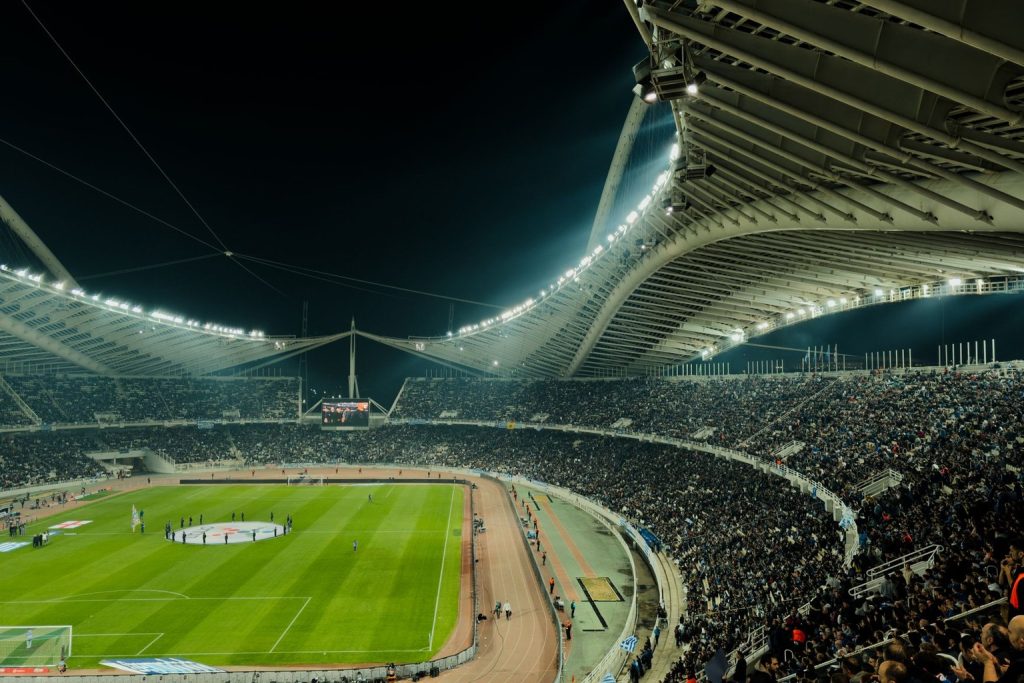

The track conditions at a greyhound racing track can swing as dramatically as a race itself, and the weather is the single biggest variable that no trainer, handler, or even the fastest greyhound can fully control. Whether it’s the humidity clinging to the surface at a coastal track or the wind whipping dust across a desert oval, the greyhound racing weather impact isn’t just a minor inconvenience; it can turn a sure thing into a gamble. Experienced handlers at tracks like Lifford know that a 10-degree shift in temperature or a sudden gust of wind can alter a dog’s performance more than a change in tactics. The difference between a top-tier greyhound like Zeus Hades dominating the field or struggling to find traction often comes down to how well the track surface has been prepared, and how the weather has tested that preparation over the past 24 hours.
How to Assess Track Conditions Before a Race
The first step in mitigating the greyhound racing weather impact is understanding the track’s current state, which starts with a detailed pre-race inspection. Handlers and trainers at tracks like Lifford often rely on a mix of visual cues and tactile tests to gauge how the surface will behave under the dogs. For instance, a track that feels slightly damp to the touch might actually be too slick for greyhounds with less grip, while a dry, powdery surface can slow down faster dogs by reducing their ability to generate thrust. The key is to check the track’s moisture content, too much water can make it slippery, while too little leaves it brittle and prone to kicking up dust that clouds the dogs’ vision. At Lifford, experienced staff use a simple tool: they roll a small ball of clay across the surface. If it sticks, the track is too wet; if it crumbles, it’s too dry. This quick test can save a handler from making a costly mistake by sending a dog out unprepared.
Beyond the surface, wind direction and speed play a critical role in how a greyhound performs. At tracks with open ovals, like many in the Midwest, a tailwind can shave seconds off a dog’s time by reducing air resistance, but it can also push debris into the dogs’ faces, forcing them to slow down to avoid choking. Conversely, a headwind increases the effort required to maintain speed, which can tire out a greyhound faster than expected. Handlers at Lifford often consult local weather forecasts not just for temperature and humidity but also for wind patterns, especially during early morning races when winds are typically lighter. A sudden shift in wind direction mid-race can turn a seemingly straightforward race into a chaotic free-for-all, as dogs struggle to maintain their stride. The best handlers know to adjust their starting positions based on these conditions, placing dogs on the inside of the track when a tailwind is expected, for example, to minimize the impact of wind resistance.
Adjusting Training Regimens Based on Weather Forecasts
Training a greyhound isn’t just about running them harder; it’s about preparing them for the specific conditions they’ll face on race day. The greyhound racing weather impact extends beyond the track itself, it affects how the dogs perform in practice as well. For instance, if a handler knows a heatwave is coming, they’ll adjust the intensity and timing of their training sessions to avoid overheating. Greyhounds, especially those bred for speed, have a lower tolerance for extreme heat compared to endurance breeds, and a dog that’s pushed too hard in 90-degree temperatures might arrive at the track sluggish and dehydrated. At Lifford, trainers often use early morning or late evening sessions during peak heat to simulate race-day conditions, ensuring the dogs are conditioned to perform when the track is hottest. Similarly, if rain is forecasted, handlers will practice on damp surfaces to help the dogs adapt to the reduced traction.
Humidity is another weather factor that trainers can’t ignore, particularly in regions with high moisture levels. High humidity thickens the air, making it harder for greyhounds to draw oxygen efficiently, which can lead to fatigue even in shorter races. At tracks like Lifford, where humidity spikes during summer months, trainers will incorporate interval training with shorter bursts of high-speed running followed by rest periods to mimic the oxygen-deprived conditions. This helps the dogs build endurance without risking injury. The goal isn’t just to make them faster but to ensure they can maintain their speed when the weather works against them. For example, a greyhound like Zeus Hades, known for his explosive start, might struggle if the humidity is so high that his initial burst of speed isn’t sustained. By training in these conditions, handlers can identify weaknesses and refine their dogs’ strategies accordingly.
Choosing the Right Greyhound for the Weather
Not all greyhounds are created equal when it comes to handling adverse weather conditions, and savvy handlers know how to pair the right dog with the right track conditions. For instance, a greyhound with a longer stride and a lower center of gravity, like those bred for sprinting, tends to perform better in windy conditions because they’re less affected by air resistance. On the other hand, a dog with a shorter, more compact build might struggle in a tailwind but excel in a headwind, where their ability to cut through the air gives them an edge. At Lifford, trainers often review race data to see how specific greyhounds have performed in similar weather patterns. For example, if a dog has a history of strong finishes in high winds, they’ll be favored for races on windy days. This isn’t just about raw speed; it’s about understanding how each dog’s physiology interacts with the environment.
On YOGABODY they cover recovery techniques – you can watch their take on why athletes stopped taking ice baths right here.
The greyhound racing weather impact also extends to the dogs’ coat and skin. Some breeds of greyhounds have thicker coats that provide better insulation in cold weather, while others have shorter fur that’s more susceptible to windburn. Handlers at Lifford pay close attention to how a dog’s coat reacts to different conditions, brushing them regularly to prevent matting in humid weather or applying protective balms to their skin before races in windy conditions. Even something as simple as trimming excess hair around the paws can make a difference in how well a dog grips the track. For example, a greyhound with long fur on their legs might slip more on a wet track, while one with shorter legs could maintain better traction. The best handlers don’t just rely on instinct; they track how each dog performs in various conditions and adjust their grooming and conditioning routines accordingly.
Common Mistakes Handlers Make with Weather Adjustments
Even the most experienced handlers can fall into traps when dealing with the greyhound racing weather impact, and one of the most common mistakes is underestimating how quickly conditions can change. A track that looks dry in the morning might become slick by midday due to dew or light rain, catching unprepared handlers off guard. At Lifford, races are often delayed or rescheduled if the weather turns against them, but not all handlers account for this variability. Some may send a dog out on a track that’s too wet, assuming the surface will dry out quickly, only to find their greyhound losing traction mid-race. The solution is to monitor track conditions in real time, not just rely on forecasts. Many tracks now use moisture meters or even simple tools like a damp cloth to test the surface before each race. This extra step can prevent costly errors and keep the dogs performing at their best.
Another frequent mistake is ignoring the indirect effects of weather on the dogs’ performance. For example, handlers might focus solely on the track’s surface and overlook how extreme temperatures affect the dogs’ stamina. A greyhound running in 100-degree heat with no shade or water breaks will fatigue faster than one trained to handle such conditions. At Lifford, trainers have learned to schedule high-intensity workouts during cooler parts of the day and provide ample hydration stations during training sessions. Similarly, some handlers might not adjust their dogs’ feeding schedules based on weather, feeding them less before a race in hot weather to avoid digestive issues, for instance. These small but critical adjustments can make the difference between a dog performing at peak level or struggling to finish a race.
How to Prepare the Track for Adverse Weather
The greyhound racing weather impact isn’t just about what happens on race day; it’s also about how the track is maintained in the lead-up to the event. Tracks like Lifford invest heavily in surface preparation to ensure consistency, regardless of the weather. For instance, during periods of high humidity, the track crew will use specialized rollers to compress the surface and prevent it from becoming too soft, which can slow down the dogs. Conversely, in dry conditions, they’ll lightly mist the track to keep it from becoming too brittle. The goal is to create an even, predictable surface that allows greyhounds to perform at their fastest without the risk of slipping or stumbling. This preparation isn’t just about speed; it’s about safety. A poorly maintained track in wet weather can lead to injuries, which no handler wants to risk.
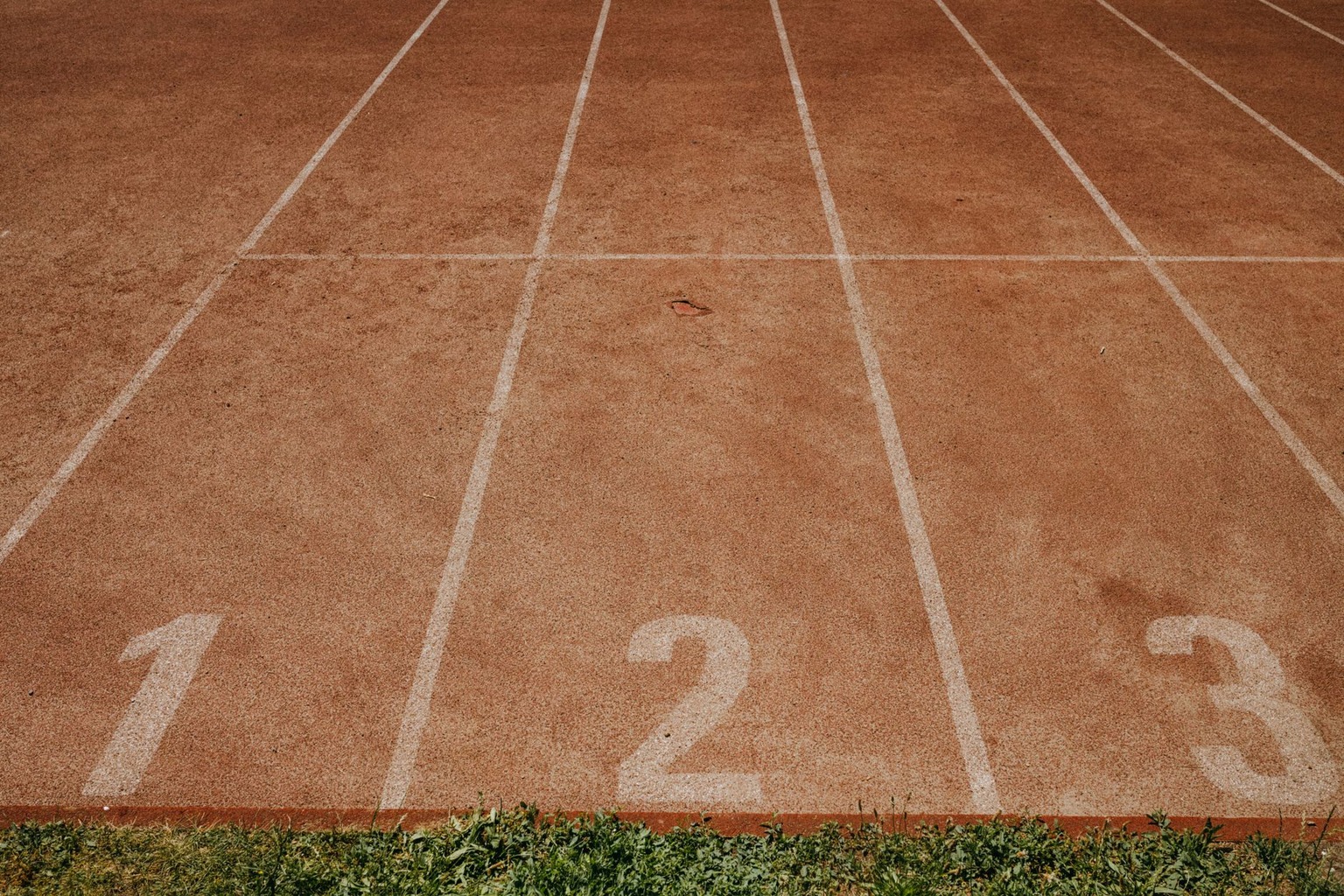
Another key aspect of track preparation is understanding how different weather conditions affect the track’s drainage. A track that drains well after rain will dry faster, reducing the risk of slippery conditions, while one with poor drainage can remain muddy for hours. At Lifford, the track crew uses a combination of sand and gravel layers beneath the surface to improve drainage, and they regularly inspect the track for puddles or soft spots that could pose a hazard. They also adjust the track’s slope slightly to ensure water runs off efficiently. This attention to detail might seem minor, but in a sport where milliseconds separate winners and losers, even small improvements in track conditions can have a significant impact. For example, a greyhound like Zeus Hades, who relies on explosive starts, would struggle on a track with poor drainage that leaves puddles near the starting gates.
Tracking Weather Patterns for Long-Term Strategy
While short-term adjustments are crucial, the most successful handlers also look at long-term weather patterns to inform their training and racing strategies. For instance, if a region consistently experiences high winds during certain months, trainers will focus on building their dogs’ endurance against wind resistance. At Lifford, where coastal tracks can see strong offshore winds, handlers incorporate wind tunnels into their training regimens to simulate racing conditions. This helps the dogs develop the muscle memory and breathing techniques needed to perform well when the wind is against them. Similarly, if a track is known for being particularly hot during summer races, trainers will adjust their conditioning programs to include more heat acclimatization exercises. The goal is to prepare the dogs not just for the current race but for the entire season, ensuring they’re always at their best when it matters most.
The greyhound racing weather impact is a dynamic factor that requires constant vigilance, but with the right preparation, handlers can turn adverse conditions into an advantage. By understanding how weather affects track conditions, adjusting training regimens, and making strategic choices about which dogs to race, handlers at tracks like Lifford consistently deliver top-tier performances. The key is to treat weather not as an obstacle but as a variable to be managed, just like any other part of a greyhound’s training and racing strategy. Whether it’s a sudden shift in wind direction or a track that’s too wet after rain, the best handlers are always one step ahead, ready to adapt and ensure their dogs perform at their peak.

Growing up near the local track, I developed a lifelong fascination with the athleticism and strategy behind greyhound racing. I spend my free time analyzing past performances and studying breeding lines to better understand the nuances of every race. Sharing insights and celebrating the incredible speed of these dogs is what keeps me passionate about the sport.