Understanding the mechanics of a harness racing bait car is essential for anyone serious about training greyhounds to peak performance. The device serves as the primary motivator, simulating prey drive in a controlled environment so that dogs learn to chase with intensity and focus. A well designed lure system teaches proper stride patterns, builds cardiovascular capacity, and reinforces the competitive instinct that separates champions from also rans. Trainers who neglect the nuances of lure operation often find their kennels stuck in a plateau, unable to translate raw speed into consistent wins. This guide walks through every stage of mastering the equipment, from initial selection to advanced race day tactics.
Selecting the Right Harness Racing Bait Car for Your Kennel
Choosing the correct lure vehicle begins with an honest assessment of your track dimensions and the caliber of dogs you handle. A lightweight electric cart with variable speed control works well for smaller ovals under three hundred yards, while larger commercial tracks benefit from a gas powered unit that can sustain fifty miles per hour without overheating. Look for a chassis that sits low to the ground, minimizing visual distraction, and ensure the mast height places the lure at eye level for a greyhound in full extension. Budget at least five thousand dollars for a reliable mid range model, and factor in annual maintenance costs of roughly fifteen percent of purchase price. Compatibility with your existing rail system is non negotiable, so measure groove width and curve radius before signing any invoice.
Once the hardware arrives, inspect every weld, bolt, and electrical connection before the first test run. A loose battery terminal can cut power mid sprint, teaching dogs to hesitate at the critical moment. Mount a high definition action camera on the mast to record lure movement from the dog’s perspective; this footage becomes invaluable when diagnosing gait irregularities later. Program the controller with three preset profiles: a slow warm up pace at eighteen miles per hour, a standard training clip at thirty five, and a maximum burst at forty five for sharpening work. Label each profile clearly on the handheld remote so that assistants never guess during a session.
Preparing the Track and Safety Systems Before Each Session
Track preparation is the foundation of injury prevention and consistent lure performance. Walk the entire oval each morning, probing the sand depth with a calibrated penetrometer; aim for a uniform four inch cushion over a compacted limestone base. uneven footing forces greyhounds to shorten stride, which the lure cannot correct and which leads to hock stress over time. Drag a leveling board after every three heats to redistribute displaced material, and water lightly when ambient temperature exceeds eighty degrees Fahrenheit to suppress dust without creating slick spots. Check the rail tension by pressing downward at mid curve; deflection should not exceed half an inch.
Safety systems deserve equal attention. Test the emergency kill switch at the starter’s box and at the judge’s stand; both must cut power within two seconds. Verify that the lure’s automatic shutoff triggers when the mast passes the finish line sensor, preventing the device from circling back into a cooling down pack. Inspect the catch net at the escape gate for tears, and replace any section showing UV degradation. Keep a fully stocked veterinary kit trackside, including cold packs, vet wrap, and a portable splint, because minutes matter when a muscle tears at forty miles per hour.
Teaching Puppies to Focus on the Lure During Early Education
Introduction to the lure begins at twelve weeks, long before any formal sprint work. Start in a straight fenced chute sixty feet long, using a plush toy on a hand line rather than the mechanical car. Drag the toy away from the pup at a walking pace, encouraging a natural chase without pressure. Reward the instant the puppy mouths the toy with a high value treat and verbal praise, reinforcing that the object itself is the goal. Repeat three times per session, twice daily, for two weeks. Gradually increase speed to a light jog, but never exceed the pup’s comfortable gallop.
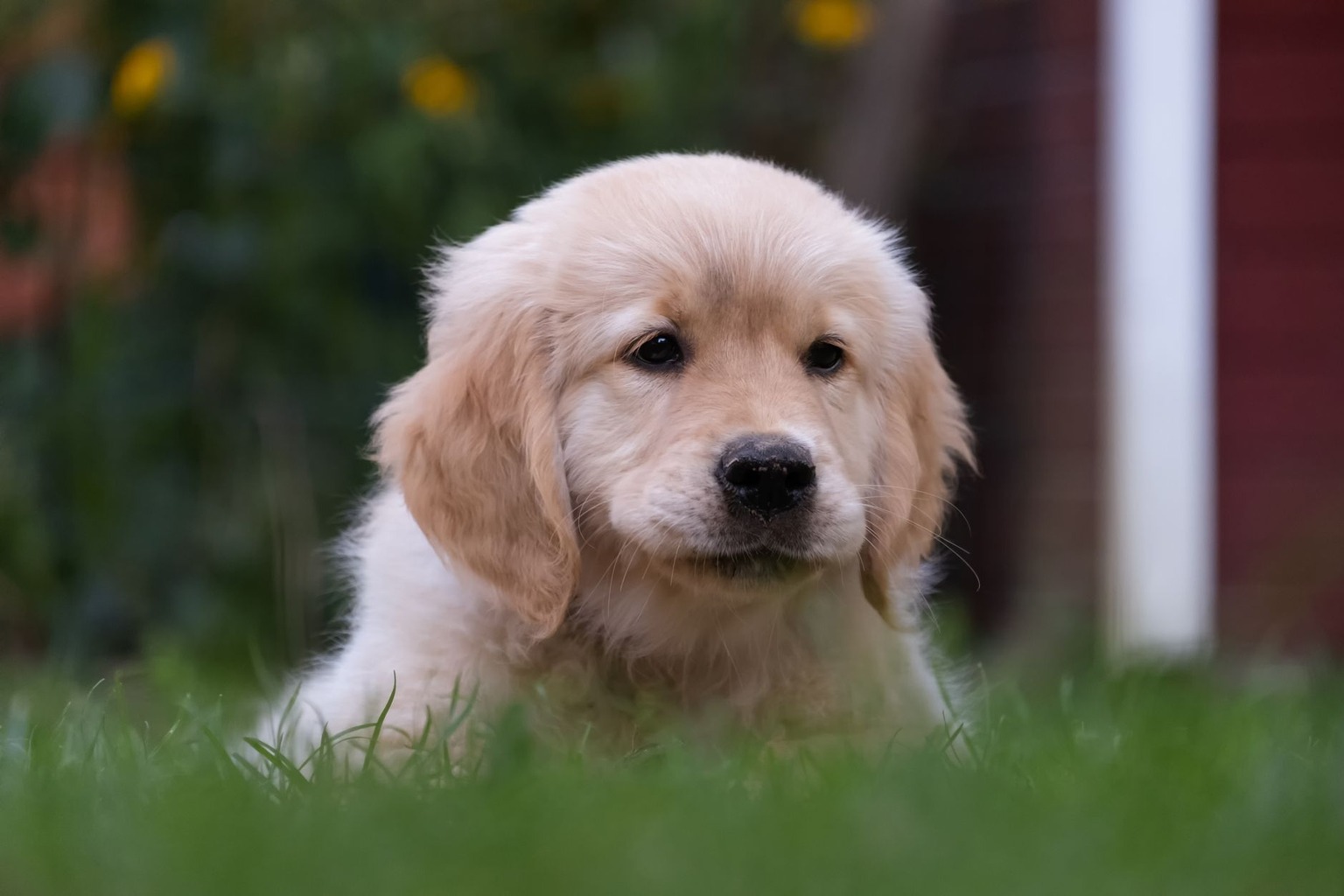
At sixteen weeks, transition to the motorized unit on its slowest profile. Keep sessions to four passes maximum, with full recovery between runs. Watch for head carriage; a puppy that carries its head high and eyes locked on the lure is developing correct visual tracking. If the head drops or the eyes wander, end the session immediately and return to hand line work for another week. Record each puppy’s split times at the thirty foot mark; consistent improvement of even two tenths per week signals readiness for oval work. Never run littermates together at this stage, as competition distracts from lure focus.
Structuring Progressive Interval Training for Peak Conditioning
A periodized interval plan transforms raw speed into race winning stamina. Begin the macrocycle with a base phase of six weeks: three sessions per week, each consisting of four quarter mile repeats at thirty two miles per hour with four minute recoveries. Heart rate monitors on a sample of dogs should show peaks around two hundred beats per minute, dropping below one hundred twenty during rest. Log every split, ambient temperature, and track condition in a dedicated spreadsheet; data trends reveal when to advance or hold. After the base phase, shift to a sharpening block of four weeks: two sessions weekly, three half mile repeats at thirty eight miles per hour with six minute recoveries.
The final taper week before a major stake reduces volume by fifty percent while maintaining intensity. Run a single three eighths mile breeze at forty two miles per hour on Tuesday, a light hand slip on Thursday, and race on Saturday. This protocol preserves glycogen stores and sharpens neuromuscular coordination without accumulating fatigue. Adjust lure acceleration curves so the car reaches target speed within the first fifty feet; a sluggish start teaches dogs to lag out of the box. Use the onboard camera to verify that the lure maintains a steady line through the turns, because any lateral wobble forces greyhounds to check stride and wastes precious hundredths.
Analyzing Video Feedback to Refine Lure Technique
video review is the single most underutilized tool in modern kennel management. After every session, download the mast camera footage and sync it with the timing chip data. Play back at quarter speed, focusing on the moment each dog’s nose aligns with the lure. Measure the gap in frames; elite performers hold a consistent six to eight foot cushion, while strugglers drift beyond twelve feet by the far turn. Note any dog that anticipates the lure’s deceleration at the finish line, a habit that costs lengths in close finishes. Tag these clips and build a library for each individual, creating a visual baseline that makes subtle regressions obvious.
Share annotated clips with your veterinarian and chiropractor during monthly check ins. A slight head tilt when tracking the lure often precedes a cervical misalignment that manual therapy can correct before it becomes a lameness. Compare lure path overlays from week to week; if the mast drifts outward on the second turn by more than six inches, realign the guide rail immediately. Small mechanical faults compound across dozens of runs, and the video record is the only objective witness. Archive all raw footage on redundant drives for at least two years; longitudinal trends inform breeding decisions as much as training adjustments.
Troubleshooting Common Mechanical Failures Mid Meet
Even meticulous maintenance cannot eliminate every breakdown, so a rapid response protocol keeps the card moving. Carry a spare controller, a fully charged backup battery pack, and a replacement mast assembly in the trackside toolbox. Assign one assistant as the dedicated lure tech, trained to swap the battery in under ninety seconds and recalibrate the speed presets from memory. If the motor emits a high pitched whine under load, suspect worn brushes; replace them during the next scheduled break rather than risking a complete stall during a stakes race. A jerking motion at constant throttle usually indicates a loose drive chain; tighten to spec with the tension gauge stored in the same kit.
Communication is critical when the lure fails mid heat. Establish a hand signal between the starter and the lure operator: raised fist means hold position, sweeping arm means abort and retrieve dogs. Practice this drill monthly so it becomes reflex. If the car stops on the backstretch, the operator must announce the location over the radio within three seconds; the starter then releases the safety hounds from the inside rail to guide the field back to the paddock without panic. Document every incident in the maintenance log, noting root cause, downtime, and corrective action. Patterns in this log justify capital expenditure for upgrades when budget season arrives.
Adapting Lure Strategy for Different Race Distances and Grades
One lure profile does not fit every event. Sprint races at three sixteenths of a mile demand an explosive launch; program the car to hit forty miles per hour by the eighth pole and hold it through the wire. For route events beyond five sixteenths, a gradual build to thirty six miles per hour teaches dogs to rate themselves, preventing the early oxygen debt that collapses closers. In mixed grade heats, set the lure to the pace of the highest class entrant; lower grade dogs benefit from the elevated tempo, while the top dog sharpens against a realistic target. Never slow the lure to accommodate a struggling kennel mate, as this erodes the competitive standard for the entire string.
Weather and surface conditions dictate further tweaks. On a rain softened track, reduce top speed by two miles per hour and extend the acceleration zone by ten feet to prevent sliding. During high wind meets, position the lure mast on the windward rail so the dogs face the breeze down the backstretch, equalizing the aerodynamic load. Keep a laminated cheat sheet on the controller housing with preset codes for each scenario: S1 for dry sprint, R2 for wet route, W3 for windy mixed grade. The lure operator selects the code, confirms the display, and the session begins without guesswork. Consistency in these details builds the trust that lets a greyhound commit fully to the chase every time the boxes open.

Growing up near the local track, I developed a lifelong fascination with the athleticism and strategy behind greyhound racing. I spend my free time analyzing past performances and studying breeding lines to better understand the nuances of every race. Sharing insights and celebrating the incredible speed of these dogs is what keeps me passionate about the sport.