Experienced trainers know that evaluating greyhound puppies begins long before they ever step onto a racetrack surface. The earliest indicators of future sprint success often appear during the first twelve weeks of life, when structural development and natural instinct combine to reveal raw athletic potential. A litter raised on consistent footing with measured nutrition will display movement patterns that separate future graded runners from pets or brood stock. Handlers who track these details from whelping box to schooling trials build a significant advantage when selecting which youngsters deserve investment in breaking and early education. This comparison breaks down the critical dimensions used to judge sprint aptitude before formal training begins.
Structural Balance and Angulation
Correct skeletal architecture forms the mechanical foundation for every stride a dog will take at speed. The rear assembly must show a well-bent stifle and a hock set low to the ground, creating a natural spring that stores elastic energy during the support phase. Front angulation should mirror the rear, with a laid-back shoulder blade and upper arm of near-equal length allowing for extended reach without wasted vertical motion. Puppies that stand over themselves with a level topline and a moderate tuck-up typically transition into efficient movers, while those showing straight stifles or steep croups often lack the rear drive necessary for competitive times. Measuring these angles at eight weeks with a goniometer provides baseline data that correlates strongly with later track performance.
Comparing littermates side by side on a firm table reveals subtle differences that photographs miss. A puppy with a slightly longer second thigh relative to the femur often develops a longer stride frequency, a trait prized in sprint distances under 300 yards. Conversely, an over-angulated rear combined with a short upper arm creates a “sickle hock” action that wastes energy and increases injury risk on tight turns. Breeders who prioritize balance over extreme angulation tend to produce dogs that hold form through the fatigue of a race, whereas extreme conformations frequently break down before reaching their prime. The goal is a symmetrical machine where front reach and rear drive meet at a center of gravity that stays low and forward.
Muscle Quality and Fiber Composition Indicators
Palpation of the major muscle groups at six to ten weeks offers clues about fiber type distribution long before a biopsy would be practical. The gluteal and hamstring bundles should feel dense and resilient, snapping back under finger pressure rather than doughy or soft. This tactile firmness correlates with a higher percentage of fast-twitch glycolytic fibers, the engine for explosive acceleration out of the boxes. Puppies that display a visible “double suspension” gallop during play, where all four feet leave the ground twice per stride, usually possess the neuromuscular wiring for high top-end speed. Watching them chase a drag lure across grass highlights natural stride length and air time without handler interference.
Littermates raised on identical diets and exercise regimens will still show variance in muscle belly length and insertion points. A longer biceps femoris belly allows greater contraction distance, translating to more power per stride, while a short, tendinous insertion limits mechanical advantage. Trainers who have handled hundreds of young dogs learn to recognize the “pop” in a puppy’s movement, a sudden, effortless burst that covers ground differently than a frantic scramble. That pop is the visual signature of favorable fiber recruitment patterns. It cannot be taught, only refined, making early identification essential for allocating limited kennel resources to the highest-probability prospects.
Prey Drive and Competitive Instinct
Raw speed means little without the psychological trigger to chase at maximum effort every time the lids open. Puppies that fixate on a fluttering lure rag at five weeks, ignoring distractions like littermates or human voices, demonstrate the single-minded focus required for professional racing. This drive is tested by rolling a tennis ball past a group and noting which individuals commit fully versus those that hesitate or abort the chase. The best prospects will run through minor collisions or slippery footing to reach the target, showing a pain tolerance and determination that separates graded stakes contenders from allowance-level runners. Consistency of this response across multiple sessions matters more than a single spectacular effort.

Comparing drive levels across a litter requires standardized testing protocols to avoid handler bias. A simple drag line pulled at a steady fifteen miles per hour reveals which puppies accelerate smoothly and which surge erratically. The smooth accelerators typically maintain better position in traffic during actual races, while the erratic ones often check or jump lanes when pressured. Some lines produce “thinkers” that anticipate the lure path and cut corners efficiently, while others produce pure reactors that rely on raw speed to overcome poor positioning. Neither style is inherently superior, but matching the dog’s mental style to the track configuration, tight turns versus long straights, improves win probability significantly.
Foot Structure and Traction Mechanics
The interface between dog and track surface determines how effectively power transfers into forward motion. Tight, well-arched toes with thick, elastic pads act as natural cleats, gripping the sand on push-off and releasing cleanly on recovery. Splayed feet or thin pads leak energy laterally and increase the risk of corns, sesamoiditis, and toe fractures that derail careers. At eight weeks, the foot should already show a compact oval shape with nails that curve downward rather than splay outward. Puppies that walk on their pasterns or exhibit excessive carpal flexion often develop chronic wrist issues that limit training consistency.
Comparing foot quality across different breeding lines reveals genetic patterns that persist for generations. Certain sire lines consistently produce cats feet, short third digital bones with high knuckles, that excel on fast, firm surfaces but struggle on deep, loose tracks where a longer toe provides more purchase. Other lines yield hare feet with elongated central digits that float over soft going but lack stability on hard-packed ovals. Smart trainers match foot type to their home track conditions rather than chasing a universal ideal. A puppy with perfect structure but wrong feet for the local surface will never reach its genetic potential, no matter how talented its engine.
Cardiovascular Efficiency Markers
While direct VO2 max testing is impractical for young puppies, resting heart rate and recovery time after mild exertion serve as reliable proxies. A six-week-old prospect with a resting rate below 100 beats per minute that drops to baseline within two minutes of a three-minute trot shows cardiac stroke volume advantages that scale with growth. These puppies typically handle the interval training loads of breaking school without excessive fatigue or respiratory distress. Conversely, puppies that pant heavily after light play and take five minutes to recover often hit a conditioning ceiling early, limiting the work volume needed to sharpen peak fitness.
Litter-wide comparisons using a stethoscope and stopwatch create a ranking that predicts which dogs will thrive under a heavy race schedule. The top third usually maintain weight and muscle tone through a six-week racing series, while the bottom third require frequent layoffs that cost momentum and grading position. Heart size relative to thoracic cavity can be estimated via ultrasound at twelve weeks, and the correlation between left ventricular internal dimension and future stakes earnings is surprisingly strong in retrospective studies. Investing in early cardiac screening pays dividends by preventing wasted breaking fees on dogs physiologically incapable of sustaining elite performance.
Temperament Stability Under Pressure
Race day environments assault the senses with noise, crowds, starting box confinement, and proximity to unfamiliar dogs. Puppies that startle easily at sudden sounds, a dropped pan, a starter pistol blank, and fail to recover within seconds often develop kennel anxiety that manifests as poor appetite, weight loss, or refusal to load. Testing noise sensitivity at seven weeks with a standardized sound CD played at increasing volumes identifies resilient individuals. Those that orient toward the sound source calmly, then return to play, possess the nervous system stability to handle the paddock atmosphere without sedation or behavioral modification.
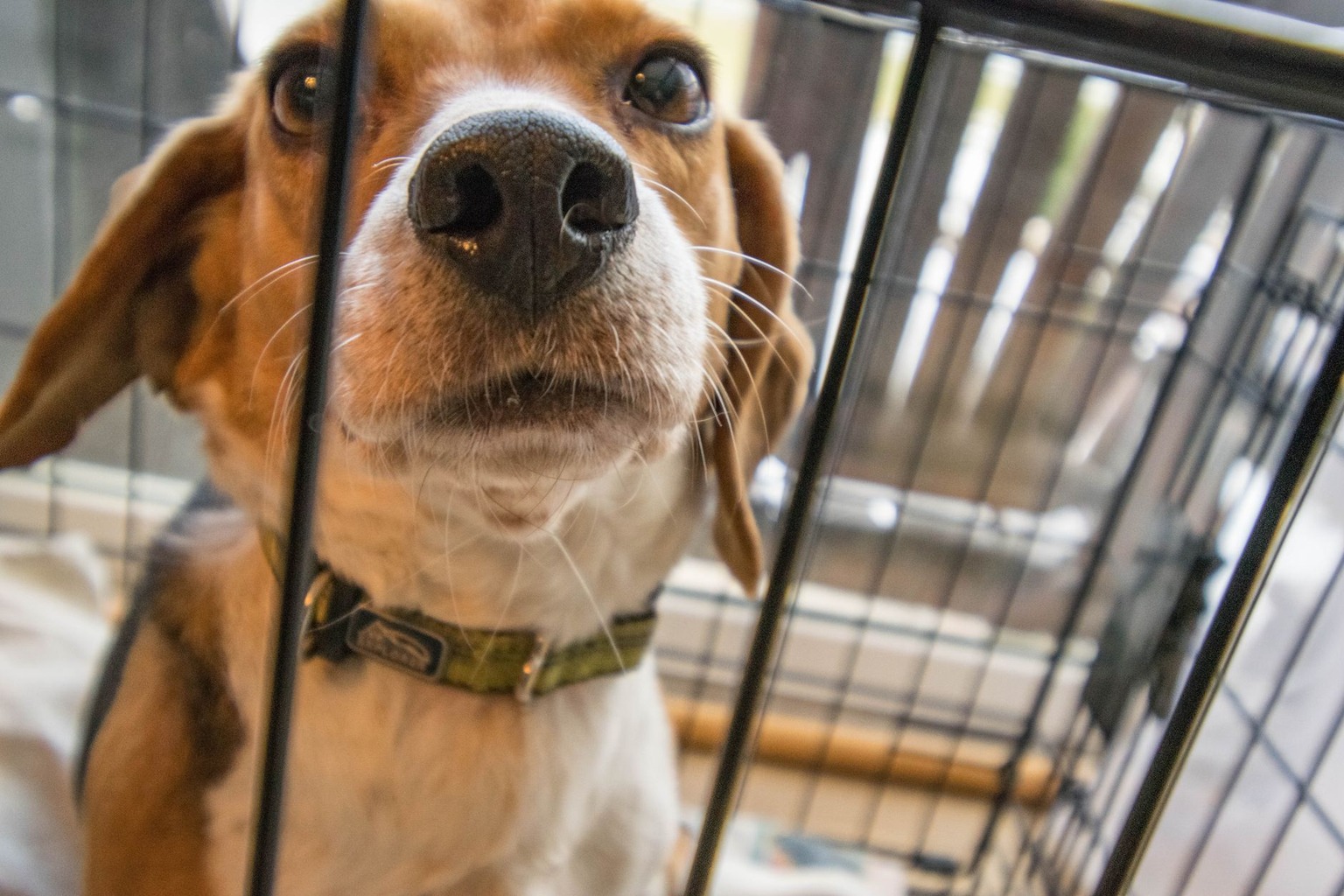
Social pressure testing adds another dimension. Placing a puppy in a crate beside a barking adult for five minutes reveals coping strategy. The ideal prospect settles quickly, perhaps chewing a toy or sleeping, demonstrating an “off switch” that conserves mental energy for the race. Puppies that fence-fight, scream, or pant continuously carry that tension to the boxes, burning glycogen before the lure moves. This trait is highly heritable; dams that whelp and raise litters in busy kennel environments tend to produce offspring that normalize chaos. Selecting for temperament stability reduces the attrition rate from breaking to first start, a major economic factor in kennel management.
Growth Trajectory and Developmental Timing
Not all talented puppies mature on the same calendar, and misreading a late bloomer as a failure wastes genetic investment. Tracking weekly weight, height at withers, and body condition score from birth creates a growth curve that distinguishes constitutional slowness from nutritional deficit. A puppy that stays in the bottom quartile for weight but maintains proportional structure and high activity levels often explodes in muscle mass between four and six months, overtaking early maturers by breaking age. Conversely, puppies that peak early, heavy at eight weeks but stagnant at sixteen, frequently lack the skeletal frame to support additional muscle, leading to soundness issues under training stress.
Comparing growth patterns across sire lines helps set realistic expectations for each litter. Some bloodlines are notoriously “backward,” not showing true sprint form until eighteen months, while others are precocious, winning puppy stakes at ten months but regressing as two-year-olds. Trainers who understand their line’s typical trajectory avoid the mistake of overworking a late developer or resting an early one. Aligning the training timeline to the individual’s physiological clock, not the racing calendar, maximizes the probability of a sound, successful career. The best kennels build flexibility into their breaking programs precisely for this reason.

Growing up near the local track, I developed a lifelong fascination with the athleticism and strategy behind greyhound racing. I spend my free time analyzing past performances and studying breeding lines to better understand the nuances of every race. Sharing insights and celebrating the incredible speed of these dogs is what keeps me passionate about the sport.