The racing greyhound is a machine built for speed, but endurance, sustaining peak performance over the final 100 to 200 meters of a race, is where champions are separated from the pack. Unlike sprinting, where raw explosive power dominates, endurance in racing dogs hinges on aerobic capacity, muscle efficiency, and mental resilience. The best trainers don’t just chase speed; they engineer a dog’s fitness to outlast fatigue, and that starts with a deliberate approach to conditioning. The right fit sport techniques can transform a greyhound’s stamina, turning a solid sprinter into a race-winner on the track’s longest turns.
The Science Behind Endurance: Why Aerobic Fitness Matters Most
Endurance in racing greyhounds isn’t about brute strength, it’s about oxygen efficiency. When a dog sprints, its muscles rely heavily on anaerobic energy for the first 30 to 50 meters, but beyond that, aerobic respiration becomes the lifeline. Studies on elite greyhounds show that top performers maintain a heart rate near 220 beats per minute (a common max for dogs) for extended periods, while their competitors spike and crash. This aerobic base is what allows greyhounds to cover the final straight with minimal fatigue. Trainers who focus solely on explosive bursts without building this aerobic foundation often see dogs hit the wall early, their stride collapsing before the finish line. The key is mimicking race conditions in training: short, intense bursts followed by controlled recovery intervals, not just long, slow jogs that don’t replicate the race’s demands.
Breed-specific differences play a role here too. Greyhounds, with their lean muscle and low body fat, have a higher surface-area-to-mass ratio, which means they lose heat faster. This makes their aerobic capacity even more critical, without it, their core temperature can spike dangerously during prolonged effort. The best fit sport programs for endurance incorporate heat acclimatization alongside aerobic work. For example, trainers in warmer climates often use early-morning track sessions when temperatures are cooler, while in colder regions, they might incorporate treadmill work with controlled humidity to simulate race-day conditions. The goal isn’t just to build stamina but to harden the dog’s body against the physiological stresses of a full race.
Interval Training: The Greyhound’s Secret Weapon
Interval training isn’t new to racing greyhounds, but its application for endurance is often misunderstood. The classic sprint intervals, like 60-meter bursts with 90-second walks, are great for speed, but they don’t fully prepare a dog for the sustained effort of a 500-meter race. To bridge this gap, trainers use a modified interval method called “race-pace intervals.” These involve running the dog at 70 to 80 percent of its maximum speed for 100 to 150 meters, followed by a full recovery walk. The idea is to simulate the race’s pacing, where the dog must hold a consistent effort without burning out. For instance, a greyhound racing at 35 mph might train at 30 mph for 120 meters, then recover for twice as long. This teaches the dog to manage lactate buildup, a critical factor in endurance races.
The challenge is balancing intensity and frequency. Overdoing race-pace intervals can lead to overtraining, where a dog’s aerobic capacity plateaus or even declines. Elite trainers like those at Lifford Greyhound Racing use a structured cycle: two weeks of high-intensity intervals followed by a week of lower-volume, longer-duration work. This prevents burnout while ensuring the dog’s body adapts to sustained effort. The secret lies in the recovery phase, it’s not just about resting; it’s about controlled, active recovery. For example, after an intense interval session, a greyhound might trot for 10 minutes to flush out lactic acid before returning to the kennel. This approach keeps the dog’s cardiovascular system primed for the next session without taxing it excessively.
Strength Without Bulk: The Role of Functional Conditioning
Muscle endurance in greyhounds isn’t about bulk, it’s about efficiency. A greyhound’s body is designed for speed, not powerlifting, so traditional weight training isn’t the answer. Instead, trainers focus on functional conditioning that strengthens the muscles used in racing without adding unnecessary weight. Hill repeats, for example, are a staple in greyhound endurance training. By running uphill at a controlled pace, the dog engages its posterior muscles, critical for driving forward on the track’s final turns, while also building aerobic capacity. A well-designed hill session might involve 30-second uphill sprints followed by 90 seconds of recovery, repeated for 10 to 12 rounds. This mimics the effort required to maintain speed on the track’s banked turns, where gravity adds resistance.
On the GRVextra channel they cover greyhound exercise techniques, and you can watch it right here.
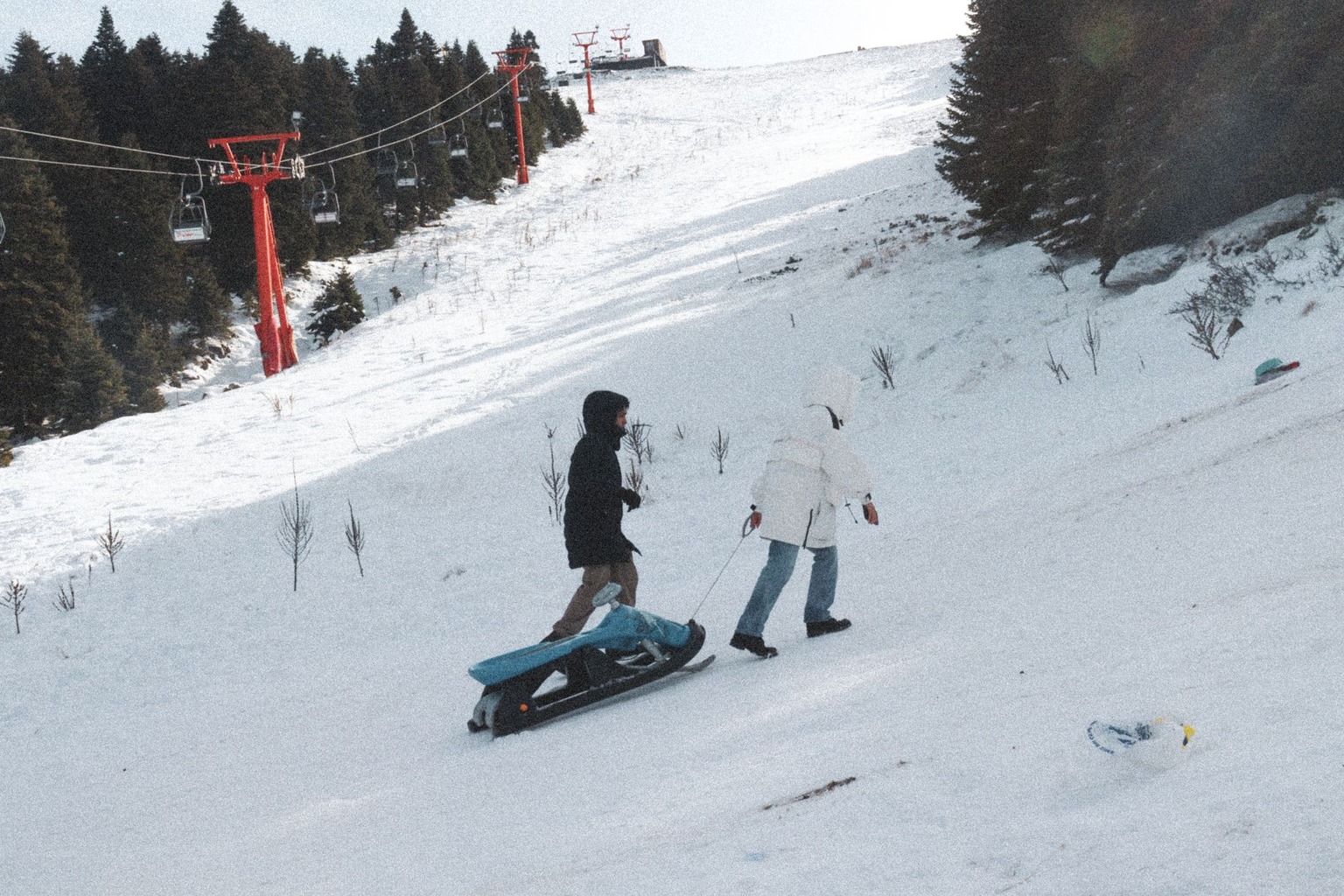
Another effective method is resistance training using elastic bands or sleds. These tools allow trainers to apply progressive resistance without straining a greyhound’s joints, which are already under immense stress during races. For instance, a greyhound might pull a sled at 50 percent of its racing weight for 50 meters, then recover before repeating. This builds strength in the legs and core without the risk of injury associated with heavy weights. The key is specificity, every exercise should mirror the movements of racing as closely as possible. A greyhound’s stride is unique, and conditioning that doesn’t account for that won’t translate to the track. For example, treadmill work with an incline set to 3 degrees can simulate the slight uphill angle of a track’s final straight, reinforcing the muscles used in racing.
Nutrition as a Performance Booster: Fueling for Endurance
No endurance program works without proper nutrition, and greyhounds have unique dietary needs compared to other breeds. Their high-protein, low-fat diet supports muscle repair and energy production, but endurance training demands even more precise fueling. Carbohydrates become the primary energy source during prolonged effort, so trainers often adjust a dog’s diet to include easily digestible carbs like rice or sweet potatoes before long sessions. For example, a greyhound racing in the afternoon might receive a pre-race meal of cooked chicken and rice 4 to 6 hours before the event to ensure glycogen stores are full. Hydration is equally critical, greyhounds racing in hot conditions can lose up to 2 liters of water per hour, so trainers monitor fluid intake closely, often using electrolyte-enhanced water to prevent cramping.
The timing of meals matters just as much as the content. A greyhound’s digestive system isn’t designed to process large meals right before a race, so trainers use smaller, frequent meals to avoid gastrointestinal upset. For instance, a dog scheduled for an early-morning race might eat a light breakfast of boiled egg and pumpkin 2 hours before the session. Post-workout, trainers prioritize protein to repair muscle and complex carbs to replenish glycogen. A typical recovery meal might include lean beef, quinoa, and steamed vegetables, served within 30 minutes of finishing a session. This approach ensures the dog’s body has the fuel it needs to recover efficiently and perform at its best in subsequent sessions.
Mental Toughness: The Unseen Factor in Endurance
Endurance isn’t just a physical challenge, it’s a mental one. A greyhound that can hold its pace for 500 meters must also manage the stress of fatigue, pain, and the pressure of competition. Mental conditioning is often overlooked but is just as important as physical training. One effective method is gradual exposure to race-like conditions. For example, trainers might start with short, high-intensity sessions where the dog is encouraged to push through discomfort. Over time, this builds resilience, so the dog learns to associate fatigue with progress rather than fear. A classic example is the “negative split” drill, where a greyhound is encouraged to accelerate in the final stretch of a training run, even when it feels exhausted. This reinforces the idea that the finish line is within reach, no matter how tough the middle of the race gets.
Another psychological tool is positive reinforcement during endurance training. Greyhounds respond well to praise and rewards when they maintain their pace, even if it’s difficult. For instance, a trainer might use a clicker to mark the moment a dog holds its speed through a tough interval, followed by a treat and verbal encouragement. This creates a positive association with sustained effort, making the dog more likely to repeat the behavior in races. Additionally, trainers often incorporate mental breaks into long training sessions. For example, after a grueling hill repeat, a greyhound might get a short play session or a walk in a new environment to reset its focus. This prevents mental fatigue from setting in, ensuring the dog stays engaged and motivated throughout training.
Recovery: The Forgotten Link in Endurance Training
Even the most advanced endurance program fails if recovery isn’t prioritized. Greyhounds, like all athletes, need time to repair and adapt after intense training. Active recovery, such as light trotting or swimming, helps flush out metabolic waste while keeping the dog’s cardiovascular system engaged without stress. For example, a greyhound might spend 20 minutes swimming after a hard session, which reduces joint impact while promoting blood flow to muscles. This approach accelerates recovery without the downtime of complete rest. Massage and stretching are also critical. A greyhound’s tight muscles can limit its stride, so trainers often use targeted massage to release tension in the shoulders and hips, areas prone to stiffness from racing. Post-session stretching, particularly of the hamstrings and quadriceps, helps maintain flexibility and prevents injuries.
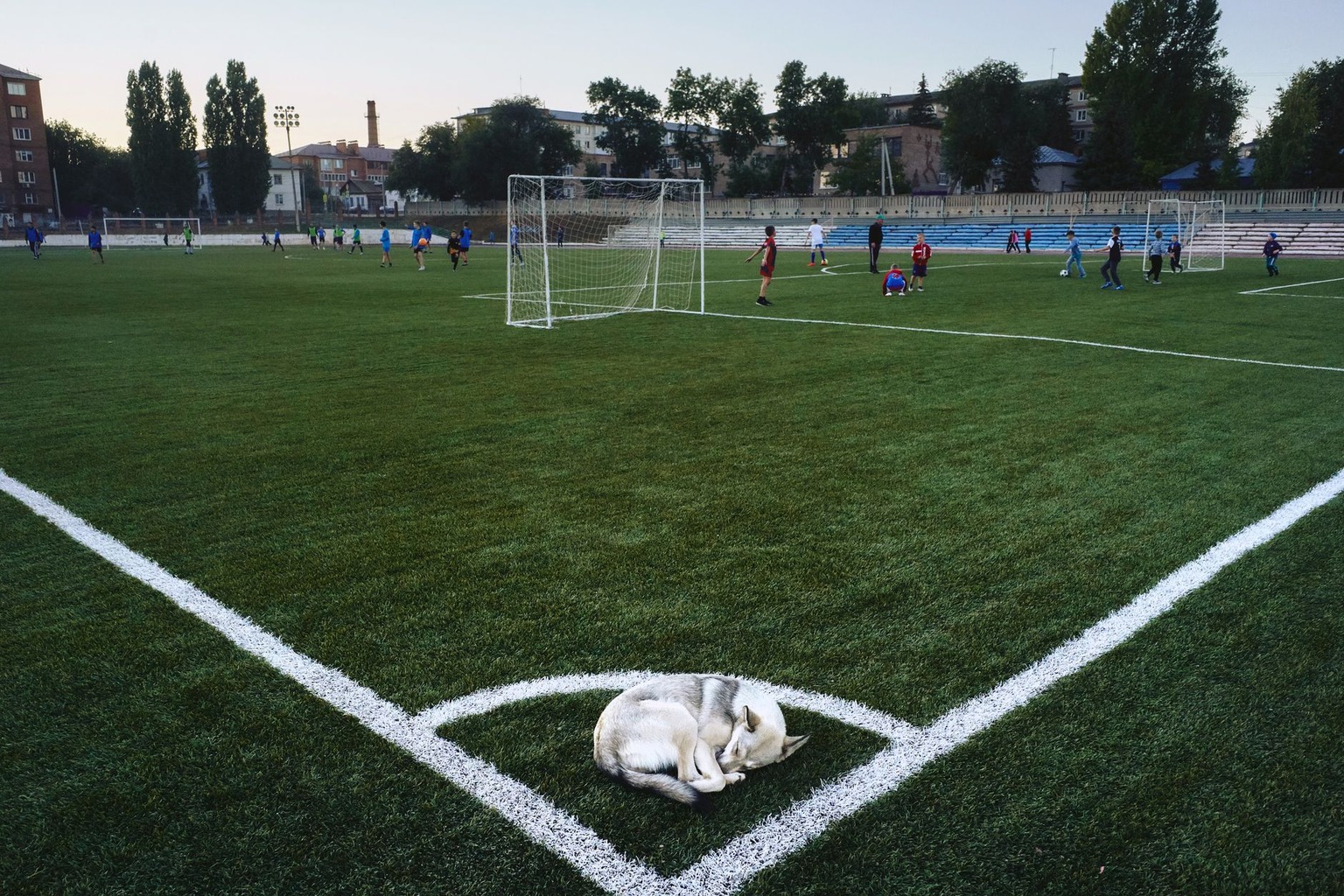
The sleep cycle is another often-overlooked factor. Greyhounds need 12 to 14 hours of sleep daily to recover, and trainers must respect this need. Kennels should be quiet and dark during rest periods, and trainers should avoid disturbing the dogs during their most active sleep phases. Additionally, recovery isn’t just physical, it’s mental. A greyhound that’s mentally exhausted from overstimulation will perform poorly, even if its body is fit. Trainers use techniques like calming music or pheromone diffusers to create a relaxing environment. For instance, a greyhound recovering from a tough week might spend its downtime in a kennel with soft bedding and ambient sounds like ocean waves, which can lower stress hormones. This holistic approach ensures the dog’s body and mind are both ready for the next challenge.
Tracking Progress: Data-Driven Endurance Training
Endurance training isn’t guesswork, it’s science. Modern trainers use data to fine-tune their programs, from heart rate monitors to GPS trackers. A greyhound’s heart rate during training can reveal whether it’s working at the right intensity. For example, if a dog’s heart rate spikes above 240 bpm during an interval, it’s likely pushing too hard and risking injury. Conversely, if it stays below 180 bpm, the session isn’t challenging enough to build endurance. GPS trackers provide even more insight, showing exactly how a dog’s speed and stride length change over time. For instance, a trainer might notice that a greyhound’s stride length decreases by 10 percent in the final 100 meters of a race, indicating fatigue. By analyzing this data, trainers can adjust training to improve the dog’s ability to maintain stride efficiency under fatigue.
The best programs incorporate regular performance tests to track progress. For example, a trainer might run a greyhound on a treadmill at a fixed speed and measure how long it can maintain that pace before slowing down. Over weeks of training, this duration should increase, indicating improved endurance. Another test is the “time trial,” where a dog races against itself on the track, with times recorded to track improvements. These tests aren’t just about speed, they’re about consistency. A greyhound that can hold its pace for 400 meters in training but collapses at 450 is still far from race-ready. By using data to identify weaknesses, trainers can target them with specific drills, ensuring the dog’s endurance improves holistically. This precision approach separates good trainers from great ones in the world of racing greyhounds.

Growing up near the local track, I developed a lifelong fascination with the athleticism and strategy behind greyhound racing. I spend my free time analyzing past performances and studying breeding lines to better understand the nuances of every race. Sharing insights and celebrating the incredible speed of these dogs is what keeps me passionate about the sport.