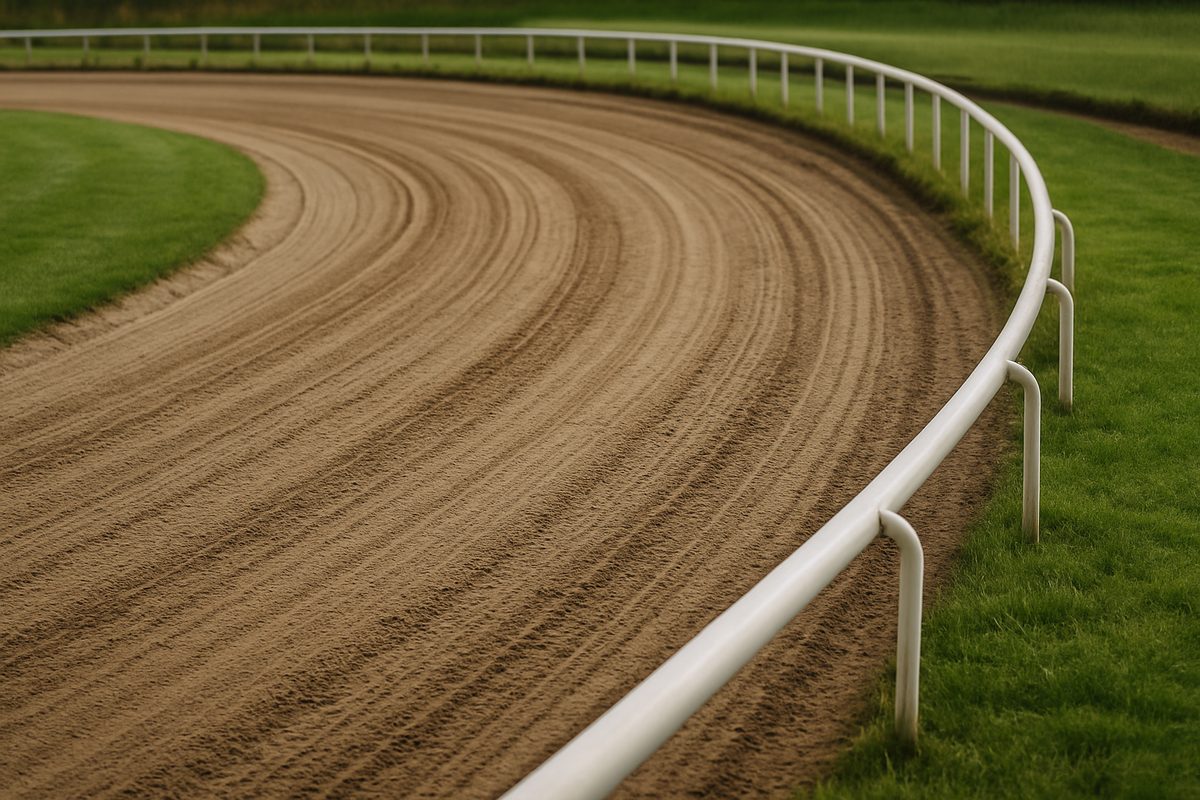
Overview of Greyhound Track Conditions
Greyhound track conditions refer to the state and quality of the surfaces on which greyhound races take place. These conditions are a critical factor in the overall performance of racing greyhounds and directly impact their safety and well-being. From the texture of the race surfaces to how well-maintained the track is, every detail plays a significant role in the event of a greyhound race.
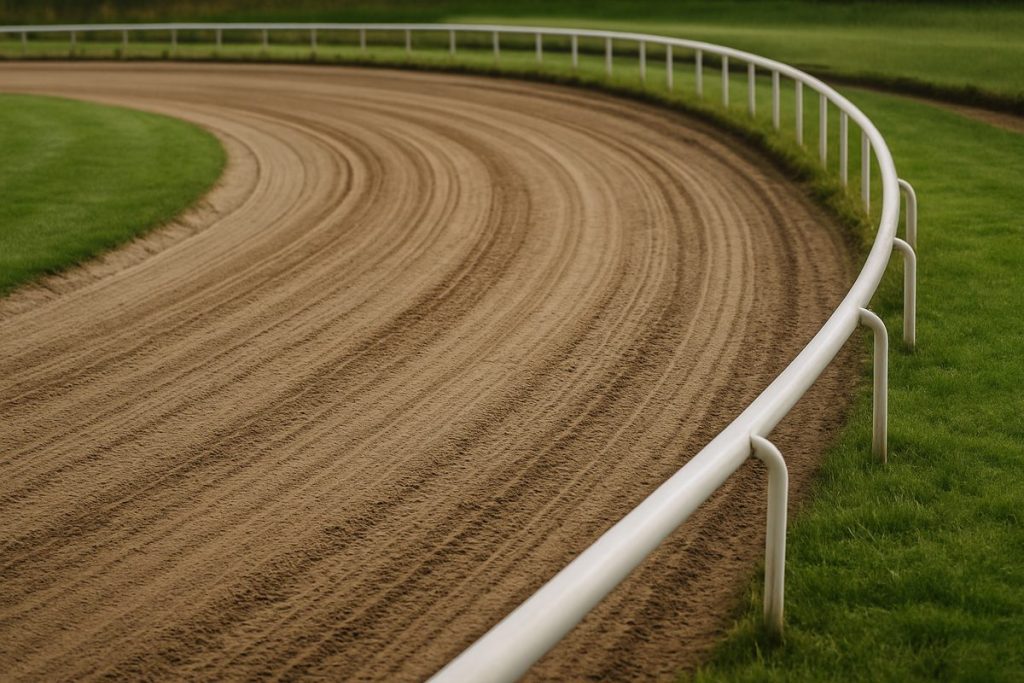
Race surfaces on greyhound tracks can vary but typically include sand or loam that is groomed regularly to provide a consistent running surface. The condition of these surfaces affects the traction and speed at which the greyhounds can run. If the track is too hard or too soft, it can alter the way the dogs perform, potentially leading to slower race times and an increased risk of injury. Proper moisture levels are also essential; a well-watered track reduces dust and helps maintain firmness, while a dry track can become loose and potentially hazardous.
Maintaining optimal track conditions requires ongoing attention from track managers and maintenance crews. They must monitor weather conditions closely since rain, heat, or cold can rapidly change the track’s condition. For example, heavy rain can make the surface slippery or heavy, impacting the greyhounds’ footing and safety. Conversely, extreme dryness can cause the surface to become dusty and uneven. Consistent conditioning of the track ensures that it remains safe, fair, and competitive for all racing events.
In addition to performance, track conditions are fundamentally linked to the safety of the greyhounds. Poorly maintained or unsuitable race surfaces increase the likelihood of injuries such as sprains, strains, or even fractures. Responsible track management prioritizes the health of the dogs by ensuring the surface is always in an optimal condition, thereby reducing the risk of accidents during races.
In summary, greyhound tracks and their conditions are not just about aesthetics or track appearance. They directly influence racing outcomes and the safety of the participants. Race surfaces must be carefully managed and tailored to provide the best environment for the greyhounds to perform at their peak while minimizing the potential for injury. Understanding and prioritizing track conditions is essential for the integrity and success of greyhound racing as a sport.
Types of Track Surfaces
Greyhound racing tracks primarily use three types of surfaces: sand tracks, dirt tracks, and synthetic tracks. Each surface brings unique characteristics that affect the racing experience and the dogs’ performance. Sand tracks are among the most common and are valued for their excellent drainage capabilities, allowing races to proceed even in wet conditions. The texture of sand provides a good grip for greyhounds, helping to reduce slipping and injuries. However, maintenance is crucial to keep the surface level and free of hard spots.
Dirt tracks are another traditional surface used in greyhound racing. Dirt consists of finely crushed soil that offers a natural running feel, often preferred for its softer impact on the greyhounds’ joints. However, dirt can become compacted or muddy depending on weather, which might affect traction and consistency during races. Track operators must regularly water and groom dirt surfaces to maintain optimal conditions.
Synthetic tracks represent a more modern advancement designed to combine the benefits of natural and artificial materials. These tracks usually incorporate a blend of fibers, rubber, and other cushioning materials to create a consistent and uniform surface. Synthetic tracks are praised for their durability and reduced maintenance compared to sand and dirt, as well as their ability to minimize injuries by offering better shock absorption. While synthetic surfaces can be more expensive to install, they are increasingly popular in competitive greyhound racing for providing safer and more reliable racing conditions.
Factors Affecting Track Conditions
Track conditions at greyhound racing venues are influenced by several critical factors, including weather impact, maintenance routines, and the degree of track wear caused by frequent use. Weather plays a significant role in determining the track’s state; heavy rain can lead to waterlogging, making the surface slippery and unsafe for the dogs, while prolonged dry spells can harden the track, increasing the risk of injury. Temperature fluctuations also affect the track material’s consistency, requiring ongoing adjustments to maintain optimal conditions.
Maintenance is essential to counteract the effects of weather and usage on the track. Regular grooming helps redistribute the track surface evenly, preventing the formation of ruts and holes that could hinder performance or cause accidents. Maintenance teams often apply specialized materials to improve drainage and surface firmness, ensuring the track remains safe and reliable for racing events. Without consistent upkeep, even minor imperfections can escalate quickly, compromising the integrity of the racing environment.
Track wear is another major factor, especially at busy venues where races occur frequently. The cumulative impact of numerous races leads to surface degradation, including compaction and erosion, which reduce traction and can stress the greyhounds more than usual. Operators must balance scheduling demands with adequate recovery time and maintenance to preserve track quality. In sum, managing the interplay of weather impact, diligent maintenance, and controlling track wear is fundamental to sustaining safe and competitive racing conditions.
Impact of Track Conditions on Greyhound Performance
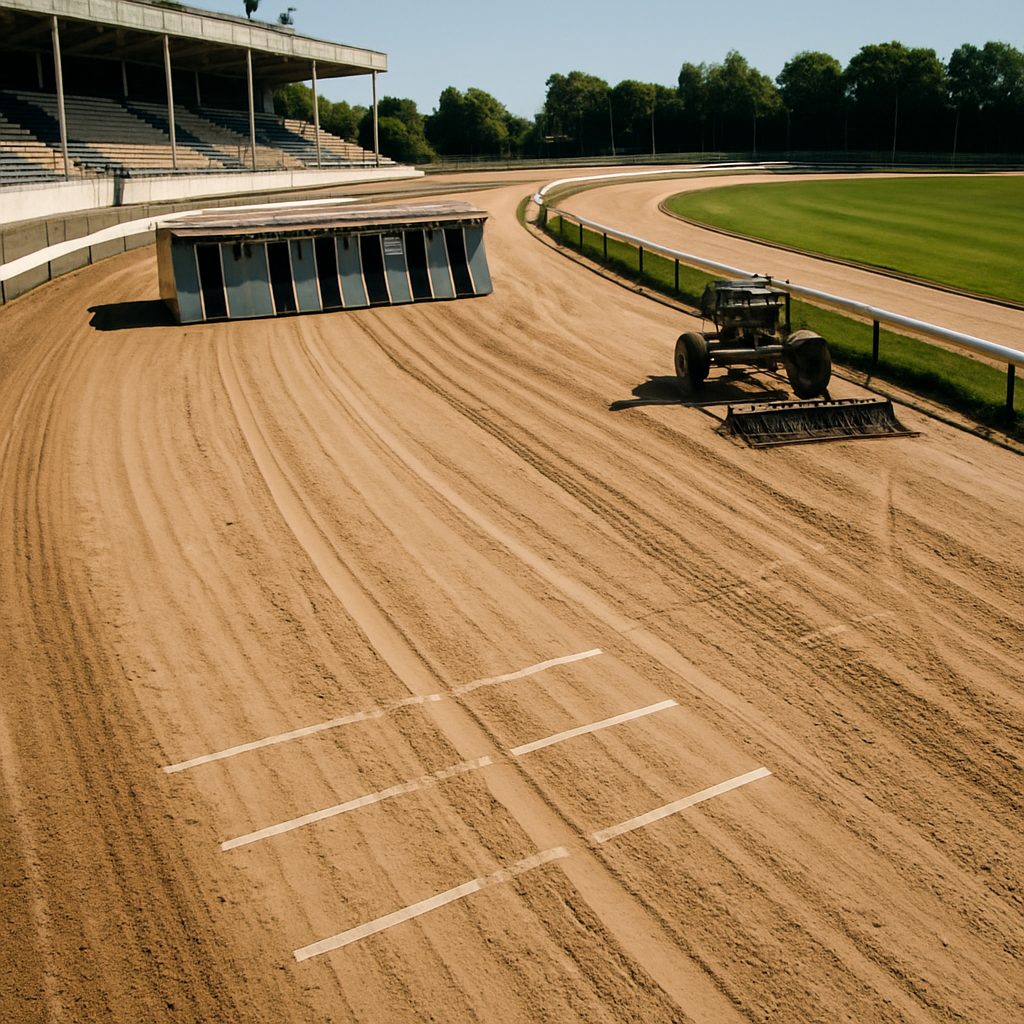
Track conditions play a crucial role in determining greyhound performance during races. Variations in track surface, moisture levels, and maintenance can significantly influence a greyhound’s speed, injury risk, and overall race outcomes. Understanding these factors is essential for trainers, track officials, and enthusiasts aiming to optimize performance and safety.
One of the primary ways track conditions affect performance is through their impact on race times. A well-maintained, dry track generally offers the best traction, enabling greyhounds to run at peak speeds. Conversely, wet or muddy tracks can slow down dogs by reducing grip and increasing the effort required to maintain pace. This reduction in traction often leads to slower race times and can influence racing strategies as trainers may adjust their expectations based on forecasted or observed track conditions.
In terms of safety, track conditions are directly linked to injury risk. Hard, compacted tracks can increase the chance of joint strain, paw pad injuries, or muscle pulls as the greyhounds’ limbs endure higher impact forces. On the other hand, tracks that are excessively soft or waterlogged can create unstable footing, resulting in slips, falls, and possible ligament damage. Proper maintenance to balance firmness with cushioning can help mitigate these risks, ensuring safety without compromising speed.
Moreover, the consistency of track conditions throughout the race event affects the fairness and predictability of outcomes. Tracks that vary significantly in different sections—such as patches of dryness amid dampness—can cause uneven footing, challenging greyhounds to adapt mid-race. This inconsistency might skew race results, benefiting dogs with better adaptability or experience on certain surfaces.
Ultimately, the impact of track conditions extends beyond just a single race, influencing training regimens and long-term career longevity of greyhounds. Trainers often consider track conditions when preparing their dogs, tailoring workouts to simulate expected conditions or emphasizing recovery to prevent injury. By monitoring and optimizing track conditions, racing venues can enhance the athletic performance of greyhounds while safeguarding their health, leading to more competitive and safer races overall.
Safety Concerns and Injury Risks
Poor track conditions can significantly increase the risk of injuries to greyhounds during races. Uneven surfaces, hard or overly slick tracks, and unexpected track hazards such as debris or poorly maintained sections contribute to unsafe racing environments. These conditions can cause dogs to slip, trip, or suffer strain injuries, ultimately compromising their well-being and career longevity.
It is vital for track operators to regularly inspect and maintain the track to ensure it meets safety standards. Measures to minimize injuries include proper track surface preparation, such as consistent grading and adequate cushioning, to reduce impact stress on the greyhounds’ legs and joints. Additionally, promptly removing any hazardous objects and ensuring clear visibility of the racing lane helps prevent accidents.
Investing in high-quality drainage systems also plays a crucial role in safe racing, preventing the track from becoming waterlogged or muddy after rain, which can increase injury risks. Moreover, track staff should be trained to recognize and address hazards that could jeopardize the greyhounds’ safety. These preventive efforts collectively contribute to a safer racing environment that prioritizes the health and protection of all dogs involved.
Effect on Race Strategy and Training
Trainers and racers must carefully consider track conditions when planning their race strategy and training adjustments. Varying track surfaces—whether fast and dry, muddy, or heavy—demand different approaches to ensure optimal performance and safety. Trainers closely monitor weather forecasts and track reports to anticipate these condition shifts and modify their dogs’ workouts accordingly.
In dry, firm conditions, training tends to focus on outright speed and explosive starts, allowing greyhounds to capitalize on the firm traction. Conversely, in softer or heavier tracks, training adjustments emphasize endurance and strength, preparing the dogs to handle the extra resistance without risking injury. This condition adaptation helps maintain peak fitness and minimizes fatigue over the race distance.
Race strategy also shifts based on the track’s state. On wet or yielding surfaces, trainers may advise a more cautious pace for their greyhounds to conserve energy and avoid slipping, while in ideal conditions, a more aggressive approach to securing an early lead might be favored. These strategic modifications are crucial to enhancing race outcomes and managing the physical demands placed on the dogs. Ultimately, successful trainers blend their knowledge of condition adaptation with tailored training adjustments to give their greyhounds the best chance of winning regardless of track challenges.
Track Maintenance and Improvement Practices
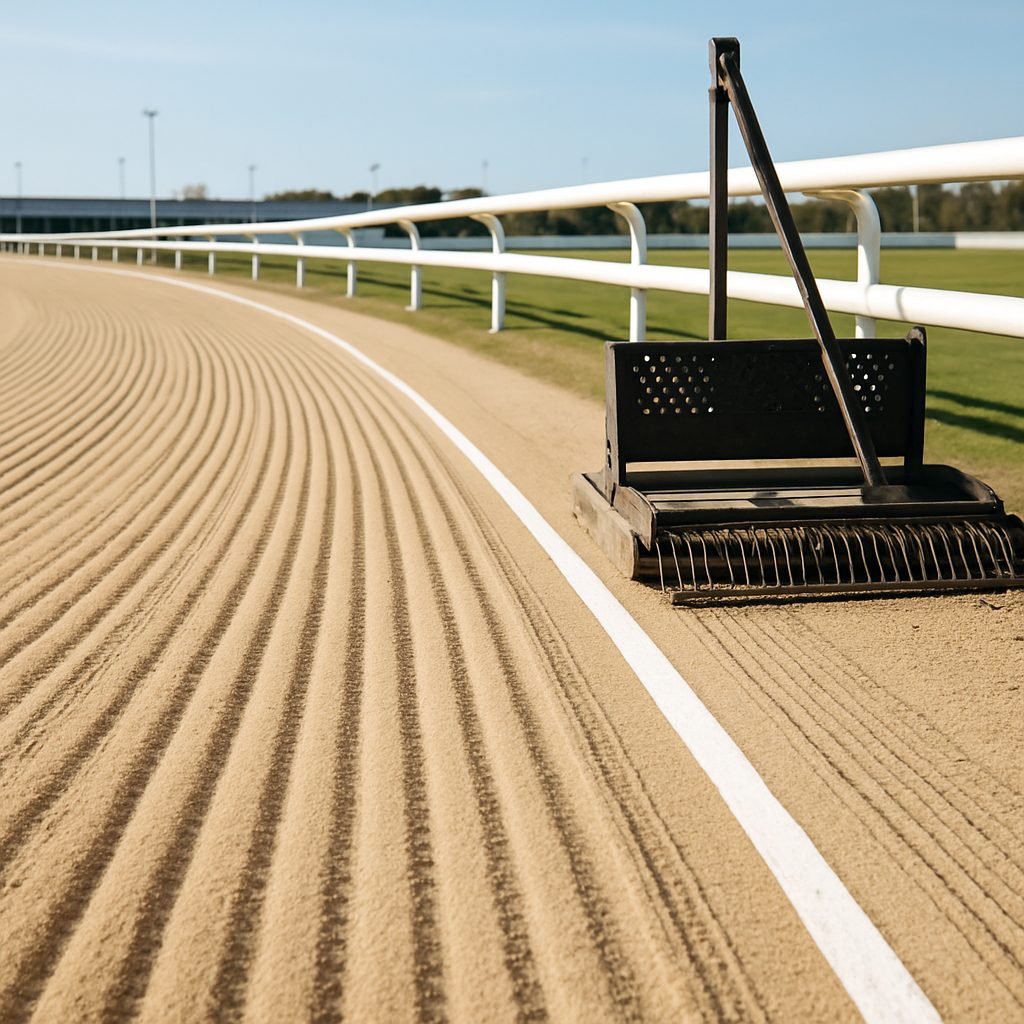
Maintaining optimal track conditions is essential for ensuring the safety and performance of greyhounds during races. Track maintenance involves a combination of routine practices and innovative improvement techniques tailored specifically to the demands of greyhound racing. These efforts focus on preserving the track’s surface integrity, enhancing traction, and minimizing injury risks for the dogs.
Common track maintenance practices include daily grooming and leveling of the racing surface to prevent uneven spots that could disrupt a greyhound’s stride. Groundskeepers use specialized equipment like drag mats and rollers to smooth the surface, remove debris, and consistently redistribute track material. Proper drainage is another critical aspect, as water accumulation can soften the track and create hazardous conditions. To combat this, drainage systems are installed beneath the surface, and regular checks ensure they function effectively.
Improvement techniques have evolved with advancements in sports surface science. One popular approach is the application of surface treatments designed to enhance durability and grip. These treatments often involve binding agents mixed with sand or other materials to create a more resilient track that maintains consistency under heavy use and varying weather conditions. Innovations such as polymer additives improve soil cohesion, reducing dust and erosion while optimizing traction for the greyhounds.
Technology has also played a role in advancing track maintenance. Automated laser grading systems allow precise leveling of the track, creating an even running surface that promotes fair racing conditions. Additionally, some tracks incorporate sensors to monitor moisture levels, temperature, and compaction in real time, enabling proactive adjustments to maintain the ideal track condition throughout race days.
Continuous research and testing of new materials and maintenance methods contribute to ongoing improvements in track care. Many facilities now invest in eco-friendly surface treatments that not only enhance performance but also reduce environmental impact. Implementing these best practices ensures the longevity of the track, protects the wellbeing of the greyhounds, and upholds the integrity of competitive racing.
Routine Maintenance Procedures
Daily grooming is a fundamental maintenance task that ensures the greyhound track remains safe and competitive. Track operators begin each day by meticulously grooming the surface to remove debris, smooth out footprints, and maintain consistent firmness. This preparation helps to reduce injury risks for the racing greyhounds and provides a reliable racing surface.
In addition to grooming, watering tracks is an essential practice to control dust and maintain the right moisture level in the surface material. Proper watering keeps the track from becoming either too hard or too loose, both of which can negatively affect race conditions. Operators carefully monitor weather conditions to adjust watering schedules and volumes accordingly.
Surface leveling is another critical task performed regularly, usually on a weekly basis. Track maintenance crews use specialized equipment to grade and level the track surface, addressing any ruts or uneven spots that may have formed during races or due to environmental factors. This ensures uniformity across the entire track, promoting fairness and safety for all competitors.
Through these routine maintenance procedures—daily grooming, watering tracks, and weekly surface leveling—track operators uphold the quality and integrity of greyhound racing environments. Consistent upkeep not only enhances performance but also safeguards the welfare of the animals, making it a vital part of every racing day.
Technological Advances in Track Care
Modern track technology has revolutionized the way greyhound tracks are maintained and monitored, ensuring optimal conditions for racing while enhancing safety for the dogs. One of the key innovations is the use of advanced surface sensors embedded within the track. These sensors provide real-time data on various factors such as moisture levels, temperature, and track firmness, which are critical for maintaining the ideal racing surface.
Automated maintenance systems are becoming increasingly common, utilizing the data collected by surface sensors to make informed decisions about track care. For example, irrigation systems can be programmed to respond automatically to dry conditions detected by the sensors, ensuring the track surface remains consistent and safe. Likewise, specialized machinery can adjust the track’s grading and compactness without manual intervention, reducing downtime and labor costs.
These technological advances not only improve the quality and safety of the racing surface but also enhance the efficiency and precision of maintenance routines. By leveraging track technology such as surface sensors and automated maintenance equipment, greyhound tracks can maintain consistent conditions that promote peak performance and reduce injury risks for the racing dogs. This shift towards technology-driven track care represents a significant step forward in the industry’s commitment to animal welfare and competitive integrity.

Growing up near the local track, I developed a lifelong fascination with the athleticism and strategy behind greyhound racing. I spend my free time analyzing past performances and studying breeding lines to better understand the nuances of every race. Sharing insights and celebrating the incredible speed of these dogs is what keeps me passionate about the sport.