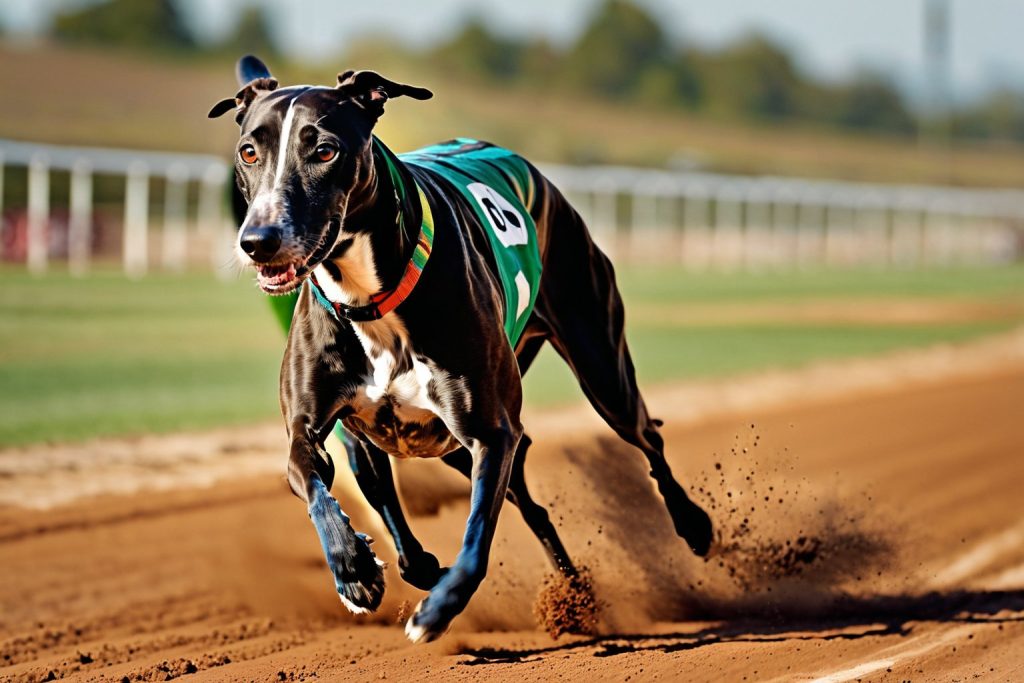
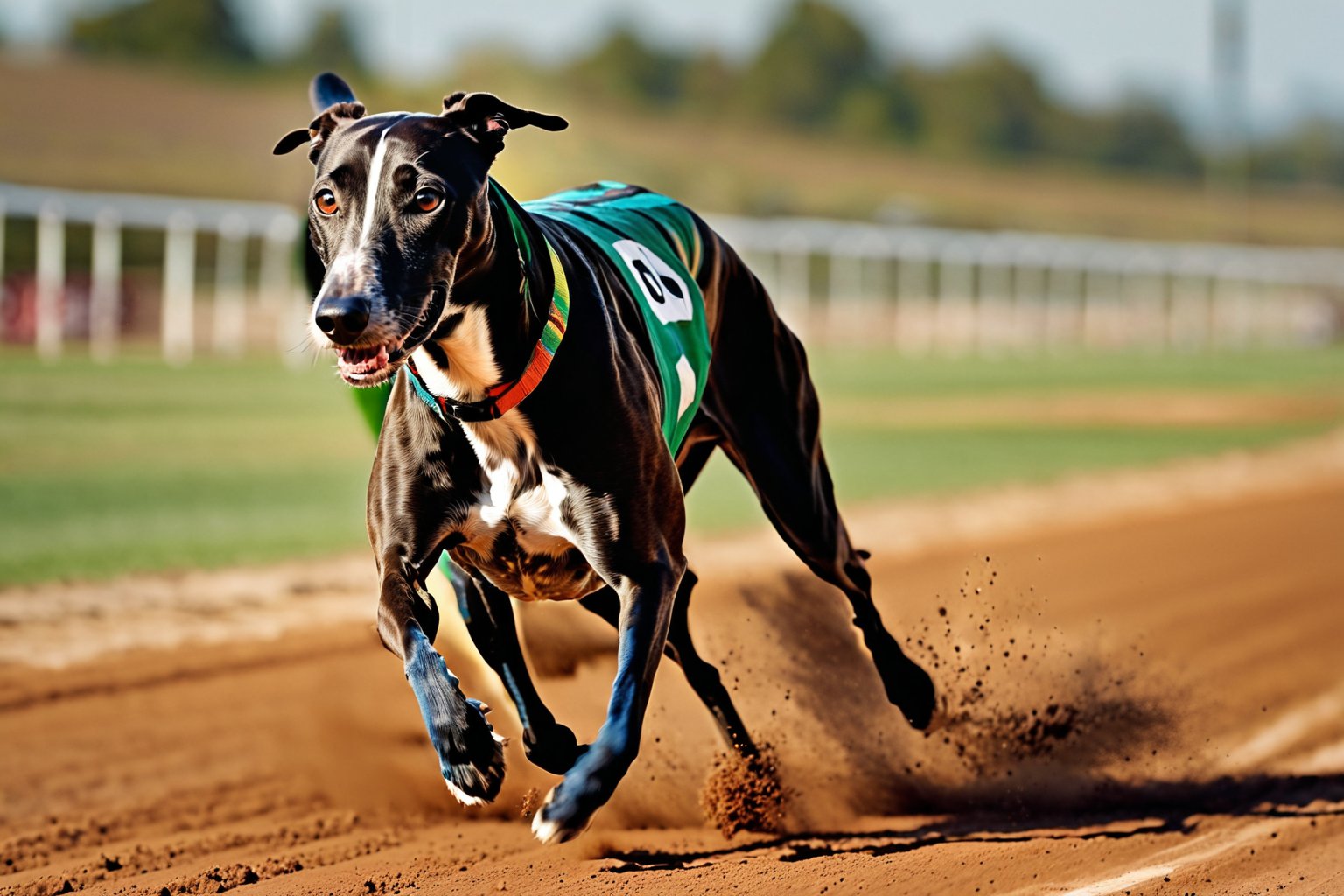
Greyhounds hit roughly 45 mph in bursts, but sustaining pace near 40 mph across a full race demands precise biomechanical efficiency that separates top-tier athletes from average racers. High-speed camera analysis reveals that the difference between a winner and a mid-pack finisher often lies in stride length, ground contact time, and joint angles during the final stretch of the run. Understanding greyhound speed mechanics allows trainers to identify subtle form breakdowns before they become visible injuries or performance drops on the track. The visual data captured at 1000 frames per second offers a level of detail that casual observation simply cannot provide, turning abstract concepts like “loose stride” into measurable degrees and milliseconds.
Stride Frequency Versus Stride Length
When comparing elite greyhound performances, the primary debate centers on whether speed comes from faster leg turnover or longer steps. High-speed footage shows that most top dogs achieve their peak velocity through a combination of both, but the balance shifts depending on the dog’s build and track conditions. A shorter, muscular greyhound might rely on higher stride frequency to maintain momentum, while a leaner, longer-legged dog extends each step to cover more ground per cycle. Trainers watching these videos learn to distinguish between natural variation and actual inefficiency in how the legs cycle through the air.
The data suggests that stride length tends to dominate during the acceleration phase, where the dog needs to build speed quickly from the starting box. As the dog reaches cruising speed, however, stride frequency becomes the limiting factor for maintaining top velocity without exhausting the muscles. A dog that over-reaches its stride in an attempt to go faster often loses traction and wastes energy, a flaw that is glaringly obvious in slow-motion playback. Conversely, a dog that cycles too quickly without extending its reach burns through glycogen reserves prematurely, leading to a sluggish finish.
Ground Contact Time and Traction
One of the most critical metrics visible in high-speed analysis is the duration of ground contact, which for a top greyhound hovers around 0.1 seconds per footfall. This brief window determines how much force the dog can push against the track to propel itself forward, making surface conditions and shoe fit vital factors in performance. If the paws slip even slightly during this contact phase, the energy generated by the hindquarters dissipates into friction rather than forward motion, causing a measurable drop in speed. Analysts look for “skid marks” in the video where the paw does not plant firmly, indicating either a wet track or an improperly fitted racing shoe.
Comparing different dogs reveals that those with shorter ground contact times often appear to float, but this illusion masks the immense power required to push off so quickly. A dog with longer ground contact time might seem more stable, yet it risks losing stride rhythm and failing to reach the optimal flight phase duration. The ideal balance allows the paw to strike, drive backward with maximum force, and release before the leg fully extends overhead. Trainers use this timing data to adjust training schedules, ensuring dogs practice on surfaces that replicate the specific traction levels they will face on race day.
Hindquarter Drive and Hip Angle
The hindquarters generate the majority of a greyhound’s forward thrust, and high-speed cameras focus heavily on hip joint angles to evaluate drive efficiency. Top performers typically exhibit hip extension angles that maximize muscle contraction without overstretching the tendons, creating a powerful whip-like action from the shoulder to the tail. When the hip angle is too acute or too flat, the dog loses mechanical advantage, resulting in a choppy motion that reduces top speed by several miles per hour. This dimension of analysis helps identify dogs that are physically capable of high speeds but are technically limited by their own form.

In comparing race footage from different tracks, analysts note that wind direction and track banking can subtly alter the required hip angle for optimal performance. A dog running into a headwind must adjust its stride to keep the hindquarters driving harder against air resistance, which often forces a slightly more upright posture. This adjustment consumes extra energy, explaining why some dogs perform significantly better on certain days than others despite identical training regimens. By isolating this variable, trainers can predict how a specific dog will handle adverse weather conditions during major competitions.
Front End Stability and Steering
While the hindquarters provide power, the front end handles steering and balance, which becomes critical when navigating tight corners or avoiding obstacles in the pack. High-speed analysis shows that top greyhounds maintain a narrow, aerodynamic profile with their front legs aligned directly beneath the center of gravity. Any deviation in shoulder alignment causes drag and reduces the effectiveness of the hindquarter drive, acting as a brake on the dog’s momentum. This dimension of comparison reveals why some dogs appear to “wander” in their stride while others lock onto a straight line with laser precision.
The ability to adjust front leg placement in real time separates elite racers from average competitors, particularly during the chaotic moments of the start and the final drive to the finish. A dog that can subtly shift its weight to maintain balance without breaking stride retains speed advantages that compound over the distance of the race. Trainers study these micro-adjustments to teach dogs how to handle sudden changes in pack dynamics, ensuring they do not waste energy on unnecessary lateral movements. The visual evidence confirms that stability is not just about staying upright but about dynamic alignment with the direction of travel.
Air Resistance and Body Positioning
At speeds near 40 mph, air resistance becomes a significant force that opposes forward motion, making body positioning a crucial factor in maintaining velocity. high-speed cameras capture how top greyhounds tuck their heads and align their spines to minimize the frontal area exposed to the wind. A dog that holds its head high or spreads its legs wide creates a larger parachute effect, requiring more energy to push through the air. This dimension of analysis highlights the aerodynamic efficiency that distinguishes streamlined athletes from those who fight the wind with poor posture.
Comparing dogs of different body shapes reveals that leaner, longer-muzzled greyhounds often have a natural aerodynamic advantage over stockier builds. However, technique can mitigate physical differences, as a well-conditioned dog with perfect form can outperform a physically superior but poorly positioned competitor. Trainers use wind tunnel data and video analysis to coach dogs into maintaining the lowest possible center of gravity during high-speed sprints. The goal is to reduce drag by even a small percentage, which translates to significant time savings over the length of a standard race.
Recovery Phase and Muscle Relaxation
The recovery phase, or the period when the leg swings forward through the air, determines how quickly a greyhound can prepare for the next ground contact. High-speed footage shows that top performers exhibit complete muscle relaxation during this phase, allowing the leg to swing with minimal energy expenditure. Any tension in the muscles during recovery acts as a brake, slowing down the cycle and reducing overall speed. This dimension of comparison emphasizes the importance of mental focus and training in achieving the necessary relaxation under high-stress racing conditions.

Dogs that fail to relax their legs often appear stiff in slow motion, with visible tremors or jerky movements during the swing-through. This inefficiency not only slows them down but also increases the risk of injury due to excessive strain on joints and tendons. Trainers look for smooth, fluid motion in the recovery phase as a key indicator of a healthy, well-conditioned athlete ready for peak performance. By analyzing this specific dimension, they can identify early signs of fatigue or overtraining before they affect race results.
Track Surface Impact on Mechanics
The type of track surface, whether dirt, synthetic, or grass, directly influences the biomechanical demands placed on a greyhound’s body. High-speed analysis compares how dogs adjust their stride length and ground contact time to accommodate different traction levels and firmness. On loose dirt, dogs tend to shorten their strides and increase stride frequency to maintain grip, while on firm synthetic surfaces, they can extend their strides for greater speed. This dimension of comparison helps trainers prepare dogs for specific race conditions by simulating different surface textures in training.
Injuries often correlate with sudden changes in track surface, as the muscles and joints must adapt rapidly to new mechanical loads. A dog that is accustomed to soft footing may struggle on hard surfaces, leading to increased impact forces and potential stress fractures. Trainers monitor these adjustments closely, using video analysis to ensure dogs are not compensating for poor form with excessive muscle tension. Understanding how surface conditions interact with greyhound speed mechanics allows for more precise training plans that protect the athlete’s long-term health.

Growing up near the local track, I developed a lifelong fascination with the athleticism and strategy behind greyhound racing. I spend my free time analyzing past performances and studying breeding lines to better understand the nuances of every race. Sharing insights and celebrating the incredible speed of these dogs is what keeps me passionate about the sport.