Greyhound racing, a sport of immense speed and subtle nuance, combines the raw athleticism of the dogs with the analytical challenge of predicting outcomes. For enthusiasts, bettors, and professionals, moving beyond a casual glance at the odds requires a deep, systematic approach to race analysis. This discipline transforms the flood of available data—race times, form guides, trap draws, and past performances—into a coherent picture of probability. Mastery of greyhound race analysis is not about finding a single magic formula; it is about understanding how various critical factors interact on any given track and under specific conditions. This comprehensive guide will delve into the core components of effective analysis, providing a structured methodology to assess races, identify value, and make informed decisions, whether for sporting interest or wagering purposes.
Decoding the Race Card: The Foundation of All Analysis
Every serious analysis begins with the race card, a document dense with abbreviations, numbers, and symbols that tell the story of each greyhound’s career. The uninitiated may see only names and times, but the expert deciphers a narrative. Key data points include the greyhound’s recent finishing positions, typically shown as a sequence like “32114,” which reveals consistency, recent form, and perhaps a pattern of improvement or decline. The recorded times for these races are crucial, but they must be contextualized; a fast time at a short, tight track like Harlow holds different meaning than a similar time at a spacious, sweeping circuit like Nottingham. The race card also lists the trap number (1-6), the distance of the race, the grade or class (A1, A2, etc.), and often a calculated metric like the Timeform rating or another performance figure that allows for direct comparison between dogs from different races.
Beyond the raw statistics, the comments section is a goldmine of qualitative insight. Notes such as “slow away,” “led early,” “checked first bend,” or “ran on well” provide color to the numerical data. A dog with middling times but multiple comments about being hampered or crowded may be running better than its finishing position suggests. Conversely, a dog with good times but comments like “clear run” or “led throughout” might have benefited from an uncontested race. The true analyst cross-references these comments with the trap draws and known running styles of the other competitors in those past races to build a three-dimensional understanding of each performance. This meticulous study of the race card forms the indispensable bedrock upon which all further, more nuanced analysis is built.
The Critical Importance of Trap Draw and Track Configuration
In greyhound racing, the starting position, or trap draw, is not a minor detail; it is a fundamental variable that can dramatically advantage or disadvantage a runner based on its individual running style and the physical layout of the track. The general principle is that inside traps (1 and 2) are favored on bends, especially at the first turn, as they have the shortest route. Strong, front-running dogs drawn in trap 1 can often secure the rail and dictate the pace. However, traps come with trade-offs. A very fast beginner in trap 6 might have a clear, unimpeded run on the outside, while dogs in the middle traps (3 and 4) are most vulnerable to being squeezed or checked as the pack converges.
The track configuration itself dictates how these trap advantages play out. A track like Romford, with its tight, hairpin bends and short straights, heavily rewards early pace and dogs who can secure an inside line. A slow break from trap 1 at Romford can be catastrophic. In contrast, a track like Nottingham or Central Park, with longer straights and more gradual bends, allows for more recovery and can suit strong finishers or wider-running dogs. The expert analyst always evaluates the trap draw in the context of both the individual dog’s style—is it a fast beginner, a strong railer, a wide runner?—and the specific geometry of the track where the race is being held. This analysis often reveals why a dog with seemingly inferior form might be a serious contender based solely on a perfect draw/track combination.
Analyzing Running Style: Early Pace, Mid-Race, and Finishing Speed
Categorizing greyhounds by their running style is a cornerstone of advanced race analysis. The classic breakdown separates dogs into types based on when they exhibit their peak speed during a race. Early-speed dogs are the flashy beginners, the ones who consistently post the fastest times to the first bend. They aim to clear the field, grab the rail, and never look back. In races lacking other early pace, they can steal an uncontested lead. Mid-race speedsters are those who may not be the quickest away but possess a powerful surge between the first and second bends, often making their move as others tire or encounter traffic. These dogs are particularly dangerous on tracks with a long back straight.
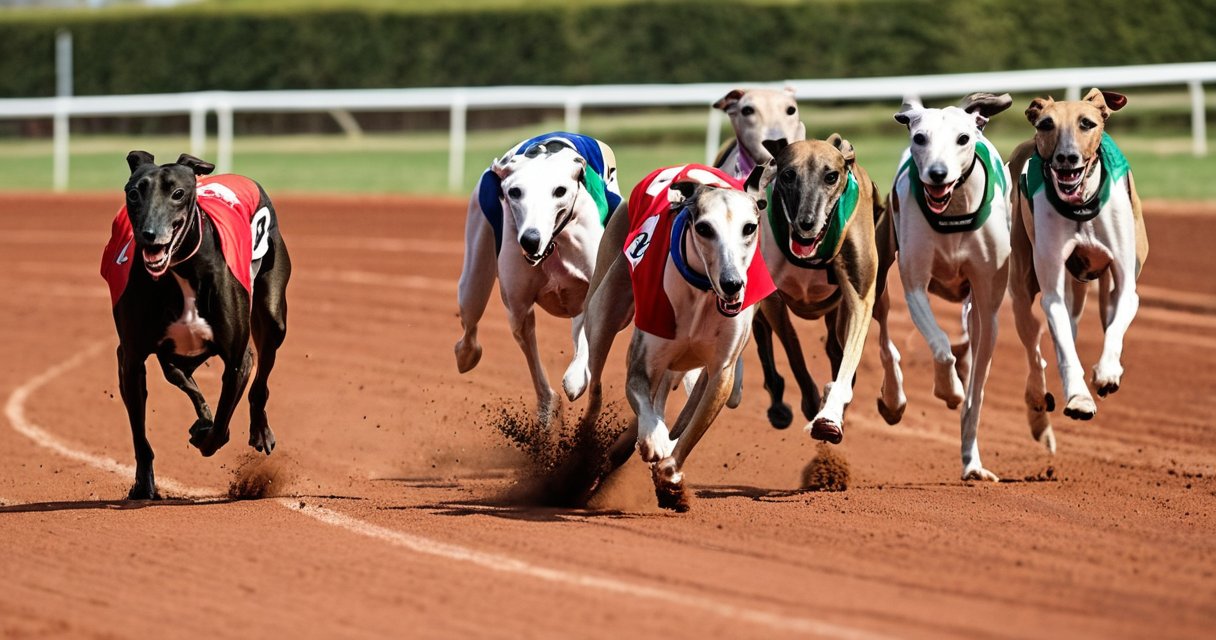
The final category, the strong finishers or closers, are often the most intriguing for value seekers. These dogs may appear to be “slow” or out of contention early, but they possess remarkable stamina and acceleration in the final third of a race. They rely on a strong, often frantic early pace up front that tires out the leaders, setting the stage for a late charge. The key to applying this analysis is not just labeling each dog, but forecasting the dynamics of the specific race. An analyst must ask: How many early-speed dogs are in this race? Will they clash and tangle, creating a meltdown? Is there a single, dominant early pacer who might get a clean lead? The interaction of these running styles creates the race scenario, and predicting that scenario accurately is a significant step towards identifying the most likely winner.
Form Lines, Class, and Consistency Assessment
Form analysis is the process of connecting the performances of different greyhounds through common opponents or similar race conditions, creating a web of comparative evidence. If Dog A beat Dog B by three lengths last week, and Dog B is now facing Dog C, who Dog A previously defeated, one can begin to triangulate their relative abilities. This becomes more powerful when examining the class of race. A dog consistently competing and placing in high-grade A1 races is generally considered superior to one dominating in lower-grade A5 events, even if their winning times appear similar. However, class can be fluid; a dog dropping in grade after tough competition may find a significant edge, while a dog rising in grade faces a sterner test.
Consistency metrics, such as Win Strike Rate (percentage of wins from starts) and Place Strike Rate (percentage of top-three finishes), offer a quantitative view of reliability. A dog with a 25% win strike rate from 20 starts is demonstrably more likely to find the winner’s enclosure than one with a 10% rate. However, these figures must be weighed against recent form. A dog with a high lifetime strike rate but a string of recent poor performances may be past its prime or dealing with an undisclosed issue. Conversely, a younger dog with a lower overall strike rate but a pattern of rapid improvement in its last few outings represents potential. The expert looks for positive form trajectories—a sequence like “5,4,3,2” suggests a dog coming to peak fitness and understanding of racing.
Advanced Factors: Going, Distance Suitability, and Weight
While the core elements of draw, style, and form provide a robust framework, the sophisticated analyst incorporates several additional layers of nuance. The “going,” or track surface condition, is a prime example. Some greyhounds exhibit a distinct preference for a specific surface. A dog noted as a “good going” performer may thrive on a dry, fast track, seeing its times improve markedly. Others may be “soft ground” specialists, better able to handle a wet, slower surface where stamina and power overcome pure sprint speed. Noting performances across different track conditions in a dog’s past is essential.
Distance suitability is another critical filter. Greyhounds are not universally adept at all race lengths. Some are pure sprinters, explosive over 250-300 meters but lacking the stamina for 480 meters or more. Others are dour stayers, who may be outpaced early but grind down the competition over longer trips. Many race cards specify if a dog has won at the advertised distance before, a key piece of information. A related factor is weight; while less discussed than in horse racing, a greyhound’s racing weight and any fluctuations can indicate fitness and condition. A sharp drop in weight might suggest the dog is lean and fit, while an increase could raise questions. These advanced factors often explain puzzling form and can identify dogs poised to outperform their basic ratings.
Synthesizing Information and Identifying Value Bets
The final and most challenging stage of greyhound race analysis is synthesis. This is the art of weighing all the gathered information—trap draw, track configuration, running style clashes, form lines, class, going, and distance—against the available betting odds to identify value. Value exists when your detailed assessment suggests a greyhound’s true chance of winning is higher than the probability implied by its odds. For instance, if your analysis concludes a dog has a 25% chance (implied odds of 3/1), but it is being offered at 6/1, that represents a value opportunity. The market, influenced by public sentiment and simple form reading, often overvalues flashy recent winners and undervalues dogs with hidden advantages like a perfect draw for their style, a return to preferred going, or a beneficial class drop.
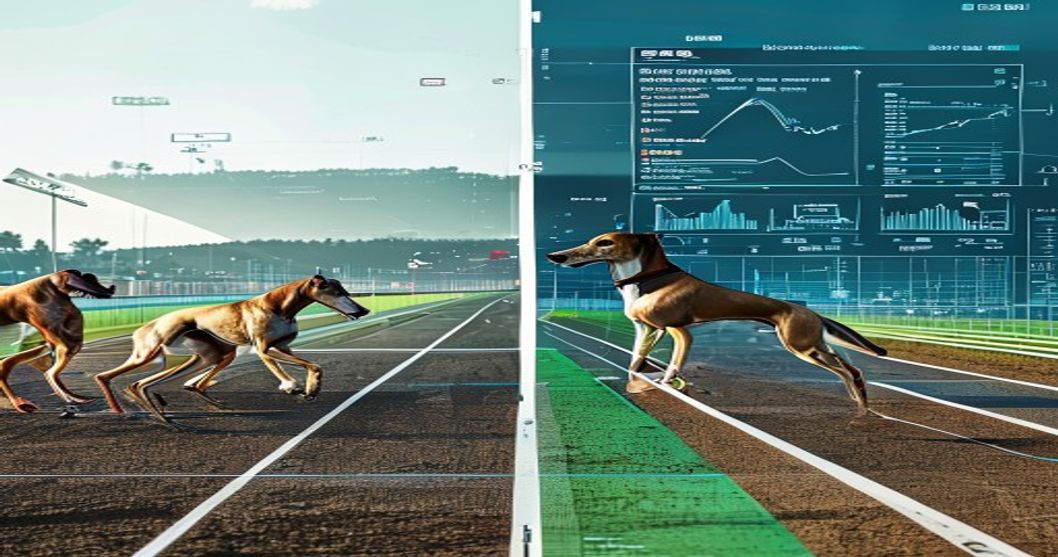
This process requires discipline and the avoidance of emotional attachment to a particular dog. It also involves managing expectations and bankroll. Even the most profound analysis cannot overcome the inherent unpredictability of live sport—a stumble from the traps, a bump at the first bend, or a simple off-day can defeat the strongest selection. Therefore, professional approaches emphasize staking plans, such as betting a consistent percentage of a dedicated bankroll, and avoiding the temptation to chase losses. The goal is not to win every bet, but to make decisions where the odds are in your favor over the long term, allowing the law of averages to work in your favor through consistent, value-driven analysis.
The Ethical Dimension and Modern Context of Greyhound Analysis
No contemporary discussion of greyhound racing can be complete without acknowledging the significant ethical and welfare debates that surround the sport. In recent years, increased scrutiny from animal welfare organizations and legislative bodies, such as the proposed ban in Scotland referenced in some discussions, has brought these issues to the forefront. For the modern analyst, this context is unavoidable. It informs the regulatory environment, affects the public perception of the sport, and influences which tracks and races are available for analysis. A responsible approach to the sport now includes an awareness of the welfare standards at different tracks, the provenance of the greyhounds, and their post-racing life.
This ethical dimension also intersects with analytical integrity. The well-being of the animal directly impacts its performance. Analysts must be attuned to signs that may indicate a dog is not racing at its peak due to welfare or health concerns. Furthermore, the modern analyst operates in a landscape where information is more transparent, and scrutiny is higher. This demands a commitment to using data not merely for profit, but within a framework that respects the animals at the heart of the sport. Ultimately, the most profound form of analysis respects both the intellectual challenge of the race and the physical reality of the competitors, advocating for a sport where excellence is pursued alongside exemplary care and responsibility.

Growing up near the local track, I developed a lifelong fascination with the athleticism and strategy behind greyhound racing. I spend my free time analyzing past performances and studying breeding lines to better understand the nuances of every race. Sharing insights and celebrating the incredible speed of these dogs is what keeps me passionate about the sport.