Overview of Greyhound Race Types
Greyhound racing is a thrilling sport with a variety of race types that test the speed, agility, and strategy of these remarkable dogs. Understanding the different greyhound race types is essential for enthusiasts and bettors alike, as each type offers unique challenges and excitement. This race overview will introduce you to the primary forms of greyhound racing and explain their significance and differences.
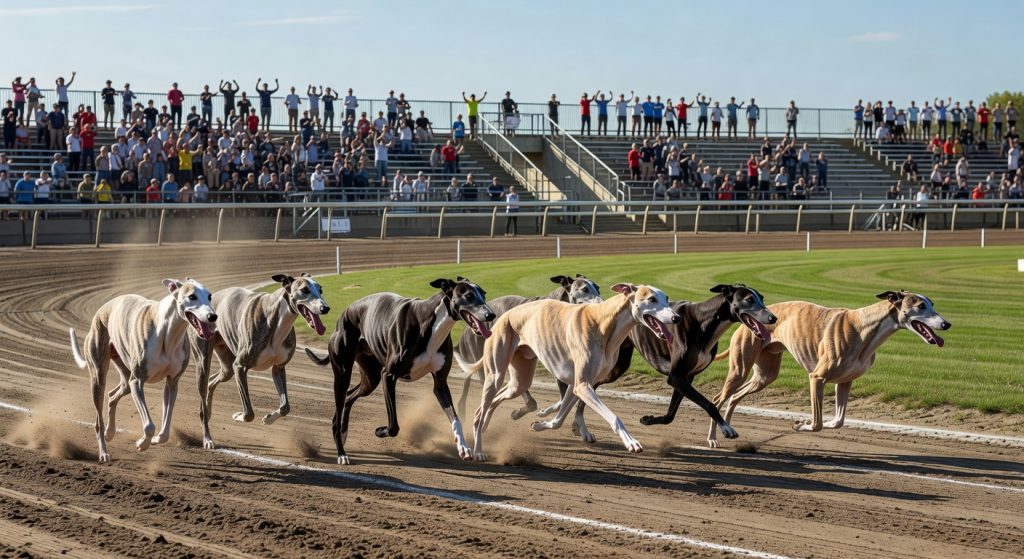
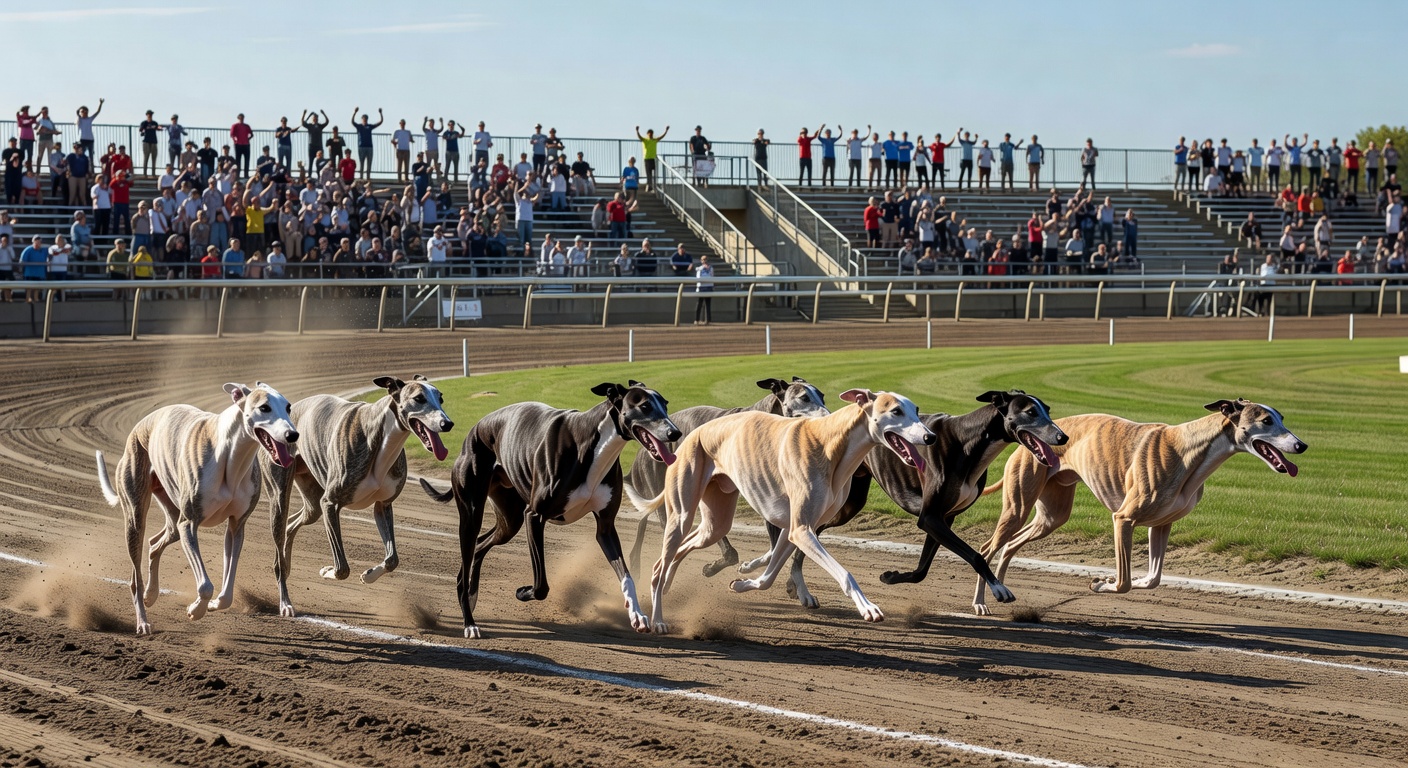
One of the most common greyhound race types is the standard flat race, typically held over distances ranging from 250 to 800 meters. This form focuses purely on speed, where greyhounds sprint around a track chasing a mechanical lure. The flat races are the core of greyhound racing and attract the most attention due to their fast pace and straightforward competition format.
Another important greyhound race type is hurdle racing, which adds an element of jumping to the contest. In these races, dogs leap over hurdles set at intervals along the track. This type of racing requires both speed and agility, testing the greyhounds’ ability to maintain momentum while clearing obstacles. Hurdle races add a thrilling layer of complexity to greyhound racing, making it a favorite for spectators seeking added excitement.
Marathon races represent a third greyhound race type, characterized by longer distances often exceeding 700 meters. These races challenge the endurance of the greyhounds, emphasizing stamina over sheer speed. Marathon events attract a different type of greyhound that is bred and trained for durability, showcasing a grittier side of the sport.
In addition to these primary race types, there are also special events and exhibition races that may feature variations in track surfaces or race formats. Understanding the distinctions between these various race types enhances appreciation of the skills and strategies involved in greyhound racing.
Overall, the diversity of greyhound race types contributes richly to the excitement and appeal of greyhound racing. Whether it is the adrenaline of a flat sprint, the challenge of hurdle jumps, or the endurance test of marathon distances, each race type provides a unique experience for competitors and fans alike.
Standard Distance Races
Standard races in greyhound racing refer to the most common and traditional race lengths that are typically contested at most tracks. These races usually cover distances ranging from approximately 450 to 550 yards, which are considered ideal for testing the balance of speed and stamina in a greyhound. The term “standard races” is used because these distances have become the benchmark for competitive racing, allowing for consistent comparison across different events and venues.
The greyhound distance in standard races is carefully selected to challenge the natural sprinting ability of the dogs while also emphasizing their endurance to maintain that speed throughout the race. This combination sets apart standard races from shorter sprint races or longer marathon events, making them a favorite among trainers, bettors, and race enthusiasts alike. The focus on race lengths within this range promotes a fair competition where the athleticism and training of the greyhounds are crucial to securing a win.
What makes race lengths standard in greyhound racing is their widespread adoption and consistency, enabling a uniform structure to race programming. These distances offer a perfect middle ground that suits most greyhounds’ capabilities, ensuring exciting and competitive races. As a result, standard races remain the cornerstone of greyhound racing, drawing in large crowds and sustaining the sport’s popularity worldwide.
Sprint Races
Sprint races are a thrilling and popular form of greyhound racing, known for their fast pace and short distance requirements. These races typically cover distances ranging from 250 to 400 meters, making them some of the shortest events in the greyhound racing calendar. The hallmark of sprint races is the emphasis on explosive speed and quick acceleration, as greyhounds must reach their top velocity almost immediately after the start.
Fast greyhound races like sprints demand exceptional physical fitness and muscular strength, as the dogs need to maintain high speed throughout the entire race. Greyhounds competing in sprint races are trained to have rapid bursts of energy combined with sharp agility, allowing them to navigate the track efficiently without losing momentum. Because of the short distance, the start is critical; a strong break from the traps can often determine the winner.
Unlike longer distance races where endurance plays a bigger role, sprint races test the greyhounds’ raw speed and acceleration power. These races are extremely exciting for spectators due to the quick and intense nature of the competition, often resulting in very close finishes. Sprint races provide a specialized platform for greyhounds that excel in short distance racing, making them a vital and highly anticipated component of the greyhound racing sport.
Marathon Races
Marathon races in greyhound racing are distinguished by their extended distances, demanding not only speed but exceptional endurance from the competitors. These long distance greyhound contests push the limits of stamina, testing the greyhounds’ ability to maintain a steady pace over a much longer track compared to standard races. Unlike sprint or middle-distance events, marathon races require a unique blend of physical and mental resilience.
Endurance racing in greyhounds is a specialized discipline where coaches and trainers prepare their dogs meticulously for the physical challenges posed by marathon distances. Training focuses heavily on building cardiovascular strength and muscular endurance, ensuring the greyhound can endure the prolonged effort without significant performance drop-off. The strategy also involves pacing and energy conservation to avoid early fatigue.
These marathon races often cover distances that can exceed 700 meters, significantly longer than typical tracks. The long distance greyhound has to balance speed with sustainability, requiring a careful approach that differs from the explosive bursts seen in shorter races. Fans of marathon races appreciate the tactical and endurance aspects, watching the greyhounds navigate these demanding contests with remarkable perseverance and grit.
Overall, marathon races highlight the versatility and stamina of greyhounds, showcasing a different dimension of athleticism in the sport. For trainers and enthusiasts, these events offer a thrilling display of endurance racing, where strategic pacing and long-term resilience are paramount to success.
Specialized Greyhound Race Formats
While traditional greyhound races are the cornerstone of the sport, special race formats introduce exciting variety and challenge, appealing to both participants and spectators. These unique races stand out from standard competitions, showcasing different aspects of the greyhounds’ skill and adaptability. Exploring these special race formats reveals the diversity within greyhound race styles and why they hold a special place in the racing world.
One notable specialized race format is the handicap race. In this style, greyhounds start at different positions on the track based on their past performance or speed ratings. The purpose is to level the playing field, giving every dog a fair chance to win. This format adds strategic depth to the race, as trainers and bettors must consider the impact of the handicaps on race outcomes.
Another unique race format is the purse race, which often involves higher stakes and attracts top-tier greyhounds. These races typically feature substantial prize money and sometimes have qualifying criteria based on past achievements. Such races elevate the competitive atmosphere, drawing attention from enthusiasts eager to witness elite performance.
Marathon and sprint variations also count as special race formats, emphasizing either stamina or speed. Marathon races cover longer distances than standard races, testing the endurance and pacing strategies of greyhounds, while sprint races focus on explosive speed over shorter tracks. Each style demands distinct training approaches and highlights different talents among the dogs.
Additionally, exhibition races and match races offer a different kind of appeal. Exhibition races may feature unusual race conditions or serve as promotional events, often showcasing the greyhounds in a more relaxed, crowd-pleasing environment. Match races, pitting two top contenders head-to-head, underscore intense rivalries and add a dramatic flair to greyhound racing.
These specialized greyhound race formats enrich the sport by introducing fresh excitement and complexity beyond the typical race day. They cater to a wide audience, from casual fans to dedicated followers, ensuring that greyhound racing remains dynamic and engaging. By exploring these distinctive greyhound race styles, enthusiasts can appreciate the varied dimensions of the sport and the unique races that keep audiences captivated.
Handicap Races
Handicap races are designed to level the playing field in greyhound racing, ensuring competitive balance and race fairness. In these races, greyhounds do not all start from the same position; instead, adjustments are made to compensate for differences in ability among the competing dogs. This system is a fundamental part of greyhound handicapping, aimed at giving every dog a fair chance of winning based on their past performance and capability.
The concept of handicap races involves assigning disadvantages to the faster dogs, known as “marks” or “handicaps,” such as starting them a set number of lengths behind the standard starting line. Conversely, slower dogs may be given a head start. The goal is to create more thrilling and unpredictable races by equalizing the chances of victory. This form of greyhound handicapping helps maintain the integrity of the sport and keeps spectators engaged.
Examples of handicap systems include staggered starts, where dogs begin the race at different marks depending on their speed records. Another method is weight handicapping, where additional weights are assigned to faster dogs to balance their physical advantage. The most common system used in greyhound racing, however, involves varying the grid position, effectively adding or subtracting lengths at the start. These systems ensure that each race offers a genuine contest and enhances the competitive spirit inherent in greyhound racing.
Invitation Races
Invitation races are exclusive events in the world of greyhound racing, where participation is limited to selected competitors. Unlike open races, these elite greyhound races invite only the top-performing dogs, making them highly prestigious in the sport. Selection criteria for invitation races typically include past race performance, speed records, consistency, and sometimes the reputation of the dog and trainer. Organizers aim to gather the best talent, ensuring a competitive and thrilling race that showcases superior racing skills.
These invitation-only races hold significant importance in the greyhound racing community. They not only highlight the elite competitors but also provide a platform for special events that attract large audiences and media attention. As elite greyhound races, they often come with higher prize money, drawing even more interest from trainers and owners who aspire to compete at this elevated level. The exclusivity and prestige of invitation races help maintain high standards within the sport and encourage continuous improvement among participants.
Overall, invitation races are more than just competitions; they are special events that celebrate excellence in greyhound racing. By carefully selecting contenders and maintaining a high level of competition, these races contribute to the sport’s reputation and excitement, making them a highlight of the racing calendar for fans and participants alike.
Factors Influencing Choice of Race Type
When it comes to race selection in greyhound racing, multiple factors come into play that significantly influence the decision-making process. One of the paramount considerations is the individual dog’s speed. Some greyhounds possess explosive speed over short distances, making them ideal candidates for sprint races. These race types rely heavily on rapid acceleration and the ability to maintain a high pace for a brief period. Trainers often evaluate a dog’s raw speed during training sessions to determine whether sprint races would be their most suitable competitive environment.
Endurance is another critical aspect when selecting the type of race for a greyhound. Not all dogs are built to sustain top performance over longer distances. Some greyhounds might demonstrate an ability to keep a steady pace, showing stamina and resilience through extended race lengths. Such endurance capabilities pave the way for these dogs to participate in middle-distance or long-distance races. Trainers must carefully assess the endurance levels of their greyhounds during training to optimize race strategy, ensuring that the dog is not pushed beyond its physical limits.
Race strategy plays a key role in determining the best race type as well. Every trainer develops a unique approach based on their greyhound’s strengths and weaknesses. Some strategies may focus on quick starts and maintaining a lead, ideal for shorter races, while others might emphasize pacing the dog’s energy to conserve stamina for a strong finish in longer events. Trainers analyze past performances, training results, and the competition level to devise the most effective race strategy, influencing the choice of which races to enter.
Additionally, environmental factors such as track conditions and race distance variations are factored into race selection decisions. Experienced trainers recognize that some greyhounds perform better on certain types of tracks or under specific weather conditions, affecting how a dog’s speed and endurance translate into actual race outcomes. By integrating these considerations with comprehensive greyhound training regimens, trainers can enhance race performance by selecting optimal race types aligned with their dog’s capabilities.
In conclusion, race selection in greyhound racing is a nuanced process influenced by the intertwined factors of dog speed, endurance, and trainer strategy. Thoughtful evaluation and tailored training translate into informed decisions that maximize a greyhound’s success on the track, reflecting the complexity and expertise required in this sport.
Greyhound Physical Attributes
The physical characteristics of a greyhound play a crucial role in determining its performance across various race types. Greyhound speed and stamina are directly influenced by attributes such as muscle composition, body structure, and cardiovascular efficiency. These dogs are built for explosive speed, with lean, muscular bodies that maximize power and agility. Their long legs and flexible spines allow for extended stride length, giving them an edge in short-distance sprint races.
However, greyhound stamina is equally significant when it comes to longer race types or events that demand sustained speed over time. Dogs with a more balanced muscle fiber composition—featuring both fast-twitch and slow-twitch fibers—tend to perform better in races that require endurance alongside speed. Additionally, lung capacity and efficient oxygen utilization are physical traits that support stamina, enabling greyhounds to maintain their pace without tiring quickly.
Other dog attributes such as weight distribution and skeletal frame also impact how a greyhound navigates the racecourse. A lighter frame helps in accelerating quickly, while a sturdy build can contribute to better handling on different track conditions. Trainers often select and train greyhounds by focusing on these physical attributes to match the dog’s strengths with the appropriate race type, whether it’s a fast 300-meter dash or a longer distance race requiring endurance.
Trainer and Owner Preferences
Trainers and owners play a crucial role in determining the race types that best suit their greyhounds. Their decisions are deeply influenced by a combination of trainer strategy, owner choices, and meticulous race planning. Understanding a greyhound’s unique strengths—whether it’s explosive speed, endurance, or sharp maneuvering—helps shape the race type selection. Trainers use detailed performance data and observations during training sessions to design race plans that maximize the dog’s natural abilities while minimizing stress and fatigue.
Owners, often deeply invested in their dog’s career, collaborate closely with trainers to choose races that align with both the greyhound’s skill set and long-term goals. They weigh factors such as race distance, track conditions, and competition level. This proactive collaboration ensures that the greyhound enters races where it has the highest chances of success. Effective race planning involves balancing between challenging competitions to test the dog’s limits and more manageable races to build confidence and experience.
Ultimately, the combined approach of trainers and owners—blending trainer strategy with owner choices—results in a thoughtful selection of race types that complement each greyhound’s strengths. This targeted race planning not only enhances performance but also contributes to the dog’s overall well-being and career longevity, underscoring the importance of personalized and strategic race selection in greyhound racing.

Growing up near the local track, I developed a lifelong fascination with the athleticism and strategy behind greyhound racing. I spend my free time analyzing past performances and studying breeding lines to better understand the nuances of every race. Sharing insights and celebrating the incredible speed of these dogs is what keeps me passionate about the sport.