The surface of a dog racing track surface isn’t just a backdrop for high-speed chases, it’s the foundation that separates a greyhound’s best performance from a stumble. At tracks like Lifford Greyhounds, where races are won by fractions of a second, the material beneath those powerful paws dictates traction, heat retention, and even the risk of injury. A poorly chosen surface can turn a champion into a caution flag, while the right one lets top dogs like Zeus Hades or Hades Zeus carve through the air with effortless speed. Understanding these nuances isn’t just academic; it’s the difference between a record-breaking sprint and a race that never gets off the ground.
How the Dog Racing Track Surface Affects a Greyhound’s Grip and Acceleration
The first few strides on a greyhound track surface determine whether a dog will find traction or slide. Studies on racing greyhounds show that surfaces with a higher coefficient of friction, like sand or synthetic turf, allow dogs to generate more explosive power from the start. On a well-compacted sand track, greyhounds can accelerate at rates exceeding 10 meters per second within the first 10 meters, thanks to the grip that sand provides. In contrast, a muddy or overly loose surface can reduce that acceleration by up to 20%, forcing dogs to waste energy fighting for footing. At Lifford Greyhounds, where the track surface is meticulously maintained, this difference is critical, every millisecond counts when the starting gates open.
The texture of the surface also plays a role in how a greyhound’s claws engage with the ground. A slightly rougher surface, such as a blend of sand and clay, creates microscopic friction points that dig into the paw pads, enhancing grip without causing undue stress. This is why many elite tracks opt for a surface that mimics the feel of a well-worn running track, balancing smoothness with enough resistance to prevent slipping. If a track surface is too smooth, like polished concrete, greyhounds may lose traction mid-stride, leading to stumbles that can cost them the race. Even a minor shift in surface consistency can alter a dog’s stride length and cadence, subtly affecting their speed over the final 200 meters.
The Role of Heat Retention in a Dog Racing Track Surface
A dog racing track surface doesn’t just need to provide grip; it must also manage heat to keep greyhounds performing at their peak. Research on racing greyhounds indicates that body temperature can rise by up to 4°C during a race, and a poorly ventilated surface can exacerbate this effect. Tracks with high heat retention, such as dense clay or asphalt, force dogs to expend extra energy cooling down, which directly impacts their speed. At Lifford Greyhounds, the track surface is designed to dissipate heat efficiently, often incorporating a layer of gravel or sand that allows air to circulate beneath the running surface. This keeps the track cooler underfoot, allowing greyhounds to maintain their stride without overheating.
The choice of surface material can also influence how quickly a track heats up. Synthetic turf, for example, retains less heat than natural sand but can become slippery when wet, creating a trade-off between temperature control and traction. Tracks that use a blend of materials, such as sand mixed with rubber granules, offer a middle ground, providing both cooling benefits and consistent grip. The key is finding a balance: if the surface is too cool, it may soften under pressure, leading to uneven footing; if it’s too warm, the dog’s muscles may fatigue prematurely. At elite tracks, this balance is achieved through regular testing of surface temperatures, ensuring that greyhounds like Zeus Hades can perform without the risk of heatstroke or reduced speed.
Common Mistakes in Dog Racing Track Surface Maintenance
Even the best-designed dog racing track surface will underperform if maintenance is neglected. One of the most common mistakes is allowing the surface to become too compacted, which reduces its ability to absorb shock and retain proper traction. Over time, this can lead to a hard, almost concrete-like surface that feels like racing on a pavement. Greyhounds racing on improper surfaces often face joint stress, which can significantly slow them down during the final stages of a race. The solution is regular aeration, using specialized equipment to loosen the top layer of sand or turf, while also ensuring that moisture levels are controlled to prevent mud formation.
If you want to dive deeper into this subject, the Do Anyway channel offers a great breakdown that you can watch right here.

Another frequent error is ignoring seasonal changes in track conditions. In wet climates, surfaces that work well in dry conditions can turn into slick, unstable slabs of clay, while in arid regions, dust can become a problem, reducing visibility and irritating the dogs’ respiratory systems. Tracks that don’t adjust their maintenance routines accordingly often see a drop in performance consistency. For instance, a track surface that’s perfect in summer may become dangerously slippery in winter unless it’s treated with anti-slip additives. At Lifford Greyhounds, the maintenance team tests the surface weekly, adjusting compaction and moisture levels to match the weather, ensuring that every race is run on optimal conditions.
How to Test Your Dog Racing Track Surface for Optimal Performance
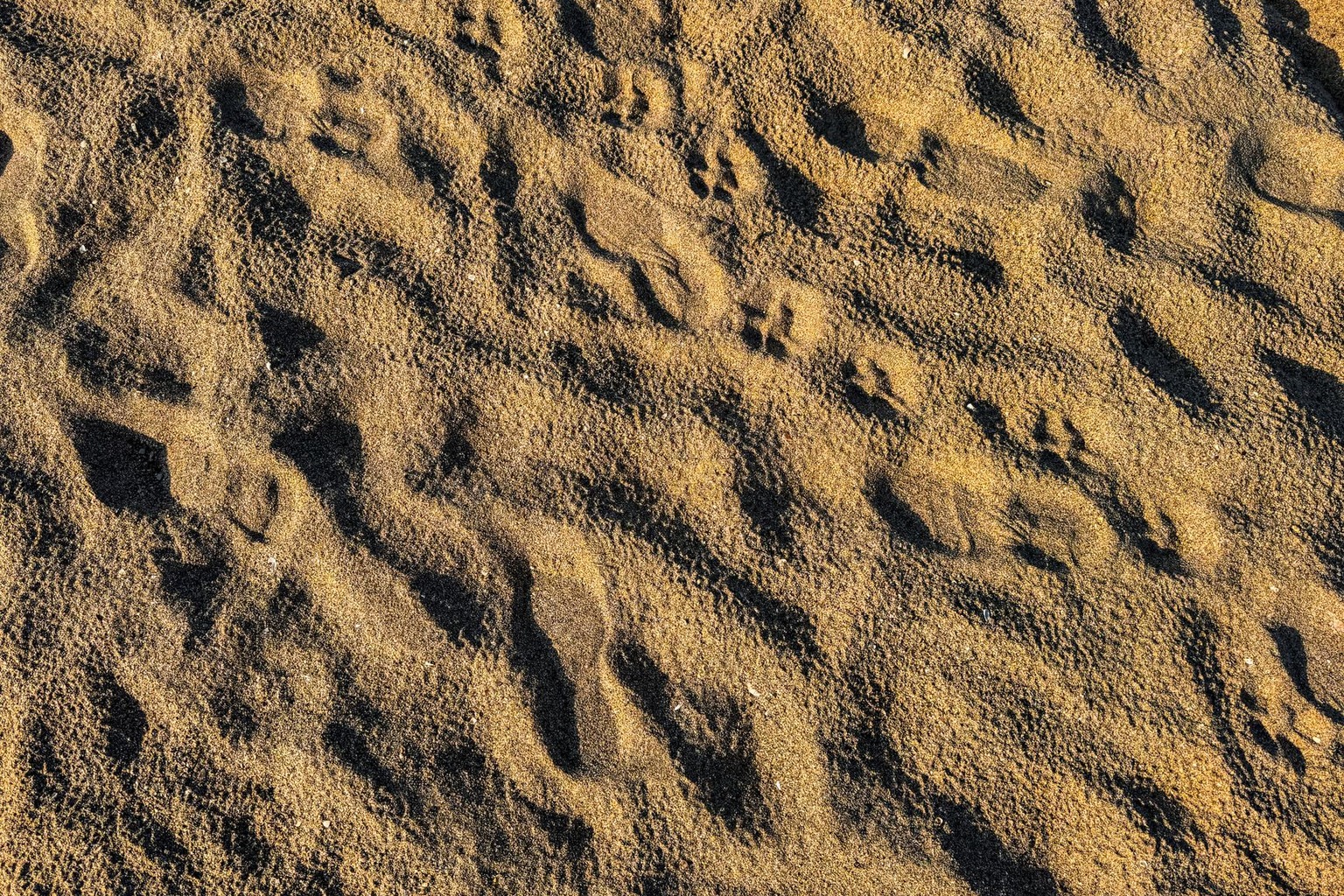
Before a major race, it’s essential to test the dog racing track surface to confirm it meets performance standards. One simple method is the “footprint test,” where a greyhound’s paw is pressed into the surface and observed for depth and clarity. If the imprint is shallow or blurry, the surface lacks sufficient grip; if it’s too deep, the track is too loose and unstable. Another test involves timing a dog’s acceleration over a short distance, if their speed drops after 10 meters, the surface may not be providing enough traction. At Lifford Greyhounds, this testing is done before every race, with adjustments made to compaction or moisture levels as needed. Small modifications, such as incorporating a thin layer of sand into a turf surface, can dramatically improve a greyhound’s racing performance.
A more advanced approach is to use a penetrometer, a device that measures the firmness of the track surface at different depths. This helps identify inconsistencies that might not be visible to the naked eye, such as soft spots that could cause a dog to sink or hard patches that might lead to injury. Tracks that invest in this equipment can preemptively address issues before they affect a race. For example, if the penetrometer shows uneven compaction, the maintenance team can spot-treat those areas with additional sand or a stabilizing agent. This level of precision ensures that every race is run on a surface that maximizes speed and minimizes risk, something every trainer and handler should prioritize.
The Best Materials for a High-Performance Dog Racing Track Surface
When selecting a material for a dog racing track surface, the goal is to balance traction, heat dissipation, and durability. The most widely used surface in greyhound racing is a blend of sand and clay, which provides a consistent grip while allowing for good drainage. This combination is favored at tracks like Lifford Greyhounds because it mimics the natural running surface greyhounds evolved to excel on. The sand gives the surface a slightly porous texture, while the clay binds it together, preventing erosion. However, this type of surface requires regular maintenance to avoid becoming too hard or too soft, which is why top tracks employ specialized equipment to keep it in optimal condition.
For tracks in colder climates, synthetic turf has become a popular alternative, as it maintains its grip even when wet and resists freezing. However, synthetic surfaces can overheat in direct sunlight, which is why many modern tracks layer it with cooling materials like rubber granules. Another option is a hybrid surface, such as a mix of sand and rubber, which offers the best of both worlds, durability, heat resistance, and consistent traction. The choice ultimately depends on the local climate and the track’s specific needs. At Lifford Greyhounds, the decision was made to stick with a sand-clay blend, as it has proven to be the most reliable for their racing conditions, allowing dogs like Zeus Hades to reach their full potential without compromise.
Long-Term Considerations for Dog Racing Track Surface Longevity
Beyond immediate performance, the longevity of a dog racing track surface impacts costs and sustainability. A well-maintained surface can last for decades, but neglect leads to costly repairs or complete replacements. For example, a track surface that’s allowed to become overly compacted may require deep aeration or even resurfacing every few years, adding thousands to maintenance expenses. To extend the life of a track, it’s crucial to use high-quality materials and invest in regular inspections. Tracks that monitor moisture levels, compaction, and surface temperature proactively avoid the need for emergency fixes, ensuring that races can continue without interruption.
Sustainability is another growing concern in track maintenance. Traditional sand and clay surfaces require constant replenishment, while synthetic options can contribute to microplastic pollution. Some tracks are now experimenting with recycled materials, such as crushed rubber from old tires, which can be blended into the surface to improve durability and reduce waste. At Lifford Greyhounds, sustainability is a priority, and the track surface is regularly evaluated for ways to minimize environmental impact without sacrificing performance. Small changes, like using locally sourced sand or incorporating recycled rubber, can make a big difference over time, ensuring that the track remains competitive while being kinder to the planet.

Growing up near the local track, I developed a lifelong fascination with the athleticism and strategy behind greyhound racing. I spend my free time analyzing past performances and studying breeding lines to better understand the nuances of every race. Sharing insights and celebrating the incredible speed of these dogs is what keeps me passionate about the sport.