Greyhound racing is a sport where milliseconds separate victory from defeat, and understanding the myriad factors that shape a dog’s performance is essential for trainers, owners, and bettors alike. While raw speed is the most obvious metric, a greyhound’s results are the product of genetics, environment, training, and physiological status. This article delves into the key performance drivers—ranging from hereditary traits to track characteristics and hydration—providing a comprehensive view of what makes a racing greyhound excel or falter on the circuit.
Genetic Foundations of Speed and Stamina
Research on Irish and British greyhound populations shows that specific genetic markers correlate strongly with sprint ability and endurance. Genes governing muscle fiber composition, particularly the proportion of fast‑twitch fibers, influence a dog’s explosive acceleration. Pedigree analyses of over 1.7 million race results have identified lineages that consistently produce top‑performing dogs, suggesting heritability rates as high as 30‑40 % for speed‑related traits.
Beyond raw speed, genetic factors also affect susceptibility to injuries such as stress fractures. Certain alleles linked to bone density and collagen synthesis can predispose a greyhound to skeletal problems under racing stress. Selective breeding programs that prioritize both performance and welfare aim to amplify advantageous alleles while reducing the prevalence of injury‑prone genotypes.
Track Design, Surface, and Circumference
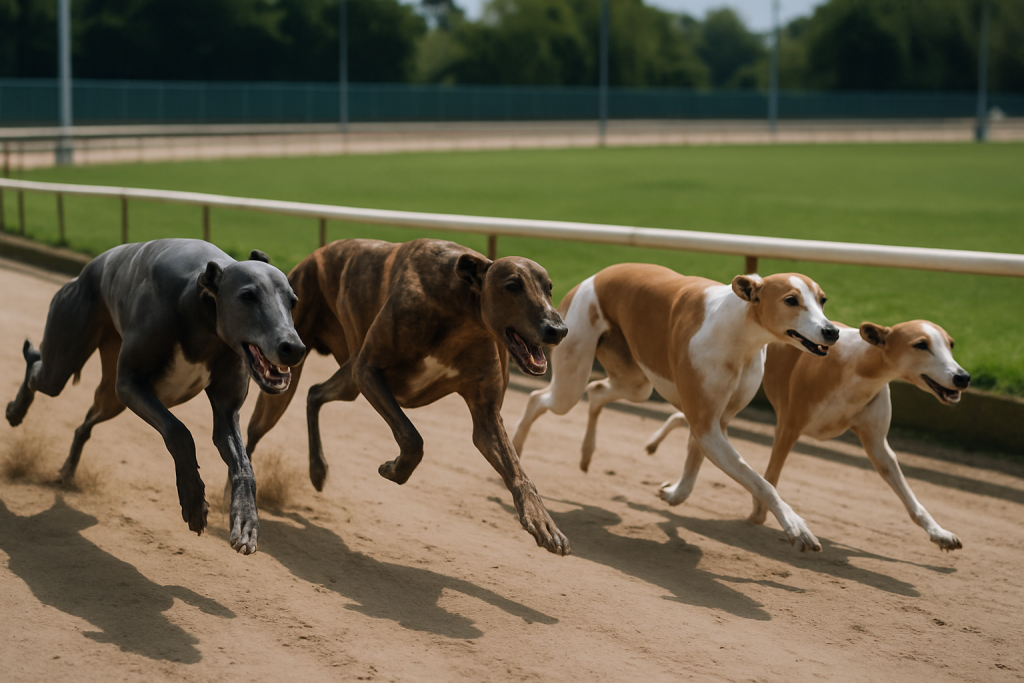
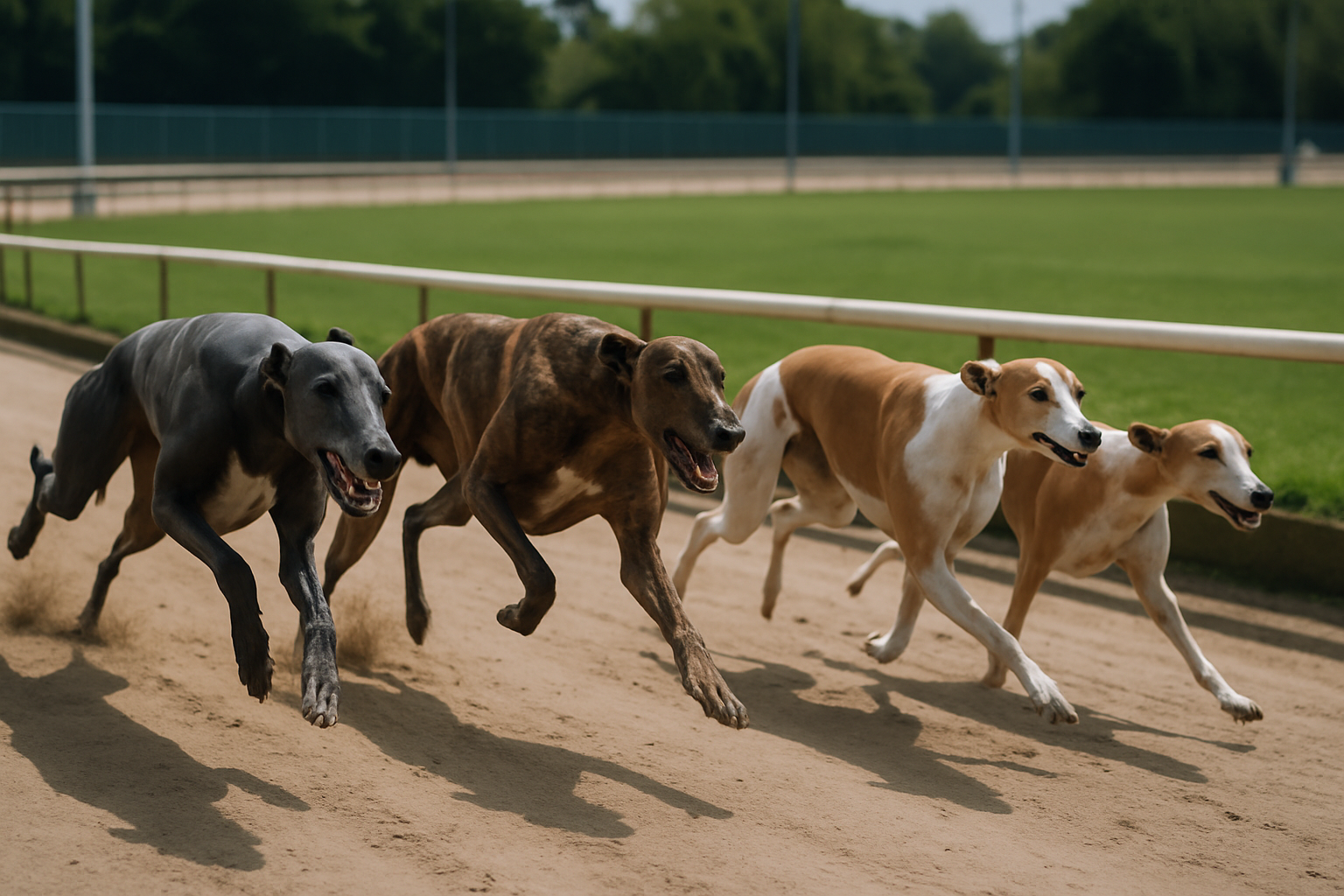
The geometry of a racing circuit plays a decisive role in measured times. Smaller‑circumference tracks often produce faster raw numbers because the dog covers a shorter distance per lap, yet the tighter bends can limit top speed and increase cornering strain. Conversely, larger, more open tracks allow dogs to reach their maximum velocity but may yield slower overall times due to longer straights and reduced curvature.
Surface composition further modulates performance. Well‑maintained sand or loam surfaces provide consistent traction, whereas uneven or overly compacted tracks can cause slipping or excessive impact forces. Seasonal variations—such as rain‑softened surfaces—alter the energy return of the track, influencing both speed and injury risk.
Hydration and Pre‑Race Physiological State
Dehydration before a race can impair a greyhound’s cardiovascular efficiency and thermoregulation, leading to reduced sprint capacity. Studies measuring blood plasma osmolality have demonstrated that even modest fluid deficits (2–3 % body mass) can lower peak speed by several percent, a critical loss in a sport decided by fractions of a second.
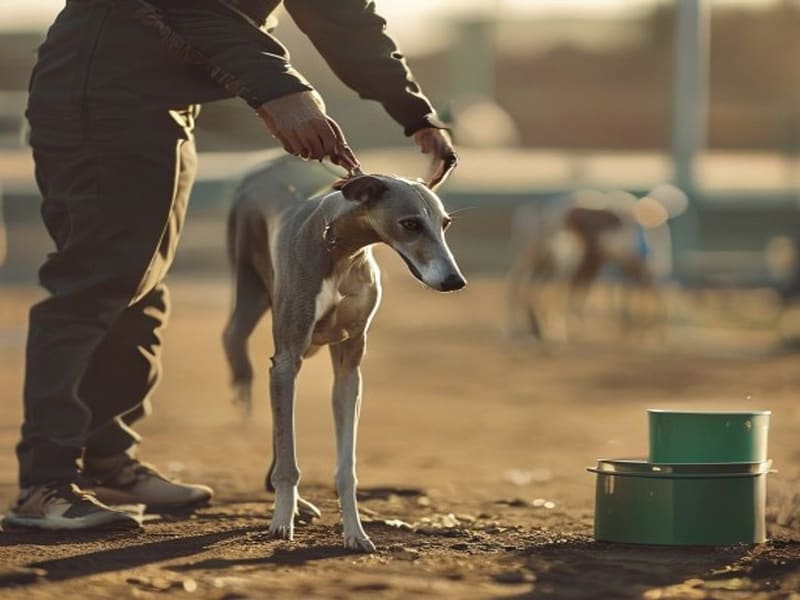
Managing fluid balance involves careful timing of water intake, as excessive consumption immediately before a race may cause gastrointestinal discomfort. Trainers often employ electrolyte‑balanced solutions and monitor urine specific gravity to ensure optimal hydration without compromising comfort during the start.
Training Regimens and Conditioning Strategies
Effective conditioning balances high‑intensity interval work with recovery periods to develop both anaerobic power and aerobic endurance. Sprint drills on straightaways enhance fast‑twitch fiber recruitment, while longer, paced runs improve oxygen utilization and delay fatigue onset. Modern training facilities incorporate treadmills and resistance equipment to simulate race conditions while minimizing track wear.
Periodization—structuring training cycles around peak competition dates—allows for progressive overload without overtraining. Monitoring heart rate variability and lactate thresholds provides objective feedback, enabling trainers to adjust workload intensity and prevent performance plateaus.
Age, Experience, and Racing History
Greyhounds typically reach their performance zenith between two and four years of age. Younger dogs often display rapid improvement as they gain race experience, a phenomenon known as the “learning curve.” Conversely, older dogs may experience a gradual decline due to cumulative musculoskeletal wear and slower recovery rates.
Race frequency also matters. Frequent starts can sharpen competitive instincts but risk chronic fatigue, while extended rest periods may lead to loss of race sharpness. Optimal scheduling balances exposure to competitive pressure with sufficient recovery, ensuring that a dog’s physiological peak aligns with key racing events.
Stress, Hormonal Responses, and Injury Prevention
Elevated cortisol levels and heart rate spikes are common indicators of stress in racing greyhounds. Chronic stress can suppress immune function, impair wound healing, and exacerbate the risk of stress‑related fractures. Monitoring these biomarkers before and after races helps identify dogs that may be over‑stressed and in need of intervention.
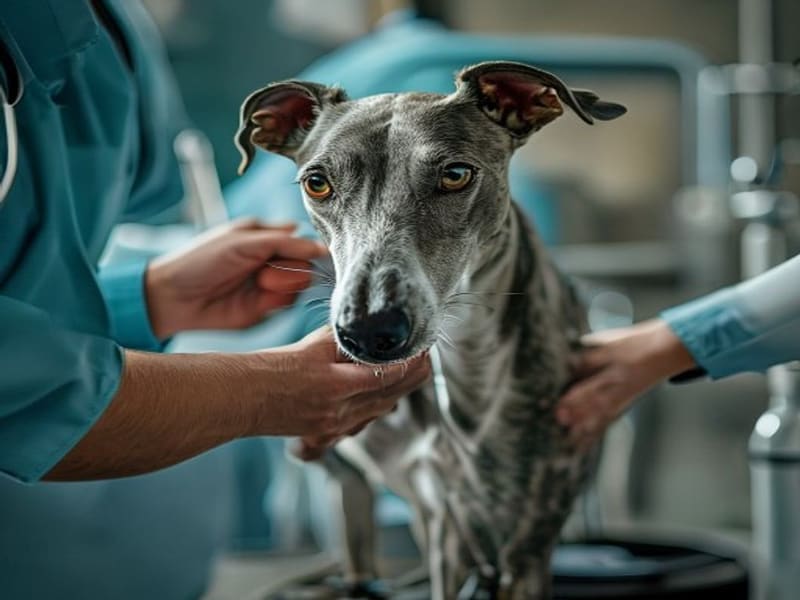
Preventative measures include acclimatization to the racing environment, gradual exposure to crowds, and the use of calming pheromones or gentle handling techniques. Early detection of stress patterns allows for tailored rest periods and therapeutic modalities such as massage or low‑level laser therapy, reducing the likelihood of performance‑limiting injuries.
Nutrition, Recovery, and Long‑Term Performance Sustainability
A balanced diet rich in high‑quality protein, essential fatty acids, and micronutrients supports muscle repair and energy metabolism. Supplementation with omega‑3 fatty acids has been linked to reduced inflammation and improved joint health, while antioxidants such as vitamin E mitigate oxidative stress generated during intense exercise.
Post‑race recovery protocols—incorporating cool‑down walks, hydration replenishment, and targeted nutrition—are critical for maintaining performance consistency. Structured recovery weeks, during which training intensity is reduced, enable tissue remodeling and prevent overuse injuries, extending a greyhound’s competitive lifespan.

Growing up near the local track, I developed a lifelong fascination with the athleticism and strategy behind greyhound racing. I spend my free time analyzing past performances and studying breeding lines to better understand the nuances of every race. Sharing insights and celebrating the incredible speed of these dogs is what keeps me passionate about the sport.