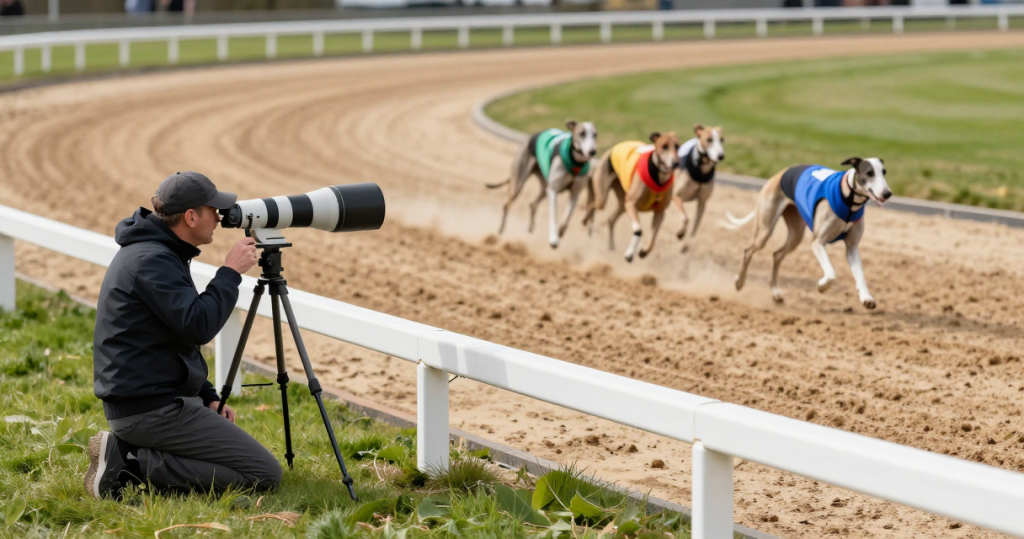
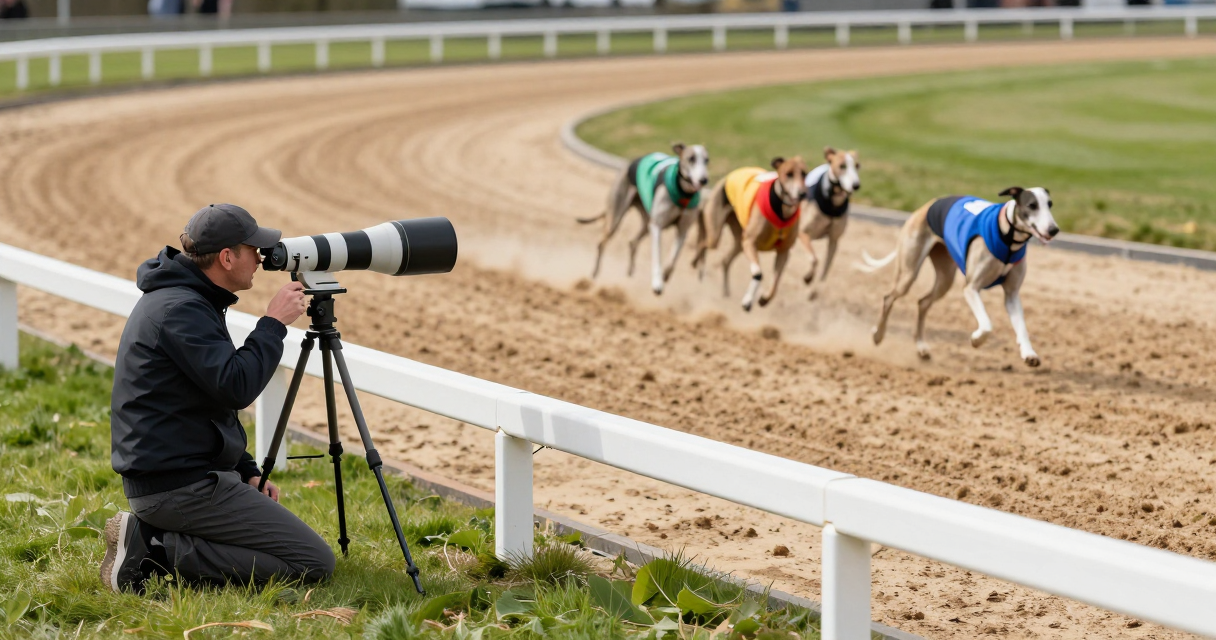
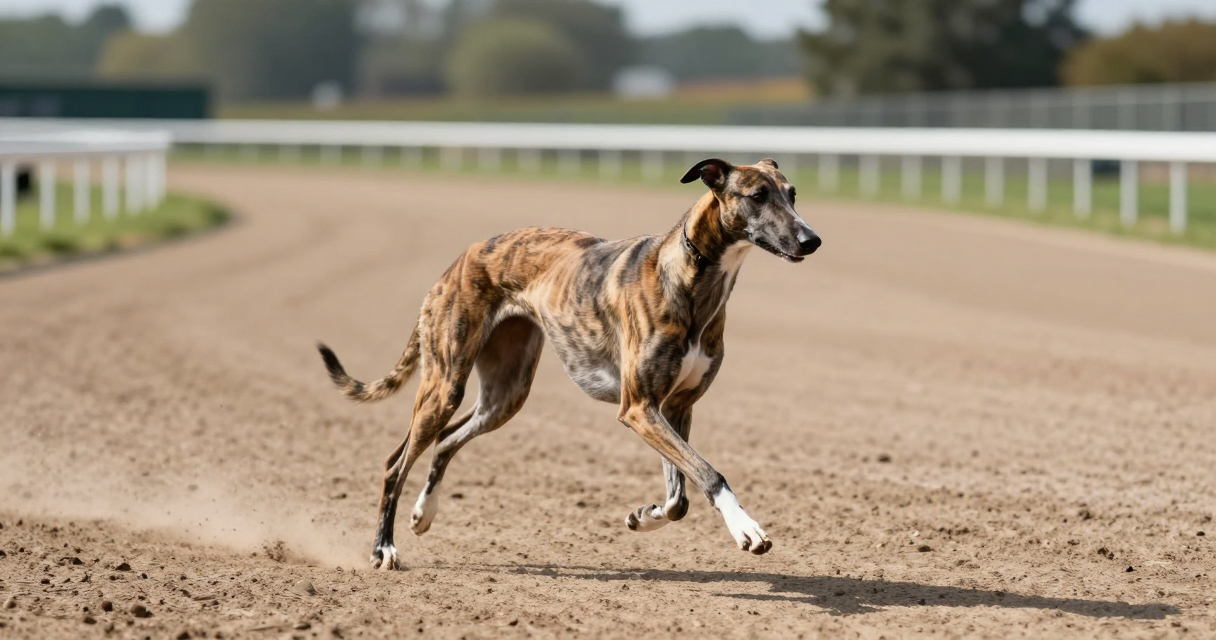
Greyhound racing photography captures the raw speed, grace, and intensity of one of the most thrilling canine sports in the world. Whether you’re a professional photographer, a racing enthusiast, or an owner looking to immortalize your dog’s performance, mastering this niche requires technical skill, an understanding of the sport, and a keen eye for timing. Unlike static portrait photography, greyhound racing demands split-second precision to freeze the explosive motion of dogs reaching speeds of 45 miles per hour. This guide explores the essentials of greyhound racing photography, from equipment and techniques to ethical considerations and post-processing tips, ensuring you walk away with stunning, dynamic images that do justice to the sport.
The Unique Challenges of Greyhound Racing Photography
Photographing greyhound races presents a set of challenges distinct from other sports or animal photography. The primary obstacle is the sheer speed of the dogs, which can cover 30 feet in under a second. Capturing sharp, well-composed images requires a camera capable of high burst rates—typically 10 frames per second or more—and a fast autofocus system that can track moving subjects with precision. Unlike human athletes, greyhounds don’t follow predictable patterns; they jostle for position, swerve around competitors, and react instinctively to the lure, making their movements harder to anticipate.
Lighting conditions also vary dramatically. Daytime races under bright sunlight create harsh shadows and blown-out highlights, while evening or floodlit events introduce artificial lighting that can cast unflattering color casts or flicker at inconsistent rates. Photographers must adapt quickly, adjusting white balance, exposure compensation, and shutter speeds to compensate. Additionally, the confined spaces of racetracks limit vantage points, forcing photographers to work creatively within tight angles or risk obstructing the view of spectators and officials.
Essential Gear for Capturing the Action
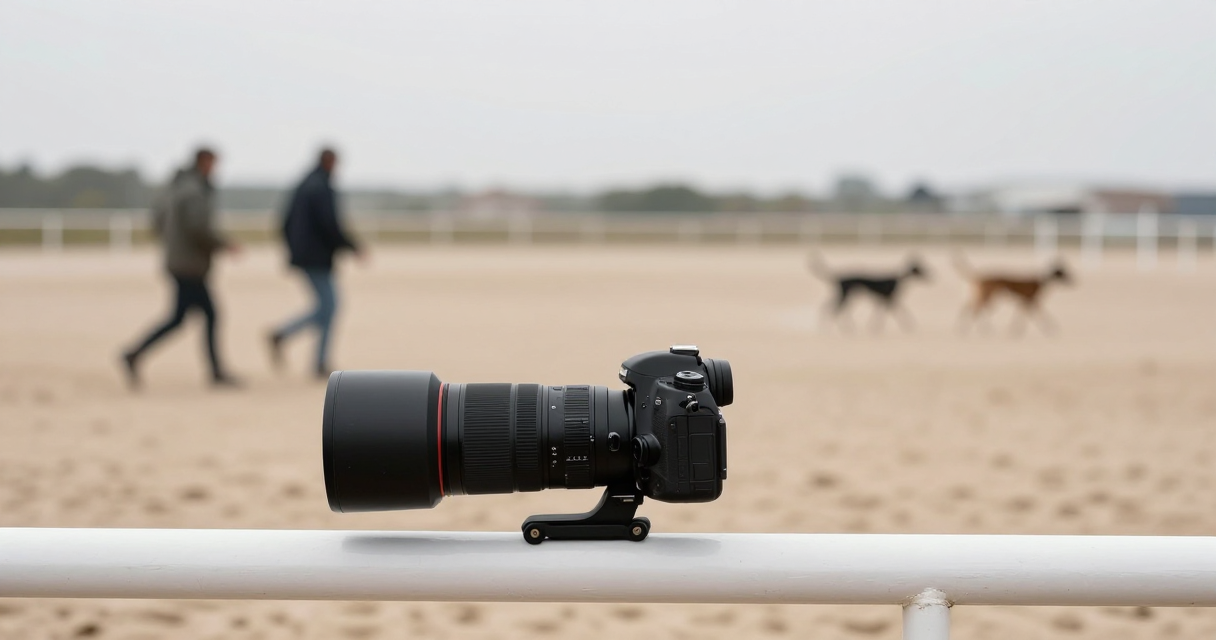
The right equipment can mean the difference between a blurry snapshot and a professional-grade racing photo. A full-frame DSLR or mirrorless camera with a fast continuous shooting mode is ideal, as it allows you to fire off multiple frames in rapid succession while maintaining high image quality. Popular choices among greyhound photographers include the Canon EOS R5, Nikon Z8, or Sony A9 II, all of which offer advanced autofocus tracking and minimal shutter lag. For lenses, a telephoto zoom in the 70-200mm or 100-400mm range is a versatile option, providing enough reach to capture close-ups of the dogs without needing to stand too close to the track. Prime lenses like the 300mm f/2.8 or 400mm f/4 are sharper and faster but less flexible in framing.
Stability is critical when shooting at long focal lengths, so a sturdy tripod or monopod is recommended, especially for evening races where slower shutter speeds may be necessary. A gimbal head can help smooth out panning motions if you’re tracking the dogs as they race past. For low-light conditions, a camera with excellent high-ISO performance will reduce noise in images, while a fast lens (f/2.8 or wider) allows more light to hit the sensor. Don’t overlook accessories like extra batteries, memory cards with high write speeds, and a rain cover—greyhound racing happens in all weather, and your gear needs to keep up.
Mastering Camera Settings for Dynamic Shots
Dialing in the correct camera settings is the key to freezing the motion of racing greyhounds while maintaining sharpness and detail. Start with shutter speed: a minimum of 1/1000th of a second is necessary to stop the dogs’ motion, though 1/2000th or faster is ideal for close-up shots where even slight blur can ruin the image. If you’re panning with the dogs to create a sense of speed, drop the shutter speed to 1/250th or 1/500th and follow the subject smoothly with your lens to keep them in focus while blurring the background.
Aperture plays a dual role in greyhound photography. A wider aperture (f/2.8 to f/4) helps isolate the subject from the background, creating a pleasing bokeh effect that draws attention to the dog. However, it also reduces depth of field, which can be problematic if multiple dogs are racing side by side—you might end up with only one in sharp focus. For group shots or wider track scenes, stop down to f/5.6 or f/8 to ensure all subjects are sharp. ISO should be kept as low as possible to minimize noise, but don’t hesitate to increase it in low light if needed; modern cameras handle ISO 3200 or higher with minimal grain.
Autofocus settings are equally important. Use continuous autofocus (AF-C or AI Servo) with a tracking mode that locks onto the dog’s eyes or body as it moves. Many cameras offer animal-specific autofocus modes that prioritize eye detection, which is invaluable for capturing expressive, emotive portraits mid-race. If your camera struggles with tracking, pre-focus on a point where the dogs will pass and use a fast burst mode to capture the action as they enter the frame.
Composition and Timing: Capturing the Decisive Moment
Great greyhound racing photography goes beyond technical precision—it tells a story. Composition is what transforms a sharp image into a compelling one. The “decisive moment,” a concept popularized by Henri Cartier-Bresson, is especially relevant here; it’s the split second when the dog’s form, expression, and surroundings align to create a powerful visual narrative. One effective technique is to position yourself at the first turn, where the dogs bunch up and jostle for position, creating dramatic tension. Alternatively, shooting from the finish line captures the intensity of the final sprint, with dogs straining toward the lure and their muscles taut with effort.
Framing plays a crucial role in composition. Avoid centering the dog in every shot; instead, use the rule of thirds to place the subject off-center, creating a more dynamic image. Pay attention to the background—distracting elements like spectators, fences, or other dogs can clutter the frame. If possible, shoot from a low angle to emphasize the dog’s speed and power, making them appear larger and more imposing. For a different perspective, try capturing the race from the side, showing the dogs in profile as they stretch out in full stride. Including environmental details, like the track’s surface or the lure’s shadow, can add context and depth to your photos.
Timing is everything in greyhound photography. Anticipate the action by watching the dogs’ body language before the race starts. A dog that’s tense and alert is likely to explode out of the traps quickly, while a relaxed dog may take a few strides to hit its stride. Use your camera’s burst mode to capture a sequence of shots, then select the frame where the dog’s legs are fully extended, its ears are back, and its eyes are locked on the lure—these details convey speed and determination.
Post-Processing: Enhancing Your Racing Photos
Even the best in-camera shots benefit from thoughtful post-processing. Start by culling your images ruthlessly—delete any blurry, poorly composed, or redundant shots to focus on the strongest frames. For greyhound racing photos, the primary goals of editing are to enhance sharpness, correct exposure, and bring out the dog’s natural colors without overdoing it. Software like Adobe Lightroom, Capture One, or DxO PhotoLab offers powerful tools for these adjustments. Begin with global edits: adjust exposure to ensure the dog’s fur is properly lit, use the highlights and shadows sliders to recover detail in bright or dark areas, and fine-tune white balance to neutralize any color casts from artificial lighting.
Local adjustments are where you can really make your images pop. Use the radial or graduated filter to darken the background slightly, drawing the viewer’s eye to the dog. Increase clarity or texture to emphasize the dog’s muscles and fur, but be careful not to introduce halos or artifacts. For portraits, dodge and burn selectively to enhance the dog’s eyes and facial features, making them appear more expressive. If you’re working with RAW files, take advantage of the additional dynamic range to recover blown-out highlights or crushed shadows. Finally, apply a subtle vignette or crop to improve composition, but avoid over-editing—greyhound racing photos should look natural and dynamic, not overly stylized.
For black-and-white conversions, focus on contrast and texture to create dramatic, timeless images. The high-speed motion of greyhounds lends itself well to monochrome, as it emphasizes form and movement over color. Experiment with split-toning to add a vintage feel, or use grain to evoke the look of classic film photography. If you’re printing your work, calibrate your monitor and use a high-quality paper to ensure the final output matches your vision.
Ethical Considerations and Best Practices
Greyhound racing photography comes with ethical responsibilities, particularly given the sport’s controversial history and the welfare concerns surrounding it. As a photographer, your role is to capture the beauty and excitement of the sport without exploiting or misrepresenting the dogs. Always prioritize the safety and well-being of the animals—never interfere with a race, distract a dog, or use flash photography in a way that could startle or stress them. Many tracks have specific rules about where photographers can stand and what equipment they can use; familiarize yourself with these guidelines before shooting to avoid conflicts with officials or other attendees.
Transparency is key when sharing your work. If you’re selling prints or licensing images, be clear about the context in which the photos were taken. Avoid sensationalizing the sport or glossing over its controversies, but also don’t use your images to unfairly vilify it. Many greyhound owners and trainers are passionate advocates for the dogs’ welfare, and your photography can help tell their stories in a balanced way. Consider donating a portion of your proceeds to greyhound rescue organizations or using your platform to raise awareness about adoption programs for retired racing dogs.
Respect the intellectual property of other photographers and the privacy of participants. If you’re covering a race for a publication or client, obtain the necessary permissions and releases, especially if you plan to use the images commercially. For personal projects, be mindful of how you present the dogs—avoid anthropomorphizing them or using captions that could be misleading. Finally, engage with the greyhound racing community in a positive way. Share your work with owners, trainers, and enthusiasts, and be open to feedback. Building relationships within the sport can lead to unique opportunities, like access to behind-the-scenes moments or invitations to exclusive events.
Building a Portfolio and Monetizing Your Work
Whether you’re a hobbyist looking to share your passion or a professional aiming to turn greyhound racing photography into a career, building a strong portfolio is essential. Start by curating a selection of your best images that showcase your technical skills, creativity, and understanding of the sport. Include a variety of shots—action sequences, portraits, wide-angle track scenes, and candid moments behind the scenes—to demonstrate your versatility. If you’re targeting a specific audience, such as greyhound owners or racing publications, tailor your portfolio to highlight the types of images they’re most likely to need.
Monetizing your work can take several forms. Stock photography is a popular option, with platforms like Shutterstock, Adobe Stock, and Alamy accepting high-quality greyhound racing images. To maximize sales, upload a mix of editorial and commercial-ready photos, and use relevant keywords like “greyhound racing action,” “dog sports photography,” or “racing greyhound portrait” to improve discoverability. Another avenue is selling prints or digital downloads through your own website or platforms like Etsy or Fine Art America. Offer a range of products, from framed prints to canvas wraps, and consider creating themed collections, such as “Vintage Greyhound Racing” or “Champions of the Track.”
For those looking to work directly with clients, reach out to greyhound racing clubs, tracks, and publications to offer your services. Many tracks hire photographers to cover race nights and provide images to owners, trainers, and media outlets. You can also collaborate with greyhound adoption organizations, creating promotional materials or fundraising calendars featuring retired racing dogs. Social media is a powerful tool for showcasing your work and attracting clients—post regularly on platforms like Instagram and Facebook, using hashtags like #GreyhoundRacingPhotography and #DogRacing to reach a wider audience. Finally, consider entering photography competitions or submitting your work to greyhound racing magazines to gain exposure and credibility in the industry.
Growing up near the local track, I developed a lifelong fascination with the athleticism and strategy behind greyhound racing. I spend my free time analyzing past performances and studying breeding lines to better understand the nuances of every race. Sharing insights and celebrating the incredible speed of these dogs is what keeps me passionate about the sport.