
Starting a speed-oriented dog breeding program requires a clear understanding of genetics, performance data, and the specific demands of the sport. It is not merely about pairing two fast animals; it is a systematic approach to enhancing traits that matter on the track. A successful breeding program begins with defining what speed means for your specific line and setting measurable goals for each generation. This foundation ensures that every decision, from selecting sires to evaluating litters, contributes to the overall improvement of the kennel. Without this structured mindset, even the most promising pairings can result in wasted potential and inconsistent performance.
Establishing Performance Pedigrees and Health Screening
The first concrete step in any breeding program is building a comprehensive pedigree database that focuses on performance traits. You must look beyond simple titles and examine actual race times, split times, and consistency across different track conditions. A dog may have a championship title, but if its race times are inconsistent, it may not be the best contributor to a speed-focused line. Alongside performance data, rigorous health screening is non-negotiable. Hip and elbow evaluations, cardiac screenings, and genetic tests for common breed-specific conditions must be completed for both the sire and dam. This dual focus on athletic ability and physical soundness protects the integrity of the program and ensures that offspring have the structural capacity to handle the rigors of racing.
Selecting the Right Sire for Genetic Contribution
Choosing a sire is perhaps the most critical decision in the entire breeding program, as he contributes half of the genetic makeup of every puppy. When selecting a sire for speed-oriented litters, prioritize dogs that have demonstrated not just raw velocity, but also race intelligence and stamina. A sire that excels in short sprints may not be the ideal choice if your goal is to produce dogs capable of maintaining speed over longer distances. Evaluate the sire’s progeny; look for patterns of successful offspring. Does the sire consistently produce puppies with quick starts and strong finishes? The sire’s temperament is also important; a calm, focused demeanor often translates to better trainability and race disposition in the young dogs.
Evaluating and Choosing the Dam for Complementary Traits
The dam’s role in the breeding program is equally vital, providing the other half of the genetic equation and influencing the puppy’s early development environment. When choosing a dam, look for a balance between speed and structural correctness. A dam with excellent speed but poor conformation can pass on faulty angles or weak pasterns, which will hinder the puppy’s ability to translate speed into efficient movement on the track. Conversely, a perfectly built dam lacking in pace may dilute the speed gene pool. Seek a dam whose lineage includes successful racers, but who also possesses the physical attributes necessary for a long racing career. The interaction between the dam’s lineage and the sire’s lineage should complement each other, filling gaps in the genetic profile.
Managing the Whelping and Early Development Phase
Once the breeding pair is selected, the management of the whelping process sets the stage for the puppies’ future performance. Proper nutrition for the dam during gestation and lactation is fundamental; deficiencies can impact the puppy’s muscle development and overall vigor. After birth, early neurological stimulation programs, often called “bio-sensor” programs, can be implemented to enhance the puppies’ stress tolerance and cardiovascular performance later in life. The first eight weeks are critical for socialization; exposing the litter to various textures, sounds, and mild challenges helps build confident, adaptable racers. This early investment in the puppies’ physical and mental development pays dividends when they enter formal training.
Performance Testing and Early Selection Criteria
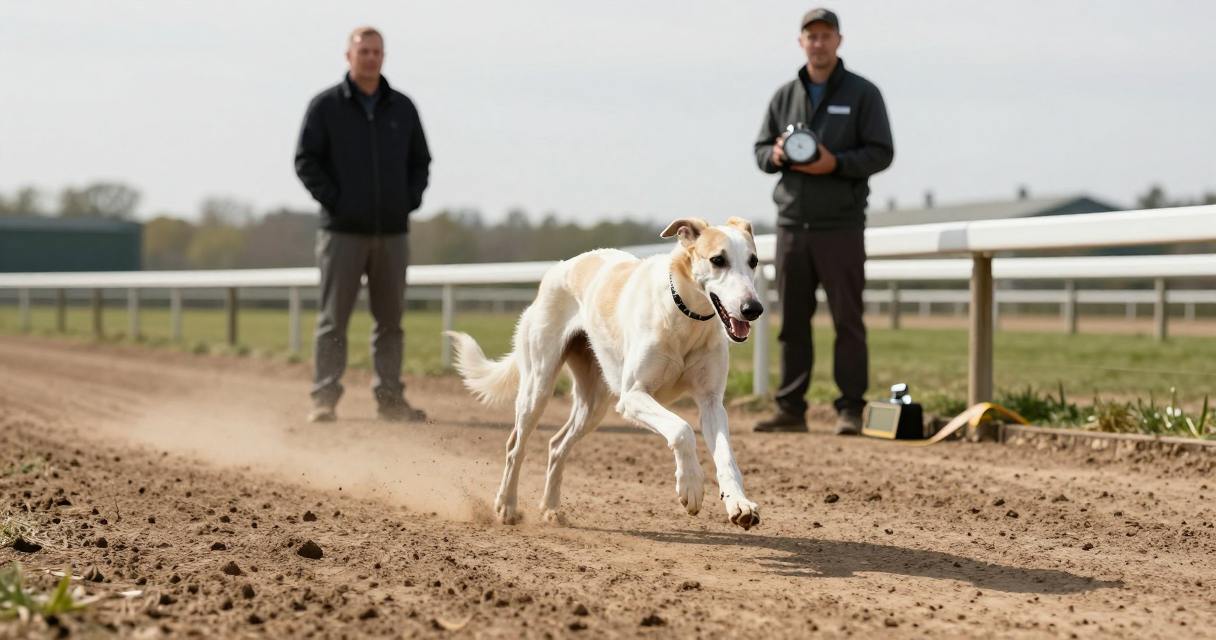
As the puppies grow and begin their initial training, objective performance testing becomes the yardstick for the breeding program’s success. Simple time trials over set distances can identify individuals with natural aptitude, but it is the analysis of their running style that provides deeper insight. Do they maintain a tight, efficient gait, or do they waste energy with excessive lateral movement? Tracking weight gain and muscle development alongside speed metrics helps identify the “complete athlete.” Early selection does not mean culling every puppy that doesn’t hit a specific time immediately; rather, it involves identifying those with the potential for growth and the correct physical traits to support increased speed as they mature.
Record Keeping and Program Evaluation
A breeding program is only as good as its records, and meticulous documentation is the backbone of long-term success. Every litter should be logged with the sire, dam, birth dates, weights, and initial health results. As the dogs enter training and racing, their performance data, split times, final times, and race grades, must be entered into a centralized database. Regular evaluation of this data allows the breeder to spot trends. Perhaps a certain sire line is producing excellent acceleration but lacking stamina, or a particular dam line is producing structurally sound dogs with moderate speed. This data-driven approach enables informed decisions for future pairings, ensuring the program evolves and improves with each generation rather than stagnating.

Growing up near the local track, I developed a lifelong fascination with the athleticism and strategy behind greyhound racing. I spend my free time analyzing past performances and studying breeding lines to better understand the nuances of every race. Sharing insights and celebrating the incredible speed of these dogs is what keeps me passionate about the sport.