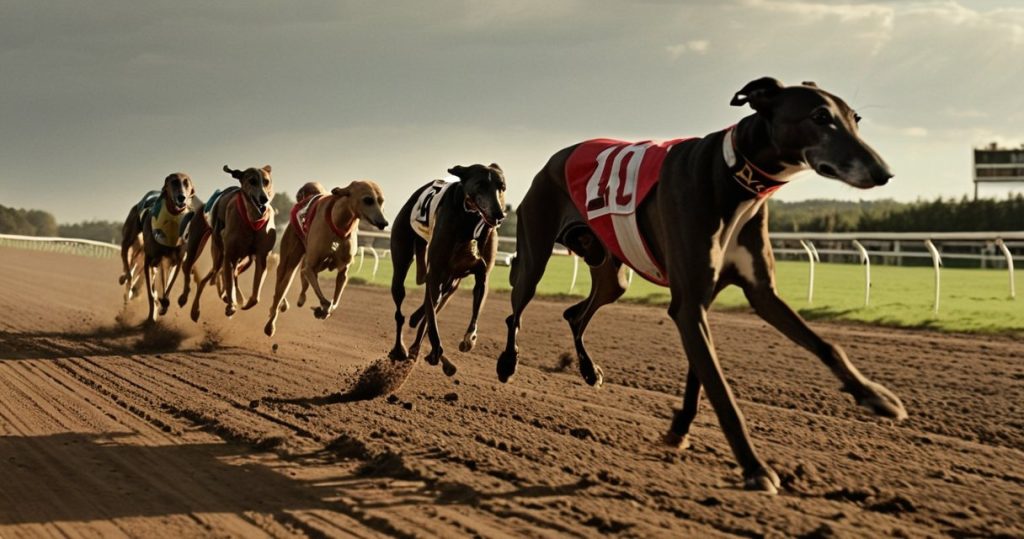
Introduction to Greyhound Racing Strategies
Greyhound racing is an exciting and fast-paced sport that has captivated fans worldwide. Understanding greyhound racing basics is essential for anyone interested in this thrilling competition, whether you are a casual spectator or an aspiring bettor. At its core, greyhound racing involves highly trained dogs racing around a track in pursuit of victory. However, beneath the surface of this seemingly straightforward event lies a complex world where knowledge and strategy can greatly influence outcomes.
When it comes to greyhound racing strategies, having a solid foundation of information about the sport is the first step toward success. Greyhounds are remarkable athletes with unique traits such as their speed, agility, and racing style. By analyzing these characteristics along with track conditions, race distances, and competition levels, enthusiasts can develop approaches that improve their chances of predicting race results accurately.
An introduction to greyhound racing will reveal that strategy is not only about picking the fastest dog but also about understanding various factors that affect performance. For instance, some greyhounds excel in early sprints, allowing them to take an initial lead, while others may have a strong finishing kick. Recognizing these patterns requires keen observation and study of past races, statistics, and training routines.
Moreover, successful greyhound racing strategies often involve managing your bets wisely and knowing when to place value on certain odds. This disciplined approach helps to mitigate risks and maximize returns over time. Whether you are new to greyhound racing or have some experience, adopting a strategic mindset will make the experience more rewarding and engaging.
In summary, the world of greyhound racing is rich with opportunities for those who take the time to understand its basics and apply thoughtful strategies. By combining a deep knowledge of the sport with careful planning and analysis, enthusiasts can enhance their enjoyment and success in greyhound racing. This introduction to greyhound racing strategies serves as a foundation for exploring more advanced concepts and techniques in the thrilling realm of greyhound competition.
Analyzing Greyhound Performance
Understanding greyhound performance is crucial when developing effective racing strategies. To maximize your chances of success, it’s important to analyze various performance metrics such as speed, endurance, and past race results. Performance analysis allows trainers, owners, and enthusiasts to make informed decisions based on objective data rather than guesswork.
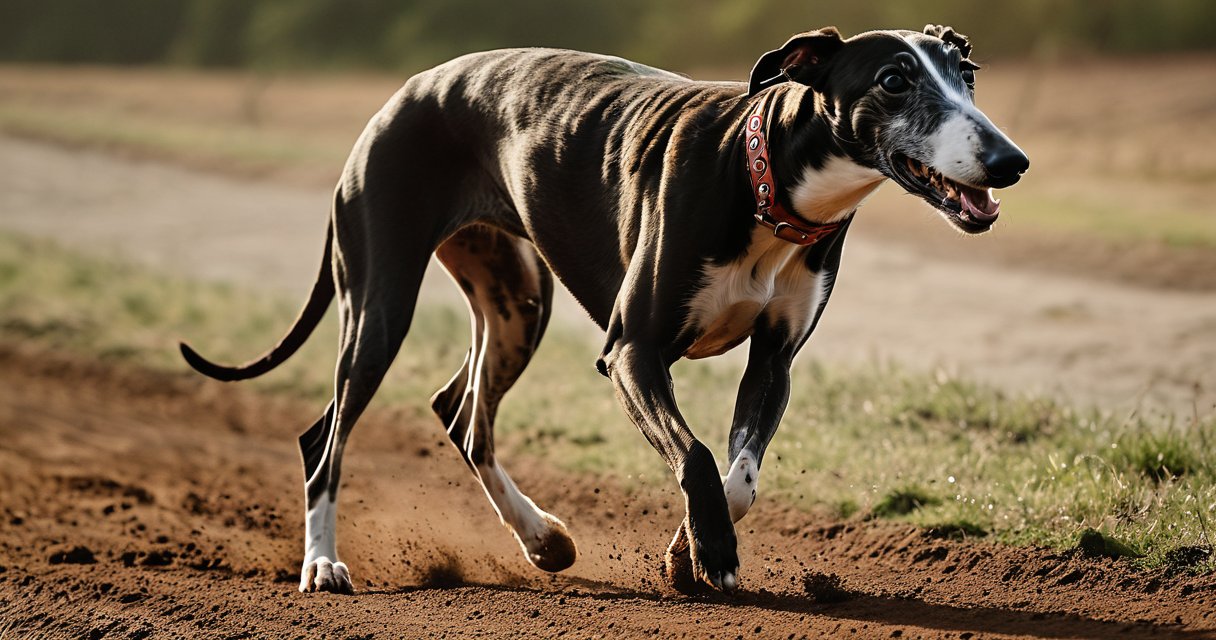
Speed remains one of the most vital indicators in greyhound racing. By examining race stats, you can assess how quickly a greyhound completes different distances and track segments. Timing each portion of a race gives insight into a dog’s burst capability and sprinting power. Fast starts can be a clear advantage, but consistent high speed throughout the race also signals a strong competitor.
Endurance, on the other hand, reflects a greyhound’s ability to maintain performance over longer distances. Some dogs excel at short sprints, while others sustain speed better during mid-distance or extended races. Analyzing lap times and comparing early pace with finishing speed helps in evaluating endurance levels. This kind of performance analysis is especially useful when selecting races where stamina plays a decisive role.
Past race results provide an invaluable resource for assessing greyhound performance in real-world conditions. Reviewing a dog’s history against various competitors, track conditions, and race distances offers a comprehensive view of its strengths and weaknesses. Race stats capture essential data points such as finishing position, margins, and times that inform predictions for future races.
Combining these performance metrics creates a holistic view that guides strategy development in greyhound racing. Whether analyzing speed bursts, endurance capacity, or historical race outcomes, thorough performance analysis enables more accurate evaluations and better race selections. Leveraging detailed race stats and consistent monitoring will improve understanding of each greyhound’s unique capabilities and potential.
Key Performance Indicators in Greyhound Racing
When analyzing greyhound racing strategies, understanding the key performance indicators is crucial for both bettors and trainers. These indicators provide valuable insights into a greyhound’s potential performance and help in making informed decisions. Among the most important are speed metrics and endurance stats, which together paint a comprehensive picture of a greyhound’s capabilities on the track.
Speed metrics typically include a greyhound’s average time over specific distances, acceleration out of the starting traps, and split times at various race segments. These metrics are essential to gauge how quickly a dog can react and maintain peak velocity. Recognizing patterns in speed performance can help predict which greyhounds are likely to dominate sprint-type races.
Endurance stats, on the other hand, focus on a greyhound’s ability to sustain speed throughout the race and recover quickly between events. Indicators such as stamina ratings and consistency scores help trainers evaluate how well a dog can maintain its performance in longer races or during back-to-back racing days. Both endurance and speed metrics should be analyzed in conjunction to understand a greyhound’s overall racing form.
By assessing these key performance indicators—speed metrics and endurance stats—trainers can tailor training regimens to enhance a greyhound’s strengths and address weaknesses, while bettors can better gauge potential winners. Ultimately, these statistics are the foundation of effective greyhound racing strategies that optimize both training outcomes and betting success.
Betting Strategies for Greyhound Racing
When it comes to greyhound racing, developing effective betting strategies can significantly increase your chances of success. Understanding how to analyze race odds and apply greyhound betting tips is essential for maximizing your potential winnings and minimizing risks.
One popular betting strategy is the place betting approach. Instead of betting on a greyhound to win outright, you wager on them to finish in the top two or three positions. This strategy reduces risk as the greyhound doesn’t need to win, only to be among the leading finishers. While the payouts may be smaller, it improves your odds of securing a return on your bet.
Another effective tactic involves analyzing the race odds closely to identify value bets. Value betting means placing wagers on greyhounds whose chances of winning are better than the odds suggest. This requires careful research and often involves looking beyond the favorites to spot underdogs with strong form or advantageous trap positions. Incorporating greyhound betting tips, such as studying recent performance and track conditions, will help you find these valuable bets.
Additionally, some bettors adopt the lay betting strategy, where they bet against certain dogs winning. This tactic is particularly common on betting exchanges and can complement traditional bets by hedging your position. Understanding when to lay a bet depends on analyzing race odds along with the greyhound’s performance trends.
For those who prefer a more methodical approach, the bankroll management strategy is vital. Setting a fixed budget and controlling bet sizes prevents losses from escalating. Combined with disciplined application of greyhound betting tips and race odds analysis, bankroll management ensures sustainable betting over time rather than chasing large but unlikely payouts.
Finally, many experienced bettors use a combination of strategies tailored to different race types and conditions. For instance, sprint races may favor fast starters, making early pace betting lucrative. In contrast, longer races might require consideration of stamina and track bias. Continually adapting your strategy while leveraging reliable greyhound betting tips and carefully studying race odds will enhance your overall performance in greyhound racing betting.
Understanding Odds and Probabilities
When it comes to greyhound racing strategies, understanding race odds and betting probabilities is essential for making informed bets. Odds represent the potential payout you can expect if your chosen greyhound wins, but they also reflect the implied chances of that dog’s success according to the bookmakers.
Interpreting race odds correctly allows you to gauge the winning chances of each competitor. For example, fractional odds like 4/1 mean that for every $1 you wager, you could win $4 in profit if the greyhound wins. These odds translate to a probability of the event occurring, calculated by dividing the denominator by the sum of numerator and denominator—in this case, 1 / (4 + 1) = 0.20 or 20% winning chance.
Decimal odds provide another common format, where a value of 5.00 corresponds to the fractional 4/1 odds. To find the implied probability from decimal odds, simply divide 1 by the odds: 1 / 5.00 = 0.20 or 20%. This makes it easier to compare and analyze the probabilities of all runners in a race.
By calculating and comparing betting probabilities alongside race odds, bettors can identify value bets—those with a higher chance of winning than the odds suggest. Applying this understanding of race odds and winning chances enhances your ability to develop effective and strategic wagers in greyhound racing.
Training and Conditioning Strategies
Effective greyhound training is essential for maximizing race performance and ensuring your dog remains competitive throughout the season. A well-structured conditioning plan tailored to each greyhound’s unique physical needs can dramatically improve speed, agility, and endurance. Proper race preparation combines consistent physical exercise with attention to nutrition and recovery, creating a balance that keeps your greyhound in peak condition.

One of the key techniques in greyhound training involves interval workouts, which simulate race conditions and help build explosive speed. Short bursts of sprinting followed by controlled rest periods enable your greyhound to develop fast-twitch muscle fibers critical for quick acceleration on the track. Incorporating these high-intensity sessions two to three times a week, combined with longer endurance runs, will enhance both speed and stamina.
Conditioning plans should also include strength training exercises that improve muscle tone and joint stability. Activities such as hill sprints or resistance running can build the power necessary for strong starts and sustained pace. Additionally, flexibility training through gentle stretching helps prevent injuries and maintains a full range of motion, which is crucial during tight turns on the track.
Race preparation goes beyond physical training; it also involves mental conditioning. Familiarizing your greyhound with the racing environment, including practice runs on similar tracks and exposure to starting boxes, reduces anxiety and enhances focus during actual races. Positive reinforcement and consistent routines in training sessions will boost your dog’s confidence and responsiveness.
Nutrition and hydration play vital roles in an effective conditioning plan. Providing a balanced diet rich in high-quality proteins, healthy fats, and essential vitamins supports muscle repair and overall health. Ensuring your greyhound stays well-hydrated before and after training helps maintain optimal performance levels and aids in recovery.
Finally, rest and recovery are indispensable components of greyhound training. Structured rest days and proper sleep allow muscles to heal and adapt to the stresses of training. Overtraining can lead to fatigue and injury, so it’s important to monitor your greyhound’s condition closely and adjust the training intensity as needed.
By combining these comprehensive training and conditioning strategies, you can prepare your greyhound not only to compete but to excel in the demanding world of greyhound racing.

Growing up near the local track, I developed a lifelong fascination with the athleticism and strategy behind greyhound racing. I spend my free time analyzing past performances and studying breeding lines to better understand the nuances of every race. Sharing insights and celebrating the incredible speed of these dogs is what keeps me passionate about the sport.