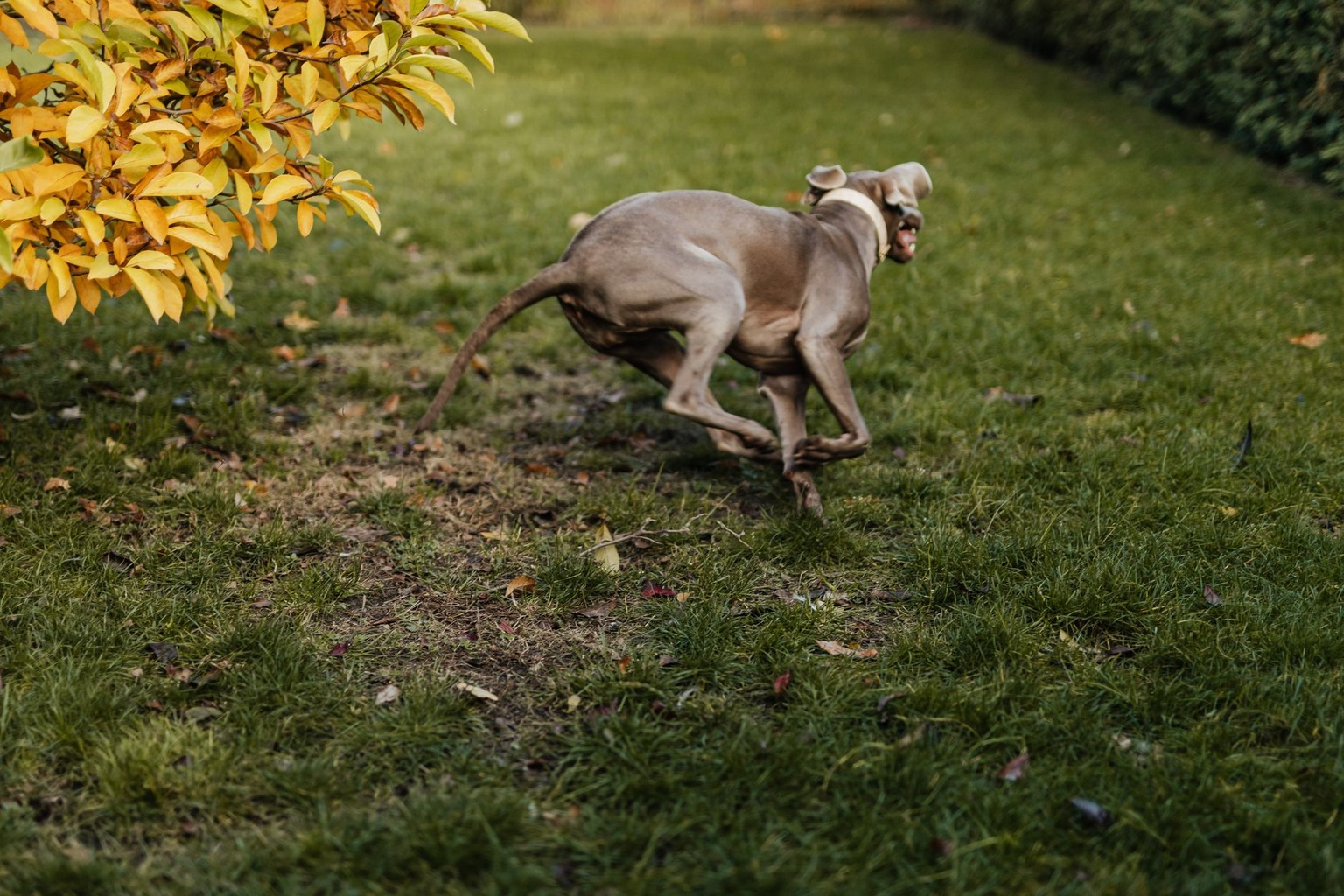
greyhound sprint racing is a sport built on raw acceleration and precise biomechanics. In the United States, the tradition dates back to the early twentieth century, with tracks operating in states like Florida, Texas, and Alabama. While the industry faces ongoing regulatory shifts, the core athletic principles remain unchanged. The speed of greyhounds is defined by their ability to deliver explosive bursts of speed during races. Their flexible spine, deep chest, and lean muscle mass allow them to reach velocities that surpass most other canine breeds. Training these athletes requires a blend of scientific understanding and hands-on feel. It is not merely about running faster; it is about optimizing every stride for maximum efficiency. This article explores the comprehensive process of preparing a greyhound for the sprint track, mirroring the dedication seen in pro athlete conditioning.
Anatomy and Physiology Foundations
The first step in any training program is understanding the physical vessel. A typical racing greyhound stands between twenty-seven and thirty inches at the shoulder and weighs sixty to seventy pounds. Their heart is disproportionately large, often comprising one and a half percent of their body weight, which supports the incredible oxygen demand of sprinting. The lungs are equally efficient, capable of processing vast amounts of air with each breath. Internally, the muscle composition is skewed toward fast-twitch fibers, which contract quickly and powerfully but fatigue faster than slow-twitch fibers. This biological reality dictates the training schedule; high-intensity work must be balanced with ample recovery. Furthermore, the greyhound’s unique double-suspension gallop means that at top speed, all four feet leave the ground twice per stride cycle. Trainers must respect this mechanics, ensuring that exercises do not jar the joints prematurely. Proper conformation, such as a level topline and well-angled shoulders, is screened early to predict racing potential and guide the training curve.
Structured Conditioning Phases
Conditioning is not a random jog around the track; it is a periodized plan. The initial phase, often called the base phase, lasts four to six weeks. During this time, the focus is on building aerobic capacity through steady-state exercise. Think of long, slow distance work on a soft surface like grass or a sand track. This strengthens the heart and lungs without overstressing the musculoskeletal system. A typical session might involve a steady pace of fifteen miles per hour for ten minutes. The second phase introduces speed work. Intervals become the staple here. For example, four repetitions of three hundred meters at near-maximum effort, followed by a three-minute walk recovery. This teaches the body to clear lactate and recover quickly. The final phase, the taper, reduces volume while maintaining intensity. This ensures the greyhound arrives at race day with fresh legs and peak neuromuscular coordination. Skipping these phases often leads to overuse injuries, such as stress fractures in the tibia or muscle strains in the hindquarters.
Nutritional Fueling for Speed
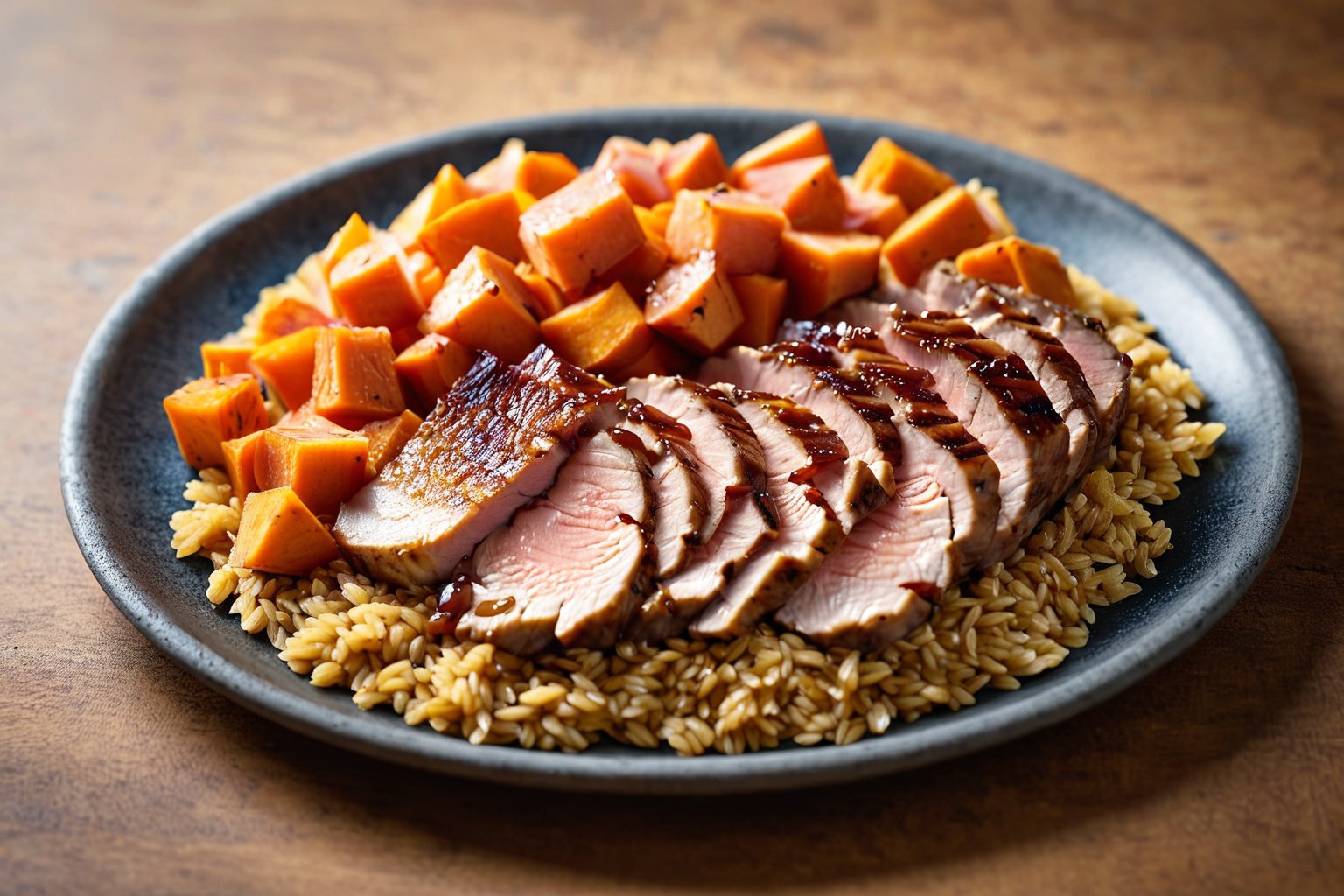
You cannot expect a high-performance engine to run on low-grade fuel. Nutrition for a sprinting greyhound is a science in itself. The diet must be high in protein to support muscle repair and maintenance. Lean meats, such as chicken or turkey, are staples, often supplemented with fish oils for omega-3 fatty acids, which reduce inflammation. Carbohydrate timing is critical. Complex carbs, like sweet potatoes or brown rice, are fed several hours before a training session to provide a steady release of glucose. Simple sugars might be used immediately post-workout to kickstart recovery pathways. Hydration is non-negotiable; a greyhound can lose significant electrolytes through sweat, even in cool weather. Veterinary nutritionists often recommend a body condition score monitoring system. If a dog carries excess weight, acceleration suffers. Conversely, too little body fat can lead to energy crashes. The goal is a lean, hard muscle definition visible across the ribcage and haunches. Feeding schedules are rigid, often two measured meals per day, to regulate metabolism and prevent bloat, a serious condition in deep-chested breeds.
The Role of the Handler and Psychology
Training a pro athlete is as much about the human element as the canine one. The handler becomes the coach, the motivator, and sometimes the physiotherapist. Building a bond of trust is paramount. A greyhound that fears the trainer will shut down mentally, refusing to give maximum effort. Desensitization to the starting box is a key psychological hurdle. The box is a confined space that triggers instinctual reactions. Gradual exposure, pairing the box with positive reinforcement like high-value treats or praise, turns a stressful object into a launchpad. Furthermore, reading the dog’s body language is a skill. A tucked tail or flattened ears might indicate stress, while a relaxed mouth and forward gaze signal focus. Sessions are kept short and positive, typically thirty to forty minutes, to maintain the dog’s enthusiasm. Mental fatigue is real; pushing a greyhound past the point of willingness yields diminishing returns and can sour the animal on the sport entirely.
Track Surface and Environmental Variables
The surface beneath the paws dictates performance and safety. Most American tracks are composed of a sand-based material, often mixed with a binding agent to create a firm yet forgiving base. This surface provides traction without the abrasiveness of pure dirt or the hardness of asphalt. Training often alternates between the race track and softer training grounds. Grass fields are excellent for building stabilizer muscles and improving proprioception, the body’s awareness of its position in space. Weather also plays a massive role. A cool, overcast day is ideal for speed work, as heat causes the dog’s core temperature to rise rapidly, limiting performance. The reference study on environment and body temperature highlights that greyhounds are highly susceptible to hyperthermia during exertion. Trainers monitor the thermometer closely; if the ambient temperature exceeds seventy-five degrees Fahrenheit, the intensity of the workout is scaled back. Wind direction is another factor; a headwind can be used as resistance training, while a tailwind assists in speed sessions, though it must be managed to prevent the dog from becoming reliant on the assist.
Recovery Modalities and Injury Prevention
The sprint season is a marathon of recovery. Between races, the greyhound undergoes various rehabilitation techniques. Cold water therapy, or cryotherapy, is used to reduce inflammation in the joints after a high-intensity race. Many modern facilities utilize underwater treadmills. The buoyancy of water reduces weight-bearing stress on the legs while the resistance of the water builds strength. Massage therapy, performed by certified canine therapists, helps maintain muscle elasticity and identifies knots before they become tears. Joint supplements containing glucosamine and chondroitin are often added to the daily regimen, especially for veteran athletes. Rest days are not laziness; they are a programmed part of the schedule. A typical week might see three intense training days, one active recovery day of light walking, and three days of complete rest. Monitoring resting heart rate and recovery time provides data on whether the dog is overtraining. If the heart rate remains elevated long after the dog has settled, it is a red flag that the training load needs adjustment.

Growing up near the local track, I developed a lifelong fascination with the athleticism and strategy behind greyhound racing. I spend my free time analyzing past performances and studying breeding lines to better understand the nuances of every race. Sharing insights and celebrating the incredible speed of these dogs is what keeps me passionate about the sport.