Managing a high-performance greyhound kennel means you are never truly off the clock, and the concept of gyms open 24 hours translates directly to how you structure your training environment for these elite athletes. Most serious racing handlers have moved away from rigid 8-to-5 schedules, recognizing that canines operate on different circadian rhythms than humans. By treating your kennel block as a flexible, always-on facility, you align with the natural energy cycles of the dogs and maximize their recovery windows. This approach requires shifting your mindset from “working at a gym” to “curating an environment,” where every surface, sound, and schedule is optimized for speed and endurance. The key is not just having space available, but knowing exactly when to deploy specific training stimuli to keep your athletes sharp without burning them out before race day.
Assessing the Circadian Energy Windows
Dogs do not experience fatigue the same way humans do, and their peak energy often occurs during the early morning hours or late evening when kennel noise levels drop. You need to map out a 24-hour cycle for each individual dog, noting when they are naturally most alert and responsive to command cues. For many sprinters, the hours between 5:00 AM and 7:00 AM provide the clearest heads and fastest response times, making this the ideal window for high-intensity interval work. If you try to force a heavy training session during their midday rest period, you will see sluggish footwork and a lack of drive that can ruin a week of conditioning. Keep a simple logbook by each kennel to track these energy peaks over two weeks, and use that data to anchor your most demanding sessions.
The late-night window, specifically between 10:00 PM and 2:00 AM, serves as a secondary peak for many athletes who are nocturnal by nature. This period is perfect for light aerobic maintenance work or mental conditioning drills that do not require explosive power. Handlers who train during this quiet time often report that the dogs are less distracted by the activity of other kennels and focus intensely on the handler’s cues. However, you must ensure that the lighting in the training area is low but sufficient for safety, as bright fluorescent lights can disrupt their sleep-wake cycle if used too late. This flexibility is why treating your facility as a 24-hour operation gives you a significant advantage over kennels with fixed schedules.
You must also account for the recovery dip that typically hits between 2:00 PM and 4:00 PM, a time when most dogs are either sleeping or moving slowly through their kennels. Attempting to run speed drills during this trough results in poor form and increases the risk of minor muscle strains. Instead, use this window for passive recovery activities like gentle stretching, hydrotherapy sessions, or simple obedience work that keeps the mind engaged without taxing the body. By respecting these biological windows, you ensure that every session adds to their performance rather than detracting from it. This nuanced understanding is what separates top-tier kennels from average ones.
Designing the Flexible Training Environment
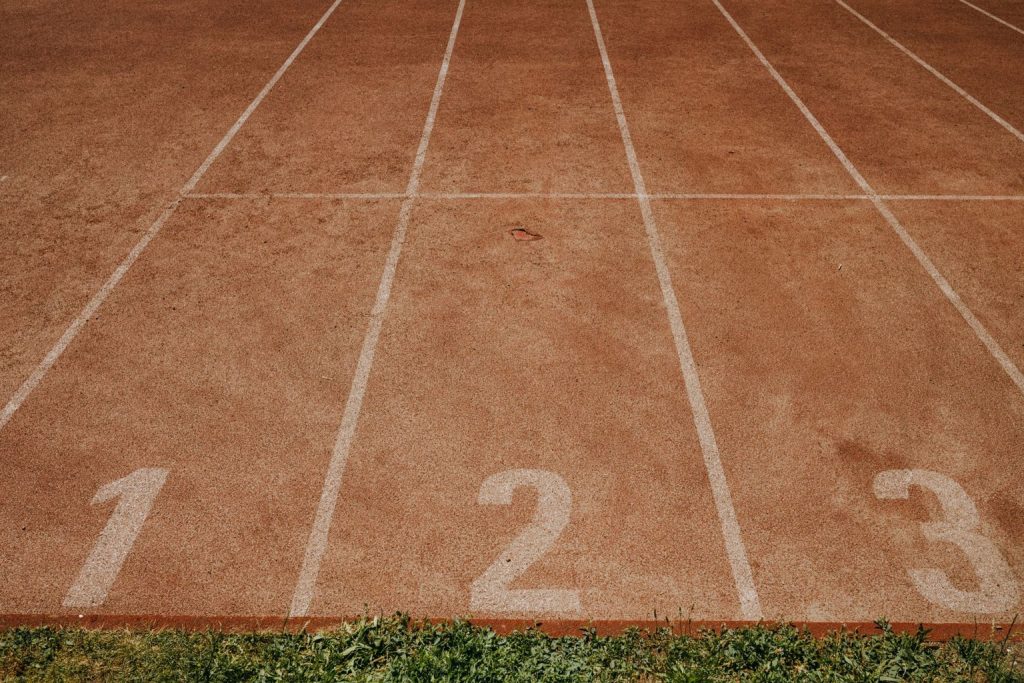
Your facility must be equipped to handle training at any hour without compromising safety or comfort, which means investing in proper lighting, ventilation, and surface treatments. If you claim your space operates like gyms open 24 hours, the physical infrastructure must support that reality with zero downtime. Install motion-sensor lights in the outdoor running area so that night shifts do not have to fumble for switches in the dark, and ensure that the track surface is consistently maintained regardless of the time of day. Poor footing at 3:00 AM is a hazard multiplier, as handlers are often more fatigued and less attentive to subtle changes in the ground. Regular inspections of the track and indoor gym areas should be scheduled around the clock, not just once in the morning.
Ventilation and temperature control are critical when training shifts move into the night, where ambient temperatures drop and humidity levels change. Greyhounds are sensitive to extreme cold, and running on a frost-covered track can lead to joint stiffness and slower reaction times. Ensure that indoor areas have climate control that can be adjusted remotely, allowing you to warm up the space before a dog enters for a session. The air quality in enclosed kennel blocks also needs monitoring, as ammonia buildup from waste is higher when ventilation systems run at reduced capacity overnight. Clean, well-ventilated spaces promote better respiratory health, which is vital for high-intensity sprinting performance.
The layout of your training area should allow for multiple dogs to work simultaneously without crossing paths or becoming distracted by each other’s presence. This requires wide lanes and clear visual barriers, especially during night sessions when peripheral vision is reduced. If two dogs are trained too close together, the social dynamics can trigger competitive behaviors that lead to unpredictable reactions on the track. Design your space so that each athlete has a dedicated zone, even if they are working in adjacent areas. This spatial clarity reduces stress and allows handlers to focus entirely on the technical aspects of the training session.
Structuring the Micro-Session Protocol
Because you have access to your facility at all times, you can break down traditional long sessions into shorter, more focused micro-sessions that fit into any gap in the 24-hour day. A standard 45-minute session can be split into three 15-minute blocks, each targeting a specific aspect of performance like acceleration, top speed, or deceleration. This fragmentation allows for higher intensity in each block because the dog is not yet fatigued when the work begins. For example, a 15-minute sprint block at 6:00 AM can be followed by a 15-minute agility or balance drill at 12:00 PM, and a final 15-minute cool-down run at 8:00 PM. This distributed loading approach often yields better results than one massive session that risks overtraining.
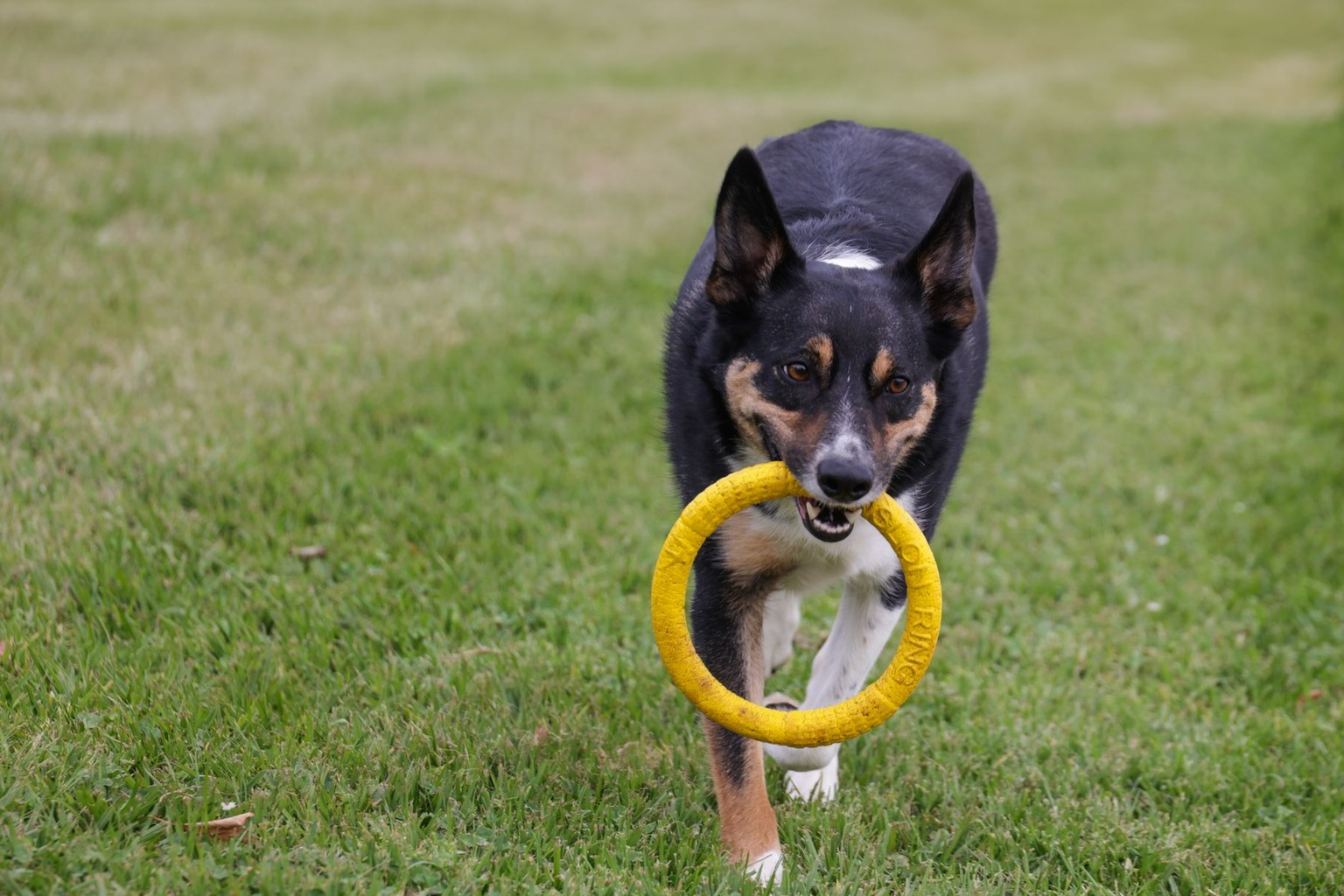
Each micro-session must have a clear, singular objective to avoid confusing the athlete or the handler. If you try to work on speed and endurance in the same 15-minute block, the dog will not fully commit to either task. Keep your focus narrow: one session for pure sprint mechanics, another for gate reactions, and a third for track discipline. This specificity allows you to track progress more accurately, as you can isolate which variable is improving or stagnating. Use video analysis during these short blocks to review form in real time, making immediate corrections before the dog moves on to the next task. The brevity of the session keeps the mental engagement high and prevents the boredom that sets in during longer workouts.
You must also incorporate active recovery protocols into this micro-session framework, treating rest as an active part of the training process rather than a passive state. After each 15-minute work block, schedule a 10-minute period of low-intensity movement, such as a slow trot or free play in a fenced area. This helps to flush lactate from the muscles and prevents stiffness from setting in. The flexibility of a 24-hour facility allows you to place these recovery periods at times that align with the dog’s natural energy dips. By integrating active recovery into your schedule, you reduce the risk of injury and keep the athlete fresh for the next block of work.
Managing Handler Fatigue and Consistency
The biggest challenge in a 24-hour training environment is not the dog, but the human, as handler fatigue directly impacts the quality of cues and feedback. If you are running sessions at night, your reaction time and attention to detail will naturally decline, which can lead to inconsistent commands. To combat this, rotate your staff so that no single handler is responsible for more than two sessions in a 24-hour period. Fresh eyes are essential for spotting subtle changes in gait or attitude that might indicate an underlying issue. Establish a clear communication protocol where handlers log their observations after each session, ensuring that information flows smoothly between shifts. This continuity is what makes the 24-hour model viable and effective.
You need to create a standardized routine for each session type so that any handler can step in and deliver the same level of quality. This means having written protocols for gate work, sprint drills, and cool-downs, with specific parameters for speed, distance, and repetition. When the routine is standardized, you remove the guesswork and reduce the likelihood of errors caused by fatigue or inexperience. Provide your staff with training on how to recognize signs of stress or discomfort in the dogs, so that they can adjust the session intensity on the fly. This standardization ensures that the dog receives a consistent experience regardless of who is handling them at any given time.
Investing in technology can further support handler consistency by providing objective data that does not rely on human perception. Use GPS trackers or video analysis tools to measure speed and acceleration during each session, giving you hard numbers to compare against previous performances. This data helps you identify trends over time and makes it easier to justify changes to the training plan. If a dog’s top speed drops by 2% over three sessions, you can pinpoint the cause more accurately than if you were relying solely on visual assessment. Technology acts as an objective third party, reducing bias and ensuring that your decisions are based on facts rather than feelings.
Nutrition Timing Around the Clock
Fueling your athletes for 24-hour training requires a precise approach to meal timing, as digestion affects performance and recovery significantly. You cannot feed a greyhound a large meal right before a high-intensity sprint session, as this diverts blood flow to the digestive system and away from the muscles. Instead, schedule meals so that there is at least a two-hour gap between eating and exercise, allowing for proper digestion and nutrient absorption. If you are running sessions in the early morning, consider a small, easily digestible pre-workout snack that provides quick energy without causing bloating. This timing strategy ensures that the dog has the fuel they need without the discomfort of a full stomach.
Hydration is equally critical, especially when training in varying temperature conditions throughout the day and night. Ensure that fresh water is always available in the training area, and monitor the dog’s water intake closely during high-intensity sessions. Dehydration can lead to a rapid decline in performance and increase the risk of heat stress, even in cooler weather. Provide electrolyte supplements during long training blocks to help maintain fluid balance and prevent cramping. By keeping hydration on track, you support the dog’s cardiovascular system and ensure that they can sustain their speed over multiple repetitions.
You must also adjust the nutritional content based on the time of day and the intensity of the session. Evening sessions may require a higher protein intake to support muscle repair during the subsequent sleep period, while morning sessions might benefit from more carbohydrates for immediate energy. Work with a veterinary nutritionist to develop a feeding schedule that aligns with your 24-hour training plan, ensuring that the dog receives the right nutrients at the right time. This level of detail in nutritional planning is what allows you to maximize the benefits of your flexible training environment. The goal is to support the body’s natural recovery processes rather than fighting against them.
Monitoring Recovery and Injury Prevention
Continuous access to your facility allows for real-time monitoring of recovery, which is essential for preventing injuries in high-speed athletes. If a dog shows signs of stiffness or reluctance after a session, you can immediately adjust the plan without waiting for the next scheduled check-up. Use touch techniques to assess muscle tension and joint mobility, and document any changes in their movement patterns. Early detection of minor issues can prevent them from developing into serious injuries that sideline an athlete for weeks. This proactive approach is a direct benefit of having your training environment available around the clock.
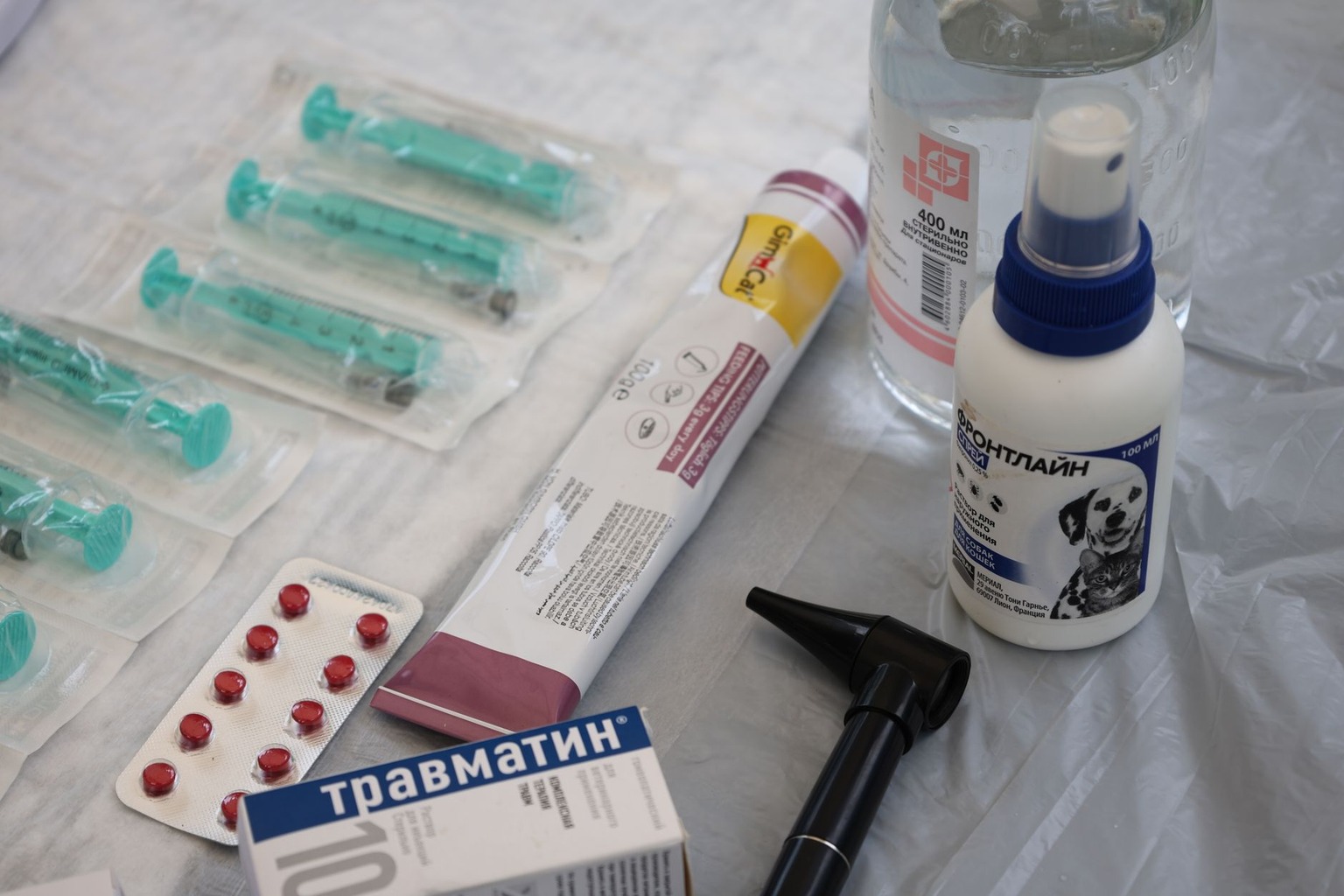
Incorporate regular wellness checks into your 24-hour schedule, even if they are brief, to ensure that you are staying on top of your athletes’ health. These checks should include monitoring heart rate, respiratory rate, and general demeanor after each session. If a dog’s resting heart rate is elevated above their baseline, it may be a sign of overtraining or underlying stress. Adjust the intensity of subsequent sessions accordingly, giving the athlete extra time to recover. This data-driven approach to recovery ensures that you are not pushing your dogs beyond their limits and keeps them performing at their peak.
You must also create a culture of safety where handlers feel empowered to stop a session if something looks wrong. This means removing any pressure to complete a full workout at all costs, as the long-term health of the athlete is more important than short-term performance gains. Encourage open communication between handlers and veterinary staff, so that concerns are addressed quickly and effectively. By prioritizing safety and recovery, you build a sustainable training program that produces consistent results over time. This culture of care is what defines a truly professional kennel operation.
Optimizing the Mental Game
The mental state of your greyhound is just as important as their physical condition, and a 24-hour environment can be used to enhance their focus and confidence. Use quiet hours for mental conditioning exercises, such as staring games or patience drills, that strengthen the dog’s ability to stay calm under pressure. These exercises help build a strong handler-dog bond and improve communication on the track. By working on their mental game at times when they are naturally relaxed, you create positive associations with training that carry over to race day. This psychological preparation is often overlooked but is a key factor in top-tier performance.
Variety is essential for keeping the dog mentally engaged, so rotate your training activities regularly to prevent boredom and monotony. If the same drills are performed at the same time every day, the dog may start to tune out or become resistant to certain tasks. Introduce new challenges and environments to keep their minds sharp and curious. This variety not only improves their performance but also enhances their overall well-being and enjoyment of training. A mentally stimulated dog is a happier dog, and a happier dog performs better on the track.
Finally, celebrate small wins and progress regularly, as positive reinforcement is the most effective tool for building confidence in your athletes. Acknowledge improvements in speed, form, or attitude, even if they are minor, to reinforce the behaviors you want to see. This positive feedback loop creates a motivated and eager athlete who looks forward to each training session. By focusing on the mental aspects of training, you ensure that your dogs are not just physically fit but also mentally prepared for the demands of competitive racing.

Growing up near the local track, I developed a lifelong fascination with the athleticism and strategy behind greyhound racing. I spend my free time analyzing past performances and studying breeding lines to better understand the nuances of every race. Sharing insights and celebrating the incredible speed of these dogs is what keeps me passionate about the sport.