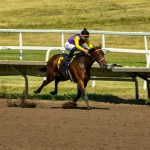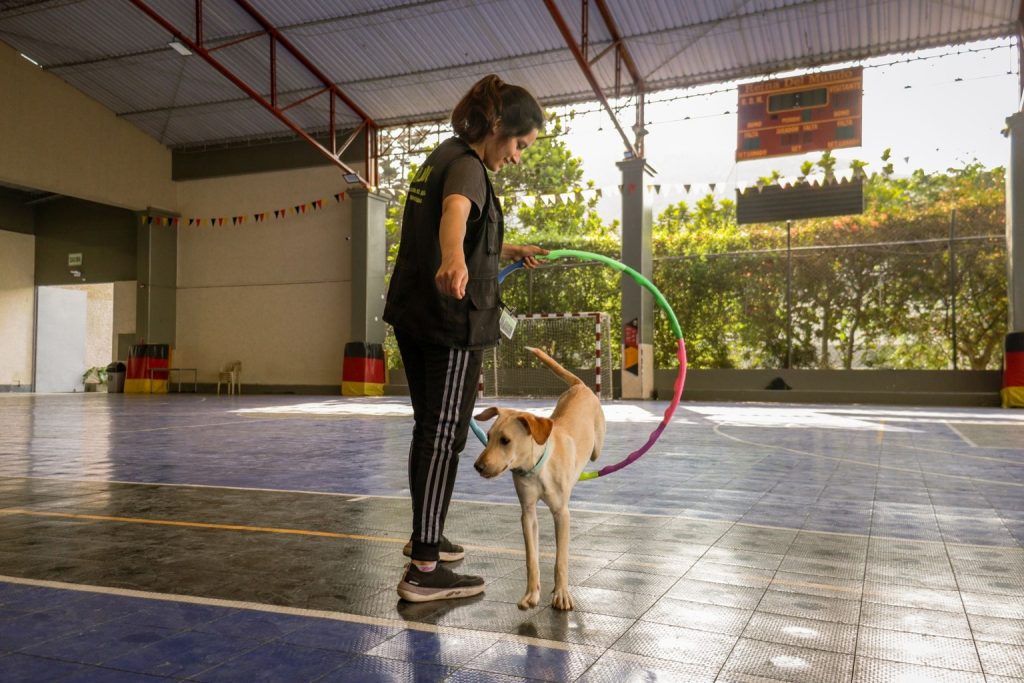
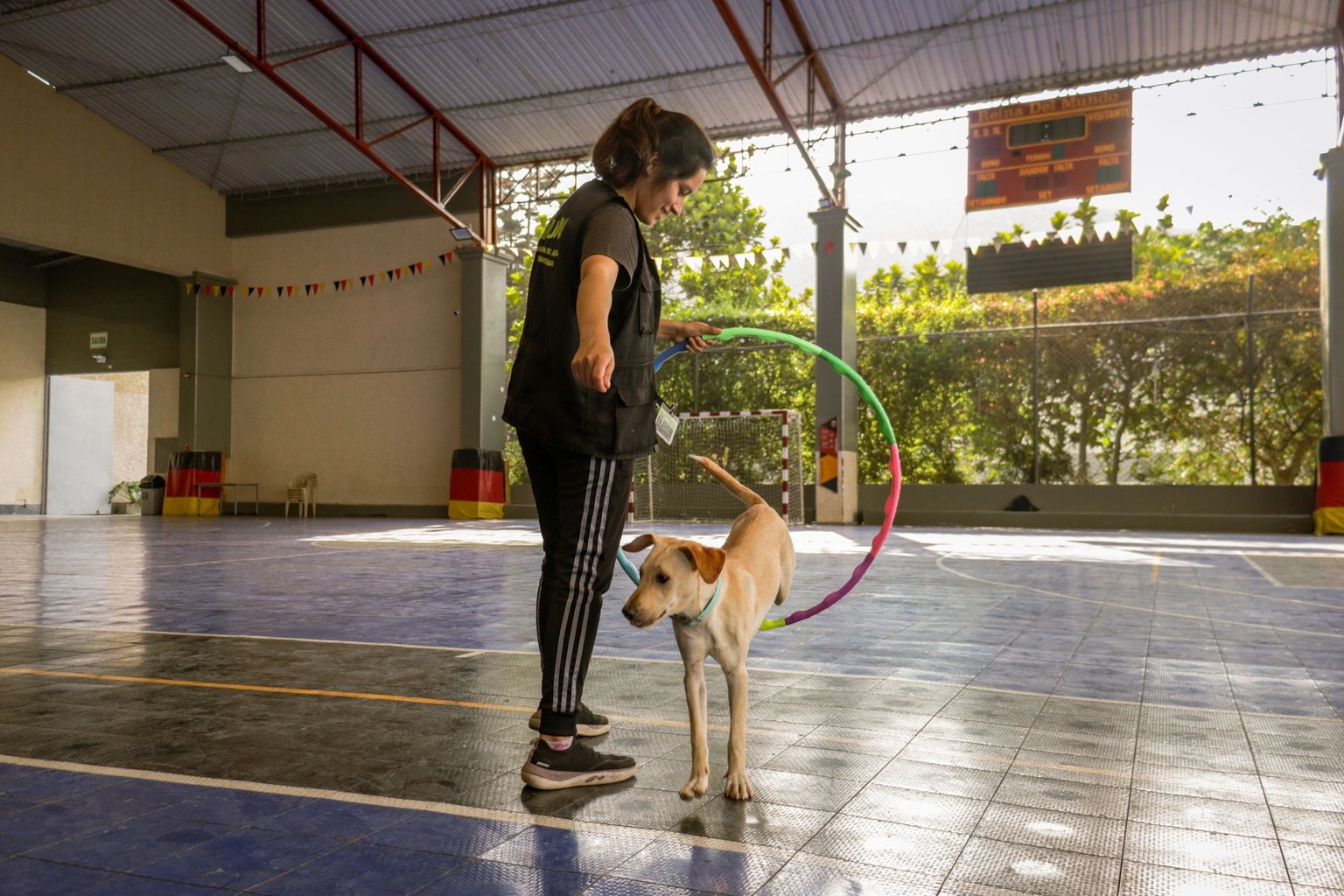
Competitive dog racing is a thrilling sport that requires not only speed but also endurance, agility, and strength. To achieve peak performance, dogs need a well-structured conditioning program that can be enhanced by specialized training facilities. Fitness gyms designed for canine athletes offer various tools and techniques that can significantly boost a dog’s physical capabilities. This guide will show how specialized fitness gyms can help prepare dogs for competitive racing, offering practical advice and expert recommendations to keep your racing dog at peak performance.
Understanding the Needs of Racing Dogs
Before diving into the specifics of fitness gyms, it’s essential to understand the unique physical demands placed on racing dogs. Breeds like Greyhounds, Whippets, and other competitors need to maintain optimal body composition, cardiovascular health, and muscle strength. Conditioning programs must focus on enhancing these attributes, which can be accomplished through targeted workouts. Fitness gyms provide an environment where these needs can be met, offering equipment tailored to canine athletes.
Moreover, it’s vital to recognize that each dog may have different conditioning requirements based on their age, breed, and prior training. A comprehensive fitness assessment should be the first step in any conditioning program. This assessment can help identify specific strengths and weaknesses, allowing for a customized training plan that maximizes the benefits of the fitness gym.
Selecting the Right Fitness Gym
Choosing a fitness gym that specializes in dog conditioning is crucial for effective training. Look for facilities that understand the unique requirements of racing dogs and have experience working with competitive breeds. A good gym will feature equipment like treadmills, agility courses, and strength training tools designed specifically for dogs. Research local options and read reviews from other dog owners to find a reputable gym that meets your needs.
Additionally, consider the qualifications of the trainers at the gym. Certified professionals who understand canine physiology and sports conditioning can provide invaluable guidance. They can create tailored workout programs and monitor your dog’s progress, ensuring that the training is both safe and effective.
Setting Up a Conditioning Schedule
Once you have selected a fitness gym, the next step is to establish a conditioning schedule. Consistency is key in any training regimen, and racing dogs benefit from regular workouts that balance intensity and recovery. A typical schedule might include three to five sessions per week, incorporating different types of training to keep the workouts engaging and effective.
For a closer look at effective routines, Colorado Mountain Pack covers this topic in their video, which you can watch right here.
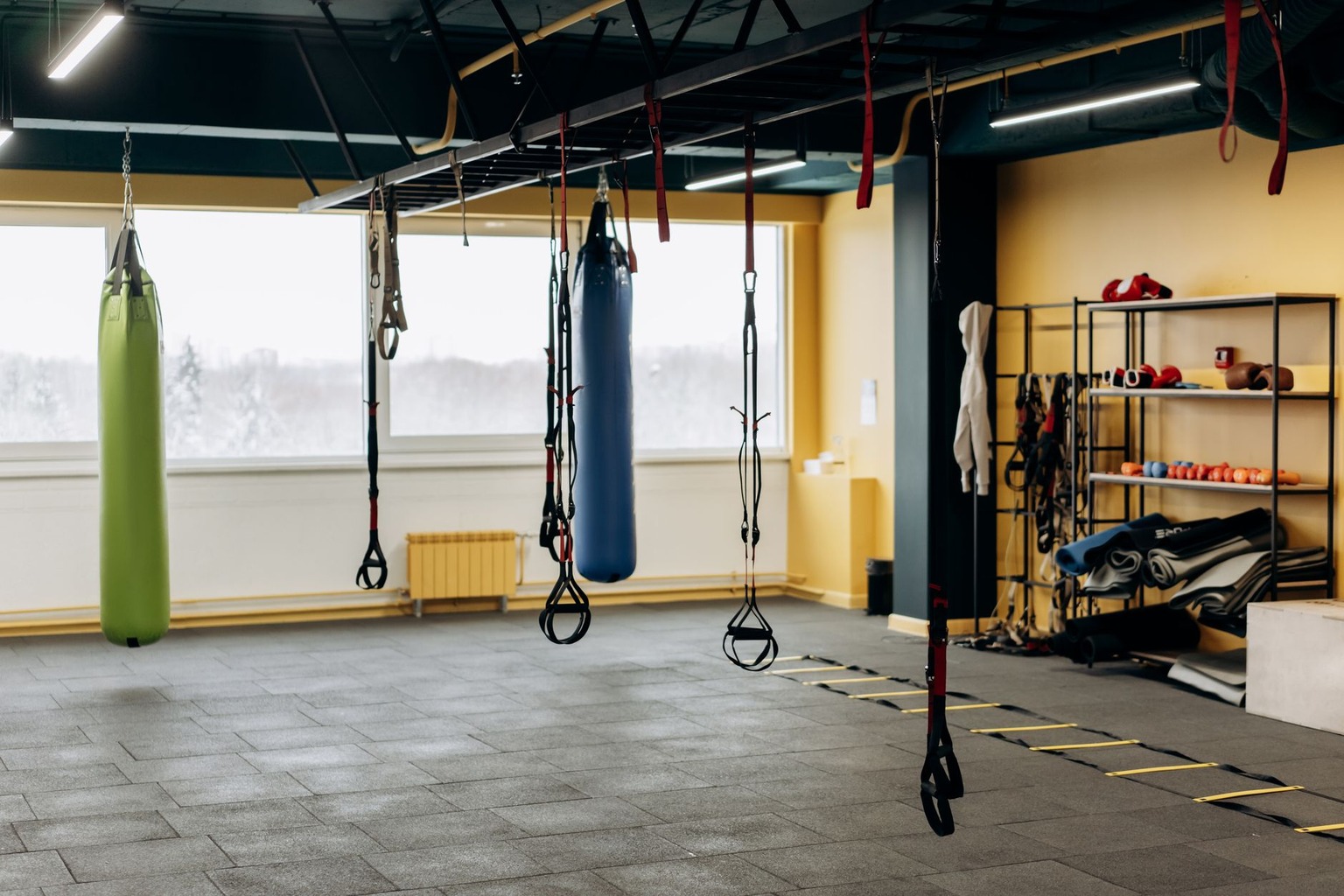
For instance, you might alternate between strength training, cardiovascular workouts, and agility drills. Strength training can include resistance exercises, while cardiovascular workouts might involve treadmill sessions. Agility drills can enhance coordination and speed, which are crucial for racing performance. Always allow for adequate rest days to prevent overtraining and promote recovery.
Incorporating Nutrition into Training
Nutrition plays a vital role in the conditioning of competitive dogs. Proper fueling ensures that your dog has the energy needed for intense workouts and recovery. Many fitness gyms can provide guidance on suitable diets for racing dogs, often recommending high-quality proteins, fats, and carbohydrates to support their energy needs.
It’s essential to tailor the dog’s diet to their specific training regimen. For example, a dog undergoing heavy training may require more calories and protein to support muscle growth and recovery. Consulting with a veterinarian or a canine nutritionist can help you develop a meal plan that complements the training provided at the fitness gym.
Monitoring Progress and Adjusting Training
Tracking your dog’s progress is crucial to ensure that the conditioning program is effective. Many fitness gyms offer performance tracking tools that can help monitor improvements in speed, endurance, and strength. Regular assessments can provide insights into how well your dog is adapting to the training, allowing for adjustments as needed.
Keep an eye on your dog’s overall health and performance metrics. If you notice any signs of fatigue, injury, or decreased performance, it may be necessary to modify the training intensity or frequency. Communication with trainers at the gym can facilitate these adjustments, ensuring your dog remains healthy and competitive.
Avoiding Common Mistakes in Dog Conditioning
While conditioning your dog for racing, it’s important to avoid common pitfalls that can hinder performance or lead to injury. One frequent mistake is not allowing sufficient recovery time between workouts. Just like human athletes, dogs need time to recover from intense training sessions to prevent burnout and injuries.
Another common error is neglecting the importance of proper warm-up and cool-down routines. Warming up prepares the muscles for exercise, while cooling down helps reduce muscle soreness and stiffness. Incorporating stretching and gentle exercises before and after workouts can enhance your dog’s overall performance and longevity in the sport.
Utilizing Technology for Enhanced Training
In today’s digital age, technology can significantly enhance the training experience for competitive dogs. Some fitness gyms may offer advanced equipment that tracks performance metrics, such as heart rate monitors or GPS trackers, allowing for detailed analysis of your dog’s workouts. This data can provide insights into your dog’s fitness level and help tailor training programs more effectively.
Additionally, video analysis can be a powerful tool in understanding your dog’s movement and technique during training. By reviewing footage of workouts, trainers can identify areas for improvement and adjust training techniques accordingly. Utilizing technology in your training regimen can give you a competitive edge in dog racing.

Growing up near the local track, I developed a lifelong fascination with the athleticism and strategy behind greyhound racing. I spend my free time analyzing past performances and studying breeding lines to better understand the nuances of every race. Sharing insights and celebrating the incredible speed of these dogs is what keeps me passionate about the sport.