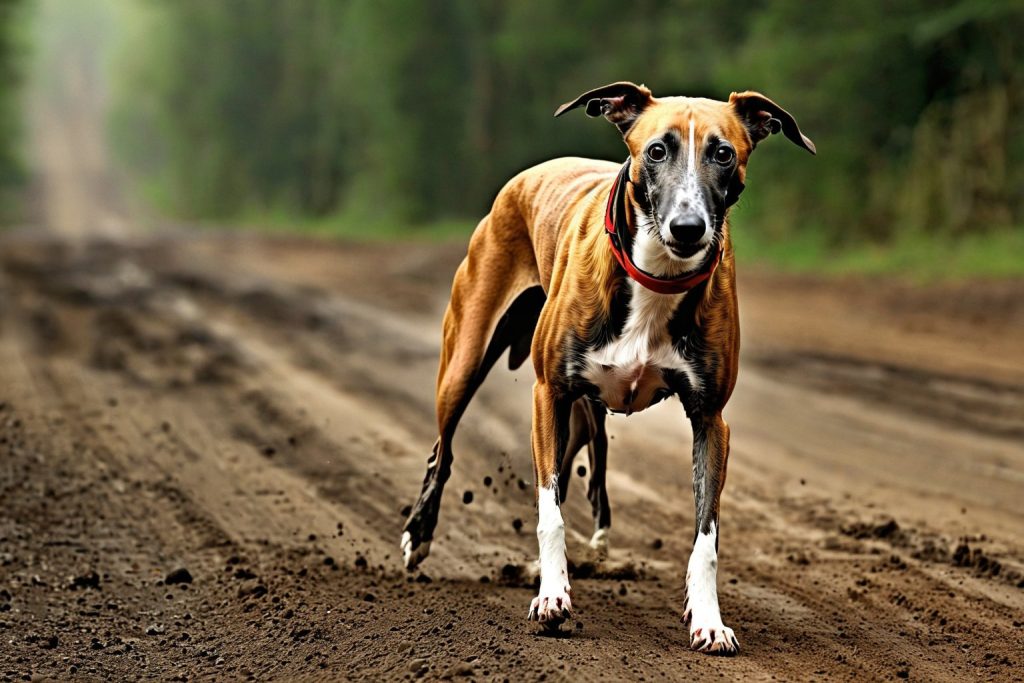
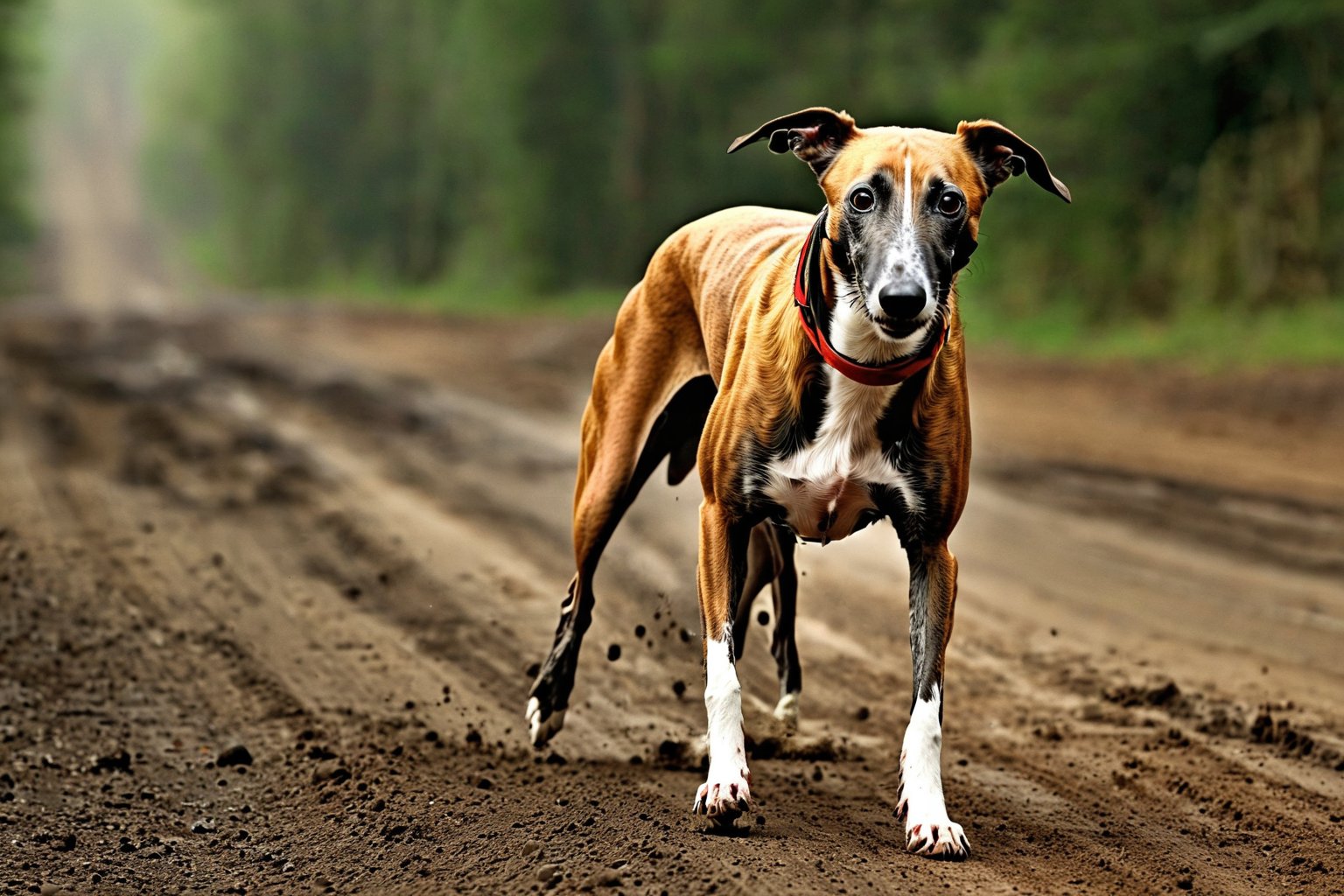
Ex-racing greyhounds are more than just retired athletes, they’re animals with a history of speed, discipline, and high-energy training that often leaves them needing a second chance at life. For fans of the sport who’ve followed greyhound racing, the idea of adopting one of these dogs isn’t just a compassionate choice; it’s a way to give a former competitor the quiet, loving home they deserve after years of intense competition. But transitioning from the adrenaline-fueled world of the tracks to the calm of a domestic life requires more than just affection. It demands preparation, patience, and an understanding of how their racing background shapes their behavior and needs.
Understanding the Racing Legacy of Your Potential Greyhound
When you consider adopting retired greyhounds, it’s essential to recognize that their past isn’t just a series of wins and losses, it’s a foundation built on routine, speed, and sometimes even stress. Greyhounds in racing programs are bred and trained for explosive bursts of energy, often running at speeds up to 45 miles per hour in races that last mere seconds. This means their bodies and minds are wired for intense, short-duration activity, not the long, steady walks or moderate play typical of many pet dogs. The transition from this high-intensity lifestyle to a slower, more relaxed home environment can be jarring, both for the dog and the owner. Many ex-racing greyhounds arrive at rescues with habits ingrained from years of competition, such as fixating on moving objects or becoming overly excited at the sight of a car or another dog. Understanding this background helps you anticipate their needs and avoid common pitfalls, like assuming they’ll adapt instantly to a new routine.
The racing environment also shapes their social dynamics. Greyhounds are often raised in kennels with minimal social interaction outside of their handlers, which can lead to a mix of independence and wariness around strangers. Some may greet new people with caution, while others might be overly eager, especially if they’ve been rewarded for chasing or reacting to movement. This isn’t a reflection of their temperament but rather a product of their training. When you adopt a retired greyhound, you’re not just bringing home a dog, you’re welcoming a former athlete with a unique set of experiences that will influence how they interact with the world. Recognizing this upfront allows you to tailor your approach to their specific needs, whether that means gradual socialization or patience during initial adjustments to their new environment.
One often overlooked aspect of a greyhound’s racing legacy is their diet. While in training, their meals are carefully measured to fuel performance, often resulting in a lean but muscular build. This can lead to a lower body fat percentage compared to typical pet dogs, which might make them appear underweight or less “fluffy” than breeds like bulldogs or golden retrievers. When you adopt retired greyhounds, you’ll need to monitor their nutrition closely to ensure they maintain healthy weight and energy levels. A sudden change in diet can cause digestive upset, so transitioning their food gradually, over the course of a week or two, is crucial. Consulting with a veterinarian familiar with greyhound care can help you determine the right balance of protein, fat, and fiber to keep your new companion thriving.
Preparing Your Home for a Former Champion
Before you bring your retired greyhound home, your living space needs to be transformed from a casual household into a sanctuary designed to meet their specific needs. Greyhounds are known for their grace and agility, but their racing background means they’re not built for roughhousing or high-impact play. A soft bed in a quiet corner of your home is a must, avoid hard floors or surfaces that could strain their joints, especially if they’ve spent years running on track surfaces. Many ex-racing greyhounds also appreciate a cozy, enclosed space where they can retreat, like a crate or a dog bed with high sides. This mimics the security of their kennel environment and helps them feel safe as they adjust to their new surroundings. It’s also wise to secure any loose items or small objects that could become distractions, as their prey drive might still be strong after years of chasing moving targets.
The transition from the controlled environment of a racing kennel to a home with unpredictable sounds and movements can be overwhelming for a retired greyhound. Start by creating a routine that mirrors the structure they’re used to, with set times for meals, walks, and rest. Greyhounds thrive on predictability, so consistency is key. For example, feeding them at the same time each day helps regulate their digestion and reduces anxiety. Similarly, short, scheduled walks, even if they’re just around the block, can help them burn off residual energy without overwhelming them. Avoid long, unstructured play sessions, as these can lead to frustration or even injury. Instead, focus on low-impact activities like gentle fetch (with a soft toy) or scent games that engage their nose without taxing their joints.
Another critical preparation step is ensuring your home is safe from potential hazards that could trigger their instincts. Greyhounds are notorious for their love of chasing, so if you have a yard, install a secure fence, at least six feet tall, to prevent them from bolting after squirrels, cats, or even cars. Even in urban settings, a well-fitted harness and leash are essential for walks, as their speed and agility can make them difficult to control if they get spooked. Additionally, greyhounds are sensitive to temperature extremes; their thin coat means they can overheat quickly in hot weather or get chilled in cold conditions. Invest in a doggy cooling mat for summer and a warm bed or sweater for winter to keep them comfortable. These small but thoughtful adjustments will make their transition into your home smoother and more enjoyable for both of you.
Managing Energy and Exercise: Less Is More
One of the biggest misconceptions about adopting retired greyhounds is that they need constant exercise to stay happy. In reality, their bodies are built for short bursts of speed, not endurance activities like hiking or jogging. Over-exercising a greyhound can lead to joint stress, muscle strain, or even heat exhaustion, especially in their later years. The key is to channel their energy in ways that align with their natural abilities. Short, high-intensity play sessions, like sprinting in an open field or chasing a ball, mimic their racing experience and satisfy their need for movement without overdoing it. Aim for two to three 10-15 minute sessions per day, depending on their age and health. Older greyhounds may do better with even shorter bursts of activity, while younger ones might need a bit more, but always watch for signs of fatigue, like limping or excessive panting.
If you want to learn more, the channel My Greyhound Life covers this topic in their beginner’s guide, which you can watch right here.
Beyond physical exercise, mental stimulation is just as important for a retired greyhound. Their racing background means they’re used to being highly focused, so boredom can lead to destructive behaviors like chewing or digging. Incorporate puzzle toys, scent games, or training sessions that challenge their intelligence without overexerting them. For example, hiding treats around the house and encouraging them to find them engages their natural hunting instincts in a controlled way. You can also try agility training, but keep it low-impact, greyhounds excel at jumping over small hurdles or weaving through cones, which provides both physical and mental exercise. The goal is to keep their mind sharp while respecting their physical limits. Remember, a tired greyhound is a well-behaved greyhound, but their tiredness should come from mental and short bursts of physical activity, not from overexertion.
Another often overlooked aspect of managing energy is understanding their sleep patterns. Greyhounds are known for their “laziest dog” reputation, and for good reason, they sleep up to 18-20 hours a day. This isn’t laziness; it’s a natural recovery mechanism for their high-energy lifestyle. When you adopt retired greyhounds, respect their need for rest. Avoid waking them for unnecessary activities, and ensure they have a quiet, dark space to nap undisturbed. If you’re unsure whether they’re getting enough rest, observe their behavior during the day. Excessive sleepiness or lethargy could indicate an underlying health issue, while restlessness might signal boredom or anxiety. Adjusting their routine to include plenty of downtime will help them settle into their new life more comfortably.
Socializing Your Greyhound: Beyond the Tracks
Socialization is a critical but often overlooked step when adopting retired greyhounds. Many of them have spent years in kennels with limited interaction outside of their handlers, which can make new social experiences overwhelming. The key is to introduce them to new people, places, and other animals gradually and positively. Start with low-pressure situations, like inviting a friend over for a short visit while your greyhound is in their familiar space. Reward calm behavior with treats or praise to reinforce positive associations. Over time, you can expand their social circle to include more people, but always monitor their body language for signs of stress, like tucked tails, whining, or avoiding eye contact. Greyhounds are generally gentle and affectionate once they’re comfortable, but their past might make them cautious at first. Patience and consistency are key, some dogs adjust in weeks, while others take months.
When it comes to other animals, greyhounds’ instincts can be unpredictable. While many are naturally gentle and may even enjoy the company of cats or other dogs, their prey drive can still kick in if they see something small or fast moving. To minimize risks, introduce them to other pets slowly and under controlled conditions. For example, start with a leashed meet-and-greet in a neutral space, like a park, where you can keep an eye on their reactions. If they show interest in chasing, redirect their attention with a toy or treat. Over time, you can increase the duration and frequency of interactions, but always prioritize safety. Some greyhounds may never fully lose their chase instinct, so it’s important to supervise all interactions with smaller animals until you’re confident in their behavior.
Socializing doesn’t just mean interacting with people and animals, it also involves exposing your greyhound to new environments and experiences. Greyhounds are sensitive to changes in their surroundings, so gradual exposure helps them build confidence. Start with short outings to quiet areas, like a local park or a friend’s backyard, and gradually introduce busier settings, like pet stores or dog parks. Noise can also be a trigger for some retired greyhounds, especially if they’re sensitive to sounds like fireworks or traffic. Desensitization training, gradually introducing them to the sound at a low volume and rewarding calm behavior, can help them become more comfortable over time. The goal is to build their confidence without overwhelming them, so always end each new experience on a positive note, like a treat or a favorite toy, to leave them feeling good about their adventure.
Health Considerations: From Track to Couch
Adopting retired greyhounds means taking on the responsibility of their long-term health, which often requires a different approach than caring for a typical pet dog. Many ex-racing greyhounds have been bred for speed, which means they’re prone to certain health issues, such as hip dysplasia, bloat (a life-threatening condition where the stomach twists), and heart problems. Regular veterinary check-ups are a must, with a focus on monitoring their joints, heart, and digestive system. A vet familiar with greyhound care can provide tailored advice on diet, exercise, and preventive care. For example, feeding them smaller, more frequent meals can help reduce the risk of bloat, while joint supplements like glucosamine may support their aging bodies. Always keep their vaccinations and parasite prevention up to date, as greyhounds are just as susceptible to common illnesses as other dogs.
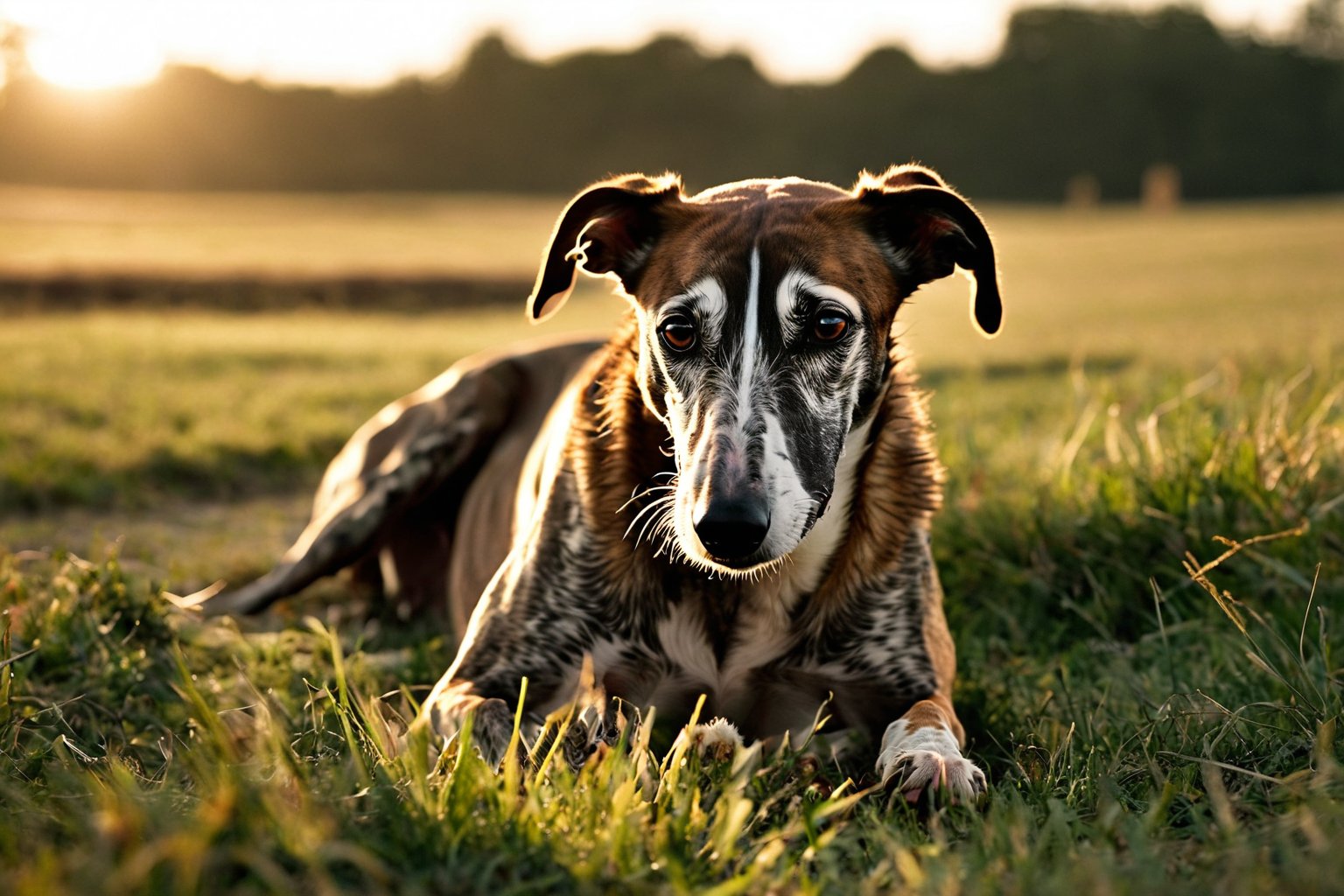
Dental health is another area that often gets overlooked but is crucial for greyhounds. Their lean build can make it easier for plaque to build up, leading to gum disease or tooth loss. Start a dental care routine early by brushing their teeth a few times a week with a dog-safe toothpaste. You can also provide dental chews or toys designed to reduce plaque. Regular teeth cleanings by a vet can also help prevent long-term issues. Additionally, greyhounds are prone to eye conditions like entropion (where the eyelid rolls inward) or dry eye, so keep an eye out for signs of discomfort, like excessive blinking or discharge. If you notice any issues, schedule a vet visit promptly, early intervention can prevent more serious problems down the line.
One of the most important health considerations when adopting retired greyhounds is their diet. Their racing background means they’re used to a high-protein, low-fat diet to maintain lean muscle mass. However, once they’re retired, their caloric needs decrease, and a sudden change in diet can lead to weight gain or digestive upset. Work with your vet to determine the right balance of nutrients for your greyhound’s age, weight, and activity level. Many retired greyhounds thrive on a diet rich in lean proteins like chicken or fish, with added supplements like omega-3 fatty acids for joint health. Avoid feeding them table scraps or high-fat foods, as these can contribute to obesity or pancreatitis. Hydration is also key, greyhounds are prone to dehydration, so always provide fresh water and consider adding a pet fountain to encourage drinking. Monitoring their weight and adjusting their diet as needed will help them stay healthy and energetic for years to come.
Training and Bonding: Building Trust After the Tracks
Training a retired greyhound isn’t about teaching them to obey commands like a typical pet dog, it’s about rebuilding trust and reinforcing positive behaviors in a way that respects their past. Many ex-racing greyhounds arrive at rescues with little to no basic training, so starting with simple commands like “sit,” “stay,” and “come” can help establish a foundation of communication. Use positive reinforcement, like treats or praise, to encourage good behavior. Greyhounds respond well to food motivation, so keep training sessions short (5-10 minutes) and fun to avoid frustration. Avoid harsh corrections or punishment, as these can trigger anxiety or fear. Instead, focus on patience and consistency, some greyhounds may take longer to learn commands, but they’re capable of understanding and responding with time.
Bonding with your retired greyhound goes beyond training, it’s about understanding their unique personality and adjusting your approach accordingly. Many greyhounds are affectionate but independent, preferring to cuddle on their own terms rather than demanding constant attention. Some may be shy or cautious at first, while others might be more outgoing. Pay attention to their body language, tail wagging, relaxed ears, and a loose body indicate happiness, while tucked tails, flattened ears, or avoidance behaviors signal stress. Building trust takes time, so allow your greyhound to set the pace. Start with gentle petting sessions, gradually increasing contact as they become more comfortable. Some greyhounds may bond quickly with their owners, while others take weeks or even months to fully relax. The key is to be patient and consistent, letting them come to you rather than forcing interaction.
One of the most rewarding aspects of training and bonding with a retired greyhound is rediscovering their natural athleticism in a new way. Many ex-racing greyhounds retain their love for speed and agility, so activities like lure coursing (a sport where dogs chase a moving lure) or scent work can provide both mental and physical stimulation. These activities allow them to use their instincts in a controlled, enjoyable way while strengthening your bond. You can also try simple obedience training games, like hide-and-seek with treats, which engages their natural hunting drive. The goal is to channel their energy into positive, rewarding experiences that reinforce your relationship. Over time, you’ll see their confidence grow as they learn to trust you and enjoy new adventures together. This process isn’t just about training, it’s about rediscovering the joy of companionship with a dog who’s spent years chasing a different kind of victory.

Growing up near the local track, I developed a lifelong fascination with the athleticism and strategy behind greyhound racing. I spend my free time analyzing past performances and studying breeding lines to better understand the nuances of every race. Sharing insights and celebrating the incredible speed of these dogs is what keeps me passionate about the sport.