Greyhound retirement care is a compassionate blend of veterinary insight, home preparation, and lifelong companionship that transforms a former racing champion into a beloved family member. Each year, roughly 8,000 greyhounds finish their track careers, and with the help of dedicated charities and volunteer networks, many of these sleek athletes find new, tranquil lives beside caring owners. Understanding the unique needs of a retired greyhound—from health monitoring to daily routines—ensures that the transition is smooth, safe, and rewarding for both the dog and the adopter.
The Life Change: From Racing Track to Living Room
When a greyhound hangs up its racing shoes, the shift from a high‑speed, regimented environment to a relaxed home setting can be profound. On the track, these dogs sprint short distances at incredible speeds, then spend the rest of the day resting in padded crates or kennels. This routine conditions them to a low‑energy lifestyle, which means they often adapt quickly to a calm household. However, the change also requires sensitivity to their past experiences, such as the sights and sounds of stadiums, and an awareness of any lingering anxieties that may surface when they encounter new stimuli.
Most retired greyhounds are naturally gentle, intelligent, and eager to please, traits that make them excellent companions for families, seniors, and first‑time dog owners alike. Their modest exercise needs—typically two brief walks each day—combined with a love for lounging make them ideal for apartment living or homes with limited yard space. Recognizing these qualities early helps prospective owners set realistic expectations and create an environment where the dog can thrive.
Medical Check‑Ups and Common Health Issues
Before a greyhound enters a permanent home, a thorough veterinary assessment is essential. The Greyhound Board of Great Britain mandates a retirement form that details vaccination status, any previous injuries, and behavioural notes. Common health concerns for retired greyhounds include osteoarthritis, especially in the hips and shoulders, and dental disease due to their unique jaw structure. Regular check‑ups allow veterinarians to catch early signs of arthritis, prescribe joint supplements, and recommend physiotherapy or controlled exercise plans.
Because greyhounds have a low body fat percentage, they are prone to temperature sensitivity, making them vulnerable to both heatstroke and hypothermia. A vet may advise protective clothing in colder months and ensuring shade and hydration during warmer periods. Additionally, routine blood work can uncover hidden conditions such as heart murmurs or thyroid imbalances, which, when managed proactively, contribute to a longer, healthier retirement.
Feeding a Retired Greyhound: Diet, Weight Management, and Hydration
Nutrition plays a pivotal role in greyhound retirement care, as these dogs have a fast metabolism but a propensity to gain weight once their activity levels drop. High‑quality, lean protein diets formulated for medium‑sized breeds are ideal, with a focus on limited fillers and balanced fatty acids. Portion control is crucial; many owners find that feeding measured meals twice daily prevents obesity while maintaining energy for short walks and occasional play.
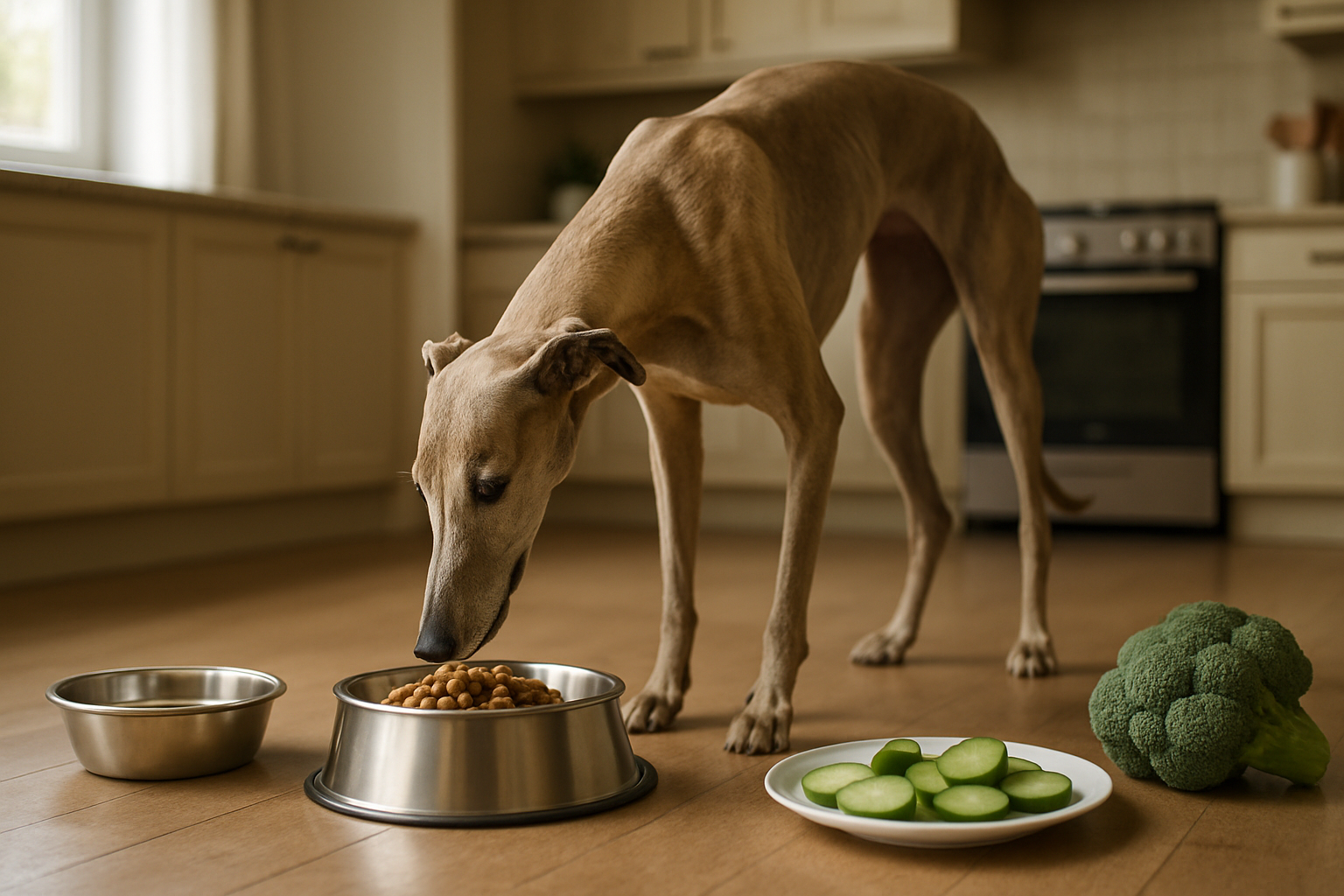
Hydration is equally important. Greyhounds often drink less water than other breeds, yet they need steady access to fresh water to support kidney function and joint health. Adding a bit of low‑salt broth or offering water‑rich foods like cucumber slices can encourage fluid intake. Regular weigh‑ins, either at home or during veterinary visits, help track any unwanted weight changes and allow timely dietary adjustments.
Creating a Comfortable Home: Bedding, Temperature, and Safety
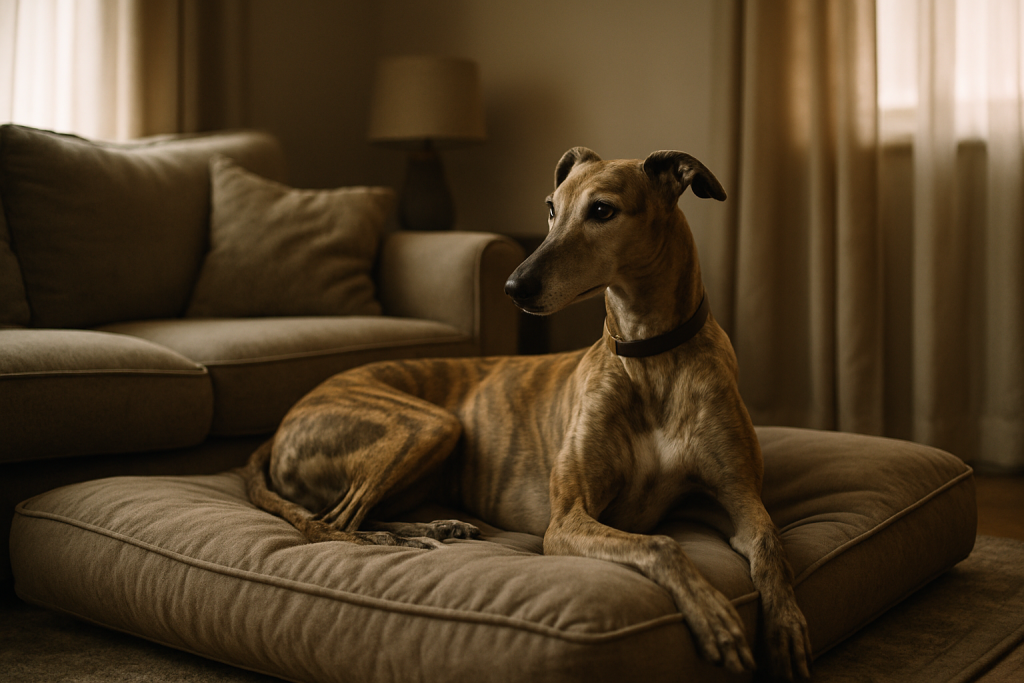
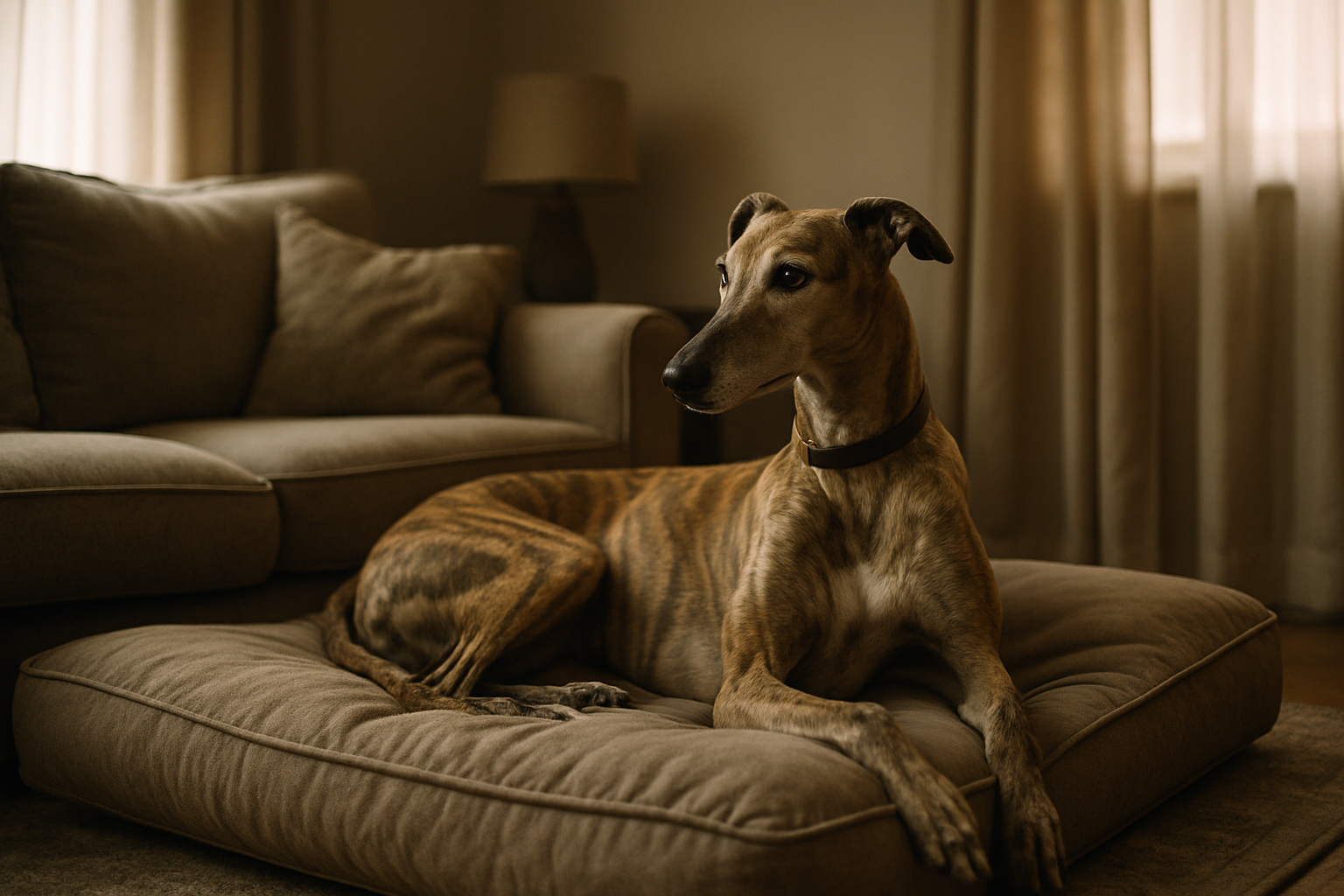
Comfortable bedding is a cornerstone of greyhound retirement care. Because of their thin coats and low body fat, greyhounds benefit from insulated dog beds that retain warmth without overheating. Orthopedic foam cushions provide joint support, reducing the risk of pressure sores for older dogs. Placing the bed in a quiet corner away from drafts, yet near family activity, offers a sense of security while keeping the dog included in daily life.
Safety considerations extend beyond comfort. Greyhounds have a unique skeletal structure with long, delicate limbs that can be easily injured by sharp objects or slippery floors. Installing non‑slip rugs, securing loose cords, and removing low‑lying furniture with sharp edges minimizes accidents. Additionally, because greyhounds are prey‑driven, secure fencing or leash use during outdoor excursions prevents unexpected chases after small animals.
Behavior, Socialization, and Training for a Calm Companion
Retired greyhounds often arrive at their new homes with limited exposure to typical household sounds and other pets. Gentle, consistent socialization helps them adjust to everyday noises such as vacuum cleaners, doorbells, and children’s play. Positive reinforcement—using treats and praise—encourages confidence and reduces fear‑based reactions. Most greyhounds adapt quickly, but patience during the first few weeks is essential to build trust.
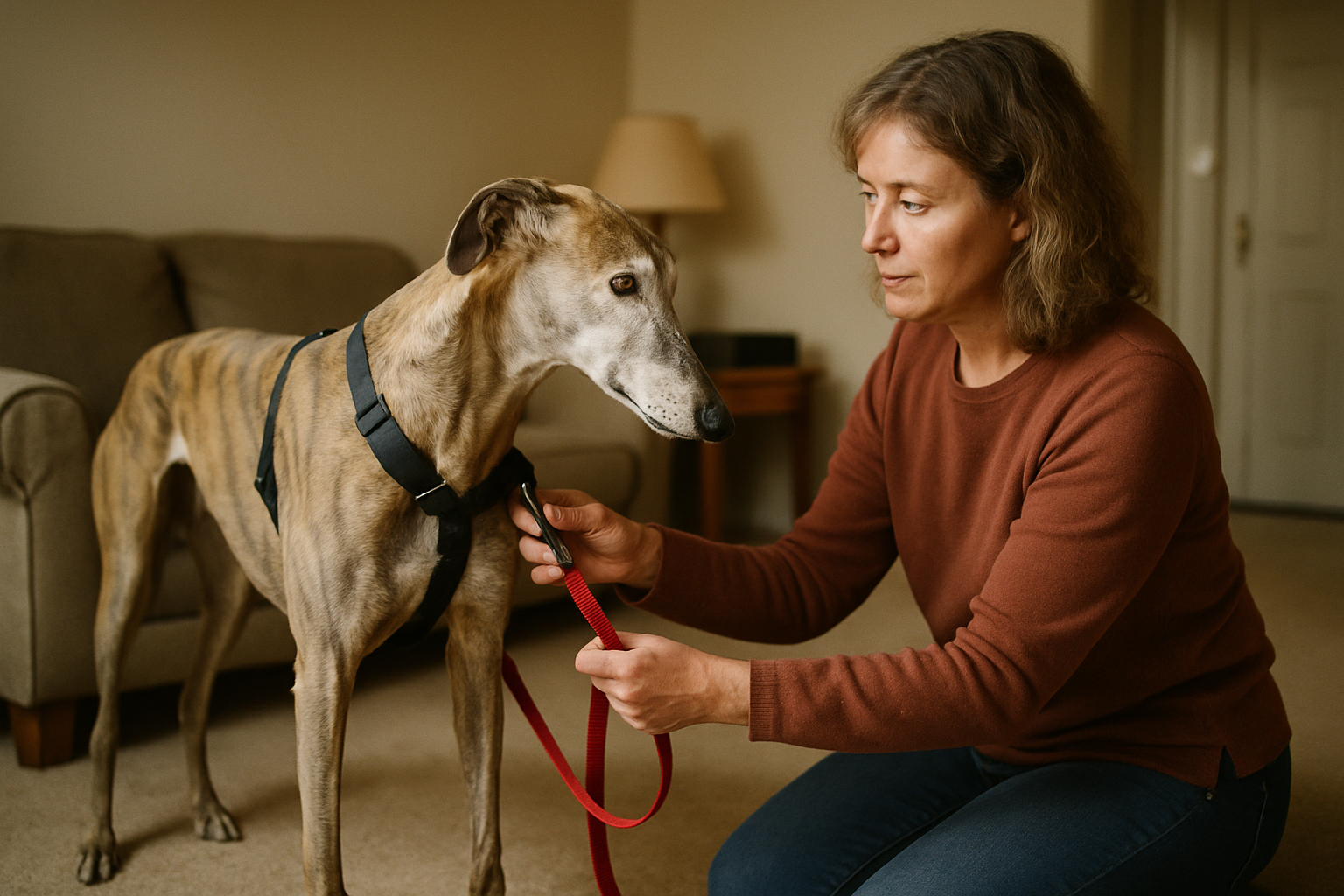
Training a retired greyhound is straightforward due to their intelligence and desire to please. Basic commands like “sit,” “stay,” and “come” can be taught in short sessions, respecting the breed’s modest attention span. Leash walking may require practice, as many greyhounds have a strong instinct to chase. Using a well‑fitted harness and rewarding calm walking behaviors gradually shapes a reliable walking routine, reinforcing the dog’s role as a calm companion rather than a sprinter.
Adoption Pathways, Volunteer Support, and Long‑Term Commitment
Adopting a retired greyhound is a rewarding way to support greyhound retirement care. Organizations such as the Greyhound Trust and regional homing centres match dogs with suitable families, providing detailed health and behavior profiles to ensure a good fit. Prospective owners should complete an adoption questionnaire, attend a meet‑and‑greet, and be prepared for a commitment of 10‑15 years—the typical lifespan of a well‑cared greyhound.
For those unable to adopt, volunteering or donating offers another avenue to assist. Many charities rely on volunteers to foster dogs, transport them to veterinary appointments, or help with socialization events. Financial contributions support veterinary care, spay/neuter programs, and the upkeep of retirement facilities. By staying engaged—whether through fostering, advocacy, or monetary support—community members help guarantee that every retired greyhound receives the dignified, comfortable life it deserves.

Growing up near the local track, I developed a lifelong fascination with the athleticism and strategy behind greyhound racing. I spend my free time analyzing past performances and studying breeding lines to better understand the nuances of every race. Sharing insights and celebrating the incredible speed of these dogs is what keeps me passionate about the sport.