Greyhound kennel management is a specialized discipline that blends veterinary science, animal behavior, and operational logistics to ensure the health, safety, and well-being of these athletic dogs. Whether overseeing a racing kennel, a retirement facility, or a breeding operation, effective management requires meticulous planning, consistent protocols, and a deep understanding of the breed’s unique physical and psychological needs. From daily care routines to long-term welfare strategies, every aspect of kennel management must prioritize the greyhound’s quality of life while maintaining efficiency and compliance with industry standards. This article explores the essential components of greyhound kennel management, offering practical insights for owners, trainers, and caretakers committed to providing the highest standard of care.
Understanding the Greyhound’s Unique Needs
Greyhounds are a distinct breed with physiological and behavioral traits that demand tailored care. Known for their lean musculature and high aerobic capacity, these dogs require a diet rich in high-quality protein and balanced fats to support their energy levels and recovery. Unlike many other breeds, greyhounds have minimal body fat, making them particularly sensitive to temperature extremes. Kennel environments must maintain a stable climate, with adequate ventilation in summer and insulation in winter, to prevent heatstroke or hypothermia. Behavioral considerations are equally important; greyhounds are often described as “45-mile-per-hour couch potatoes” due to their calm demeanor indoors but explosive speed when exercised. This duality means kennel routines must balance structured exercise with ample rest, avoiding overstimulation while ensuring mental engagement.
Beyond physical needs, greyhounds thrive on routine and predictability. Sudden changes in their environment or schedule can lead to stress, which may manifest as lethargy, loss of appetite, or even gastrointestinal issues. Kennel managers must establish consistent feeding times, exercise periods, and social interactions to foster a sense of security. Additionally, greyhounds are pack animals with a strong social hierarchy, so their housing arrangements should allow for controlled interaction with other dogs to prevent conflicts while promoting healthy socialization. Understanding these nuances is the foundation of effective kennel management, as it informs every decision from facility design to daily care protocols.
Designing a Functional and Comfortable Kennel Facility
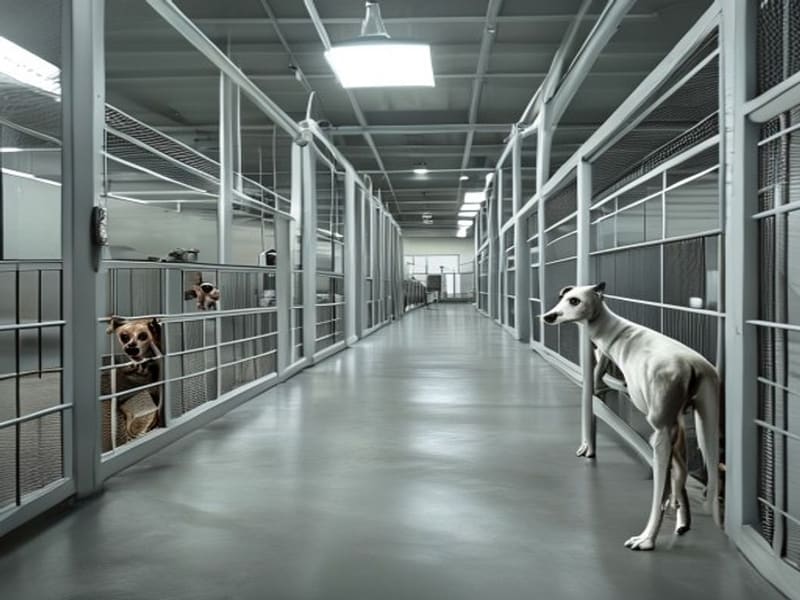
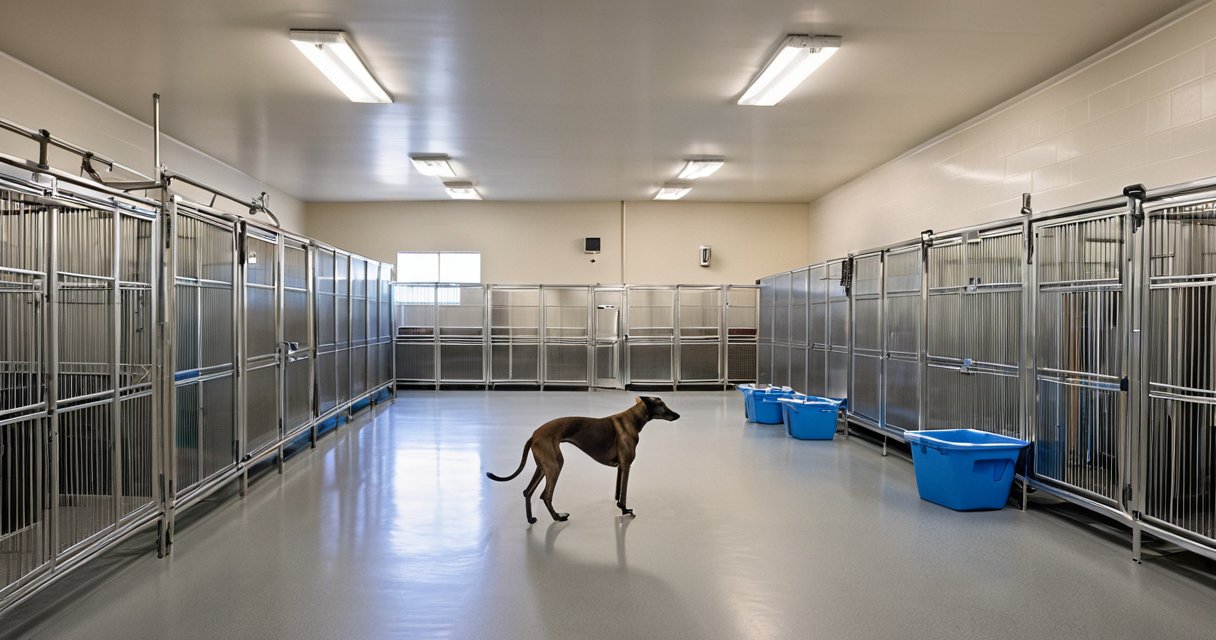
The layout and construction of a greyhound kennel play a critical role in the dogs’ well-being and operational efficiency. A well-designed facility prioritizes space, safety, and hygiene, with separate areas for housing, exercise, feeding, and veterinary care. Each kennel run should provide at least 36 to 48 square feet of space per dog, with dimensions that allow for comfortable movement without feeling cramped. Flooring is a key consideration; non-slip, easy-to-clean surfaces like sealed concrete or rubber matting are ideal, as they reduce the risk of injuries and simplify sanitation. Bedding should be soft yet durable, such as elevated cots or orthopedic mats, to support the greyhound’s lean frame and prevent pressure sores during rest.
Ventilation and temperature control are non-negotiable in kennel design. Greyhounds are prone to overheating, so facilities must incorporate climate control systems, such as HVAC units or fans, to maintain temperatures between 60°F and 75°F (15°C to 24°C). In colder climates, insulated walls and heated floors can prevent discomfort, while shaded outdoor areas with misting systems help during warmer months. Lighting should mimic natural daylight cycles to regulate the dogs’ circadian rhythms, with dimmable options for nighttime. Noise reduction is another often-overlooked factor; greyhounds are sensitive to loud or sudden sounds, so kennels should be located away from high-traffic areas and constructed with sound-absorbing materials like acoustic panels or thick insulation. Finally, the facility should include designated quarantine areas for new or sick dogs, as well as secure storage for food, medications, and cleaning supplies to prevent contamination or accidental ingestion.
Daily Care and Routine Management
A structured daily routine is the backbone of greyhound kennel management, ensuring that all dogs receive consistent care while minimizing stress. The day typically begins with a health check, where caretakers observe each dog for signs of illness, injury, or behavioral changes. This includes monitoring appetite, stool quality, energy levels, and any visible discomfort. Feeding schedules should be strictly adhered to, with high-quality commercial or homemade diets tailored to the dog’s age, activity level, and health status. Racing greyhounds, for example, may require diets higher in protein and calories, while retired or less active dogs benefit from lower-calorie options to prevent weight gain. Fresh water must be available at all times, with bowls cleaned and refilled multiple times daily to prevent bacterial growth.
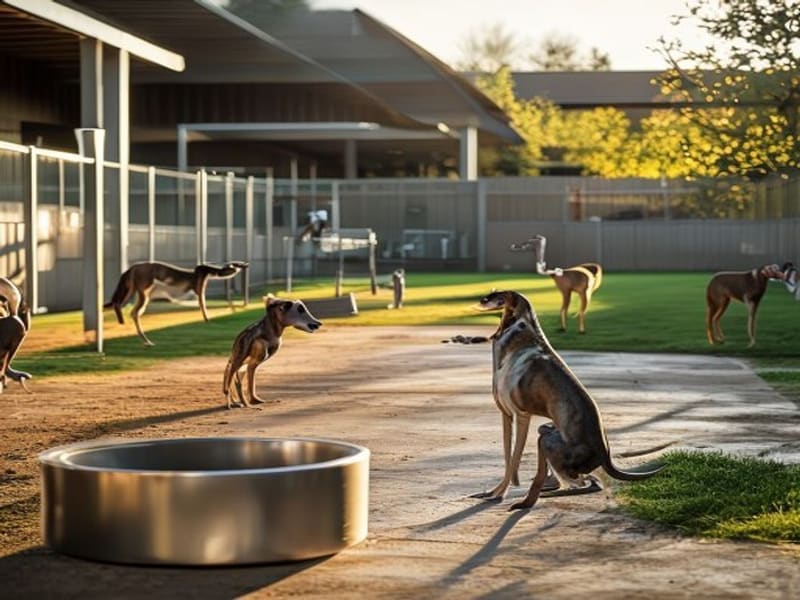
Exercise is a critical component of daily care, but the type and duration depend on the dog’s life stage. Active racing greyhounds may need two to three short, high-intensity sprint sessions per day, followed by leash walks for mental stimulation. Retired or non-racing dogs, on the other hand, thrive on moderate exercise like long walks, playtime in secure yards, or enrichment activities such as puzzle feeders. Kennel staff should also incorporate grooming into the daily routine, including brushing to remove loose hair, nail trimming every 3-4 weeks, and regular ear cleaning to prevent infections. Socialization is equally important; greyhounds should have opportunities to interact with humans and other dogs in controlled settings to maintain their social skills and prevent anxiety. Finally, the end of the day should include a final health check, a calm environment for rest, and a thorough cleaning of kennels to maintain hygiene and prevent the spread of disease.
Health Monitoring and Veterinary Care
Proactive health monitoring is essential in greyhound kennel management, as early detection of issues can prevent minor problems from becoming serious. Kennel staff should be trained to recognize common breed-specific health concerns, such as dental disease, skin sensitivities, and musculoskeletal injuries. Dental care is particularly important, as greyhounds are prone to periodontal disease due to their narrow jaws and crowded teeth. Daily tooth brushing or the use of dental chews can help maintain oral health, while annual professional cleanings under anesthesia are recommended. Skin conditions, such as allergies or “track leg” (a condition caused by abrasions from racing), require regular inspection and prompt treatment with topical ointments or medicated shampoos.
Veterinary care should be integrated into the kennel’s routine, with a licensed veterinarian conducting regular check-ups at least twice a year. These visits should include vaccinations, parasite control (flea, tick, and heartworm prevention), and bloodwork to monitor organ function. Greyhounds are also susceptible to certain genetic conditions, such as osteosarcoma (bone cancer) and hypothyroidism, so kennel managers should work with veterinarians to develop screening protocols for early detection. In racing kennels, pre- and post-race veterinary inspections are mandatory to assess the dog’s fitness and identify any injuries sustained during competition. Kennel staff should maintain detailed health records for each dog, including vaccination histories, medical treatments, and behavioral notes, to ensure continuity of care. Additionally, a well-stocked first-aid kit should be readily available, containing items like wound disinfectants, bandages, and emergency medications for common issues like heatstroke or allergic reactions.
Staff Training and Welfare Standards
The success of a greyhound kennel hinges on the knowledge and dedication of its staff. All caretakers, from managers to entry-level assistants, should undergo comprehensive training in breed-specific care, animal behavior, and emergency protocols. This includes learning how to handle greyhounds safely, as their lean bodies and sensitive temperaments require gentle but confident handling to avoid injury. Staff should also be trained in recognizing signs of stress, illness, or pain, as greyhounds are stoic by nature and may not show obvious symptoms until a condition is advanced. Regular workshops or certifications in animal first aid, nutrition, and kennel management can further enhance staff competency and ensure consistent care standards.
Welfare standards must be clearly defined and strictly enforced to meet industry regulations and ethical guidelines. In licensed racing kennels, for example, the Greyhound Board of Great Britain (GBGB) mandates quarterly inspections by track safety experts, independent veterinary oversight, and adherence to weather policies that protect dogs from extreme conditions. Kennel managers should familiarize themselves with these standards and implement additional internal protocols, such as daily welfare checks, enrichment programs, and retirement planning for dogs no longer suited to racing. Staff should also be educated on the importance of positive reinforcement training, avoiding punitive methods that can damage the dog’s trust and well-being. Transparency is key; kennels should maintain open communication with regulatory bodies, veterinarians, and the public to demonstrate their commitment to greyhound welfare. This not only builds trust but also ensures that the facility remains compliant with evolving industry standards.
Biosecurity and Disease Prevention
Biosecurity is a cornerstone of greyhound kennel management, as the close quarters and high turnover of dogs in racing or boarding facilities create ideal conditions for disease transmission. A robust biosecurity plan should include protocols for isolating new or sick dogs, disinfecting shared spaces, and controlling visitor access. New dogs should undergo a mandatory quarantine period of at least 10-14 days, during which they are monitored for signs of illness and receive a full veterinary examination. Kennel surfaces, including floors, walls, and bedding, should be cleaned and disinfected daily using veterinary-approved products that target common pathogens like parvovirus, distemper, and kennel cough. High-touch areas, such as door handles, feeding bowls, and grooming tools, require even more frequent sanitization to prevent cross-contamination.
Vaccination is the first line of defense against infectious diseases. All greyhounds in a kennel should be up to date on core vaccines, including rabies, distemper, parvovirus, and adenovirus, as well as non-core vaccines like bordetella (kennel cough) and leptospirosis, depending on regional risks. Parasite control is equally critical; monthly preventatives for fleas, ticks, and heartworms should be administered year-round, with fecal exams conducted every 3-6 months to detect intestinal parasites. Kennel staff should also be trained to recognize and report signs of contagious illnesses, such as coughing, nasal discharge, or lethargy, to prevent outbreaks. In the event of an outbreak, affected dogs should be isolated immediately, and the kennel should implement enhanced cleaning protocols, such as steam cleaning or UV disinfection, to eradicate the pathogen. By prioritizing biosecurity, kennel managers can protect the health of their dogs and maintain a safe environment for staff and visitors alike.
Retirement and Rehoming Strategies
Greyhounds have a lifespan of 12-15 years, but their racing careers typically end by age 4-5, making retirement and rehoming a critical aspect of kennel management. A well-structured retirement plan ensures that dogs transition smoothly into post-racing life, whether through adoption, breeding programs, or long-term care within the kennel. Kennel managers should begin evaluating a dog’s suitability for retirement well before their racing days end, considering factors like temperament, health, and adaptability to non-racing environments. Dogs with calm, sociable personalities are often ideal candidates for adoption, while those with high energy or specialized skills may thrive in breeding or performance roles.
Adoption programs require careful planning to match greyhounds with suitable homes. Potential adopters should undergo a thorough screening process, including home visits, interviews, and compatibility assessments to ensure they can meet the dog’s needs. Kennel staff should provide adopters with detailed information on greyhound care, including diet, exercise, and common health issues, as well as ongoing support through training resources or follow-up visits. For dogs that are not adopted, kennels should have a long-term care plan in place, such as a retirement wing or partnerships with sanctuaries that specialize in senior greyhounds. Financial planning is also essential; kennels should budget for retirement costs, including veterinary care, food, and housing, to ensure that all dogs receive the care they deserve throughout their lives. By prioritizing retirement and rehoming, kennel managers can uphold their ethical responsibility to the dogs and contribute to the positive reputation of the greyhound racing industry.

Growing up near the local track, I developed a lifelong fascination with the athleticism and strategy behind greyhound racing. I spend my free time analyzing past performances and studying breeding lines to better understand the nuances of every race. Sharing insights and celebrating the incredible speed of these dogs is what keeps me passionate about the sport.