Understanding Greyhound Nutritional Needs
Greyhounds possess an athletic build characterized by long legs and a streamlined body, paired with a high metabolism that allows them to maintain speed and stamina. Consequently, greyhound nutrition must supply ample energy while preventing unnecessary weight accumulation that could impair performance or health.
Dog diet basics form the foundation for any pet feeding strategy. Proteins should constitute a significant portion of the diet to support muscle development and repair. Carbohydrates provide sustained energy, and healthy fats contribute to coat quality and overall vitality. For greyhounds, selecting foods with high bioavailability ensures efficient nutrient absorption.
Greyhound health is directly impacted by consistent and appropriate pet feeding. It is advisable to divide daily rations into two or three meals to accommodate their rapid digestive processes. This method helps maintain steady energy levels and reduces the risk of bloating, a concern for deep-chested breeds.
When formulating a greyhound nutrition plan, consider the dog’s age, activity level, and any underlying conditions. Puppies, adults, and seniors have varying needs, with active racers or runners requiring more calories. Always provide fresh water to support hydration, especially important for dogs with high energy outputs.
Incorporating supplements may enhance greyhound health when recommended by a vet. For instance, omega-3 fatty acids can aid in reducing inflammation from intense exercise. Avoid human foods that are toxic to dogs, such as chocolate or grapes, as part of responsible pet feeding.
Regular monitoring of body weight and condition is essential in greyhound nutrition. Adjust portions as needed to keep your pet at an ideal weight. This proactive approach fosters long-term well-being and prevents obesity-related issues. By integrating these elements into your routine, you ensure that your greyhound receives optimal nutrition tailored to its unique physiology and lifestyle.
Macronutrients for Greyhound Performance
Macronutrients form the foundation of every effective feeding plan for greyhounds, whether they are still competing or have moved into retirement. Proteins, fats, and carbohydrates each deliver unique benefits that support muscle maintenance, sustained energy, and overall health when supplied through a balanced greyhound diet.
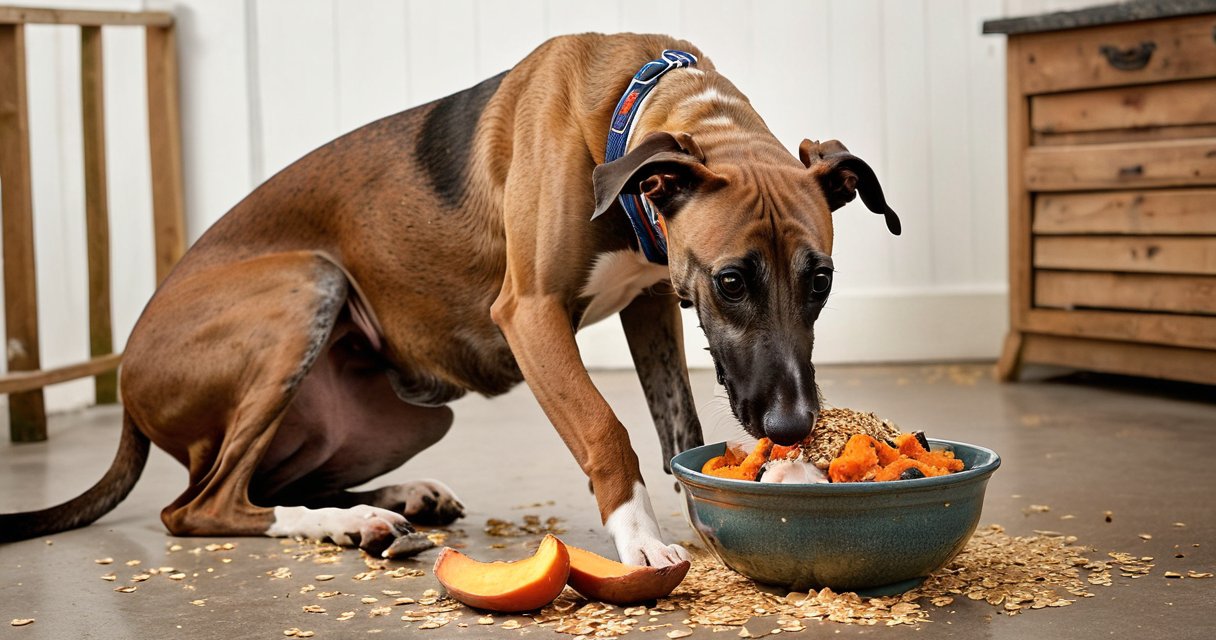
Greyhound protein supplies the amino acids necessary for repairing muscle fibers stressed during high-speed runs and for preserving lean mass once dogs retire. Quality sources such as chicken, fish, and eggs deliver complete amino-acid profiles that active greyhounds need for rapid recovery and retired greyhounds require to maintain strength without excess calories.
Dog fats carbs work together to meet the breed’s high energy demands. Fats furnish concentrated, long-lasting fuel that supports endurance, joint lubrication, and the absorption of essential vitamins while promoting a glossy coat. Carbohydrates, particularly complex varieties from oats and sweet potatoes, provide quick glucose for explosive sprints and help stabilize blood sugar throughout the day.
Selecting appropriate nutrition sources ensures these macronutrients remain in optimal balance. Lean meats and organ meats cover protein needs, while fish oil and flaxseed supply beneficial fats. Whole grains and vegetables round out carbohydrate intake without causing digestive upset common in sensitive sighthounds.
Active greyhounds typically thrive on slightly higher fat and protein ratios to match intense training loads, whereas retired dogs benefit from moderated carbohydrate levels that prevent unwanted weight gain. Monitoring body condition and adjusting portions keeps every greyhound at peak health across life stages.
Regular veterinary guidance combined with consistent use of high-quality nutrition sources allows owners to fine-tune macronutrient ratios according to age, activity level, and individual metabolism. The result is a balanced greyhound diet that sustains performance, supports recovery, and promotes lifelong vitality.
Protein Requirements for Greyhounds
Greyhounds demand elevated levels of protein in their diet due to their high-energy lifestyle and muscular structure. Experts recommend optimal protein percentages ranging from 25% to 32% in daily rations to effectively support bodily functions and activity demands. This balance is key for active breeds.
Selecting high protein dog food formulated with premium ingredients ensures that greyhound muscle receives the amino acids it needs for repair and growth. Lean meat sources such as poultry, fish, and select red meats stand out as ideal choices because they deliver concentrated nutrition without unnecessary fats.
Adequate protein intake plays a vital role in preserving the slender and powerful build characteristic of greyhounds. By focusing on these quality proteins, owners can help their pets avoid excess weight while promoting strong, lean muscles essential for speed and agility. Regular exercise combined with proper nutrition yields the best results.
Furthermore, consistent monitoring allows for adjustments in protein intake based on individual needs, training intensity, and age. This tailored approach maximizes health benefits and longevity in these remarkable athletes. Veterinary guidance is always recommended for personalized plans.
Fats and Carbohydrates Balance
In greyhound nutrition, achieving proper diet balance between fats and carbohydrates supports peak performance and long-term health. Healthy dog fats deliver essential fatty acids that promote coat health and provide sustained energy for racing or daily activity. Quality sources such as salmon oil, chicken fat, and flaxseed offer omega-3 and omega-6 nutrients that maintain skin integrity and a glossy coat while fueling efficient greyhound metabolism without excess calories.
These healthy dog fats integrate smoothly into meals, supporting hormone balance and reducing inflammation common in active dogs. Portion control remains key, as overfeeding can strain greyhound metabolism and lead to unwanted weight gain.
Pairing fats with the right carbs for energy completes the nutritional profile. Complex carbohydrates from sweet potatoes, brown rice, and oats supply steady glucose release that avoids digestive issues in sensitive greyhounds. Unlike simple starches, these options provide fiber that promotes gut regularity and prevents bloating or loose stools often seen in the breed.
A thoughtful diet balance ensures healthy dog fats and carbs for energy work together to optimize greyhound metabolism. Monitoring individual responses and consulting a veterinarian allows precise adjustments for each dog’s activity level, resulting in improved vitality and coat condition.
Daily Feeding Guidelines and Schedules
Establishing a consistent greyhound feeding schedule is essential for maintaining optimal health and preventing digestive issues. Adult greyhounds typically benefit from a meal frequency of two meals per day, spaced about 12 hours apart, such as in the morning and evening. This routine helps regulate digestion and energy levels throughout the day, keeping your dog satisfied and active.
When it comes to portion control dogs, it is crucial to measure food accurately based on the dog’s weight, age, and activity level. A general guideline is to feed 2-3 cups of high-quality kibble daily, divided into two portions, but always consult the food packaging or a veterinarian for precise recommendations tailored to your greyhound. Using a kitchen scale for kibble or wet food ensures accuracy and supports effective weight management.
For puppies, increase meal frequency to three or four smaller meals to support their rapid growth and development. As greyhounds age into their senior years, reduce portions slightly to prevent unnecessary weight gain while ensuring they receive adequate nutrition for joint health and vitality. Active greyhounds involved in racing or regular exercise may require up to 20% more food to meet their heightened energy demands, whereas less active pets need smaller amounts to avoid obesity.
Weight management plays a key role in greyhound nutrition. Monitor your dog’s body condition regularly by checking for a visible waist and feeling the ribs without excess fat. Adjust portions accordingly if your greyhound is overweight by decreasing daily intake gradually and increasing exercise opportunities. Conversely, underweight dogs may need larger portions or more frequent meals supplemented with calorie-dense foods.
Incorporate treats into the overall calorie count to maintain balance and prevent overfeeding. Always provide fresh water alongside meals to aid digestion. By following these guidelines on greyhound feeding schedule and portion control dogs, you can ensure your greyhound thrives on a well-managed feeding routine that promotes longevity and happiness.
Selecting Quality Dog Food and Supplements
When selecting the best dog food greyhounds, start by examining product labels closely. Look for clear ingredient lists that prioritize high-quality proteins such as chicken, beef, or fish as the first components, followed by whole grains and vegetables. Avoid formulas loaded with fillers, artificial colors, or excessive by-products that offer little nutritional value.
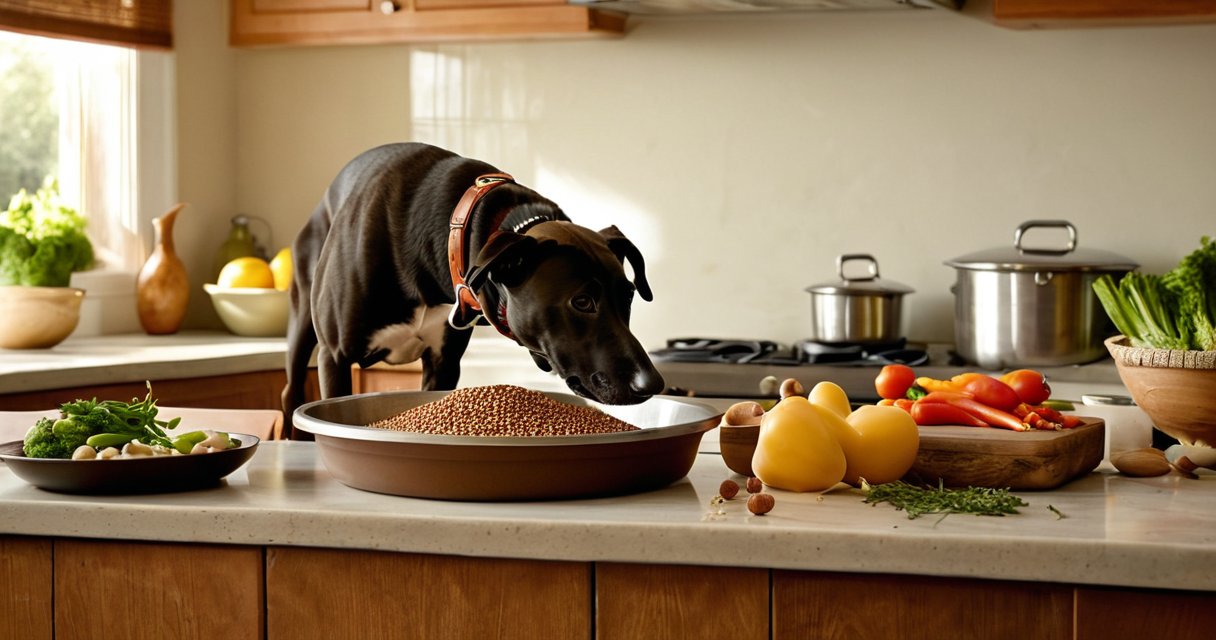
Always choose commercial dog food products that meet AAFCO standards for complete and balanced nutrition. These approvals confirm the formula provides essential nutrients for adult maintenance or growth stages, which is vital for maintaining greyhound wellness. Compare guaranteed analysis panels to ensure appropriate protein and fat levels suited to a sighthound’s active metabolism.
Nutrition supplements may be considered only when recommended by a veterinarian, particularly for greyhounds with specific deficiencies or health conditions. Common options include omega-3 fatty acids for joint support or probiotics for digestive health, but these should complement rather than replace a solid base diet.
Diet additives such as bone meal or kelp can enhance meals when used sparingly and under professional guidance. Monitor your greyhound’s response to any changes, watching for improved coat condition, energy levels, and stool quality. Regular veterinary check-ups help determine if additional nutrition supplements are necessary for long-term wellness.
Transitioning to a new commercial dog food should occur gradually over seven to ten days to prevent digestive upset. Premium formulas designed for large breeds often work well, delivering sustained energy without excess calories that could lead to weight gain in retired racers.
By prioritizing AAFCO-approved options and using vet-recommended nutrition supplements or diet additives only when needed, owners can optimize their greyhound’s diet effectively. Consistent label evaluation ensures ongoing quality and supports overall vitality throughout the dog’s life.

Growing up near the local track, I developed a lifelong fascination with the athleticism and strategy behind greyhound racing. I spend my free time analyzing past performances and studying breeding lines to better understand the nuances of every race. Sharing insights and celebrating the incredible speed of these dogs is what keeps me passionate about the sport.