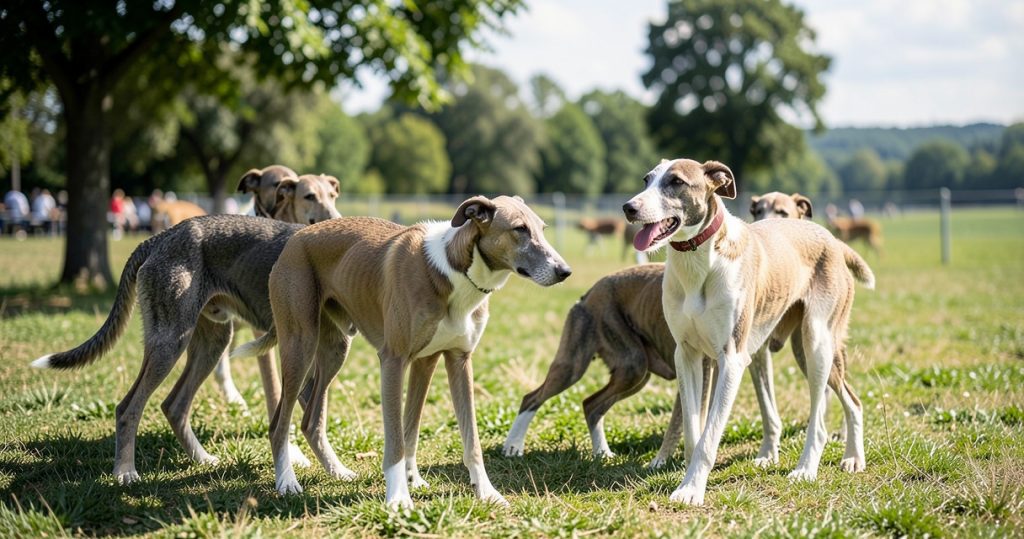
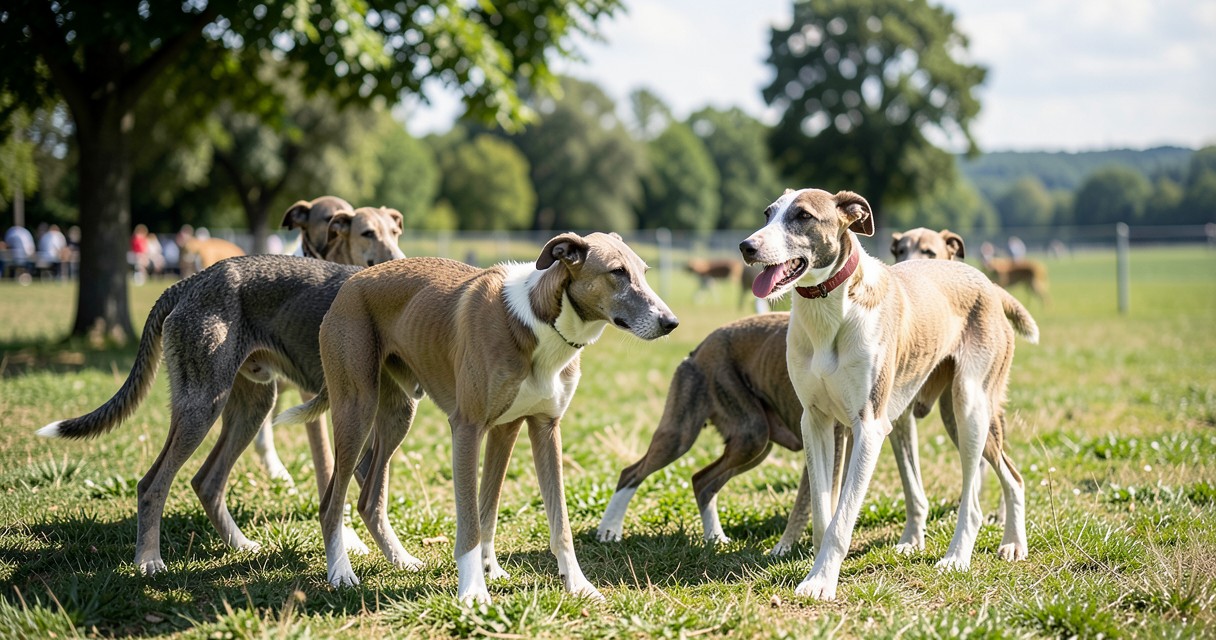
As a long-time animal lover and volunteer, I have seen firsthand the impact that greyhound racing volunteer opportunities can have on these incredible dogs. With many states banning greyhound racing, the need for volunteers to help care for and adopt out retired racing greyhounds has never been greater. In fact, according to recent reports, adoptions of ex-racing dogs have jumped 26 percent in some areas, a trend that I believe will continue as more people learn about these gentle and loving animals. Many organizations, such as Greyhound Friends, are working tirelessly to support the adoption of ex-racing dogs across the country. By volunteering with these groups, individuals can make a real difference in the lives of these dogs, helping to socialize them, provide medical care, and ultimately find them forever homes. With their calm and affectionate nature, it’s no wonder that retired racing greyhounds are winning over the hearts of many.
Track Day Steward Roles and Responsibilities
Track day stewards play a vital role in ensuring the smooth operation and safety of greyhound racing events. They are responsible for overseeing the entire race day process, which includes managing the arrival and preparation of the dogs, coordinating with trainers, and ensuring that all safety protocols are strictly followed. Stewards are tasked with inspecting the track conditions and making real-time decisions to address any issues that may arise, such as weather changes or track irregularities. This proactive approach is crucial in maintaining a safe environment for both the dogs and the participants, thereby enhancing the integrity of the sport.
Additionally, stewards are responsible for enforcing the rules of racing, which involves monitoring the conduct of trainers and handlers. They must be vigilant in identifying any potential violations related to the treatment of greyhounds, ensuring that all animals are treated ethically and humanely throughout the event. This includes overseeing the post-race evaluations, where the health and well-being of the dogs are assessed. By maintaining a high standard of oversight, track day stewards not only contribute to the welfare of the greyhounds but also uphold the reputation of greyhound racing as a fair and responsible sport.
Animal Welfare Monitoring and Care Volunteer Positions
Volunteers dedicated to animal welfare monitoring and care play an essential role in supporting retired racing greyhounds. These positions often involve hands-on tasks such as feeding, grooming, and socializing with the dogs, which helps to prepare them for adoption. Volunteers may also be responsible for monitoring the health and behavior of the animals, ensuring that any signs of distress or illness are promptly reported to veterinary staff. This close interaction not only enhances the dogs’ well-being but also fosters a nurturing environment that is crucial for their transition into family life.
Additionally, animal welfare volunteers often engage in educational outreach, informing the public about the needs of retired racing greyhounds and promoting adoption initiatives. This aspect of the role can include organizing events, creating informational materials, and participating in community outreach programs. By sharing their experiences and knowledge, volunteers help to change perceptions about these dogs, highlighting their potential as loving pets. With the increase in adoptions, especially a reported 26 percent rise in some regions, the impact of dedicated volunteers is becoming increasingly evident in giving these dogs a second chance at life.
Community Outreach Programs for Greyhound Racing Fans
Community outreach programs focused on greyhound racing fans serve as a vital bridge between the sport and the broader public, fostering a deeper understanding of the breed and its needs. Many organizations actively engage fans through events such as adoption days, educational workshops, and volunteer initiatives, aiming to create a supportive network for retired racing greyhounds. For instance, local greyhound adoption groups often host meet-and-greets, allowing potential adopters to interact with the dogs and learn about their care and temperament. These events not only promote adoption but also dispel myths surrounding the breed, showcasing their gentle and affectionate nature.
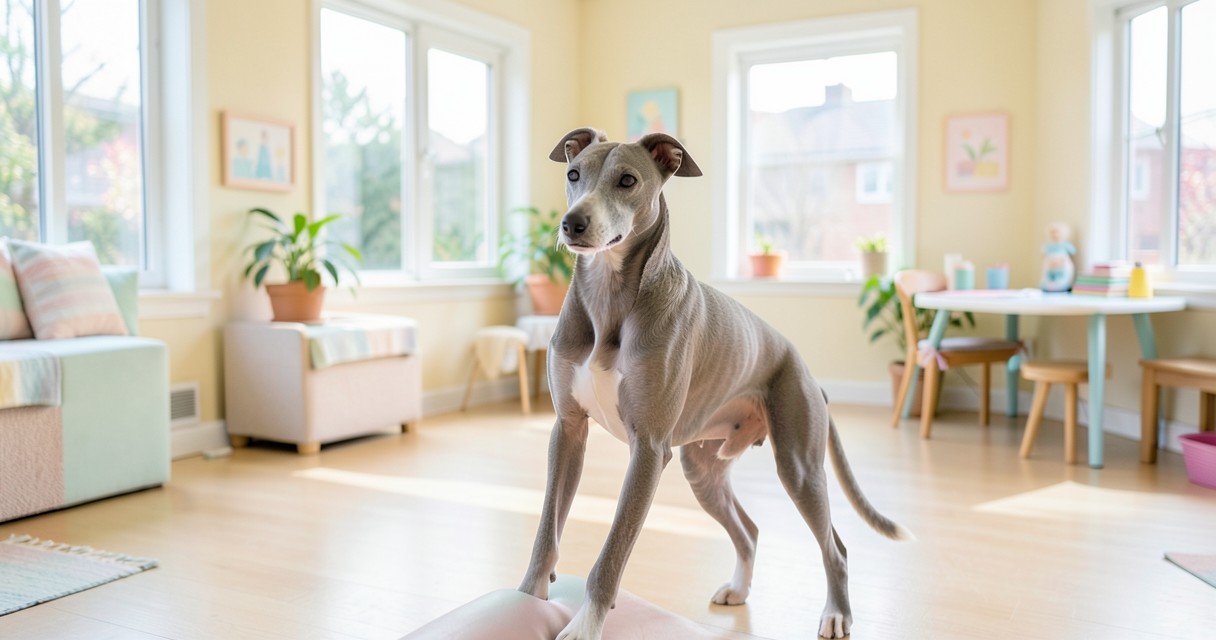
Moreover, outreach programs frequently include partnerships with schools and community centers to educate young people about responsible pet ownership and animal welfare. Through presentations and hands-on activities, participants can learn about the life cycle of greyhounds, their history in racing, and the importance of humane treatment. Some programs even involve training sessions where fans can volunteer to help socialize retired racers, preparing them for life as beloved family pets. Such initiatives not only enhance community awareness but also cultivate a dedicated volunteer base that is instrumental in promoting the welfare of these remarkable dogs.
Data Collection and Timing Assistance for Race Results
Accurate data collection and timing are essential components of greyhound racing, ensuring that every race is recorded with precision. Volunteers play a vital role in this process, assisting with the capture of race results, which involves noting the finishing order of the dogs and their respective times. This information not only informs fans and bettors but also contributes to the overall integrity of the racing community. Volunteers may use timing systems that can measure the dogs’ performance down to the hundredth of a second, making their role critical in maintaining accurate records for future reference and analysis.
In addition to recording results, volunteers often help in compiling statistics that can be used to evaluate a dog’s racing history. This might include tracking individual race performances, win-loss records, and even health and training updates. Such data is invaluable for trainers and owners who seek to improve their dogs’ performance. The role of volunteers in this area goes beyond mere data entry; they become integral members of the racing team, ensuring that every detail is captured accurately and efficiently. Their contributions help build a transparent environment where fans and participants can trust the integrity of the results presented.
Fundraising and Sponsorship Coordination for Greyhound Clubs
Greyhound clubs rely heavily on effective fundraising and sponsorship coordination to support their operations and promote the welfare of retired racing greyhounds. These clubs often organize various events such as charity races, auctions, and community outreach programs to raise funds. For instance, hosting a charity race can not only attract local attention but also generate significant revenue through entry fees, sponsorships from local businesses, and merchandising. Engaging the community through social media and local news outlets can amplify these efforts, creating a buzz around events that highlight the need for support in rehoming and caring for retired dogs.
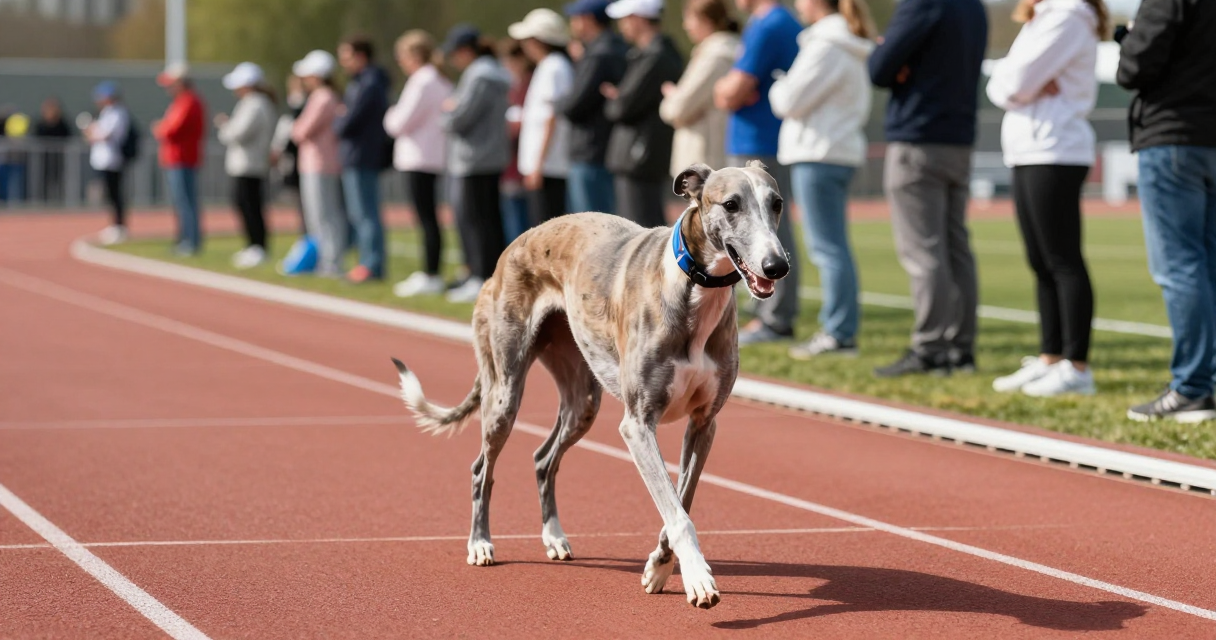
In addition to event-based fundraising, establishing lasting partnerships with local businesses can provide a steady stream of sponsorship. Many businesses are eager to support animal welfare initiatives as part of their corporate social responsibility. By offering sponsorship packages that include advertising opportunities at events or promotional materials, greyhound clubs can incentivize businesses to contribute financially. For example, a local pet store might sponsor a dog adoption day, providing both financial support and visibility to potential customers. This symbiotic relationship not only benefits the clubs but also enhances the community’s involvement in the welfare of greyhounds.
Education and Training Workshops for New Volunteers
To ensure that new volunteers are well-prepared for their roles in greyhound racing organizations, comprehensive education and training workshops are essential. These workshops typically cover a range of topics, including the specific needs of retired racing greyhounds, safety protocols, and effective handling techniques. For instance, volunteers learn how to assess the temperament of individual dogs, which is crucial for matching them with potential adopters. Additionally, workshops may include hands-on training sessions where volunteers practice leash handling, grooming, and basic obedience commands, allowing them to gain confidence and competence in their interactions with the dogs.
Workshops also emphasize the importance of understanding the greyhound breed and its unique characteristics. Volunteers are educated about the common health issues that retired racers may face, such as hip dysplasia or dental problems, enabling them to provide informed care. Furthermore, these sessions often incorporate guest speakers, such as veterinarians or experienced foster caregivers, who share valuable insights and tips. This combination of knowledge and practical skills equips volunteers to advocate effectively for the dogs and ensures that they can provide the best possible support during the adoption process.

Growing up near the local track, I developed a lifelong fascination with the athleticism and strategy behind greyhound racing. I spend my free time analyzing past performances and studying breeding lines to better understand the nuances of every race. Sharing insights and celebrating the incredible speed of these dogs is what keeps me passionate about the sport.