Introduction to Greyhound Racing Training Facilities
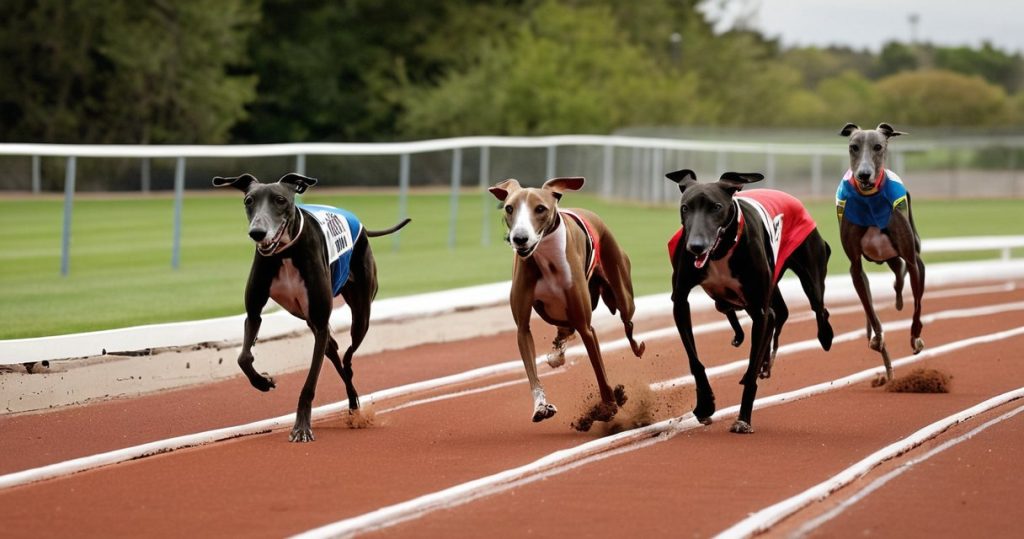
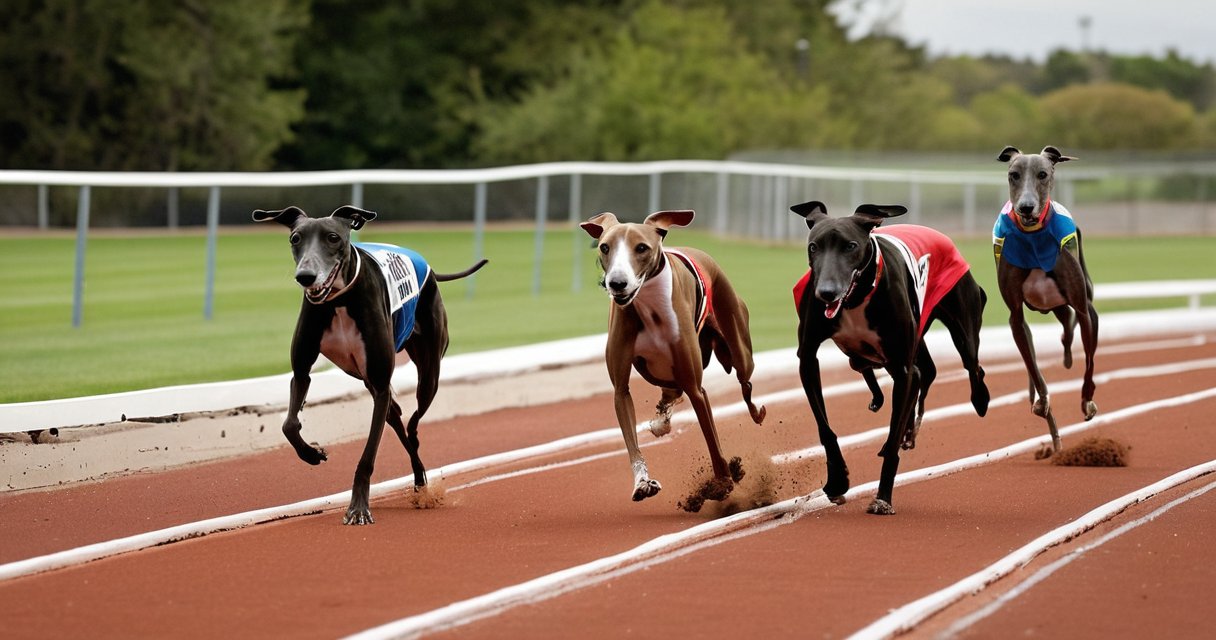
Greyhound racing training facilities are specialized establishments dedicated to the development and conditioning of racing dogs involved in greyhound racing. These facilities serve as the backbone of the sport, offering a controlled setting where trainers can focus on enhancing the natural abilities of greyhounds. They typically include tracks, exercise areas, and recovery zones to support comprehensive training programs.
The main purpose of training facilities is to prepare racing dogs for competitive races. This involves a combination of physical exercises, such as running on oval tracks, resistance training, and simulated race starts. By following these routines, dogs build the necessary speed and endurance required to excel in greyhound racing events. Mental conditioning is also emphasized to help racing dogs handle the pressures of crowds and competition. Trainers monitor progress closely to adjust programs as needed for each individual dog.
The importance of greyhound racing training facilities in the industry cannot be overstated. They have evolved significantly since the early days of greyhound racing, which gained popularity in the 1920s with the introduction of mechanical lures in the United States. Early training methods were rudimentary, often limited to open fields, but modern facilities now use advanced equipment and scientific approaches to optimize performance. This evolution has helped sustain greyhound racing as a professional sport in many countries around the world, including Australia and the United Kingdom.
Furthermore, these training facilities contribute to the overall welfare of racing dogs by providing regular health checks and balanced diets. They play a key role in breeding and selection processes, ensuring that only the best candidates enter the world of competitive greyhound racing. As the industry continues to adapt to new regulations and public expectations, the role of training facilities remains central to maintaining high standards and promoting ethical practices in greyhound racing. In recent years, many training facilities have also incorporated technology like GPS tracking to analyze performance metrics, further enhancing their effectiveness in preparing dogs for success in greyhound racing.
Key Features of Modern Greyhound Training Facilities
In the realm of greyhound racing, top-tier training facilities across the US stand out for their commitment to excellence. Modern facilities integrate cutting-edge design and technology to support every aspect of a greyhound’s development. From the layout of the grounds to the daily routines, everything is optimized for performance and welfare. These centers represent the pinnacle of innovation in the sport.
Essential components include state-of-the-art tracks that offer safe, consistent running surfaces. These tracks often feature advanced drainage and cushioning systems to prevent injuries during intense sessions. Complementing them is sophisticated training equipment, such as electronic lures and speed sensors, which help trainers fine-tune techniques and build endurance effectively. Such tools are indispensable for preparing greyhounds for competition.
Kennels are designed with the utmost attention to comfort and hygiene. Spacious, ventilated units with temperature regulation ensure that greyhounds receive the best possible greyhound care during rest periods. This environment helps maintain their physical and mental health, allowing for quicker recovery between training bouts.
Dedicated exercise areas provide varied terrain and obstacles for comprehensive workouts. These spaces allow for both individual and group sessions, fostering social skills alongside physical fitness. Trainers utilize these zones to implement customized programs tailored to each animal’s needs.
On-site veterinary services are readily available, offering immediate attention to any health concerns. Regular examinations, vaccinations, and specialized treatments are part of the standard protocol, ensuring all animals remain in prime condition. This proactive approach to care is what distinguishes leading facilities.
By combining these elements, modern facilities elevate the standards of greyhound racing training, promoting sustainable practices throughout the industry. The focus remains on creating safe, effective environments that benefit both the sport and the animals involved.
Training Programs and Daily Routines
Training programs in greyhound racing facilities are essential for preparing dogs for the track. These training programs include structured training schedules that start at dawn and incorporate various activities throughout the day. Daily routines are key to effective greyhound conditioning, allowing the animals to adapt to the demands of racing. Handlers monitor progress closely to make necessary adjustments.
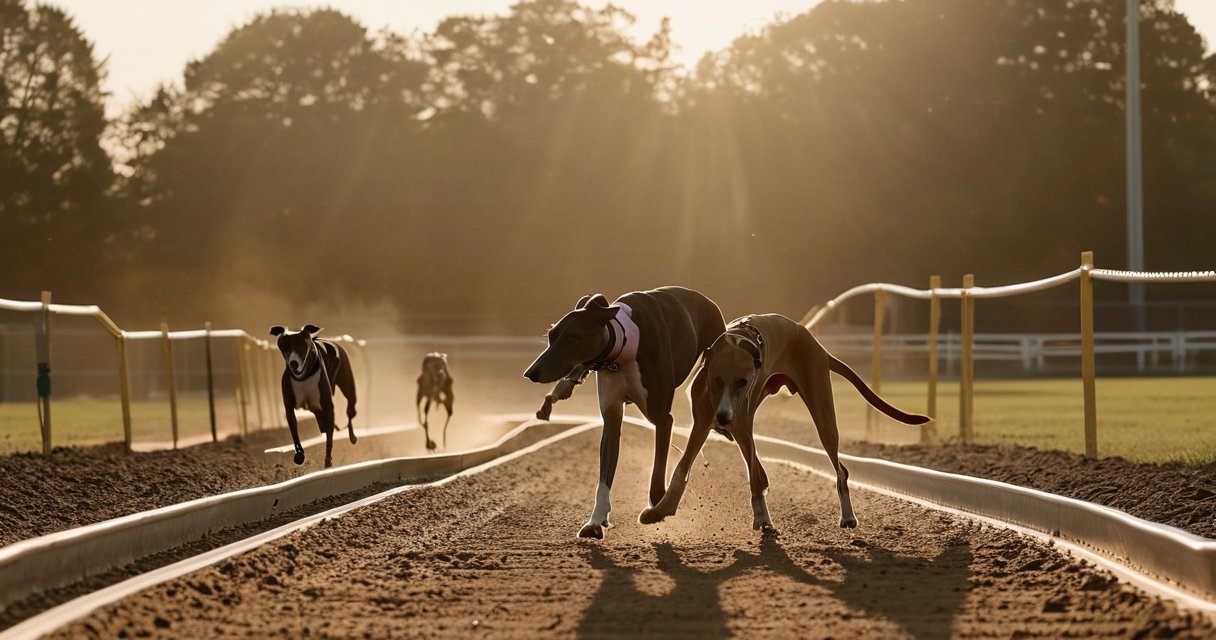
Exercise regimens within the daily routines focus on building speed and endurance. Greyhounds run on straight and curved tracks while pursuing lures. This is supplemented with swimming and weight training to enhance overall fitness. Such varied exercises prevent monotony and target multiple aspects of physical development.
Diet plans support the intense training programs by providing balanced nutrition. High protein meals promote muscle maintenance, while energy-dense foods sustain long training sessions. Specific supplements aid in joint health and recovery, tailored to each greyhound’s needs based on their activity level and age.
Skill development techniques are practiced daily to improve racing skills. Starting gate training helps with quick acceleration, and turn drills enhance agility. Positive methods encourage the dogs to perform at their best during these sessions.
The combination of these elements in daily routines results in superior greyhound conditioning. Professional facilities use this approach to ready greyhounds for competitive events effectively.
Regulations and Safety Standards
Greyhound racing training facilities across the United States operate under a comprehensive framework of racing regulations designed to protect both the animals and the integrity of the sport. These rules encompass federal statutes and individual state mandates that together establish clear licensing requirements, ongoing oversight, and mandatory compliance measures for every training site.
Federal oversight begins with the Animal Welfare Act, which sets minimum standards for the housing, feeding, and veterinary care of greyhounds. Training facilities must obtain proper federal registration when dogs cross state lines for competitions or breeding programs. In addition, the Horse Protection Act and related commerce regulations indirectly influence greyhound operations by requiring documentation that prevents the transport of injured or mistreated animals.
At the state level, racing regulations are typically administered by gaming commissions or agriculture departments. Prospective operators must secure detailed licenses that include background checks, facility inspections, and proof of financial responsibility. Renewal of these licenses depends on maintaining records of every dog’s medical history and training schedule.
Health checks form a cornerstone of compliance. State rules usually require quarterly veterinary examinations, annual bloodwork, and immediate reporting of any contagious conditions. Safety standards mandate padded training surfaces, temperature-controlled kennels, and strict limits on daily exercise intensity to reduce injury risk. Track surfaces used during training must meet specific shock-absorption criteria to protect joints and tendons.
Ethical treatment protocols emphasize animal welfare throughout a greyhound’s career. Facilities are obligated to provide enriched environments, socialization opportunities, and retirement plans that include adoption screening. Any violation of these protocols can result in fines, license suspension, or criminal charges. Regular audits ensure that trainers follow weight-management guidelines and avoid prohibited substances.
Collectively, these layered racing regulations, rigorous safety standards, and dedicated focus on animal welfare create a structured environment that balances competitive demands with responsible care for the dogs.
Choosing the Best Training Facility
Greyhound owners seeking to maximize their dogs’ potential must prioritize selecting facilities with care. The decision impacts training quality and racing performance significantly. Begin by examining the location to ensure it offers favorable conditions for consistent workouts and easy access from your residence, reducing stress on the animals during travel.
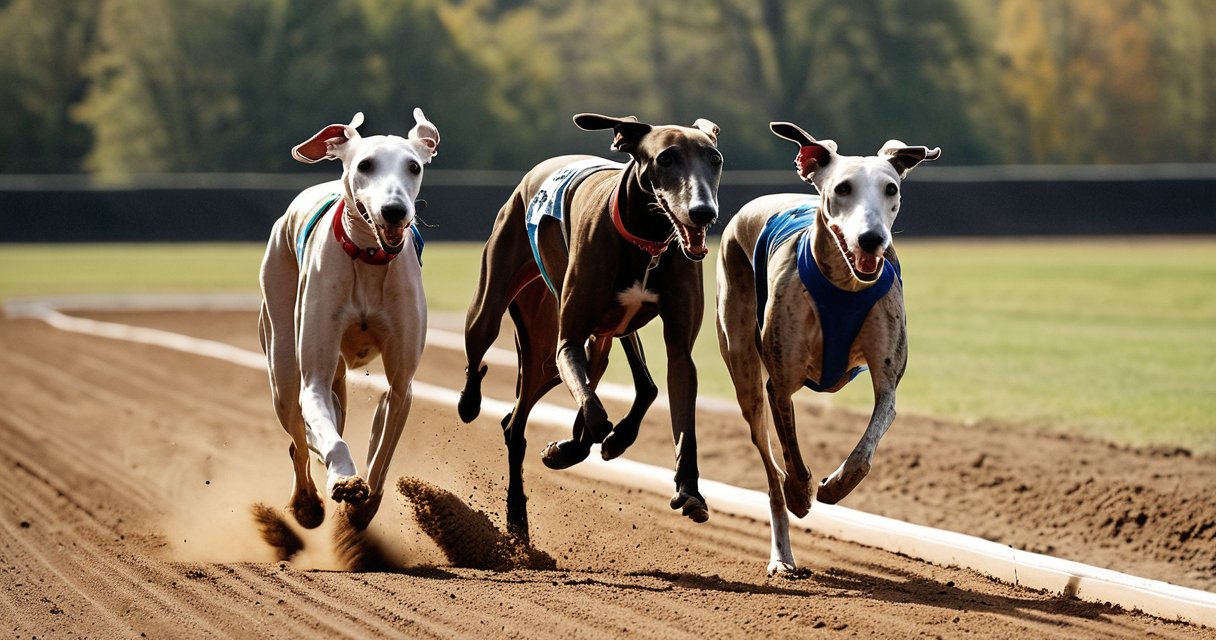
Reputation matters immensely when choosing a training center for competitive greyhound racing. Facilities known for their professional approach and positive testimonials from other greyhound owners tend to deliver superior results. Investigate their background and standing in the greyhound racing community thoroughly before committing to any program.
Costs are a practical consideration that greyhound owners cannot ignore during evaluation. Compare fee structures to confirm they align with your budget while providing comprehensive services such as daily training, boarding, and veterinary support. High-quality training at reasonable prices represents the best value for your investment in the dog’s future.
Success rates offer concrete evidence of a facility’s effectiveness in preparing racers. Review records of past trainees and their achievements in actual competitions to gauge potential outcomes. Facilities boasting impressive success rates likely employ proven best practices that translate into consistent wins on the track.
Amenities play a vital role in ensuring optimal dog preparation at any chosen site. Look for modern infrastructure, expert personnel, safe exercise tracks, and additional services like health monitoring or nutritional planning. These features enhance the overall training experience and support the greyhound’s physical and mental well-being throughout the program.
Ultimately, integrating all these aspects—location, reputation, costs, success rates, and amenities—guides greyhound owners in selecting facilities wisely. Following established best practices throughout this evaluation process leads to informed decisions that benefit the greyhounds’ racing careers and long-term health.

Growing up near the local track, I developed a lifelong fascination with the athleticism and strategy behind greyhound racing. I spend my free time analyzing past performances and studying breeding lines to better understand the nuances of every race. Sharing insights and celebrating the incredible speed of these dogs is what keeps me passionate about the sport.