Understanding the financial commitment behind top-tier greyhound performance requires looking beyond basic kennel fees and into the specialized protocols of D1 training. The question of how much does d1 training cost often confuses new owners because it encompasses a complex mix of nutritional, medical, and logistical expenses that vary significantly by region. For those aiming to place their dogs in elite racing circuits, the initial investment typically ranges from $2,000 to $5,000 per month, depending on the intensity of the schedule and the specific facilities used. This figure is not static; it fluctuates based on the dog’s age, health history, and competitive goals, making accurate budgeting a critical first step for any serious breeder or handler.
Assessing Baseline Kennel and Care Expenses
Before you calculate advanced training costs, you must establish a clear baseline for daily housing and basic care requirements. Standard kennel fees in professional racing districts average between $80 and $120 per day, which covers secure housing, basic hygiene maintenance, and general supervision by staff. However, these rates exclude premium services such as climate-controlled running areas or individualized feeding schedules that high-value dogs often require. Many facilities charge an additional 15% to 20% for dogs that show signs of stress or require more frequent monitoring, so it is essential to clarify all potential surcharges before signing a contract.
Nutrition represents another significant variable in your monthly budget, as elite greyhounds consume specialized diets that cost far more than standard commercial kibble. A high-performance diet might include raw meat supplements, joint health additives, and precise caloric adjustments tailored to the dog’s weight and activity level, easily adding $300 to $600 per month to your expenses. You should factor in the cost of a dedicated nutritionist or veterinary dietitian if you want to optimize muscle recovery and energy output without causing digestive issues. Ignoring these dietary nuances can lead to slower progress on the track and increased risk of injury, ultimately costing you more in lost racing time.
Scheduling Professional Track Sessions
The core component of D1 training involves scheduled runs on a professional track, and these sessions are billed separately from general kennel fees. Most top-tier tracks charge between $150 and $300 per session for a single dog, depending on the time of day and whether you are sharing the track with other handlers. Elite programs often require two to three sessions per week, which quickly accumulates to over $2,000 monthly if you stick to a rigorous schedule without missing any days. Some facilities offer package deals that reduce the per-session cost by 10%, but you must commit to a minimum number of visits per month to qualify for these discounts.
Access to private track time is often necessary when preparing a dog for a specific competition, and this premium service can double the standard hourly rate. During peak training periods leading up to major stakes races, handlers frequently book early morning or late evening slots to avoid congestion and ensure focused attention on their animal’s form. These private sessions allow for detailed video analysis and immediate feedback from senior trainers, which is invaluable for refining speed and agility. While this option increases your monthly outlay, the precision gained in these controlled environments often translates directly into better performance metrics and higher prize money potential.
Integrating Veterinary and Medical Monitoring
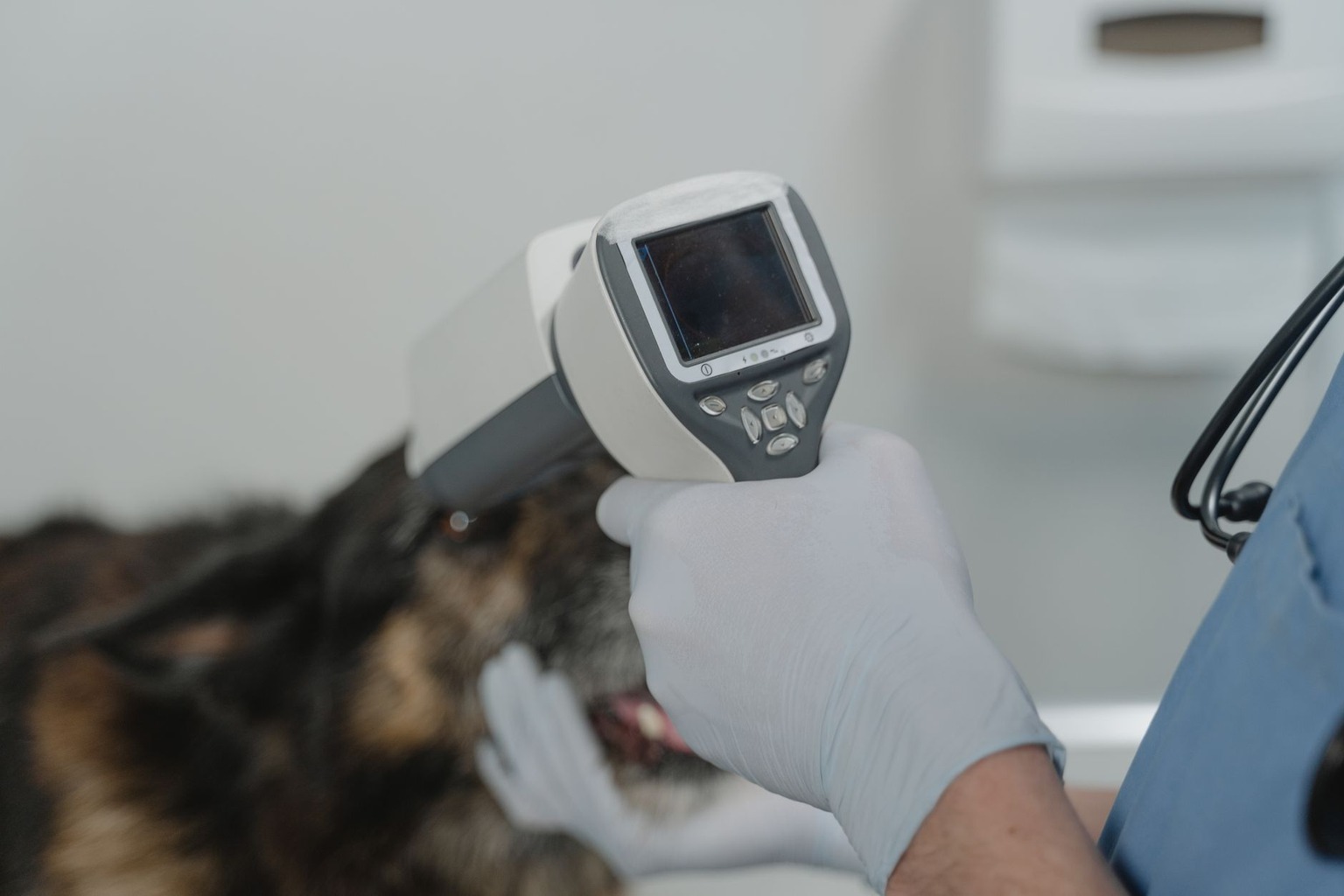
Medical oversight is non-negotiable for elite racing dogs, as the physical demands of sprinting place significant stress on joints, lungs, and cardiovascular systems. Monthly veterinary check-ups typically cost between $150 and $250, covering blood work, heart scans, and joint assessments that detect early signs of wear or inflammation. These preventive measures are far cheaper than treating a serious injury after it occurs, which can run into thousands of dollars in surgery and rehabilitation. A proactive approach to health monitoring ensures that your dog remains race-ready throughout the season without unexpected downtime for recovery.
To learn more about the responsibilities and standards involved, check out this helpful video from American Standard Dog Training right here.
Beyond routine check-ups, you should budget for specialized physiotherapy sessions if your dog shows any stiffness or imbalance after high-intensity runs. These sessions, which can cost $100 to $150 per hour, focus on strengthening supporting muscles and improving flexibility to prevent tears and strains. Many elite trainers incorporate hydrotherapy or laser treatment into their weekly routine, adding another $200 to $400 to the monthly bill. Investing in these therapeutic services extends the career longevity of your dog and maintains peak performance levels across multiple racing seasons.
Managing Transportation and Logistics
Transporting a high-value greyhound between training facilities, veterinary clinics, and race venues requires careful planning and reliable equipment. If you do not own a suitable van or trailer, professional transport services charge between $50 and $100 per trip, depending on the distance and urgency of the move. Regular travel to different tracks for variety or specific competition opportunities can add up to over $800 per month in fuel and service fees. Ensuring your dog travels comfortably and safely is crucial, as stress from poor transport conditions can negatively impact their readiness for training sessions.
Additional logistical costs include insurance for the animal during transit and potential liability coverage for any incidents that may occur on the road. Comprehensive pet insurance policies that cover racing activities typically range from $100 to $200 per month, providing financial protection against unexpected accidents or illnesses. You should also account for the cost of professional grooming and nail trimming before each major race, which ensures your dog moves without interference and presents well in the winner’s circle. These seemingly small expenses accumulate rapidly and must be included in your overall financial projection to avoid budget shortfalls.
Budgeting for Competition Entry and Prizes
Entry fees for elite racing events vary widely depending on the prestige of the competition and the prize pool size, often ranging from $50 to $500 per race. Top-tier stakes races may charge higher entry fees but offer substantially larger payouts, making them attractive targets for well-prepared dogs with strong win records. You must calculate the net profit potential by subtracting all associated costs from the expected winnings to determine if a specific race is financially viable. Tracking these figures carefully helps you identify which events provide the best return on investment for your training efforts.
Beyond entry fees, consider the cost of professional photography and video coverage at major races, which can help build your dog’s reputation and attract future sponsorship opportunities. These services typically cost $100 to $300 per event and are worth the investment if you plan to market your dog for breeding or future racing contracts. Maintaining a strong visual portfolio also aids in negotiating better terms with kennels and trainers, as it demonstrates the quality of care and performance you provide. Strategic spending on visibility can yield long-term financial benefits that extend well beyond the immediate race day earnings.
Avoiding Common Financial Mistakes
One of the most frequent errors new owners make is underestimating the cumulative cost of emergency medical treatments and unexpected injuries. Setting aside a dedicated emergency fund of at least $1,000 per dog ensures you can respond quickly to any health issues without compromising your training schedule or incurring debt. Without this buffer, a single severe injury can derail your entire season and leave you unable to cover basic kennel fees during the recovery period. Planning for the worst-case scenario is essential for maintaining financial stability in a competitive environment.

Another common pitfall is failing to track every minor expense, such as treats, supplements, and cleaning supplies, which can easily exceed $200 per month when aggregated over time. Using a dedicated accounting app or spreadsheet to log all outlays provides a clear picture of your true monthly burn rate and helps identify areas where you might cut back without sacrificing quality. Regularly reviewing your spending against your initial budget allows you to make timely adjustments and prevent overspending on less critical items. Financial discipline is as important as physical training when it comes to sustaining a successful racing program over the long term.
Optimizing Long-Term Financial Strategy
To maximize your return on investment, consider negotiating annual contracts with kennels and trainers that lock in lower monthly rates in exchange for a longer commitment period. These agreements often include priority access to track time and discounted veterinary services, which can save you 15% to 20% on your total operating costs. Building strong relationships with facility managers also opens the door to additional perks, such as free storage space or extended boarding during off-season months. A strategic approach to contract management ensures that your fixed costs remain predictable and manageable throughout the year.
Finally, reevaluate your training plan every three months to ensure that your spending aligns with your dog’s actual performance progress and competitive standing. If a particular aspect of your budget is not yielding measurable improvements in speed or endurance, consider reallocating those funds to areas that show more promise. This dynamic adjustment process keeps your financial strategy agile and responsive to the changing needs of your racing program. By staying informed and adaptable, you can sustain elite performance levels while maintaining a healthy and sustainable financial position.

Growing up near the local track, I developed a lifelong fascination with the athleticism and strategy behind greyhound racing. I spend my free time analyzing past performances and studying breeding lines to better understand the nuances of every race. Sharing insights and celebrating the incredible speed of these dogs is what keeps me passionate about the sport.