The right diet isn’t just fuel for a racing greyhound, it’s the foundation of their speed, endurance, and longevity on the track. Unlike general dog food, a greyhound racing diet must balance explosive energy with lean muscle maintenance, while accounting for the high-impact demands of sprint racing. Skimp on protein or overdo grains, and you’ll see slower times, joint stress, or even early retirement. The best diets for these athletes prioritize high-quality animal protein, controlled carbohydrates, and joint-supporting nutrients, all while avoiding fillers that slow digestion. Whether you’re feeding a youngster coming off the track or a seasoned veteran, the wrong meal plan can turn a champion into a liability. Let’s break down how to build a racing greyhound’s diet from the ground up, starting with the essentials every trainer and owner needs to know.
Understanding the Unique Energy Demands of a Racing Greyhound
A greyhound’s metabolism is wired for short bursts of speed, sprinting at 45 miles per hour in under 20 seconds, but their diet can’t mirror that intensity. Unlike endurance breeds, they don’t need slow-burning carbs; instead, they thrive on easily digestible proteins and fats that convert to energy in seconds. A greyhound racing diet should deliver 25 to 35 percent of its calories from protein, with lean meats like chicken, turkey, or beef as the primary source. Carbohydrates should be limited to around 30 to 40 percent, focusing on easily metabolized options like sweet potatoes or white rice rather than high-fiber grains. The remaining 25 to 30 percent comes from healthy fats, which provide the quick energy needed for acceleration. Without this balance, greyhounds risk glycogen depletion mid-race or fat storage that weighs them down. Track trainers often swear by diets that mimic what a wild greyhound would eat, lean prey and minimal plant matter, because it aligns with their natural physiology.
The timing of meals is just as critical as the ingredients. Many racing greyhounds benefit from two smaller meals a day, spaced six to eight hours apart, to avoid digestive upset before a race. Feeding too close to a run can lead to bloating, while waiting too long may leave them sluggish. Some trainers split meals into three smaller portions if the dog is prone to hypoglycemia, a common issue in high-performance athletes. Even hydration plays a role in energy metabolism, dehydration by just 2 percent can reduce performance by up to 20 percent. Always ensure fresh water is available, and consider adding electrolytes post-race to replenish what’s lost in sweat. A greyhound’s diet isn’t just about what they eat; it’s about when and how they digest it.
Selecting the Right Protein Sources for Speed and Recovery
Not all protein is created equal when it comes to a greyhound racing diet, and trainers often debate whether muscle meat or organ meats deliver better results. Muscle meats like chicken breast or lean ground beef provide high-quality protein with minimal fat, which is ideal for maintaining lean mass without excess weight. Organ meats, such as liver or heart, offer a concentrated dose of B vitamins and iron, which are crucial for oxygen transport during sprints. A balanced approach includes both, perhaps 70 percent muscle meat and 30 percent organ meat, while avoiding fatty cuts that can slow digestion. Some high-end racing diets incorporate fish, like salmon or sardines, for their omega-3 fatty acids, which reduce inflammation and support joint health, a critical factor for greyhounds prone to hip dysplasia.
The source of protein matters just as much as the type. Grass-fed beef and free-range poultry contain higher levels of omega-3s and conjugated linoleic acid (CLA), which improve muscle recovery and reduce oxidative stress. Avoid fillers like soy or corn, which can trigger digestive issues or allergies in sensitive greyhounds. Even within high-quality meats, the cooking method affects digestibility, steaming or baking preserves nutrients better than frying, which can create harmful compounds. Some trainers opt for raw feeding, but this requires careful handling to avoid bacterial contamination. If raw isn’t an option, lightly cooked protein retains more of its nutritional value than dry kibble, which often loses key enzymes and vitamins in processing. The goal is to feed protein that fuels speed without weighing down the dog’s lightweight frame.
Carbohydrates: The Fine Line Between Fuel and Fat
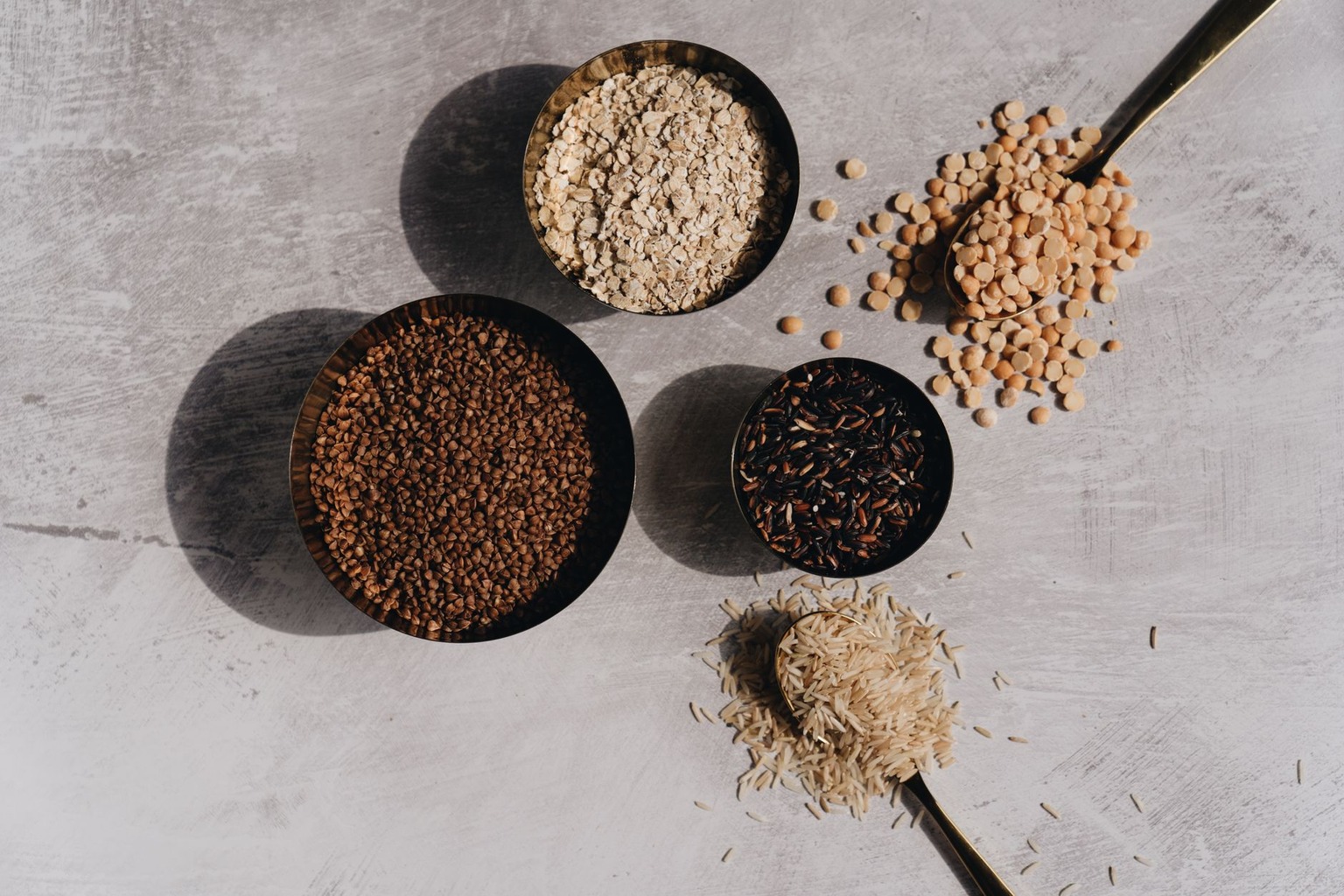
Carbohydrates in a greyhound racing diet are often misunderstood, some trainers avoid them entirely, while others rely on them for quick energy. The key is moderation and the right types. Simple carbs like white rice or pasta digest rapidly, providing the fast energy needed for acceleration, while complex carbs like oats or quinoa offer sustained fuel for longer training sessions. Most racing greyhounds do best with a mix, perhaps 60 percent simple and 40 percent complex, depending on the intensity of their schedule. Avoid high-fiber grains like wheat or barley, which can cause bloating or gas, especially in high-stress environments like race days. Sweet potatoes are a favorite among trainers because they’re rich in vitamin A and potassium, which support muscle function and recovery.
On the Meal Buddy channel, they cover the top food choices for greyhounds, and you can watch it right here.
The timing of carb intake is almost as important as the type. Feeding carbs closer to a race can spike energy levels, but too much too soon may lead to digestive upset. Some trainers use a “carb-loading” approach the night before a big race, offering a slightly higher-carb meal to top off glycogen stores. Others prefer to keep carbs low on race mornings to avoid sluggishness. The ideal ratio is about 30 to 40 percent of the diet’s calories from carbs, adjusted based on the dog’s weight and activity level. For example, a 70-pound greyhound in peak condition might consume around 300 to 400 calories from carbs daily, split between two meals. The wrong carb balance can lead to weight gain, which is detrimental to a greyhound’s lightweight, aerodynamic build. Think of carbs as the gas pedal, too little, and the dog lacks energy; too much, and they’re weighed down.
Fats: The Often Overlooked Performance Booster
Fats are the silent superstars of a greyhound racing diet, providing more than twice the energy of proteins or carbs per gram while supporting brain function and joint health. Healthy fats like olive oil, flaxseed oil, or fish oil should make up 25 to 30 percent of the diet, with a focus on omega-3s to combat inflammation. These fats also help absorb fat-soluble vitamins like A, D, E, and K, which are essential for muscle and bone health. Some trainers add a tablespoon of fish oil to their greyhounds’ meals to boost endurance, while others incorporate avocado or coconut oil for their medium-chain triglycerides (MCTs), which convert to energy quickly. The downside? Too much fat can lead to weight gain or pancreatitis, so portion control is key. A greyhound’s ideal fat intake is roughly 10 to 15 percent of their total daily calories, with the rest coming from lean proteins and controlled carbs.
The source of fat matters just as much as the amount. Saturated fats from red meat should be limited, while unsaturated fats from fish, nuts, or seeds are preferred. Even within healthy fats, quality varies, extra virgin olive oil retains more antioxidants than refined oil, and wild-caught salmon has higher omega-3s than farmed. Some trainers mix fats into their greyhounds’ food daily, while others use them as a treat post-race to aid recovery. The best approach is to cycle fats slightly, perhaps more on high-intensity days and less on low-impact days, to prevent overloading the liver, which processes fats. A greyhound’s diet should never rely on fat alone for energy; it’s the finishing touch that makes the difference between a good runner and a great one.
Joint and Bone Support: Protecting the Racing Machine
Greyhounds are built for speed, but their long legs and lightweight frames make them prone to joint issues like hip dysplasia or arthritis. A greyhound racing diet must include joint-supporting nutrients like glucosamine, chondroitin, and omega-3 fatty acids to keep their legs strong and resilient. Many trainers add these supplements directly to their dogs’ food, often in the form of fish oil or specialized joint formulas. Glucosamine helps repair cartilage, while chondroitin lubricates joints, reducing wear and tear from high-speed turns. Some high-end racing diets include bone broth, which is rich in collagen and amino acids that support tendon and ligament health. Even small additions, like a sprinkle of turmeric (a natural anti-inflammatory) or a dash of MSM (methylsulfonylmethane) for pain relief, can make a noticeable difference over time.
The timing of joint support matters too. Some trainers give glucosamine and chondroitin in the evening to allow for overnight absorption, while others split doses throughout the day. Omega-3s, on the other hand, are best given with meals to enhance fat solubility. Without proper joint care, greyhounds can develop chronic issues that limit their racing career, so prevention is always better than treatment. Even young greyhounds benefit from these supplements, as they build resilience against the wear and tear of training. Some trainers also incorporate low-impact exercises like swimming to further protect their dogs’ joints while maintaining cardiovascular fitness. A greyhound’s diet isn’t just about fueling speed; it’s about preserving the body that makes it possible.
Common Dietary Mistakes That Slow Down Racing Greyhounds
Even the best-laid diets can backfire if trainers overlook key details. One of the most common mistakes is feeding too much at once, leading to bloating or indigestion, especially problematic for greyhounds with deep chests. Another frequent error is relying on low-quality fillers like corn or soy, which can cause allergies or digestive upset. Some trainers also make the mistake of switching diets too frequently, which disrupts gut health and nutrient absorption. Greyhounds thrive on consistency, so once a diet is dialed in, it’s best to stick with it unless there’s a clear reason to change. Even small inconsistencies, like varying portion sizes or meal times, can affect performance. Another pitfall is neglecting hydration, dehydration is a silent killer of endurance, and greyhounds often don’t show signs of thirst until they’re already compromised.
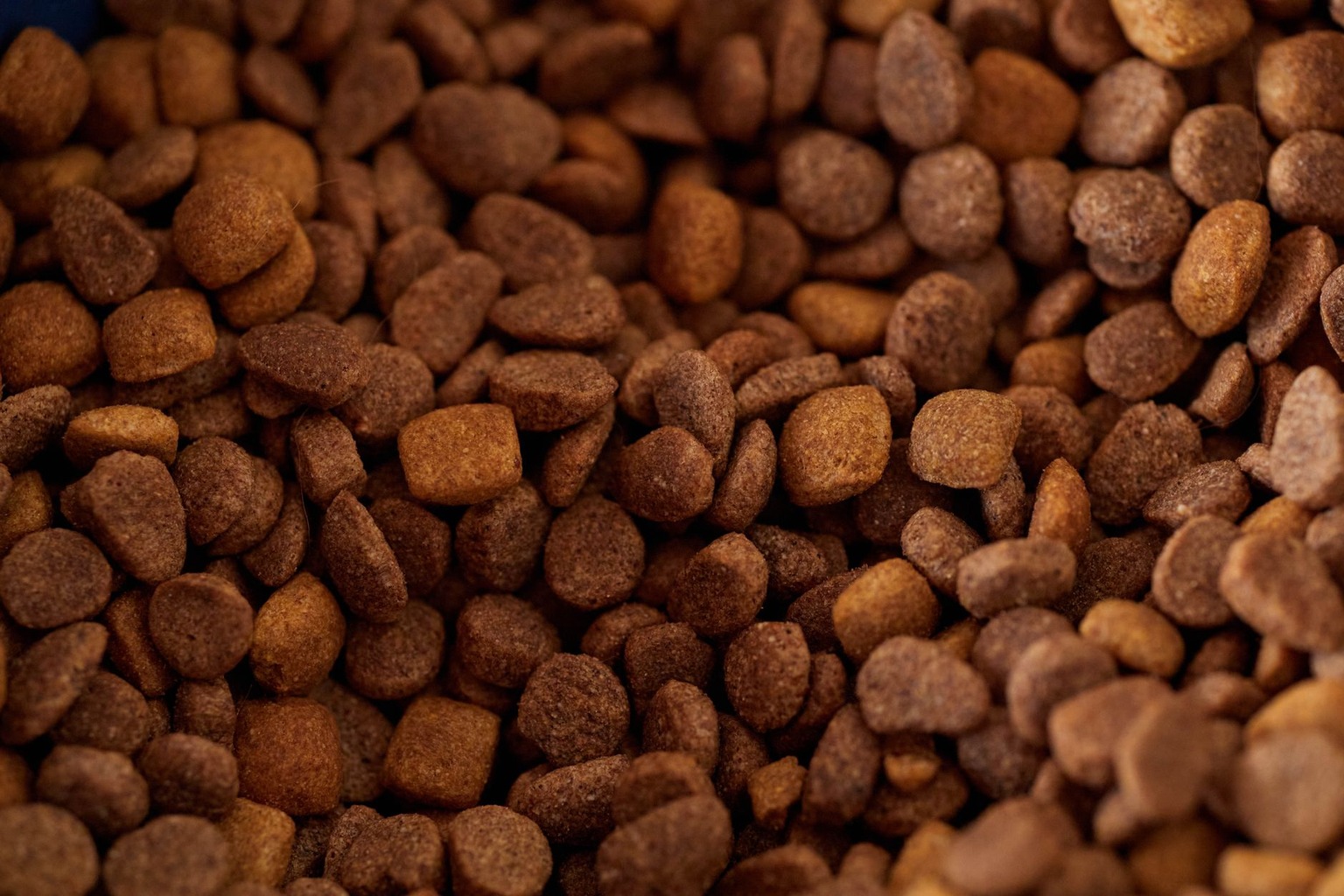
Overfeeding is another trap, particularly with high-fat treats or table scraps. A greyhound’s lightweight frame means even a few extra pounds can slow them down, and excess fat can lead to heat stress on race days. Some trainers also underestimate the importance of probiotics, which support gut health and digestion. A healthy gut means better nutrient absorption and fewer digestive issues, which are critical on race mornings. Finally, ignoring dental health can lead to poor nutrition, greyhounds with painful teeth may avoid eating, leading to weight loss and muscle atrophy. Regular dental checkups and appropriate chew toys can prevent this. The best racing greyhounds aren’t just fed well; they’re fed right, with attention to every detail, from portion sizes to supplement timing.
Transitioning Diets Without Disrupting Performance
Changing a greyhound’s diet too quickly can cause digestive upset, which is especially dangerous before a race. The general rule is to transition over 7 to 10 days, gradually increasing the new food while decreasing the old. Start by mixing 25 percent of the new diet with 75 percent of the old, then adjust the ratio by 25 percent every few days until the switch is complete. This gradual approach allows the dog’s gut flora to adapt without stress. Some trainers use a “puppy food” transition if switching to a high-protein racing diet, as it’s easier on the stomach. Signs of trouble, like diarrhea, vomiting, or lethargy, mean the transition is happening too fast. Even small changes, like switching brands or adding supplements, should follow the same gradual approach. A greyhound’s digestive system isn’t as resilient as a human’s, so patience is key when making adjustments.
The timing of diet changes is almost as important as the process. Avoid transitioning diets right before a major race, wait until at least two weeks out to ensure the dog’s system has fully adapted. Some trainers also adjust diets seasonally, increasing protein and fats in the off-season to build muscle and decreasing them slightly during peak racing to maintain lean mass. Supplements like probiotics can help ease transitions, as they support gut health during dietary changes. The goal is to minimize disruption while maximizing performance. A greyhound’s diet isn’t static, it evolves with their training and racing schedule, but it always follows the same principle: consistency, balance, and gradual change. That’s how champions are built, one meal at a time.

Growing up near the local track, I developed a lifelong fascination with the athleticism and strategy behind greyhound racing. I spend my free time analyzing past performances and studying breeding lines to better understand the nuances of every race. Sharing insights and celebrating the incredible speed of these dogs is what keeps me passionate about the sport.