Introduction to Greyhound Fitness Monitoring
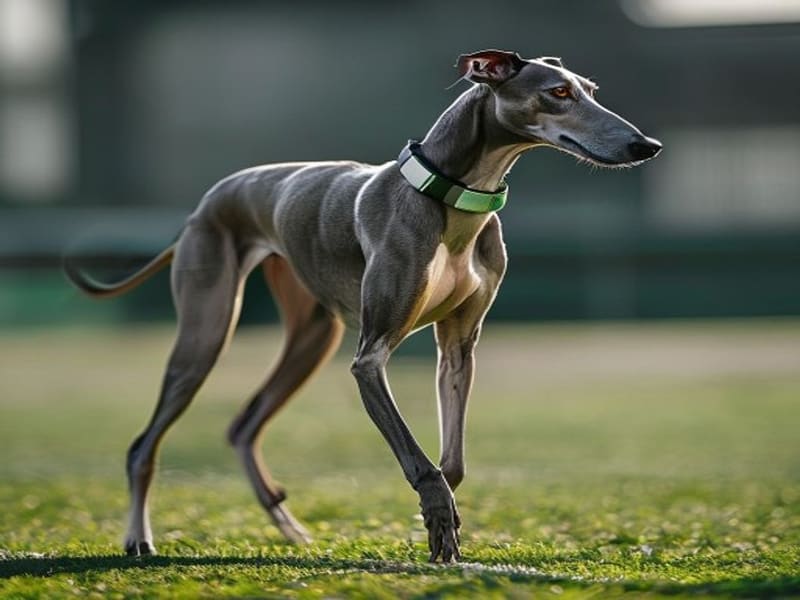
Greyhound fitness monitoring is essential for ensuring the health and vitality of greyhounds, whether they participate in high-stakes racing or enjoy a more relaxed life as family pets. This practice involves systematic observation and analysis of a greyhound’s physical condition, helping to maintain optimal fitness levels. Through diligent greyhound fitness monitoring, owners can significantly reduce the risk of injuries and enhance their dog’s overall performance.
In racing scenarios, greyhound performance tracking becomes particularly important. Trainers rely on precise data to adjust workout intensities and recovery periods. For pet greyhounds, tracking greyhound health helps in managing weight and activity levels appropriately. Canine fitness tools such as heart rate monitors, GPS trackers, and specialized apps have revolutionized how we approach these tasks, providing real-time insights that were previously unavailable.
The benefits of incorporating greyhound fitness monitoring into routine care are manifold. Primarily, it aids in injury prevention by identifying early signs of strain or fatigue. Greyhounds, known for their speed, can suffer from conditions like muscle tears if not properly monitored. Additionally, performance optimization is achieved through data analysis, allowing for customized training plans that maximize potential while minimizing risks.
This article outlines a structured approach to greyhound fitness monitoring. Following this introduction, we will examine the fundamentals of tracking greyhound health in detail. Next, advanced greyhound performance tracking methods will be discussed, highlighting how technology integrates with traditional techniques. We will also review various canine fitness tools, offering guidance on selection and usage.
Later sections cover practical applications for both racing and pet greyhounds, including tips for implementation and potential challenges. Case studies will illustrate successful outcomes, providing inspiration and practical examples. By understanding and applying these principles, greyhound owners and trainers can foster healthier, more capable dogs.
Essential Tools for Monitoring Greyhound Fitness
To effectively monitor your greyhound’s health and performance, utilizing specialized greyhound fitness trackers is essential. These devices provide valuable insights into activity levels and overall well-being. One of the most popular options includes GPS tracking greyhounds through advanced collars that offer real-time location data and distance measurements during runs or training sessions in open fields.
Wearable tech for dogs has advanced significantly, allowing owners to track various metrics seamlessly. For instance, heart rate monitors greyhounds can be attached to the chest or integrated into collars to measure cardiovascular activity accurately during exercise sessions, helping prevent overexertion in this high-energy breed.
Setting up these tools typically involves pairing the device with a smartphone via Bluetooth. Download the companion app, create an account, and follow the on-screen prompts to calibrate the collar or monitor for your specific greyhound. Ensure the fit is snug but comfortable to avoid irritation while securing all straps properly before initial use.
Accuracy considerations are crucial when selecting equipment. GPS tracking greyhounds may vary in precision depending on satellite connectivity and environmental factors like urban areas with tall buildings. Similarly, heart rate monitors greyhounds should be validated against veterinary standards for reliable readings, with regular checks recommended to maintain data integrity over time.
Popular mobile apps integrate data from multiple sources, offering comprehensive dashboards for activity trends and goal setting tailored to greyhounds. Regular firmware updates help maintain the performance of your greyhound fitness trackers, ensuring long-term reliability and helping owners make informed decisions about exercise and recovery protocols.
Key Metrics to Track in Greyhound Fitness
Tracking essential data points is vital for maintaining optimal condition in racing and pet greyhounds alike. Among the primary indicators are speed and distance covered during runs. Greyhound speed metrics help owners understand peak performance levels, with healthy adults often achieving bursts up to 45 miles per hour on straight tracks. Monitoring distance provides insights into overall stamina, allowing for progressive training adjustments that match the breed’s natural sprinting ability.
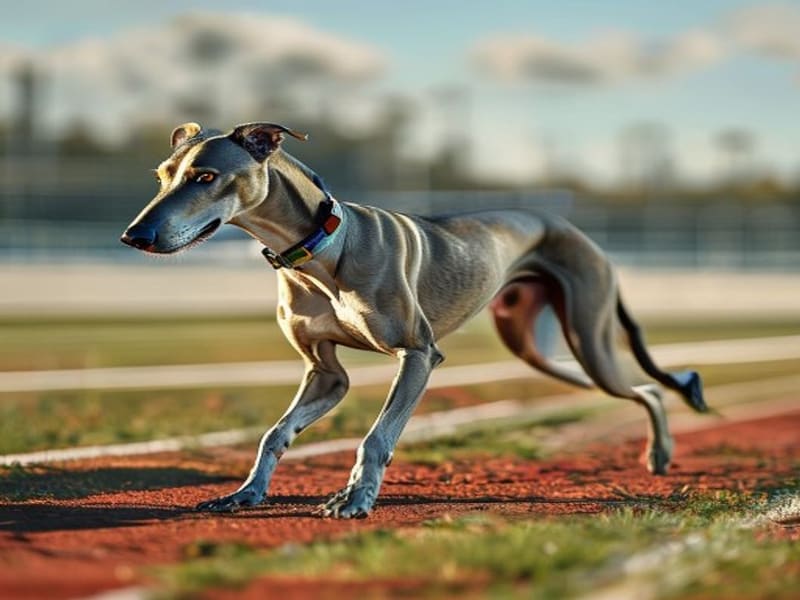
For endurance monitoring dogs, consistent logging of mileage over sessions reveals improvements or declines in fitness. Greyhounds typically sustain high activity for short durations, so tracking cumulative distance weekly can prevent overexertion while building reliable aerobic capacity. Benchmarks suggest fit individuals cover 2 to 4 miles in varied training without signs of strain, adjusted for age and prior conditioning.
Heart rate plays a crucial role too. Measuring resting and active heart rates offers a window into cardiovascular health. Additionally, heart rate variability canines serves as an advanced metric, indicating stress levels and recovery capacity. Lower variability might signal fatigue, prompting rest or reduced intensity in upcoming workouts to safeguard long-term wellness.
Recovery time greyhounds is another critical benchmark. After intense exercise, fit greyhounds should return to normal breathing and heart rate within 5 to 10 minutes. Prolonged recovery suggests potential issues needing veterinary attention. Owners can log these intervals using timers or integrated device apps immediately post-run for accurate records.
To log these effectively, utilize wearable devices designed for canines that record speed, distance, and heart data automatically. Maintain a digital journal or app to note daily metrics, comparing against breed-specific standards such as average sprint speeds of 40-plus miles per hour and quick heart rate normalization. Regular reviews help tailor fitness plans, ensuring greyhounds remain healthy and performant across all training phases.
Creating a Greyhound Fitness Monitoring Routine
Establishing a reliable system begins with integrating a daily fitness routine greyhounds into everyday life. Track heart rate, energy levels, and gait each morning and evening while noting any stiffness or reluctance to move. These quick observations create a baseline that reveals subtle changes before they become serious concerns.
Next, layer in a structured weekly monitoring schedule that aligns with training sessions. Weigh your dog, measure muscle tone, and log distance covered every seven days. Consistent data helps identify patterns and supports timely decisions about intensity and rest.
Effective greyhound workout plans combine these checks with progressive training adjustments dogs require as fitness improves. Reduce sprint volume if recovery slows or increase duration when metrics stay strong. This responsive approach keeps routines challenging yet safe.
Perform detailed checks at least twice weekly during peak training periods and once weekly during maintenance phases. Record results in a simple log that includes date, activity type, and any behavioral notes. Frequency ensures early detection of fatigue or injury.
Schedule veterinary visits every three months or immediately after any concerning trend appears in your logs. Share monitoring data with your vet to refine greyhound workout plans and confirm that training adjustments dogs receive remain appropriate for long-term health.
By blending daily fitness routine greyhounds observations with a weekly monitoring schedule, owners gain clear insight into progress. Regular integration of training adjustments dogs need, paired with professional veterinary oversight, produces sustainable results and minimizes injury risk.
Interpreting Data and Adjusting Training Plans
Interpreting fitness data is a critical step in greyhound fitness monitoring that empowers owners to make informed decisions about their pets. By systematically reviewing collected metrics such as speed, endurance levels, and vital signs, you can identify meaningful trends that reflect your dog’s current state and future potential. This practice not only highlights successes but also flags areas needing attention to maintain peak performance.
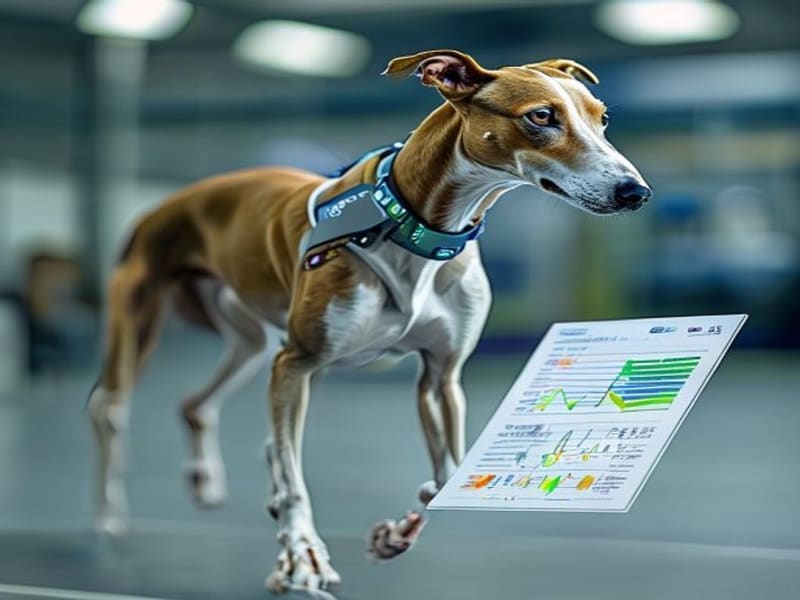
To analyze greyhound fitness data accurately, focus on key indicators including heart rate variability, stride length during runs, and post-exercise recovery times. Compare current readings with historical data to discern patterns of improvement or concern. Such diligence facilitates the early detection of potential issues like overtraining or emerging health problems before they become severe and impact the animal’s career.
Fitness trend analysis serves as a powerful tool in this context by providing visual representations of progress. It enables trainers to visualize improvements or declines over extended periods, offering clear performance insights dogs demonstrate through their activities and responses. These insights are invaluable for optimizing routines and ensuring the greyhound remains in top condition throughout its training cycle.
With the knowledge gained from thorough analysis, you can adjust training greyhounds to better match their individual capabilities and needs. For example, reduce high-intensity sessions if trends show signs of fatigue or introduce varied exercises if progress appears to stall unexpectedly. This adaptive approach leads to more effective and safer training programs that promote sustained athletic development.
It is important to remember that data interpretation should always complement, not replace, expert guidance from specialists. Seeking professional consultation from veterinarians or certified trainers is advisable whenever significant changes to training plans are under consideration. Their expertise ensures that all modifications are appropriate, evidence-based, and beneficial for the greyhound’s long-term health and competitive performance.

Growing up near the local track, I developed a lifelong fascination with the athleticism and strategy behind greyhound racing. I spend my free time analyzing past performances and studying breeding lines to better understand the nuances of every race. Sharing insights and celebrating the incredible speed of these dogs is what keeps me passionate about the sport.