Overview of Greyhound Racing Statistics
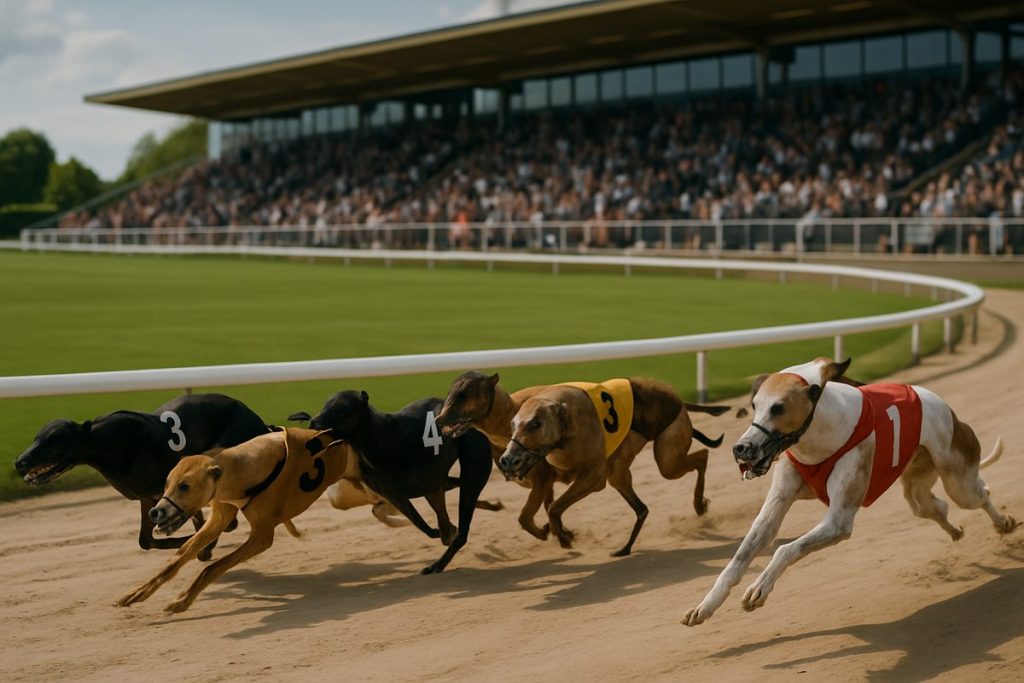
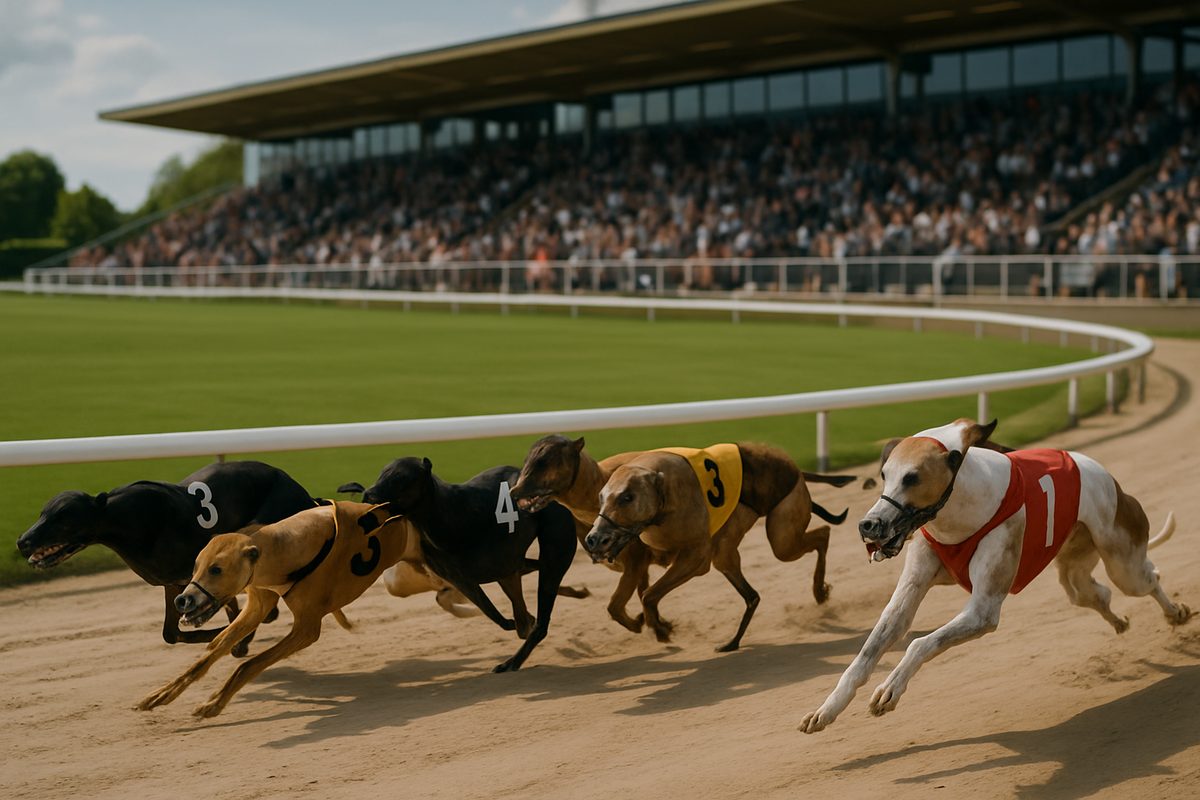
Greyhound racing statistics play a crucial role in understanding and analyzing this fast-paced sport. These statistics provide valuable insights that not only enhance the experience for racing enthusiasts but also serve as a critical resource for bettors looking to make informed decisions. By examining comprehensive data sets, stakeholders can gain a clearer picture of greyhound performance, track conditions, and overall race dynamics.
The types of data collected in greyhound racing statistics cover a broad spectrum. This includes individual greyhound performance metrics such as speed, times over various distances, starting positions, and historical race outcomes. Additional data points encompass track conditions, weather variables, and race formats, all of which can influence race results. Furthermore, trainers’ and greyhounds’ form and consistency over recent events are meticulously recorded. These diverse data points collectively create a rich database that enables detailed analysis and pattern recognition within the sport.
The impact of racing statistics on the sport of greyhound racing is substantial. For trainers and owners, these statistics offer a strategic advantage, revealing strengths and weaknesses of their greyhounds and allowing adjustments in training regimens or race selection to optimize performance. Racing officials and organizers use these statistics to monitor fairness and track trends that may necessitate changes in regulations or race formats.
From a betting perspective, greyhound racing statistics are indispensable. Bettors rely heavily on historical data and performance metrics to evaluate potential winners and make stakes with greater confidence. Analyzing racing statistics helps identify value bets and assess risks more accurately, transforming betting from a game of chance into a more calculated endeavor. The availability and transparency of detailed data thus contribute significantly to the integrity and popularity of greyhound racing, making it more engaging for fans and participants alike.
Overall, the overview of greyhound racing statistics highlights their importance in enhancing both the sporting and gambling aspects of greyhound racing. By collecting and analyzing extensive data, the sport continues to evolve with greater precision, benefiting everyone involved from trainers and owners to bettors and spectators.
Types of Racing Statistics
Racing statistics encompass a variety of types of stats essential for analyzing greyhound performance and race outcomes. One primary category is speed times, which measure how fast a greyhound completes specific distances. These timing data offer insights into a dog’s raw pace and acceleration during a race. Another key metric is race positions, which track the finishing spots of each greyhound in individual heats. This data helps assess consistency and competitiveness over multiple events.
Track conditions also play a significant role in racing statistics. Factors such as weather, surface type, and moisture levels can affect the dogs’ performances, altering typical speed and positioning trends. Maintaining detailed records of track conditions allows for better contextual understanding of race outcomes and can help identify how different greyhounds perform under varying circumstances.
Win/loss records represent another vital category, providing an overview of a greyhound’s success rate over time. These statistics highlight patterns of victories and defeats and can be used to predict future performance and breeding potential. Together, these main race metrics—speed times, race positions, track conditions, and win/loss records—form a comprehensive picture of greyhound racing performance data, enabling trainers, bettors, and enthusiasts to make informed decisions.
Sources of Greyhound Racing Data
Reliable greyhound racing data is essential for enthusiasts, bettors, and analysts seeking accurate insights into the sport. The most trustworthy data sources come directly from official race tracks, where races are recorded with precision. These venues maintain detailed records of race outcomes, dog performance, timings, and race conditions, providing a foundation of verified information.
Another crucial source is governing bodies overseeing greyhound racing. These organizations collect, verify, and publish official records and statistics, ensuring data integrity and transparency. They often provide comprehensive databases accessible to the public or stakeholders, including historical race data, greyhound registrations, and regulatory updates.
Betting platforms also serve as valuable repositories of greyhound racing statistics. These sites aggregate real-time race data to support betting activities, offering detailed odds, form guides, and performance trends. Since betting success heavily relies on accurate information, these platforms invest in timely updates sourced from official records and race tracks.
Combining data from these sources—official race tracks, governing bodies, and betting websites—provides a comprehensive view of the greyhound racing landscape. Utilizing multiple data sources ensures a more reliable and nuanced understanding, which benefits all interested parties within the sport.
Analyzing Greyhound Racing Statistics for Performance
Analyzing greyhound racing statistics is essential for understanding performance, identifying trends, and predicting future race outcomes. Performance analysis in greyhound racing leverages various statistical methods to evaluate race data and greyhound metrics, which include speed, track conditions, historical race times, and individual greyhound health and stamina.
One of the primary statistical techniques used in race evaluation is descriptive statistics, which summarizes data points such as average race times, winning margins, and positional finishes. These basic statistics offer a snapshot of greyhound performance and help highlight consistent performers. Beyond this, advanced techniques such as regression analysis can be employed to identify which factors most heavily influence race outcomes—whether it be age, weight, or starting position.
Performance analysis also involves trend analysis, which examines how greyhounds improve or decline over time by tracking their race results across different tracks and conditions. This approach can reveal patterns such as a greyhound performing better on certain track surfaces or under specific weather conditions. Utilizing time series data, analysts can forecast future performance trends and make more informed predictions about race results.
Statistical methods also include probability models and simulations that estimate the likelihood of various race outcomes based on historical data. Machine learning algorithms, such as decision trees and neural networks, are increasingly used for performance analysis as they can process large datasets and uncover complex relationships among greyhound metrics that traditional methods might miss.
Ultimately, integrating multiple statistical techniques provides a comprehensive framework for race evaluation. This holistic approach improves the accuracy of performance predictions and helps trainers, owners, and bettors make data-driven decisions. Effective use of greyhound racing statistics empowers stakeholders to spot emerging talent, adjust training strategies, and better anticipate races’ nuances, making statistical methods indispensable in the world of greyhound racing.
Key Performance Indicators in Greyhound Racing
In greyhound racing, understanding and analyzing key performance indicators (KPIs) is critical to evaluating a greyhound’s racing capabilities. Among the most important KPIs are speed records, race consistency, and win percentages. Speed records, often recorded as lap times, provide essential insight into a greyhound’s raw speed and acceleration over specific distances. These lap times are meticulously tracked and compared across different races to gauge a greyhound’s peak performance.
Average speeds during a race also serve as a valuable KPI, showing not just peak velocity but how well a greyhound maintains its pace throughout a race. Maintaining a high average speed can indicate endurance and stamina, both vital traits for consistent race-day performance. Alongside these metrics, race consistency is a crucial measure — it evaluates how reliably a greyhound performs across multiple events, reflecting the animal’s ability to replicate strong finishes under varying track and competition conditions.
Finally, win percentages offer a straightforward KPI revealing the proportion of races a greyhound wins out of its total starts. Together with speed and consistency, win percentages assist trainers, bettors, and enthusiasts in predicting future performances and identifying standout competitors. By closely monitoring these KPIs — lap times, average speeds, consistency, and win percentages — stakeholders can make informed decisions and enhancements to training regimens, elevating overall competitive edge in greyhound racing.
Using Statistics for Race Strategy and Betting
Racers, trainers, and bettors increasingly rely on statistical insights to gain a competitive edge in greyhound racing. By analyzing historical race data, track conditions, and performance metrics, they develop race strategies that optimize the chances of success. Trainers use these statistics to tailor training regimens specifically to the strengths and weaknesses of each greyhound, focusing on elements such as speed bursts, stamina, and reaction time at the start.
For bettors, statistical data serves as a vital tool in making informed betting decisions. By leveraging predictive analysis, they assess variables like past race outcomes, greyhound consistency, and even track biases. This analytical approach helps identify patterns and trends that are not apparent from superficial observation, translating into smarter race strategy formulation and betting tips.
Advanced statistical models also allow for simulations of race outcomes, enabling stakeholders to anticipate various scenarios and adjust their strategies accordingly. Whether it’s selecting the most promising contender or deciding the optimal bet type, statistical insights transform the betting process from guesswork into a calculated strategy. Ultimately, the integration of data-driven methodologies improves the overall success rate in greyhound racing, making it an indispensable aspect of modern race strategy and betting practices.
Trends and Future of Greyhound Racing Statistics
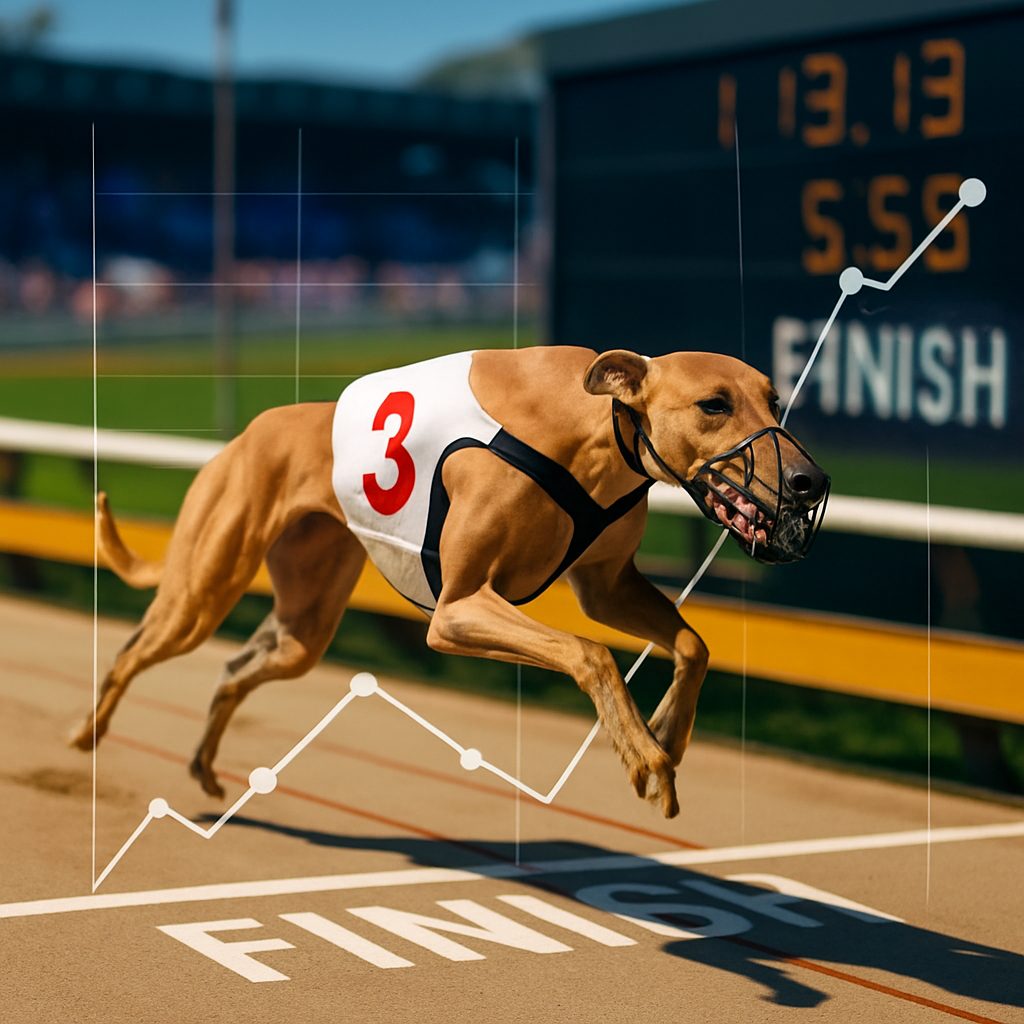
The landscape of greyhound racing is evolving rapidly, with significant advancements in data collection and analysis shaping the future of the sport. Market trends reveal an increasing reliance on sophisticated technologies to capture precise racing metrics, enabling trainers, bettors, and enthusiasts to make more informed decisions. This shift towards data-driven insights marks a pivotal change from traditional methods, highlighting the growing importance of innovation in racing statistics.
One of the most prominent trends is the integration of technology in racing. High-speed cameras, GPS tracking devices, and biometric sensors provide real-time data on a greyhound’s speed, acceleration, and physiological condition during races. These technologies produce vast amounts of data that are then analyzed using advanced algorithms and machine learning techniques. Such innovations allow for a more granular understanding of performance factors, helping to identify potential winners and optimize training regimens.
Moreover, data innovation in greyhound racing extends beyond the track. Platforms that aggregate racing statistics now offer comprehensive historical data, predictive analytics, and customizable reports for stakeholders. This digital transformation enhances transparency and accessibility, fueling a more engaged and informed audience. Market trends indicate that betting markets, in particular, benefit from these detailed insights, which contribute to more accurate odds and betting strategies.
Looking ahead, future predictions for greyhound racing statistics emphasize the expansion of artificial intelligence and big data analytics. These technologies promise to uncover deeper patterns and correlations that were previously unnoticed, potentially revolutionizing race tactics and animal welfare. Enhanced data sharing and integration across racing organizations could standardize statistics use, creating a unified ecosystem for all participants.
In summary, the ongoing market trends and technological innovations are setting the stage for a new era in greyhound racing. As data collection becomes more sophisticated and analytics more insightful, the future of racing statistics looks poised to drive smarter decisions, fairer competitions, and a richer experience for fans worldwide.
Technological Advances in Data Collection
Recent years have seen significant technological advances in the way greyhound racing data is collected and analyzed, revolutionizing the sport. One of the most impactful innovations is the use of GPS tracking technology, which allows trainers, analysts, and enthusiasts to monitor the precise movements of each greyhound throughout the race. This technology provides detailed insights into the dogs’ positioning, speed, and stride consistency, enabling a deeper understanding of performance beyond traditional visual observations.
Coupled with this, race timing technology has greatly improved, moving from manual stopwatch methods to fully automated timing systems. These automated systems ensure data accuracy and reduce human error, delivering reliable timing down to fractions of a second. The combination of GPS analysis with automated race timing offers a comprehensive data set that can be used to optimize training regimens, strategize race entries, and enhance betting models.
Technology now plays a crucial role in data tracking by integrating sensors and software platforms that collate performance metrics in real time. Innovations like RFID chips and motion sensors provide additional layers of data that enrich the overall analysis. The advancements in data collection ensure that greyhound racing has become a high-tech sport where objective, data-driven decisions can be made to improve the outcomes and welfare of the dogs involved.
Predicted Changes in Statistical Analysis
Artificial intelligence and machine learning are set to revolutionize the field of greyhound racing through advanced predictive analytics. These technologies offer the potential to analyze vast amounts of race data faster and with greater accuracy than traditional methods. AI algorithms can identify subtle patterns and performance indicators that may be imperceptible to human analysts, driving a significant evolution in statistical analysis.
Machine learning models continuously improve by learning from new data, enabling dynamic adjustments to predictive models based on real-time racing conditions and historical trends. This adaptability enhances the precision of race outcome predictions and betting strategies, making statistical analysis more robust and dependable.
The integration of AI in racing will facilitate the development of complex simulations, predictive models, and risk assessments that take into account a wider range of variables than previously possible. This statistical evolution will help trainers, bettors, and enthusiasts make more informed decisions, ultimately advancing the sport’s competitiveness and integrity.

Growing up near the local track, I developed a lifelong fascination with the athleticism and strategy behind greyhound racing. I spend my free time analyzing past performances and studying breeding lines to better understand the nuances of every race. Sharing insights and celebrating the incredible speed of these dogs is what keeps me passionate about the sport.