Greyhounds have been celebrated for their astonishing speed and sleek physique for centuries, but their success on the track is only part of the story. Behind every lightning‑quick finish lies a carefully crafted training program that blends science, tradition, and an intuitive understanding of the breed’s unique temperament. Today’s most respected greyhound trainers draw on a legacy of proven techniques while continuously refining methods to keep their athletes healthy, motivated, and competitive. This article explores the most influential training philosophies, from classic conditioning drills to cutting‑edge recovery strategies, offering a comprehensive look at how elite trainers shape the world’s fastest dogs.
Foundations of Greyhound Training: History and Philosophy
Early greyhound training was rooted in hunting traditions, where dogs were conditioned to chase game across open fields. When organized racing emerged in the 20th century, trainers adapted these chase instincts to the lure system, focusing on speed, stamina, and mental sharpness. The philosophical core remained the same: respect the dog’s natural drive while providing a structured environment that encourages peak performance without overtaxing the animal. Modern trainers still honor this balance, emphasizing patience, consistency, and a deep bond between handler and hound.
In the 1970s and 1980s, scientific research began to influence training regimens, introducing concepts such as periodization, heart‑rate monitoring, and biomechanical analysis. Pioneering trainers in the United Kingdom and Australia incorporated interval training and recovery cycles, setting a precedent for today’s data‑driven approaches. The resulting hybrid philosophy—where instinctual chase instincts meet evidence‑based conditioning—forms the backbone of contemporary greyhound preparation.
Conditioning and Fitness: Building the Engine
At the heart of any successful greyhound program is a meticulously planned conditioning schedule. Trainers typically divide the year into three phases: base building, peak conditioning, and taper. During the base period, low‑intensity runs and gradual distance increases develop cardiovascular endurance and muscular resilience. Sessions are often conducted on sand or grass to reduce joint strain while still providing sufficient resistance for the hound’s powerful hindquarters.
Peak conditioning shifts focus to high‑intensity sprint work that mimics race conditions. Short, explosive bursts of 30‑40 meters on a well‑maintained track sharpen the dog’s anaerobic capacity and reinforce the neuromuscular patterns essential for rapid acceleration. Trainers monitor heart‑rate recovery times and use GPS‑enabled collars to assess stride length, ensuring that each sprint aligns with the dog’s optimal performance window. The taper phase then reduces volume and intensity, allowing the greyhound to arrive at race day fresh and primed.
Lure Training and Track Familiarization
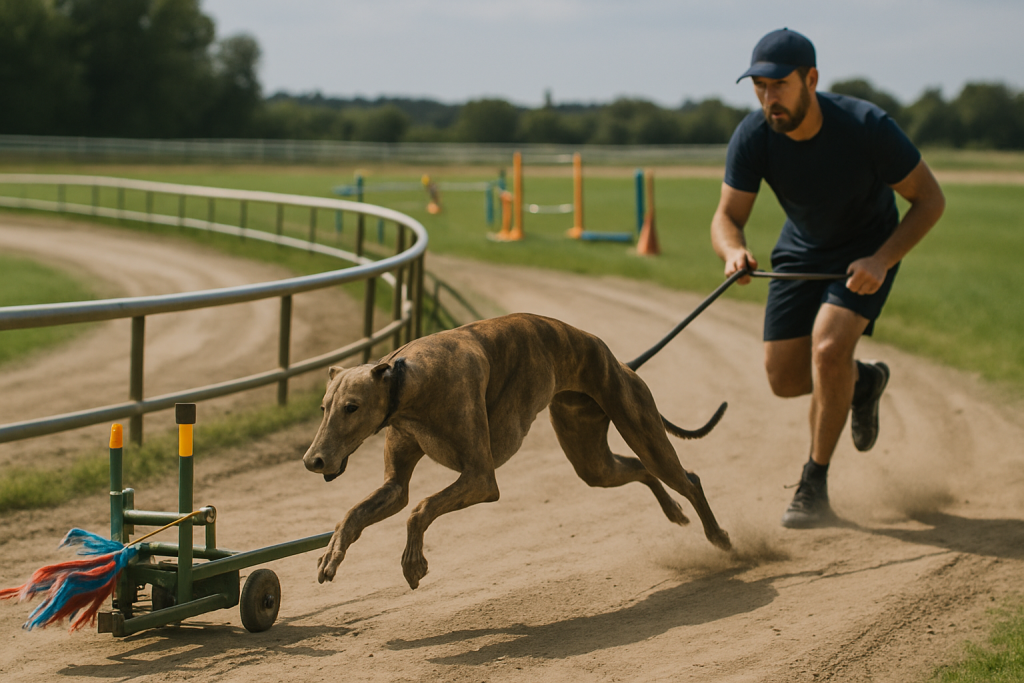
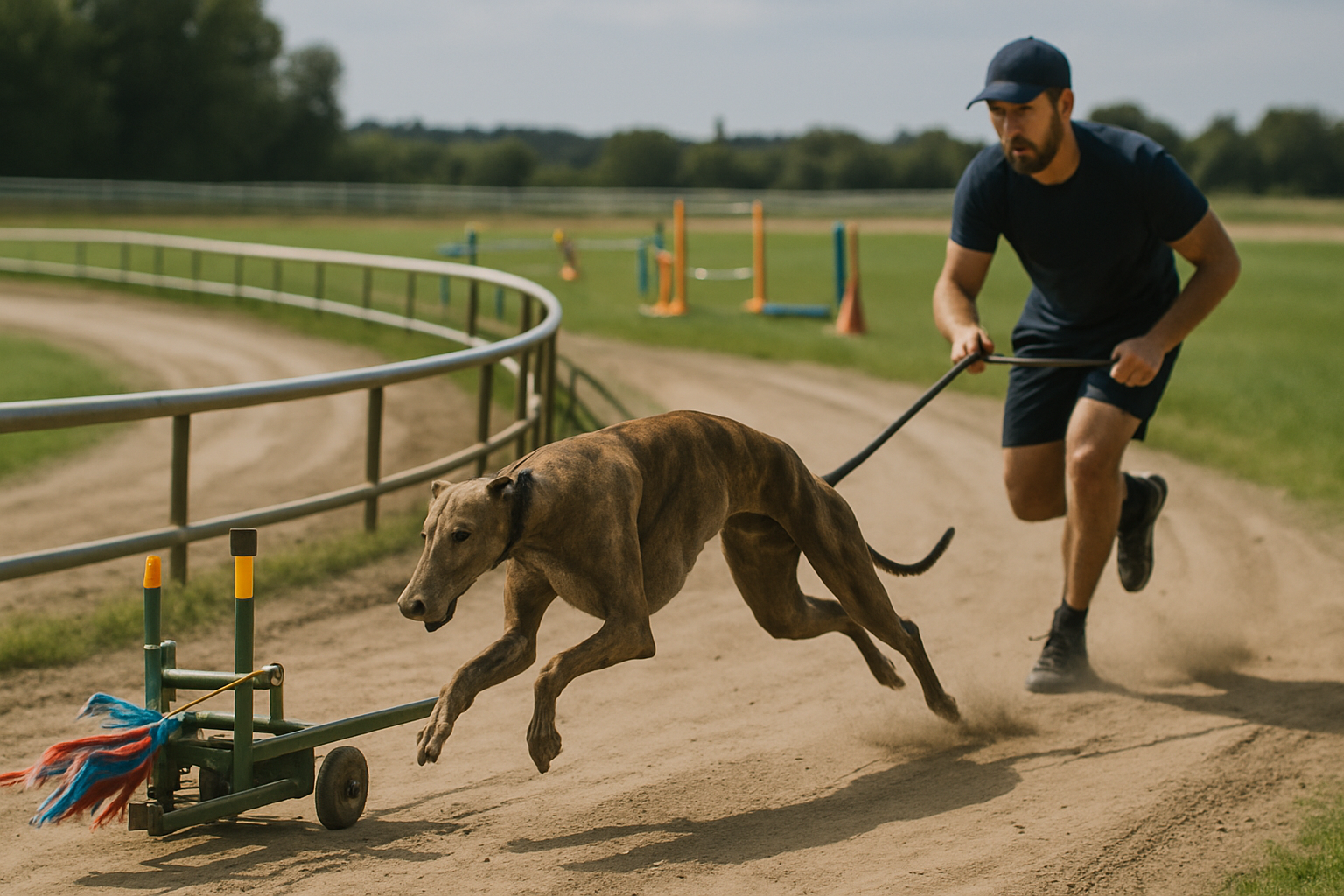
Lure chasing is the signature skill that separates racing greyhounds from ordinary pet dogs. Expert trainers introduce the mechanical lure gradually, beginning with a slow, visible move that lets the hound associate the device with a target. Over weeks, the lure’s speed is increased, and the distance between the dog and the lure is extended, reinforcing the chase instinct while teaching precise timing. Consistent exposure to the same track surface also helps dogs develop muscle memory for the specific angles and turns they will encounter in competition.
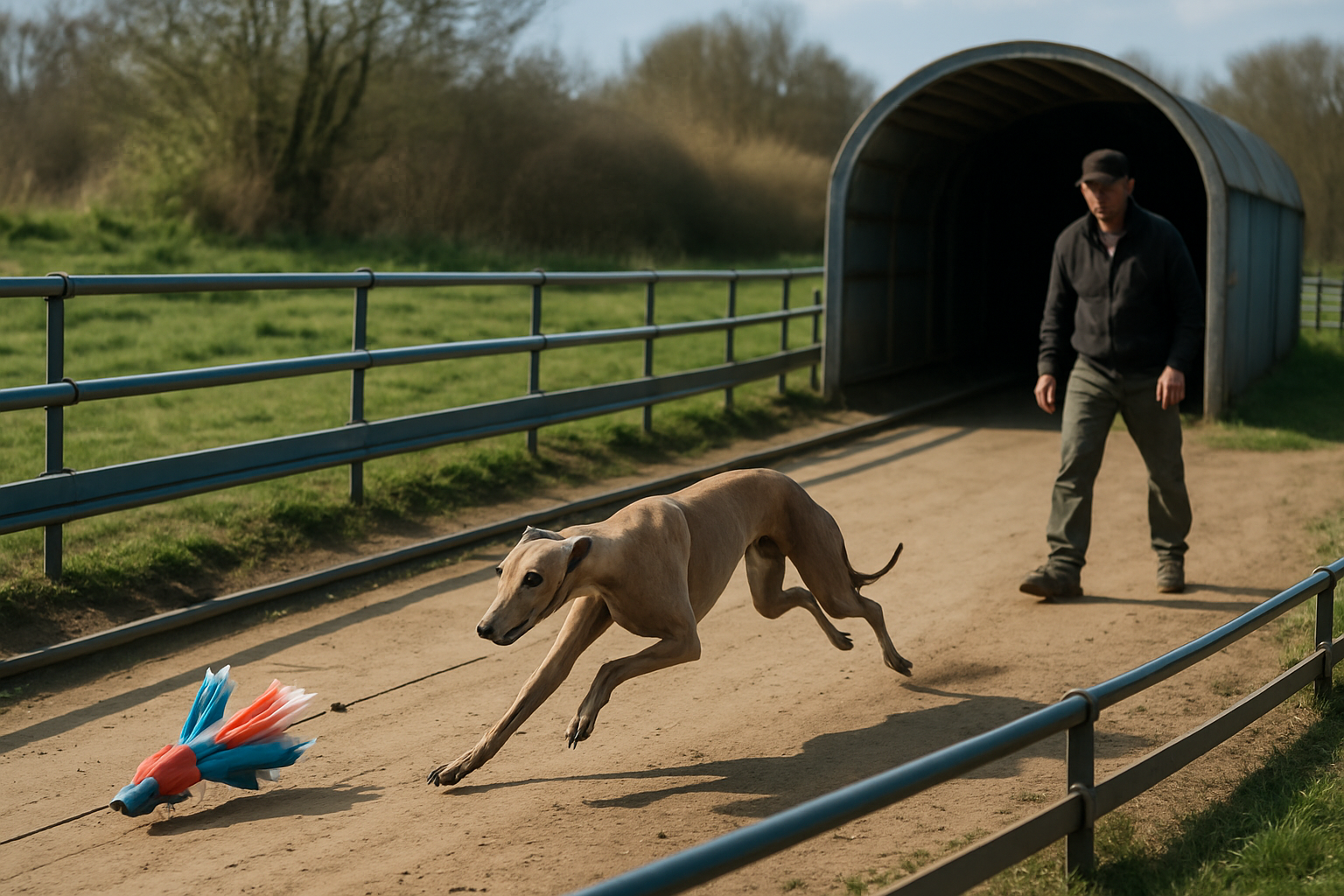
Modern facilities often incorporate a “wind‑down” tunnel—a short, enclosed passage where the lure slows before disappearing. This design reduces the risk of abrupt stops that can cause injuries to the hound’s hips and tendons. Trainers also use varied lure colors and sound cues to keep the dogs mentally engaged, preventing habituation that could dull the chase response. By combining progressive speed increments with thoughtful track design, trainers maximize both safety and performance.
Handling, Socialization, and Behavioral Conditioning
Greyhounds are renowned for their gentle, sometimes shy demeanor, which makes handling a crucial component of any training program. Successful trainers prioritize early socialization, exposing puppies to a variety of environments, sounds, and other dogs to build confidence. Positive reinforcement—using treats, praise, and brief play sessions—encourages the hound to respond reliably to cues such as “stay,” “come,” and “track.” Consistency in handling routines also reduces stress, which can otherwise impair a dog’s physiological response during high‑intensity work.
Behavioral conditioning extends beyond basic obedience. Many trainers employ “clicker” training to mark precise moments of correct performance, especially during lure work. This method sharpens the dog’s focus and accelerates learning, as the click becomes a reliable indicator of reward. Additionally, calm, firm handling during pre‑race warm‑ups helps the greyhound transition smoothly from a relaxed state to peak arousal, ensuring that the animal is mentally ready for the demands of competition.
Nutrition, Hydration, and Recovery Protocols
A well‑balanced diet tailored to a greyhound’s high metabolic rate is indispensable for sustained speed. Trainers typically feed a protein‑rich formula—often 30‑35% protein—to support muscle repair and growth, complemented by complex carbohydrates that provide steady energy for training sessions. Essential fatty acids, particularly omega‑3s, are added to reduce inflammation and promote joint health. Frequent, smaller meals throughout the day help maintain blood glucose levels, preventing the energy crashes that can hinder performance.
Hydration management is equally vital. Greyhounds lose a significant amount of fluid through panting during sprint work, so trainers provide fresh water before and after each session, sometimes supplementing with electrolyte‑enhanced solutions. Recovery protocols now incorporate active cooldowns—light jogs or walks—to flush metabolic waste from the muscles, followed by targeted massage and low‑level laser therapy to accelerate tissue repair. These practices, once reserved for elite equine athletes, have become standard in top greyhound stables.
Injury Prevention and Health Monitoring
Injuries such as tendonitis, hamstring strains, and hip dysplasia remain the primary concerns for racing greyhounds. Proactive trainers employ regular health screenings, including ultrasound examinations of the hind‑limb tendons and radiographs of the pelvis, to detect early signs of wear. Preventative conditioning, such as controlled hill work and resistance band exercises, strengthens the supporting musculature and reduces the load on vulnerable structures.
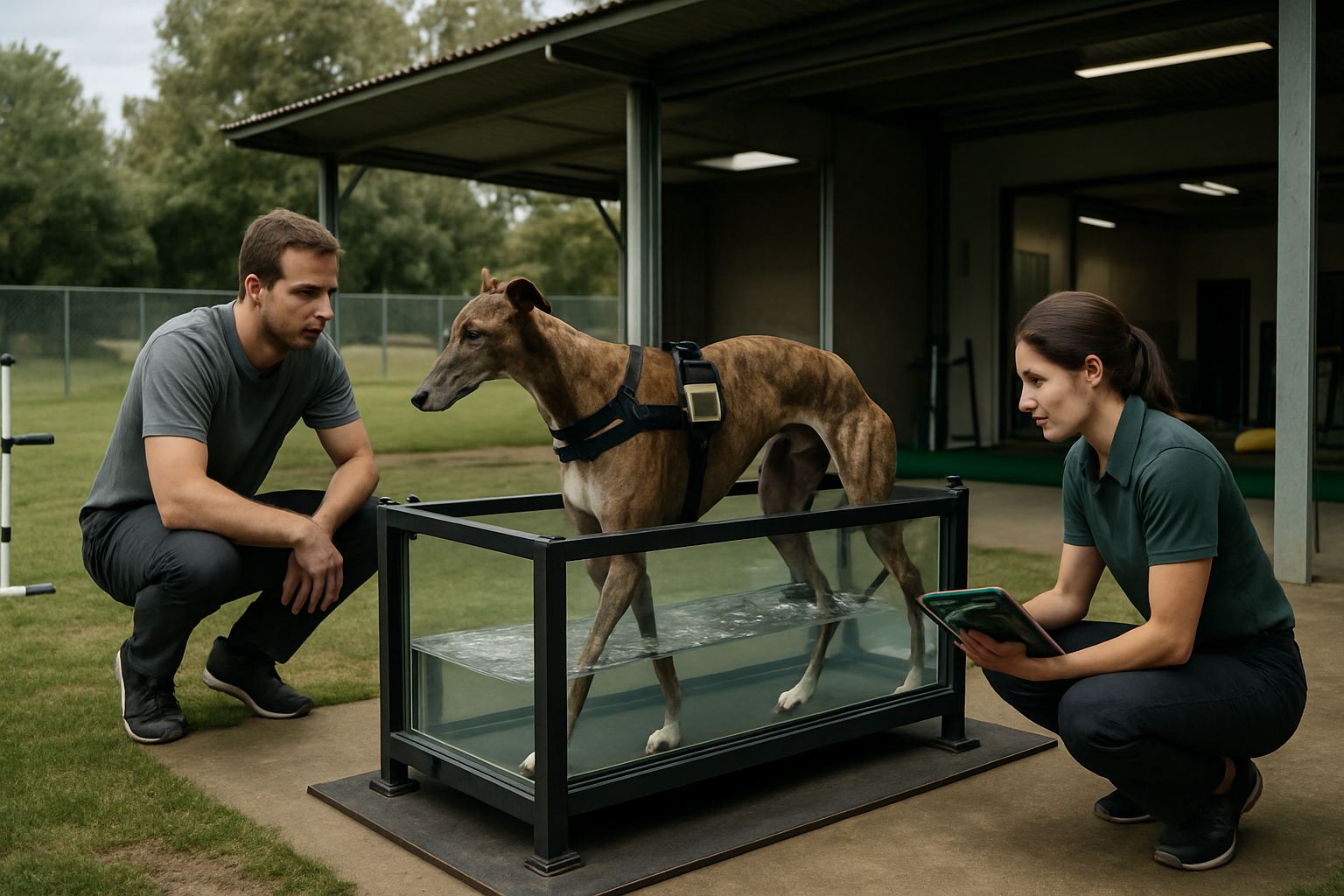
Data‑driven monitoring tools have revolutionized injury prevention. Wearable sensors track stride symmetry, ground‑reaction forces, and joint angles, enabling trainers to spot subtle deviations that may signal overuse. When irregularities are identified, the training plan is adjusted—either by reducing intensity, introducing cross‑training activities like swimming, or providing additional therapeutic modalities. This vigilant approach not only extends a greyhound’s racing career but also improves overall welfare.
Emerging Technologies and Future Directions
Advancements in sports science are rapidly shaping the next generation of greyhound training. High‑speed video analysis, combined with artificial intelligence, can now break down each sprint into millisecond‑precise components, offering insights into optimal stride length, foot placement, and acceleration patterns. Trainers use this data to fine‑tune starting positions on the lure track, ensuring the dog maximizes thrust from the first step.
Additionally, genetic testing is gaining traction as a tool for identifying dogs with innate endurance or sprinting potential. By correlating specific gene markers with performance outcomes, breeders and trainers can make more informed decisions about pairing and training focus. While technology continues to evolve, the core principles—respect for the greyhound’s natural abilities, consistent conditioning, and attentive care—remain the steadfast pillars upon which every champion is built.

Growing up near the local track, I developed a lifelong fascination with the athleticism and strategy behind greyhound racing. I spend my free time analyzing past performances and studying breeding lines to better understand the nuances of every race. Sharing insights and celebrating the incredible speed of these dogs is what keeps me passionate about the sport.