Race day nutrition timing stands as the invisible engine beneath every greyhound’s explosive stride. In the high-stakes arena of competitive coursing, the difference between a clean break and a missed lure often hinges not on raw speed alone, but on the precise orchestration of fuel intake. When a greyhound steps onto the track, its body operates on a razor-thin margin where glycogen stores, hydration status, and digestive comfort must align perfectly. The canine athlete, much like its human counterpart in sprint events, relies heavily on anaerobic pathways for the initial burst, transitioning rapidly to aerobic metabolism as the race unfolds. Understanding how to manipulate nutrient availability before that first slip of the trap is the cornerstone of peak performance. It is a science rooted in timing, species-specific metabolism, and the avoidance of gastrointestinal distress. For the trainer or owner looking to shave fractions of a second off the clock, mastering the temporal aspects of feeding is as critical as selecting the right lure or optimizing the track surface. To maximize a greyhound’s speed, trainers often rely on specialized programs like Redline Athletics, which focus on optimizing performance through tailored conditioning.
The Glycogen Window and Pre-Race Fueling
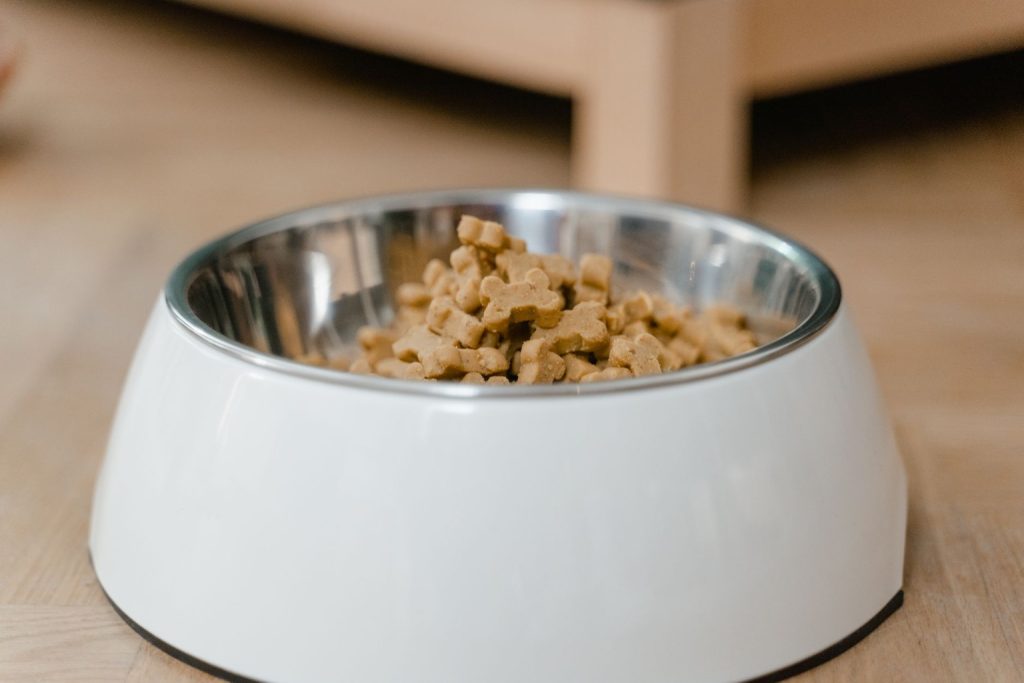
The concept of the glycogen window is central to understanding how timing influences race outcomes. Glycogen, the stored form of glucose in the muscles and liver, serves as the primary fuel source for the intense, short-duration efforts required in a typical race distance. Research and consensus from endurance and sprint sports nutrition suggest that the timing of the final major meal must be carefully calibrated. For a greyhound, offering a carbohydrate-rich meal too close to the start of the event can lead to insulin spikes and subsequent hypoglycemia during the race, resulting in lethargy or a sudden drop in pace. Conversely, feeding too early risks depleting these vital stores before the competition even begins. The general expert recommendation, aligning with widely accepted canine sports nutrition principles, is to provide a substantial meal approximately three to four hours prior to the scheduled race time. This window allows for adequate gastric emptying and the steady release of glucose into the bloodstream, ensuring that the muscles are primed without the interference of a heavy digestive load. During this period, smaller, easily digestible snacks may be offered closer to the event, but the bulk of the caloric intake should reside in this earlier window to maximize storage and minimize race-day risk.
Hydration strategy forms an inseparable partner to nutritional timing. It is not merely about providing water, but about managing the body’s fluid compartments to support thermoregulation and muscle function. A greyhound losing even a modest percentage of body water can experience a significant drop in performance capacity, as blood volume decreases and the heart must work harder to circulate oxygenated blood to working muscles. The expert consensus often points toward a period of consistent, moderate hydration in the days leading up to the event, rather than a frantic gallon of water immediately before the start. Over-hydrating immediately prior to the race can lead to discomfort or the need for mid-race pit stops, which are, of course, impossible during a closed-course competition. A small amount of water offered an hour or two before the start, ensuring the mouth and throat are moist, is generally considered the optimal approach. Electrolyte balance also plays a role; incorporating a canine-specific electrolyte solution into the water bowl during the training weeks can help the animal maintain the mineral balance necessary for nerve impulse transmission and muscle contraction when the adrenaline of the race kicks in.
Mid-Race Energy Considerations and Lure Dynamics
While the focus is often on the pre-event meal, the dynamics of the race itself introduce unique challenges regarding energy maintenance. Unlike a marathon where fueling stations are a staple, a typical greyhound race lasts mere minutes, often between 30 and 45 seconds for the sprint distances, or up to two minutes for the longer oval races. In this context, the concept of “mid-race nutrition” is less about solid food and more about the metabolic priming that occurred hours prior. The intensity of the chase, driven by the mechanical lure, triggers a massive surge of adrenaline and cortisol. This hormonal flood mobilizes energy stores rapidly. If the pre-race timing was off, perhaps the dog ate a heavy meal just an hour before, the resulting blood flow diversion to the gut can cause cramping or nausea, severely hampering the ability to maintain the high speed required to stay close to the lure. The timing must therefore ensure that the digestive system is at rest, allowing maximum blood flow to remain in the limbs and cardiovascular system. The lure’s speed and the dog’s ability to sustain that initial burst are directly impacted by how efficiently the body can shunt resources away from digestion and toward propulsion.
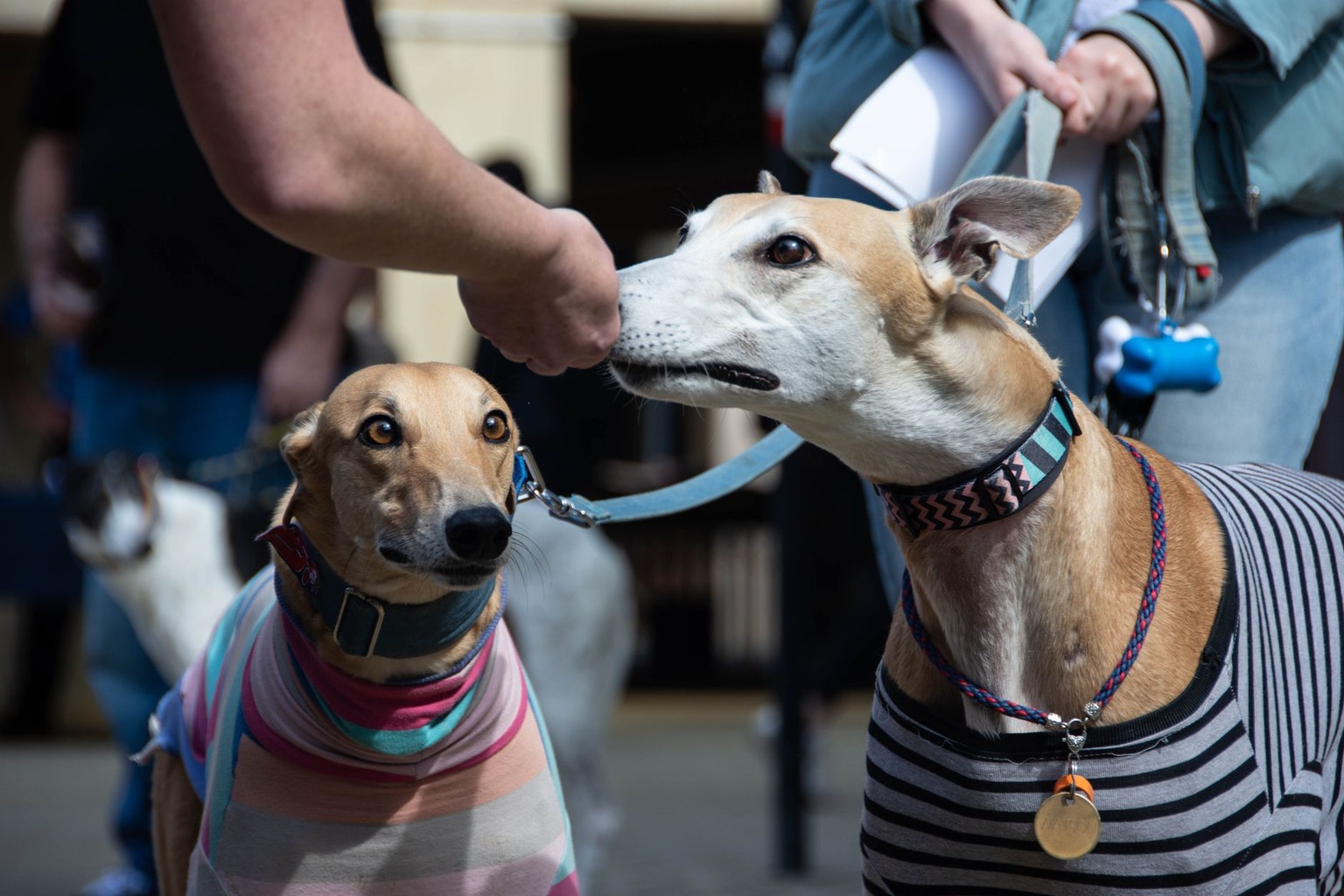
The psychological aspect of timing also cannot be understated. A dog that has been fed inconsistently or at erratic times leading up to the event may exhibit signs of anxiety or restlessness at the starting boxes. This mental state can alter eating patterns on race morning, creating a feedback loop of poor nutrition and heightened stress. Expert handlers often treat the race day feeding schedule with the same rigidity as the training schedule itself. Consistency in the type of food, the time of day it is offered, and the quiet environment in which it is consumed helps stabilize the dog’s gut microbiome and circadian rhythms. When the body expects food at a certain time and receives it predictably, the digestive enzymes are primed and ready, reducing the likelihood of surprise gastrointestinal upsets. This psychological comfort, derived from routine timing, translates into a more focused, physically ready athlete at the traps, ready to react to the mechanical lure with pure, unencumbered power.
Post-Race Recovery Nutrition Timing
The conversation around nutrition timing does not end when the trap door opens; in fact, the immediate window following the race is perhaps the most critical for the long-term health and future performance of the canine athlete. The period often referred to as the “anabolic window” is when the body is most receptive to replenishing depleted glycogen stores and initiating muscle repair. For a greyhound, the hours immediately following a race are marked by intense metabolic demand. The muscles have been taxed to their limit, and the energy reserves are significantly lowered. Expert consensus suggests that offering a recovery meal or a specially formulated canine performance supplement within the first hour post-race can dramatically accelerate the return to baseline fitness. This timing capitalizes on the increased insulin sensitivity and blood flow to the muscles that occurs after intense exertion. The nutrients consumed during this window are shuttled more efficiently into the muscle cells, repairing the micro-tears incurred during the high-speed pursuit of the lure.
Hydration remains paramount in this post-event phase, but the focus shifts from mere water intake to the replacement of lost electrolytes and the cooling of the internal core temperature. A greyhound’s body temperature can spike dramatically during a race, and the subsequent recovery period is where thermoregulation must be re-established. Offering water that is cool, but not ice-cold, encourages the dog to drink without shocking the system. Adding a measured amount of electrolyte powder can help restore the sodium and potassium lost through sweat and heavy panting. Furthermore, the quality of the protein offered post-race is vital. Lean proteins provide the amino acids necessary for muscle protein synthesis. The timing of this protein intake, coupled with the carbohydrate replenishment, sets the stage for the dog’s next training session or upcoming competition. Ignoring this post-race timing can lead to prolonged soreness, slower recovery between meets, and ultimately, a decline in peak performance over the racing season.
Breed-Specific Metabolic Variations and Adjustments
It is essential to recognize that not all canine athletes process nutrients at the same rate. While the general principles of race day nutrition timing apply across the board, breed-specific metabolic variations dictate that adjustments must be made. Greyhounds, as a breed, possess a unique physiology characterized by a high proportion of fast-twitch muscle fibers and an efficient oxygen utilization system. This biological makeup means they can generate explosive speed but may have different glycogen storage capacities compared to, say, a working breed or a smaller terrier. The expert consensus in canine sports nutrition often tailors the timing and composition of the pre-race meal to these specific traits. A diet that is too heavy in simple sugars might lead to a rapid energy crash for a breed already prone to rapid metabolism, whereas a balanced approach focusing on complex carbohydrates and moderate fats might provide a more sustained release of energy. Understanding these nuances allows the trainer to fine-tune the timing windows, perhaps shifting the final meal slightly earlier or later based on the individual dog’s response to training feeds.
Age and health status further complicate the timing equation. A senior greyhound may not process a large meal with the same efficiency as a young prime athlete, requiring a lighter, more frequent feeding schedule in the days leading up to the event. Conversely, a young, growing dog has higher overall energy demands but may have a more robust digestive capacity. The timing strategy must, therefore, be dynamic, evolving as the dog ages or if health conditions such as renal issues or gastrointestinal sensitivities arise. Consulting with a veterinarian who understands the demands of competitive coursing is the safest path to adjusting these timings. They can provide guidance on how to modify the nutrition timing without compromising the dog’s overall health, ensuring that the pursuit of peak race day performance does not come at the cost of long-term well-being. The interplay between breed physiology and timing is a sophisticated field, but the goal remains constant: aligning the fuel intake with the dog’s innate biological rhythms to maximize the burst of speed when the lure takes off.
The Role of Supplements in Timing Strategy
In the modern era of competitive coursing, the use of supplements has become a nuanced aspect of nutrition timing, though they should always be viewed as adjuncts to a solid dietary foundation, not replacements. Supplements such as joint support compounds, omega fatty acids, and specific performance enhancers like L-carnitine have specific timing windows where they offer the most benefit. For instance, certain joint supplements are best given with food to aid absorption, while others might be timed to avoid interfering with the race-day meal schedule. The expert consensus generally advises against introducing new supplements on the morning of the race; the risk of an unexpected reaction or digestive upset is too high. Instead, any performance-related supplements should be integrated into the training diet weeks or months prior, allowing the handler to observe how the dog’s body reacts and adjust the timing accordingly. This pre-emptive approach ensures that when race day arrives, the supplements are working in harmony with the timing strategy, rather than causing a distraction.
 Additionally, the timing of carbohydrate-based gels or pastes, often used in human endurance sports, is a topic of debate in the canine world. While some handlers experiment with small amounts of high-energy pastes shortly before the lure is released, the risk of gastrointestinal distress often outweighs the potential benefit for a species not evolutionarily adapted to concentrated sugar hits right before high-intensity exercise. The general recommendation, aligning with the broader consensus, leans toward relying on the complex carbohydrates consumed during the three-to-four-hour window prior to the event. If a handler does elect to use a fast-acting energy source, it must be tested extensively in training scenarios, never debuted on the actual race day. The timing of these experimental feeds must be logged meticulously, noting the dog’s behavior, stool quality, and race performance. This data-driven approach to supplement timing allows the trainer to refine the strategy, ensuring that any added nutritional support enhances the greyhound’s natural abilities without introducing unnecessary risk to the animal’s comfort or health during the competition.

Growing up near the local track, I developed a lifelong fascination with the athleticism and strategy behind greyhound racing. I spend my free time analyzing past performances and studying breeding lines to better understand the nuances of every race. Sharing insights and celebrating the incredible speed of these dogs is what keeps me passionate about the sport.