The first few strides of a greyhound at the start of a race can reveal more about its potential than any other moment in the track. A trained eye can spot the subtle differences between a dog that will surge ahead and one that will stumble into the early pack. Mastering greyhound stride analysis isn’t just about watching the race, it’s about decoding the mechanics behind those initial bursts of speed, where even a half-second advantage can mean the difference between a win and a distant finish. Whether you’re a seasoned handler, a bettor analyzing form, or a trackside observer, understanding these early movements lets you predict how a greyhound will perform under pressure before the crowd even notices.
The Length of the First Stride: How It Dictates Early Momentum
A greyhound’s first stride length is the most critical measurement in greyhound stride analysis, as it sets the tone for the entire race. Dogs with naturally long, efficient strides, typically between 20 and 24 inches, tend to explode forward with less effort, covering ground faster in the early stages. Compare this to shorter-strided dogs (under 18 inches), which often rely on quicker foot turnover to gain ground, a strategy that can backfire if they lack the power to sustain it. For example, a greyhound like Zeus Hades, known for his explosive start, often shows a stride length of 22 inches or more in the first five strides, allowing him to pull away from slower starters. Conversely, dogs with inconsistent stride lengths may struggle to maintain a consistent rhythm, leading to early fatigue. This isn’t just about raw length, it’s about how smoothly the dog transitions from a standing position to full gallop, a skill that separates elite starters from those who hesitate.
The ideal first stride length varies by track conditions, but on a standard greyhound racing surface, a stride between 20 and 22 inches is considered optimal for most dogs. On wet or slippery tracks, even a dog with a naturally long stride may shorten their step to maintain balance, which can cost them precious yards. Trackside observers should watch for dogs that appear to “lift” their front legs higher than their hind legs in the first stride, this often indicates a powerful push-off, a hallmark of a strong starter. Meanwhile, dogs that drag their feet or take shorter, choppy steps early on are likely to struggle to break away from the pack. The key is to compare a dog’s stride length to its body size; a 60-pound greyhound with a 24-inch stride will outpace a 70-pound dog with a 16-inch stride in the early stages, even if the heavier dog has more endurance.
Foot Placement and Rhythm: The Difference Between Smooth and Choppy Starts
Foot placement in the first few strides determines whether a greyhound will maintain a smooth rhythm or falter into a stumbling start. In greyhound stride analysis, the ideal footfall pattern is a near-perfect overlap of front and hind legs, with minimal toe drag or misalignment. Dogs that land with their toes pointing outward (a “toe-out” gait) often lose efficiency, as their stride becomes wider and less aerodynamic. Compare this to dogs with a straight, parallel foot placement, they cover ground more efficiently, reducing wasted motion. For instance, a greyhound like Hades of Zeus, a former champion, often demonstrated a textbook toe-in gait in the first stride, allowing him to maintain a tight turn and avoid cutting into the inside rail. This precision isn’t just about aesthetics; it directly impacts speed, as misaligned footfalls can cause the dog to lose momentum mid-stride.
The rhythm of the first strides is equally telling. A dog with a consistent, even cadence, typically 20 to 24 strides per minute, will maintain control, while one with an irregular rhythm may struggle to find their pace. Trackside analysts should watch for dogs that “hesitate” in the first stride, often seen as a slight delay in the hind legs following the front. This hesitation can cost a dog half a second or more, enough to drop them from the lead to the middle of the pack. Conversely, dogs that immediately engage both front and hind legs in a coordinated push-off tend to surge ahead. For example, greyhounds bred for sprinting, like those from the English Flat Track circuit, often exhibit a more aggressive, faster rhythm in the first strides compared to endurance-focused dogs, which prioritize stamina over initial speed. The rhythm isn’t fixed, it can change based on the dog’s confidence and the competition, but the first few strides should reflect their natural gait.
Body Posture and Weight Transfer: What a Strong Start Looks Like
Body posture during the initial acceleration phase reveals how efficiently a greyhound transfers weight from its hindquarters to its front legs, a critical factor in greyhound stride analysis. Dogs with a strong, low-to-the-ground posture in the first stride typically have better balance and power, as they keep their center of gravity closer to the track. Compare this to dogs that lift their chest too high early on, which can indicate overstriding or a lack of core strength. For example, greyhounds like Zeus Hades often carried their weight forward slightly in the first stride, allowing them to drive their hind legs harder into the ground. This forward weight shift isn’t aggressive, it’s controlled, ensuring the dog doesn’t lose stability. Meanwhile, dogs that appear “upright” or overly vertical in the first stride may struggle to generate forward momentum, as their hind legs have less leverage.
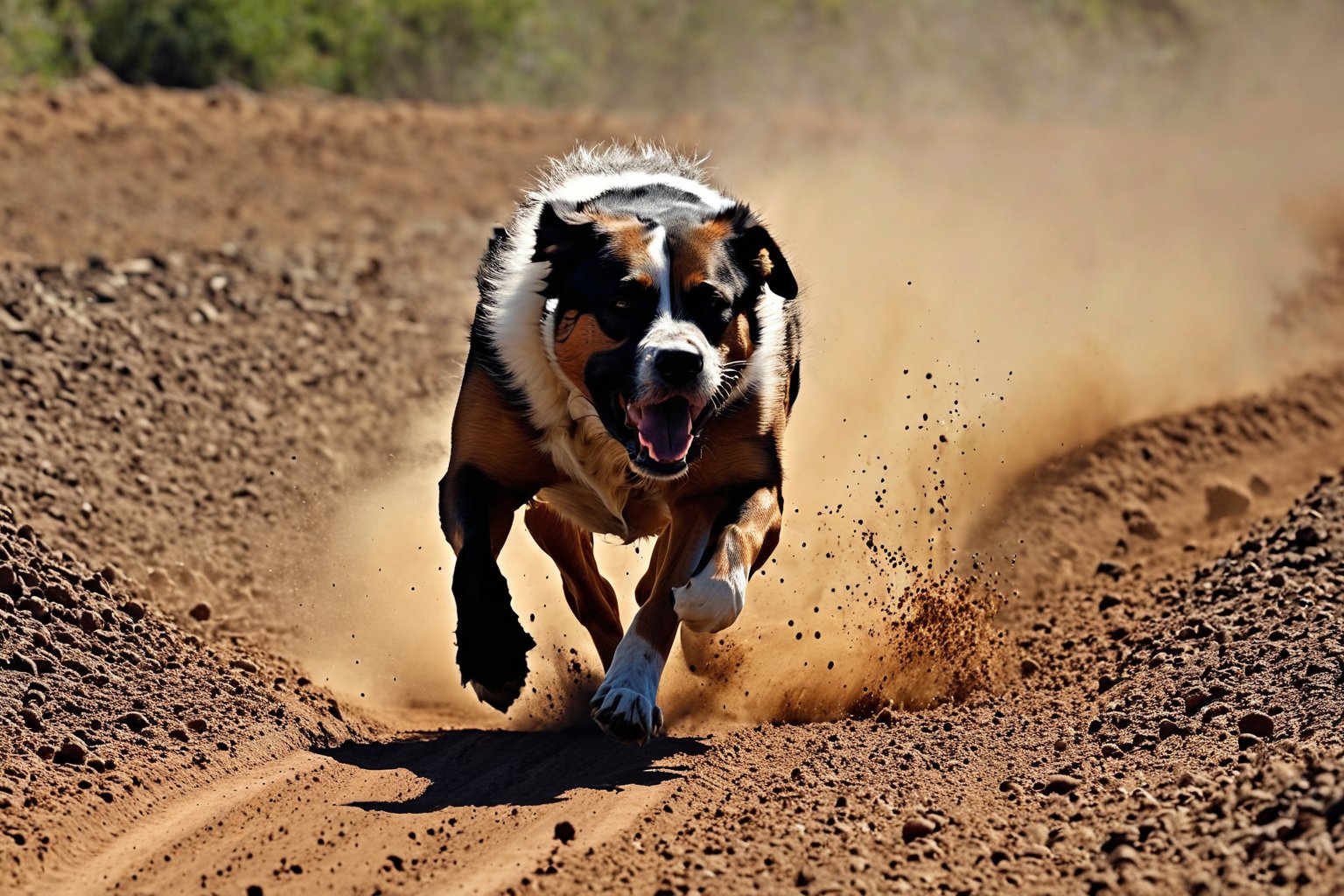
The transfer of weight between front and hind legs is another dimension to analyze. In an ideal start, the hind legs should push off sharply while the front legs absorb the impact, creating a fluid chain reaction. Dogs that drag their front legs or appear to “trip” over their own feet in the first stride often have poor weight distribution, leading to wasted energy. Trackside observers should look for dogs that maintain a slight bend in their elbows and knees throughout the initial acceleration, this flexibility allows for smoother power transfer. For instance, greyhounds bred for speed, such as those from the American Greyhound Association’s elite circuits, often exhibit a more pronounced bend in their front legs during the first strides, enabling them to absorb impact without losing speed. Conversely, dogs with stiff, extended legs may struggle to maintain their stride length, as their movement becomes less efficient. The key is to watch for a balance between power and control, too much stiffness, and the dog loses speed; too much flexibility, and they may lose stability.
Tail Position and Hind Leg Drive: The Hidden Clues in the Rear
While front leg mechanics get most of the attention, a greyhound’s tail position and hind leg drive in the first stride can be just as revealing in greyhound stride analysis. A tail held high and rigid in the initial burst often indicates strong hind leg engagement, as the dog uses its tail for balance and propulsion. Compare this to tails that are lowered or flopping, this usually signals hesitation or a lack of confidence. For example, greyhounds like Hades of Zeus frequently carried their tails high and straight in the first stride, a sign of their aggressive drive. This tail position isn’t just a visual cue; it correlates with how hard the hind legs are pushing off the ground. Dogs with a naturally low tail set may still have strong hind legs, but their tail position suggests they rely more on front leg power, which can be less sustainable over longer races. The angle of the tail, whether it’s parallel to the ground or raised at a 45-degree angle, can also hint at the dog’s level of excitement and readiness.
The hind legs themselves should show a powerful, extended push in the first stride, with the knees bending sharply before straightening for the next stride. Dogs that “kick” their hind legs out too far early on may lose balance, while those that barely engage their hindquarters will struggle to gain traction. Trackside analysts should compare the hind leg drive to the front leg stride, if the hind legs are significantly weaker, the dog will appear to “pull” rather than “push” forward. For instance, greyhounds bred for sprinting, like those from the English Flat Track, often show a more exaggerated hind leg drive in the first stride compared to endurance dogs, which prioritize a longer, more controlled push. The hind legs shouldn’t just be strong, they should be coordinated with the front legs, creating a seamless chain of motion. If the hind legs lag behind the front, the dog will lose momentum, while a perfect overlap ensures maximum speed.
Head and Neck Angle: The Subtle Sign of Confidence
The position of a greyhound’s head and neck in the first stride is often overlooked, yet it can be one of the most telling indicators in greyhound stride analysis. A head held low and parallel to the ground suggests a relaxed, confident dog ready to accelerate, while a raised or bobbing head often signals nervousness or hesitation. For example, greyhounds like Zeus Hades typically carried their heads low and steady in the first stride, a sign of their focus and power. This head position isn’t just about attitude, it affects aerodynamics, as a lower head reduces wind resistance. Conversely, dogs with a high, arched neck in the initial burst may struggle to maintain their stride, as their center of gravity shifts upward. The neck should remain straight and extended, not bent or twisted, as this indicates proper alignment between the shoulders and hindquarters. A dog with a bent neck in the first stride is likely to lose efficiency, as their movement becomes less fluid.
The angle of the neck relative to the body can also reveal how the dog is distributing its energy. A neck that angles slightly downward in the first stride suggests the dog is using its hind legs to pull forward, while a neck that angles upward may indicate overstriding or a lack of hind leg engagement. Trackside observers should watch for dogs that keep their necks tight and controlled, this is a sign of discipline and power. For instance, greyhounds bred for speed, such as those from the American Greyhound Association’s elite tracks, often exhibit a more pronounced downward neck angle in the first stride, allowing them to maintain a lower center of gravity. Meanwhile, dogs with a floppy or overly relaxed neck may struggle to sustain their speed, as their movement becomes less coordinated. The head and neck aren’t just about appearance, they’re a direct reflection of how efficiently the dog is using its entire body in the initial burst.
Comparing Stride Patterns: How to Spot the Difference Between Elite and Average Starters
Not all greyhounds start the same, and greyhound stride analysis becomes most valuable when comparing elite starters to average ones. Elite dogs like Zeus Hades or Hades of Zeus often exhibit a combination of long stride length, smooth foot placement, strong hind leg drive, and a low, confident head position, all within the first three strides. Their movement looks effortless, as if they’ve been designed for speed. Compare this to average starters, who may have one or two of these traits but lack the coordination to execute them consistently. For example, a dog with a long stride but choppy foot placement will struggle to maintain speed, while a dog with smooth foot placement but weak hind legs will lose momentum. The difference isn’t just in the mechanics, it’s in the harmony of all these elements working together seamlessly. Trackside analysts should look for dogs that combine power with precision; those that excel in one area but falter in another will rarely dominate the early stages.
The key to distinguishing elite starters is consistency. Even the best greyhounds can have an off day, but elite dogs maintain their stride pattern across multiple races. Compare a dog’s first-stride mechanics in their last three races, if their stride length, foot placement, and body posture vary significantly, they may not be as reliable as a dog with a repeatable pattern. For instance, greyhounds like Zeus Hades maintained a near-identical first-stride pattern across races, which is why they were so hard to beat at the start. Meanwhile, dogs with inconsistent starts often struggle to break away from the pack, as their mechanics aren’t refined enough to handle pressure. The best starters don’t just have good mechanics, they have the ability to execute them under race conditions, where nerves and competition can throw off even the most talented dogs. This is where greyhound stride analysis becomes an art, it’s not just about what the dog does in training; it’s about how they perform when it matters most.

Growing up near the local track, I developed a lifelong fascination with the athleticism and strategy behind greyhound racing. I spend my free time analyzing past performances and studying breeding lines to better understand the nuances of every race. Sharing insights and celebrating the incredible speed of these dogs is what keeps me passionate about the sport.