History of Greyhound Racing in the US
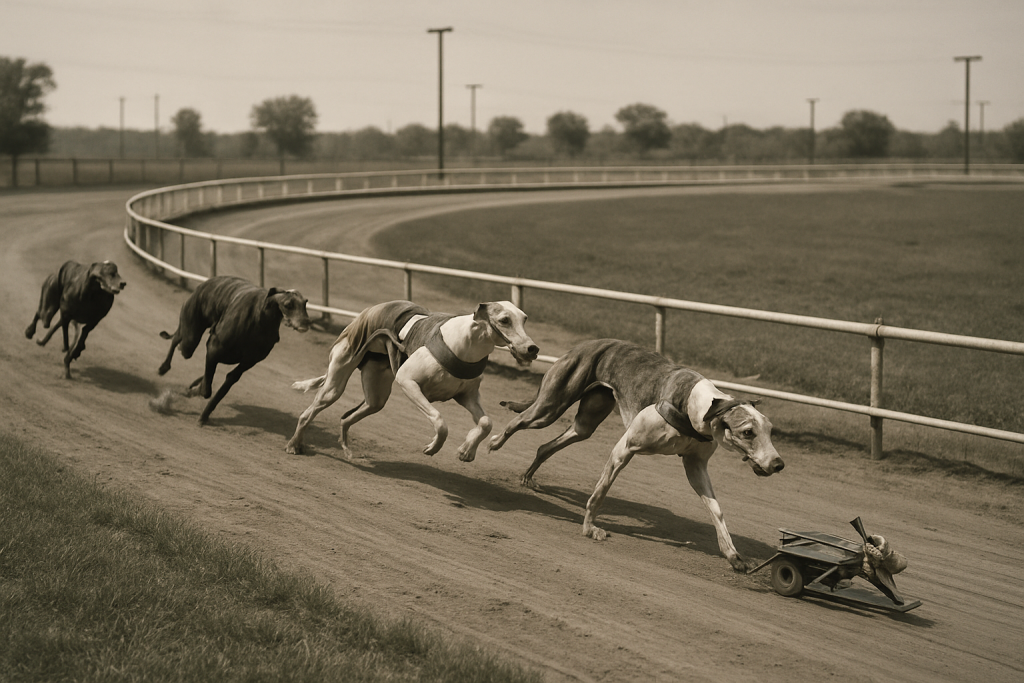
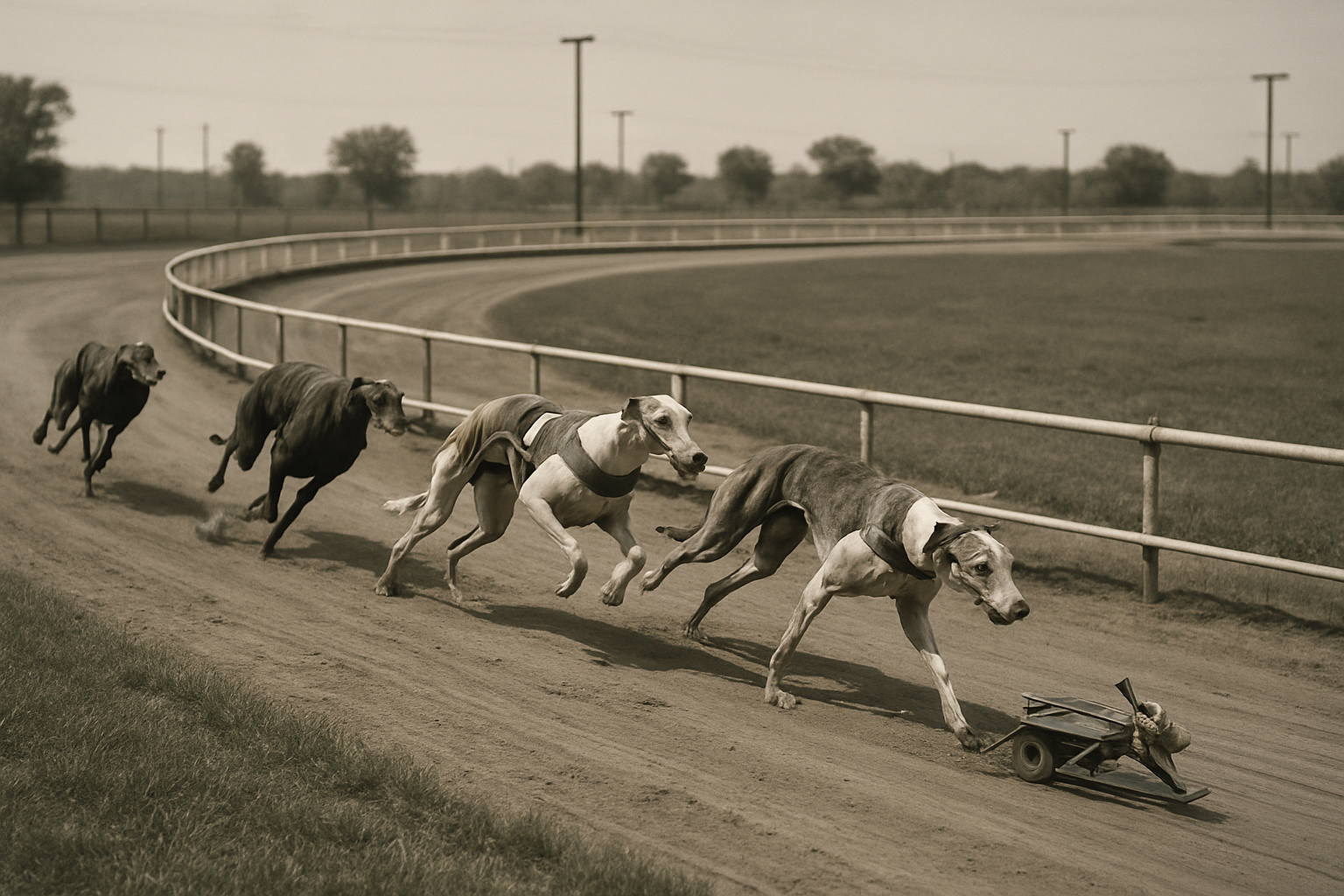
The history of greyhound racing in the United States dates back to the early 20th century, marking a fascinating chapter in the country’s sporting culture. The origin of greyhound racing in the US can be traced to the adaptation of traditional coursing events, where dogs would chase live game animals. However, to modernize and standardize the sport, the use of a mechanical lure was introduced, allowing for safer and more controlled races. This innovation laid the foundation for what would become a popular and enduring form of entertainment across the nation.
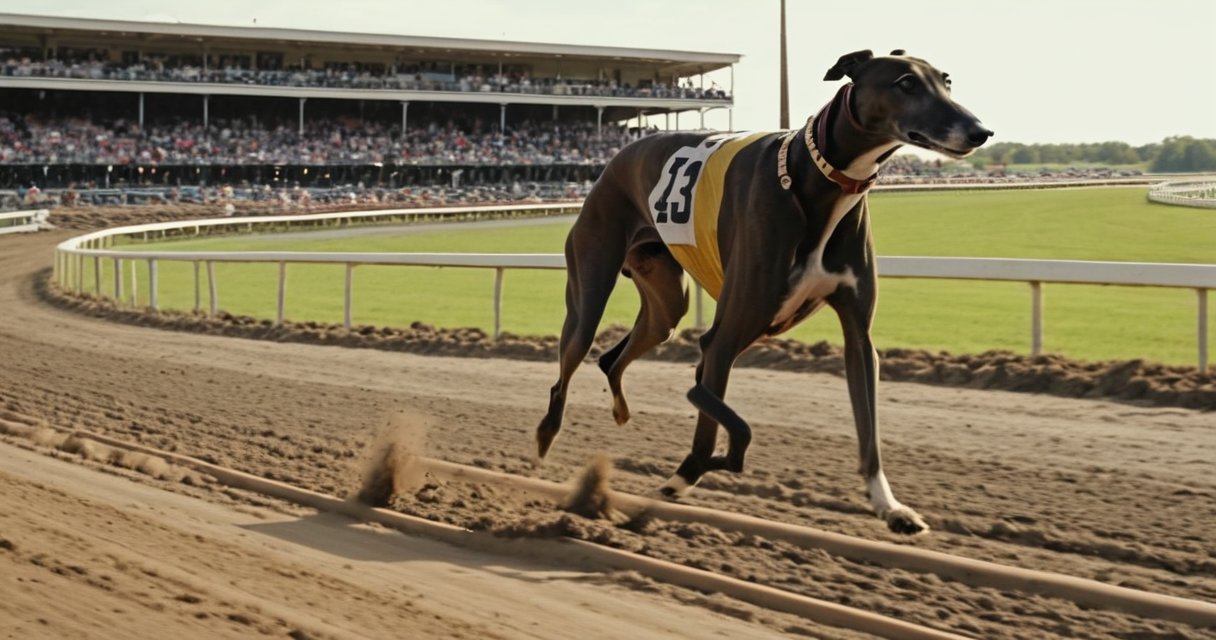
US greyhound racing started gaining significant traction in the 1920s and 1930s. The first official track in the country was opened in 1919 in Emeryville, California, but it was in the subsequent decades that the sport truly flourished. Tracks began to emerge in various states, especially in Florida, Texas, and Arizona, becoming hubs for both casual fans and serious bettors. The growth of greyhound racing history during this period is marked by its integration into the betting industry, which contributed heavily to its popularity and economic impact.
Throughout its development, US greyhound racing has experienced numerous changes and challenges. In the mid-20th century, the sport enjoyed its heyday, with thousands of tracks and millions of fans. However, concerns over animal welfare and shifting public attitudes led to increased regulations and a gradual decline in track numbers. Despite these challenges, the historical significance of greyhound racing in the US remains evident in its continued presence in select states and its influence on racing culture nationwide.
Today, the history of greyhound racing in the US is remembered as a complex story of innovation, entertainment, and evolving societal values. From its origins in traditional coursing to the establishment of mechanized racing, US greyhound racing has carved out a unique niche within American sports history. Understanding this evolution sheds light on the broader cultural and economic factors that shaped the sport’s legacy over the past century.
Early Days and Popularity Surge
The history of early greyhound racing in the United States dates back to the early 20th century, when it emerged as a thrilling new sport that quickly captured the public’s imagination. Originally inspired by traditional coursing events and the greyhound’s reputation as an incredibly fast and agile breed, greyhound racing began to gain traction in cities with established betting cultures. The introduction of mechanical lure systems played a crucial role, allowing races to be conducted on oval tracks and making the events more organized and spectator-friendly.
Several factors contributed to the rapid popularity of greyhound racing during this period. The roaring twenties saw increased urbanization and a rise in leisure activities, providing a perfect environment for the growth of this exciting sport. The appeal of greyhound racing was further enhanced by its accessibility to a broad audience, offering affordable entertainment combined with the allure of gambling. As word spread, tracks began opening in multiple states, each drawing sizable crowds eager to witness the speed and skill of the competing dogs.
The popularity of greyhound racing was not just a passing fad; it reflected a broader cultural shift toward organized sports and regulated betting practices. As regulatory frameworks developed to oversee the sport, the quality and integrity of races improved, further boosting public confidence and attendance. This period of growth marked the foundation for greyhound racing’s sustained popularity in America, setting the stage for its expansion throughout the mid-20th century.
Decline and Legal Challenges
The decline of greyhound racing in the US has been significant over the past few decades, driven by a combination of legal challenges, changing public attitudes, and increased concern for animal welfare. Once a popular sport enjoyed by many, greyhound racing decline has been marked by a steady reduction in the number of operating tracks and the number of races held annually.
One of the primary factors contributing to this decline has been the tightening of regulations on greyhound racing. Various states have implemented stricter laws governing the treatment and care of racing greyhounds, as well as banning the sport entirely in certain regions. These legal restrictions on greyhound racing have significantly limited the sport’s viability, making it more difficult for tracks to operate profitably.
Animal welfare concerns have played a crucial role in shaping the conversation around greyhound racing decline. Advocacy groups have highlighted the mistreatment of racing greyhounds, including issues related to living conditions, injuries sustained on the track, and the fate of retired dogs. These concerns have spurred legislative efforts aimed at protecting the animals, often resulting in more stringent regulations or outright bans.
As a result, greyhound racing in the US is now a far less prominent sport than it once was. Legal challenges and evolving cultural values continue to drive changes in the industry, reflecting a broader societal shift towards greater protection for animals and rejection of practices considered outdated or unethical.
Current State of Greyhound Racing in the US
Greyhound racing today represents a shrinking yet still active segment of the US greyhound industry. Once a popular sport with numerous tracks operating nationwide, the industry has experienced significant decline in recent decades due to changing public attitudes, increased animal welfare concerns, and legislative restrictions.
Currently, there are only a handful of active greyhound tracks in the United States, primarily located in two states: Florida and West Virginia. Florida hosts the majority of the remaining tracks, with facilities such as the Derby Lane in St. Petersburg and the Palm Beach Kennel Club maintaining regular racing schedules. West Virginia also supports greyhound racing at a limited number of venues, catering to regional audiences and gambling enthusiasts. Other states that previously had greyhound racing have either banned the sport entirely or allowed tracks to close without replacement.
The current greyhound tracks operate under strict regulatory oversight aimed at ensuring animal welfare and responsible betting. However, this increased scrutiny has not reversed the decline in attendance and betting revenue, which has steadily fallen over the past two decades. The US greyhound industry now focuses heavily on balancing tradition and economic viability with modern ethical standards, which often places it at odds with animal rights organizations and shifting public opinion.
Contemporary industry trends include efforts to diversify revenue streams through simulcasting and expanded wagering options beyond live racing events. Some track operators have also begun transitioning portions of their facilities into mixed-use gaming venues that offer poker and slot machines, helping to sustain financial stability as live greyhound racing diminishes. Nevertheless, the future of greyhound racing in the US remains uncertain, with ongoing debates about the sport’s moral implications and legislative pressures continuing to shape its trajectory.
Major Greyhound Tracks Operating Today
Despite the decline in popularity over the years, several major greyhound tracks remain actively hosting races across the United States. These active racing venues serve as key locations where enthusiasts can still experience the thrill of greyhound racing firsthand. Understanding the current landscape of greyhound racing locations is essential for anyone interested in the sport’s ongoing presence in the country.
One of the most prominent major greyhound tracks is the Sanford Orlando Kennel Club in Florida. Known for its state-of-the-art facilities and a vibrant racing schedule, it continues to draw crowds and maintains a rich tradition of greyhound racing. This venue stands out as a hub for both local fans and visitors seeking an authentic racing experience.
Another key active racing venue is the Mardi Gras Casino and Resort in Vinton, Louisiana. This location not only offers greyhound racing but also complements the experience with casino amenities, making it a popular destination for entertainment and wagering combined. Mardi Gras Casino remains one of the few greyhound racing locations that balance tradition with modern attractions.
Additionally, the Derby Lane Greyhound Track in St. Petersburg, Florida, holds the distinction of being one of the oldest continually operating greyhound racing tracks in the nation. Its historic significance and ongoing commitment to the sport make it a cornerstone among the major greyhound tracks still in operation today.
These active racing venues underscore the resilience of greyhound racing in the US by preserving popular greyhound racing locations that continue to operate despite changing regulations and public perceptions. For fans and bettors alike, these tracks offer unparalleled opportunities to engage with a cherished sporting tradition.
Controversies and Animal Welfare
Greyhound racing in the US has been a subject of intense debate primarily due to concerns surrounding greyhound welfare. Animal rights advocates have long criticized the industry, highlighting numerous issues related to the treatment of racing dogs both on and off the track. These controversies have cast a shadow over the sport, prompting calls for reform and, in some cases, outright bans on racing activities.
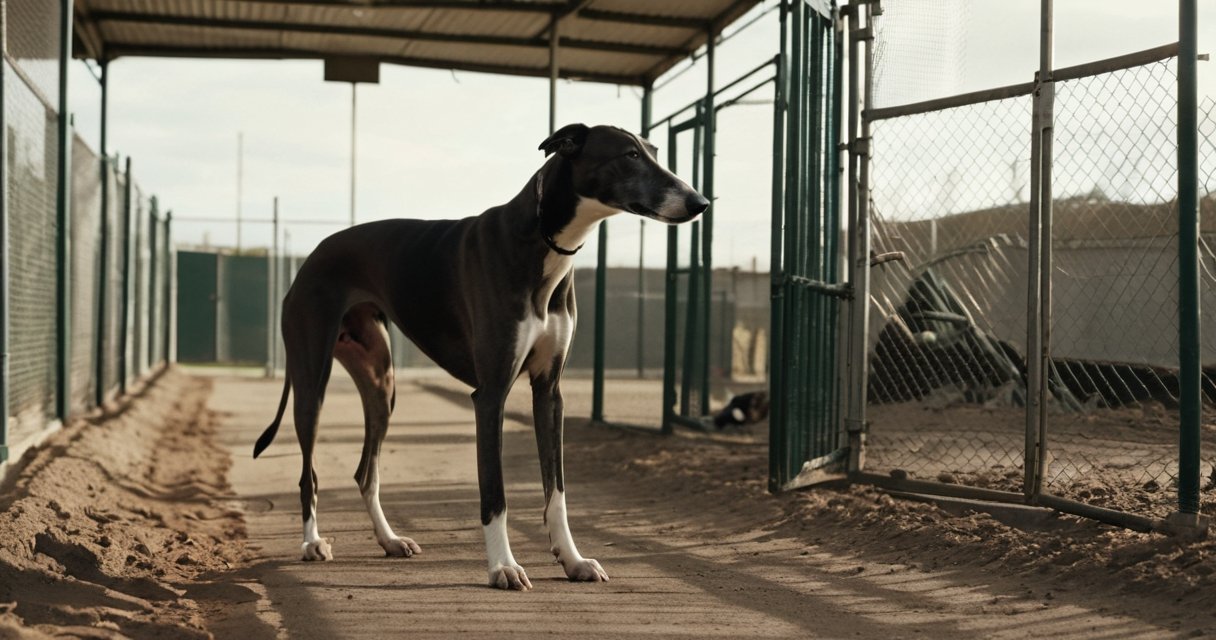
One of the main animal welfare concerns linked to greyhound racing involves the living conditions and care provided to the dogs. Critics argue that many greyhounds are kept in confined kennels for extensive periods with limited social interaction and exercise outside of racing and training sessions. Such conditions can contribute to both physical and psychological stress, undermining the overall health and well-being of the animals.
In addition to living conditions, the treatment of greyhounds during training and racing has been widely scrutinized. Reports have surfaced describing the use of harsh training methods and the risk of injury inherent in a high-speed, competitive environment. Injuries such as broken bones and muscle tears are common, and the fate of injured dogs often raises further ethical questions. Many greyhound racing controversies focus on how injured or retired dogs are handled, with some never finding permanent homes or being euthanized prematurely.
Animal rights groups have also raised alarms about the fate of greyhounds that do not perform well or are deemed unfit for racing. The disposal of these dogs—sometimes through inhumane means—has fueled public outrage and strengthened campaigns to end greyhound racing altogether. The industry’s response to these concerns varies, with some tracks adopting adoption programs and improving care standards, but skepticism remains prevalent among advocates.
Overall, the controversies surrounding greyhound racing are deeply intertwined with broader questions about animal rights and ethical treatment. While proponents highlight the sport’s entertainment and economic benefits, the growing public awareness of greyhound welfare issues continues to shift attitudes. This evolving perspective has led to legislative action in multiple states, aiming to protect racing dogs and promote humane treatment across the board.
Reforms and Advocacy Efforts
In recent years, significant greyhound reforms have been introduced to address the welfare concerns surrounding the racing industry in the US. These legislative changes have primarily focused on enhancing animal protection laws that regulate the treatment, living conditions, and retirement of racing greyhounds. Many states have enacted stricter rules requiring greyhound racing tracks to improve veterinary care, provide safer racing environments, and ensure proper post-racing adoption opportunities.
Advocacy groups have played a pivotal role in bringing about these changes. Organizations dedicated to animal welfare have launched extensive campaigns to raise public awareness and lobby lawmakers for stronger protections. These advocacy efforts often involve highlighting the cruel practices within the industry, campaigning for bans on greyhound racing, and promoting adoption programs that give retired racers a chance for a better life. Through persistent pressure and public education, advocacy groups have succeeded in influencing both legislation and public opinion.
Additionally, collaborations between advocacy groups and legislators have resulted in comprehensive reforms aimed at eliminating the abuses that were once pervasive. This includes mandatory reporting on greyhound injuries, improved oversight of racing tracks, and regulations to prevent the overbreeding of greyhounds solely for racing purposes. The combined efforts of advocacy groups and lawmakers continue to reshape the landscape of greyhound racing in the US, striving toward a future where the welfare of these animals is prioritized above the sport.

Growing up near the local track, I developed a lifelong fascination with the athleticism and strategy behind greyhound racing. I spend my free time analyzing past performances and studying breeding lines to better understand the nuances of every race. Sharing insights and celebrating the incredible speed of these dogs is what keeps me passionate about the sport.