Preventive Healthcare and Veterinary Visits
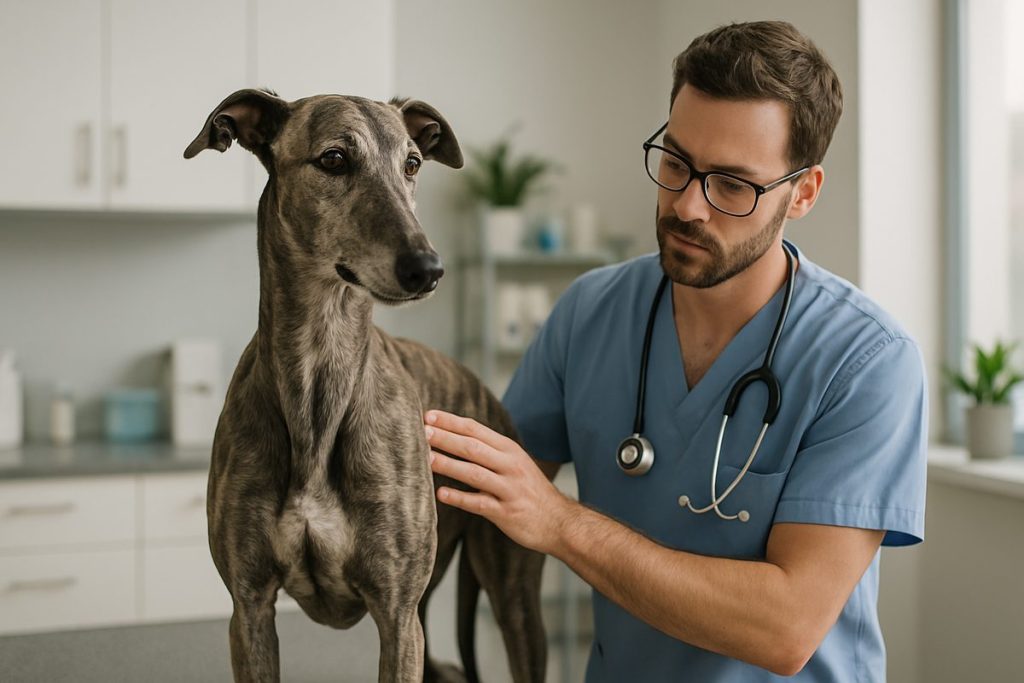
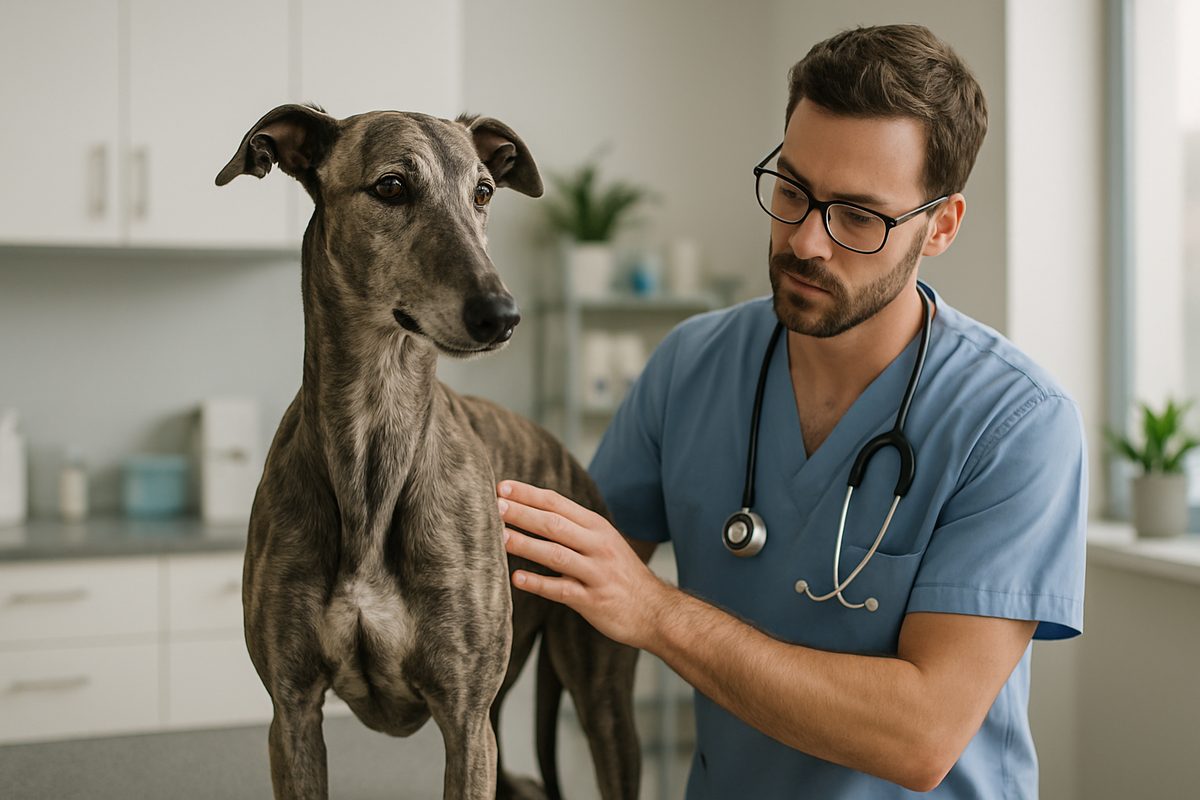
Regular veterinary checkups are a cornerstone of effective greyhound vet care. Just like humans, dogs require routine health assessments to catch any potential issues early and maintain optimal health. Preventive healthcare for dogs involves scheduled visits to the vet, during which your greyhound undergoes a thorough examination. These checkups help identify signs of illness before they become serious, allowing for prompt treatment that can save your dog’s life and improve overall wellbeing.
Vaccinations are another critical component of preventive healthcare dogs need to stay protected against common and potentially deadly diseases. Your veterinarian will establish a vaccination schedule tailored specifically to your greyhound’s needs, ensuring immunity against illnesses such as rabies, distemper, parvovirus, and more. Keeping vaccinations up to date not only protects your dog but also prevents the spread of contagious diseases within the community.
Aside from vaccinations and regular checkups, preventive care includes parasite control, dental care, and nutritional guidance. Fleas, ticks, and worms are common threats to dog health and require proactive management. During veterinary visits, your vet can recommend the best options to prevent infestations that could compromise your greyhound’s health. Maintaining good dental hygiene and a balanced diet are also essential parts of preventive healthcare that contribute to your dog’s longevity and quality of life.
Preventive healthcare and consistent greyhound vet care foster a long, healthy life for your beloved pet. Establishing a routine for veterinary visits ensures that your dog receives timely vaccinations, essential health screenings, and personalized advice from professionals knowledgeable about the specific needs of greyhounds. Your commitment to preventive care also helps reduce emergency visits and expensive treatments, promoting a happier and healthier pet-owner relationship.
In summary, preventive healthcare dogs require is a comprehensive approach combining regular vet checkups, vaccinations, parasite control, and proper nutrition. By prioritizing these essential practices, you are taking proactive steps to safeguard your greyhound’s health and well-being for years to come.
Routine Checkups and Screenings
Routine vet visits are essential for maintaining the health of greyhounds. These visits allow veterinarians to conduct thorough physical exams, monitor vital signs, and catch any early signs of illness. Regular checkups ensure that your greyhound stays in optimal shape through proactive health monitoring.
Dog health screenings play a crucial role in preventive care for greyhounds. These screenings include blood tests, urinalysis, and fecal exams that help detect underlying conditions such as infections, kidney or liver issues, and parasites before symptoms become evident. Early detection through preventive screenings can significantly improve treatment outcomes and enhance your pet’s quality of life.
In addition to general exams, specific tests tailored for greyhounds may be recommended. Cardiovascular screenings are important due to the breed’s predisposition to certain heart conditions. Orthopedic evaluations are also vital as greyhounds are prone to joint and bone issues given their athletic nature. Discuss these targeted screenings with your vet during routine visits to ensure comprehensive health monitoring for your dog.
By committing to routine checkups and dog health screenings, greyhound owners can establish a preventive care routine that supports long-term wellness. Early intervention through these screenings often reduces the need for more intensive treatments later, making it easier to enjoy many healthy years with your loyal companion.
Vaccinations and Parasite Control
Maintaining a proper vaccination schedule is essential for the health of your greyhound. Dog vaccinations protect against common infectious diseases such as parvovirus, distemper, and canine hepatitis. For greyhounds, it is crucial to follow a vaccination plan starting from puppyhood with core vaccines given at 6-8 weeks, followed by boosters every 3-4 weeks until 16 weeks of age. Annual boosters are recommended to maintain immunity throughout their life.
Parasite prevention is another vital aspect of greyhound health care. Common parasites like fleas, ticks, and intestinal worms can cause discomfort and transmit diseases. Employing consistent flea and tick control measures using veterinarian-recommended treatments helps keep these pests at bay. Greyhound vaccines do not protect against parasites, so using parasite prevention products such as spot-on treatments, oral medications, or collars is necessary for comprehensive care.
Preventative care should also include regular fecal checks and deworming to reduce risk of intestinal parasites. Environmental management such as cleaning bedding and yard areas also aids in parasite control. With proper dog vaccinations and diligent parasite prevention, you ensure your greyhound stays healthy, happy, and free from preventable illnesses throughout their life.
Common Health Issues in Greyhounds
Greyhounds have a unique physiology that makes them prone to specific health concerns, which owners should be aware of to ensure their wellbeing. Understanding the common greyhound illnesses and greyhound diseases can help in early detection and effective management of these health problems.
One of the most frequent greyhound health problems is osteosarcoma, a type of bone cancer. This disease is unfortunately prevalent in greyhounds compared to other breeds and typically affects the limbs. Signs of osteosarcoma include persistent lameness and swelling in the affected area. Prompt veterinary attention is essential for diagnosis and treatment planning.
Another common concern is dental disease. Greyhounds tend to develop tartar buildup and gum disease earlier than some other breeds, which can lead to tooth loss and infection if not treated. Regular dental care, including brushing and professional cleanings, is crucial for maintaining oral health in greyhounds.
Greyhound health problems also frequently include bloat or gastric torsion, a serious and potentially life-threatening condition. This arises when the stomach fills with gas and twists, cutting off blood supply. Symptoms such as abdominal swelling, excessive drooling, and restlessness should prompt immediate veterinary intervention.
Additionally, greyhounds have a unique metabolic profile that can make them sensitive to certain medications and anesthetics. They often have a lower body fat percentage, affecting how drugs are processed in their bodies. This sensitivity should always be discussed with your veterinarian to avoid complications during medical treatments.
Skin issues, including thin skin and pressure sores, are also common in greyhounds. Their lean frame and fine coat make them susceptible to cuts and bruises, so regular skin inspections and gentle care are necessary to prevent infections and promote healing.
Lastly, heart disease is a health concern for many greyhounds, including conditions like cardiomyopathy. Routine heart checks, including ultrasounds and EKGs, are recommended to catch early signs and manage the condition effectively.
By understanding these common greyhound illnesses and health concerns, owners can take proactive steps to monitor and maintain their dog’s health, ensuring a long, happy life for these graceful athletes.
Bone and Joint Problems
Greyhounds, known for their athletic build and speed, are unfortunately prone to several bone and joint issues that require careful management to maintain their health and mobility. One of the most common skeletal problems in greyhounds is fractures. Due to their lean physique and high activity levels, fractures can occur during vigorous exercise or accidents. Prompt veterinary attention and proper healing protocols are essential to ensure full recovery.
Joint issues in greyhounds are also frequent, especially as they age. Arthritis in dogs, particularly osteoarthritis, is a common concern in this breed. This degenerative joint disease causes pain and stiffness, which can significantly affect a greyhound’s quality of life. Early diagnosis and treatment through medications, joint supplements, and controlled exercise can help slow the progression of arthritis and alleviate symptoms.
Maintaining greyhound bone health involves proper nutrition, including a diet rich in calcium and other essential minerals. Regular, low-impact exercise is crucial to strengthen muscles around joints, providing better support. Weight management plays a key role in reducing stress on joints and preventing further joint damage. Ensuring a comfortable resting area with adequate cushioning can also protect fragile bones and joints from unnecessary strain.
Regular veterinary check-ups are indispensable for monitoring joint health and detecting early signs of problems. With attentive care and proactive management, greyhounds can enjoy active, comfortable lives despite the challenges posed by fractures, arthritis, and other joint issues.
Heart and Circulatory Concerns
Greyhounds, known for their speed and agility, are also susceptible to specific heart and circulatory system issues. Greyhound heart disease often manifests as cardiomyopathy, a condition where the heart muscle weakens, impacting its ability to pump blood efficiently. This can lead to heart failure if left untreated. Additionally, arrhythmias, or irregular heartbeats, are common in greyhounds and may affect their cardiac health. Monitoring the greyhound circulatory system is crucial because it plays an essential role in delivering oxygen and nutrients to the body’s tissues.
Preventive care for heart problems in greyhounds should start with regular veterinary check-ups, including auscultation to detect abnormal heart sounds early. Echocardiograms and electrocardiograms are valuable diagnostic tools in assessing heart function and identifying any abnormalities. Maintaining a healthy weight through a balanced diet and regular exercise supports cardiac health dogs and helps reduce the risk of heart-related diseases. Avoiding excessive stress and environmental factors that elevate heart rate can also contribute to a healthier heart.
A proactive approach to greyhound heart care involves routine blood pressure monitoring and blood tests to check for underlying conditions that might strain the heart. Supplements like omega-3 fatty acids may be recommended to support cardiovascular health. Ultimately, understanding the breed-specific risks to the greyhound circulatory system and maintaining consistent veterinary oversight are key strategies for preventing heart problems and ensuring a long, healthy life for your pet.
Skin and Coat Conditions
Greyhounds are prone to several skin and coat issues that require careful attention to maintain their overall health. Common greyhound skin issues include dryness, itching, hot spots, and bacterial or fungal skin infections. Due to their thin skin and short coat, they may be more susceptible to abrasions and irritations, which can quickly develop into more serious dermatological problems if not treated promptly.
Maintaining coat health in greyhounds begins with regular grooming and proper nutrition. Brushing helps to remove dead skin cells and distributes natural oils, promoting a shiny and healthy coat. A diet rich in essential fatty acids, vitamins, and minerals supports skin integrity and helps reduce inflammation associated with skin infections. If your greyhound shows signs of persistent itching or redness, it’s important to consult a veterinarian specializing in dog dermatology to identify allergies, parasites, or underlying conditions.
Prevention of skin disorders also involves keeping the dog’s living environment clean and avoiding exposure to harsh chemicals or extreme weather conditions. Using veterinarian-approved shampoos designed for sensitive skin can help minimize irritation during bathing. In case of skin infections, early diagnosis and treatment with prescribed topical or oral medications are essential to prevent complications and ensure quick recovery.
Essential Greyhound Care Tips
Proper greyhound care involves a combination of grooming, nutrition, exercise, and overall wellbeing to ensure your dog thrives. Greyhounds, known for their sleek and athletic build, require specific attention to maintain their health and happiness.
Grooming is an essential aspect of greyhound care. Due to their short, fine coats, greyhounds require minimal but regular grooming. A weekly brushing helps remove loose hair and keeps their coat shiny. Their thin skin is delicate, so it’s important to avoid harsh grooming tools. Bathing should be done sparingly, only when necessary, to prevent drying out their skin. Regular dental care, including brushing teeth and checking for signs of oral issues, is also important for overall health.
Nutrition for greyhounds is another critical component of proper dog care. These dogs have a fast metabolism and lean body mass, meaning they need a diet rich in high-quality proteins and fats to maintain energy and muscle tone. Choose premium dog food formulated for active breeds or greyhounds specifically, ensuring plenty of antioxidants and omega fatty acids for coat and skin health. Fresh water should always be available, and portion control is essential to prevent obesity in less active greyhounds.
Exercise plays a vital role in maintaining the general wellbeing of greyhounds. Although they are sprinters rather than endurance runners, they need daily opportunities for short, high-energy runs combined with moderate walks to keep muscles toned and minds stimulated. Avoid excessive or strenuous exercise, especially in extreme weather, as greyhounds are sensitive to temperature changes due to their thin coats and low body fat. Providing a safe, enclosed area or leash walks helps meet their exercise needs while preventing injury.
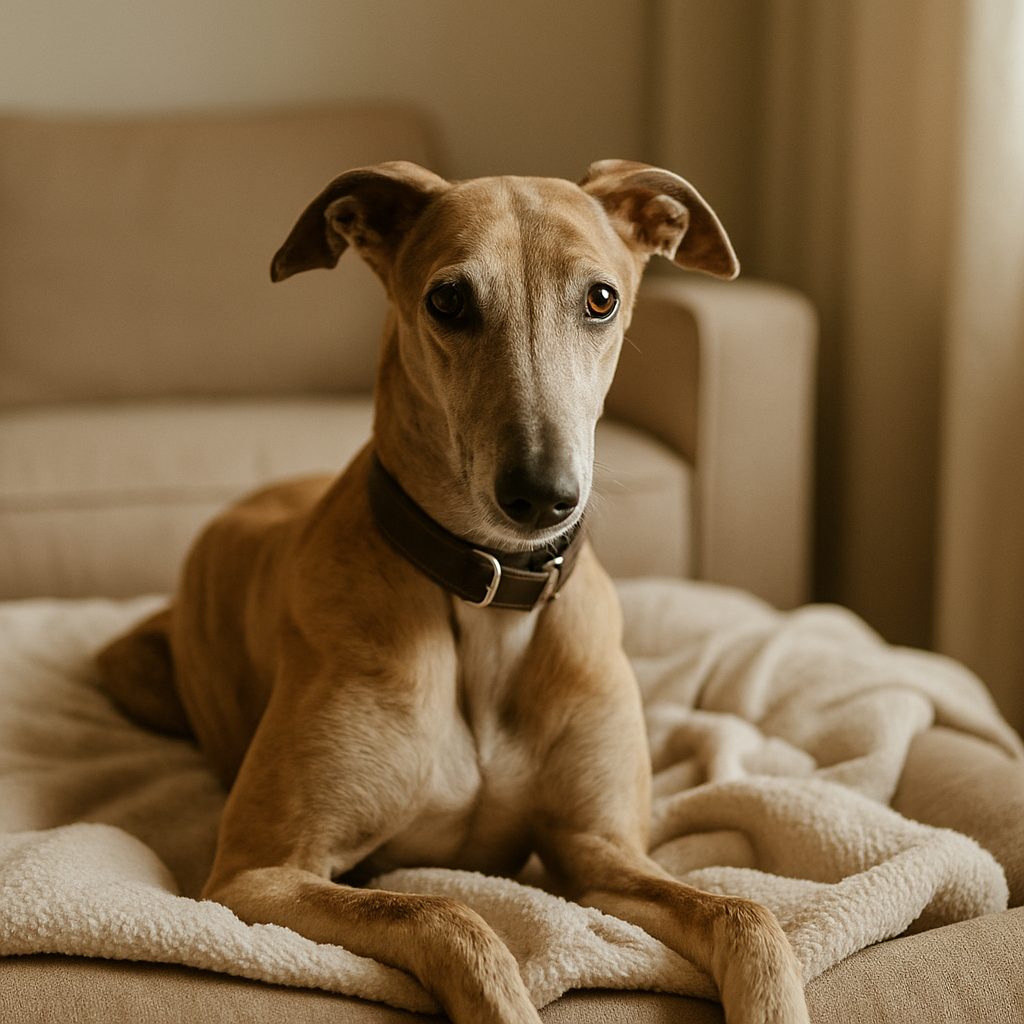
Lastly, general wellbeing tips for greyhounds include providing a warm and comfortable resting space, as they tend to get cold easily. Soft bedding and blankets offer comfort and protection. Regular veterinary check-ups, vaccinations, and parasite prevention are essential. Monitoring their nails and paw pads regularly helps avoid injuries and discomfort. Social interaction and mental stimulation with toys and gentle playtime contribute to a balanced and happy greyhound.
By following these comprehensive dog care tips tailored for greyhounds, owners can ensure their pets live a healthy, active, and enjoyable life.
Proper Nutrition and Diet
Maintaining a proper greyhound diet is essential for their overall health and athletic performance. Greyhounds require a balanced diet rich in high-quality protein to support their lean muscle mass, combined with healthy fats for energy. Incorporating legumes, vegetables, and complex carbohydrates contributes to a well-rounded dog nutrition plan that provides essential vitamins and minerals.
When feeding your greyhound, it is important to establish a consistent feeding schedule, typically offering two meals per day. This helps regulate their metabolism and prevents digestive issues common in deep-chested breeds. Avoid free feeding to maintain an ideal weight and to monitor their food intake accurately.
Feeding tips include choosing premium dog food formulated specifically for active or working breeds, or preparing balanced homemade meals under veterinary guidance. Always ensure fresh water is available to support hydration. Be cautious with treats and table scraps to avoid nutritional imbalances.
In summary, a greyhound diet focused on balanced dog nutrition with appropriate protein, fats, and carbohydrates, combined with scheduled feeding times, promotes optimal health, energy levels, and longevity for your greyhound companion.
Exercise and Physical Activity
| Exercise Type | Duration & Frequency | Benefits | Notes |
|---|---|---|---|
| Short Sprints | 10-15 minutes, 3-4 times per week | Builds cardiovascular fitness and muscle tone | Ideal for greyhound exercise as they are natural sprinters |
| Leashed Walks | 20-30 minutes daily | Promotes healthy joints and mental stimulation | Good for daily dog physical activity and prevents boredom |
| Play Sessions | 15-20 minutes, 3-5 times weekly | Encourages social interaction and agility | Use toys or other dogs for motivation and fitness for greyhounds |
| Off-leash Running in Secured Area | 15-20 minutes, 2-3 times per week | Enhances overall endurance and helps prevent obesity | Must be in a safe, enclosed environment for exercise needs |
Maintaining consistent greyhound exercise routines is essential for their health and well-being. Regular dog physical activity helps prevent obesity, which greyhounds are prone to if inactive. Incorporate a mix of short sprints, leashed walks, and play sessions to keep their muscles strong and minds engaged. Off-leash running in a secured area is particularly beneficial to meet the exercise needs of these high-energy dogs, promoting fitness for greyhounds naturally. Always tailor the intensity and duration to your dog’s age and health status to avoid over-exertion.
Grooming and Hygiene
Proper greyhound grooming is essential for maintaining your dog’s health and overall well-being. Due to their short, fine coat, greyhounds typically require less frequent bathing than other breeds. Bathing dogs too often can strip their coat of natural oils, leading to dry skin and irritation. A bath every 4 to 6 weeks is usually sufficient, using a gentle dog shampoo formulated to protect their sensitive skin.
In addition to regular baths, nail trimming is an important part of greyhound grooming. Their nails grow quickly and, if left untrimmed, can cause discomfort and lead to walking issues. Trim your greyhound’s nails every few weeks, ensuring you do not cut too close to the quick. If you’re unsure, a professional groomer or veterinarian can assist.
Ear cleaning is another crucial aspect of dog hygiene tailored to greyhounds. Their ears can accumulate wax and debris, so it’s important to check and clean them weekly. Use a vet-approved ear cleaner and cotton balls, avoiding cotton swabs that may harm the ear canal. Keeping ears clean helps prevent infections and promotes overall ear health.
Overall, consistent coat care, bathing dogs as needed, routine nail trimming, and ear cleaning are the best practices to keep your greyhound healthy and comfortable. These grooming habits not only enhance their appearance but also contribute to their long-term health and happiness.

Growing up near the local track, I developed a lifelong fascination with the athleticism and strategy behind greyhound racing. I spend my free time analyzing past performances and studying breeding lines to better understand the nuances of every race. Sharing insights and celebrating the incredible speed of these dogs is what keeps me passionate about the sport.