Overview of Greyhound Racing Tracks
Greyhound racing tracks serve as specialized venues designed specifically for the sport of greyhound racing. These racing tracks are purpose-built facilities that provide the ideal environment for dog racing, enabling the greyhounds to compete in a controlled and safe setting. The primary purpose of these tracks is to host competitive races where trained greyhounds chase a mechanical lure around the circuit, showcasing their speed and agility to spectators and bettors alike.
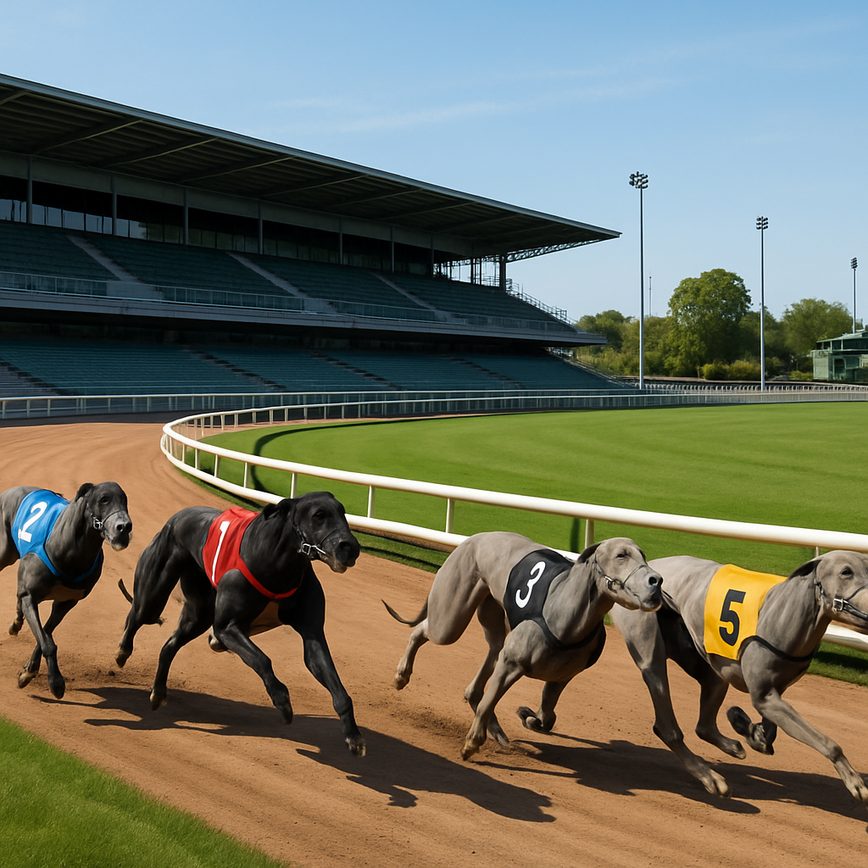
The layout of greyhound racing tracks is typically oval-shaped, allowing the dogs to run continuously in a loop. The size and dimensions of the tracks can vary depending on the location and regulations, but standard tracks usually range from 350 to 500 meters in circumference. This design ensures a fair and exciting race, as the curved bends challenge the dogs’ ability to maintain speed while navigating turns, while the straight sections allow them to accelerate.
Common characteristics of greyhound racing tracks include the presence of a mechanical lure system, which is a key feature of dog racing venues. This lure, often a stuffed object or an artificial bait, runs ahead of the dogs, motivating them to chase it during the race. The tracks also incorporate safety elements such as cushioned rails and well-maintained surfaces to protect the greyhounds from injury. Surfaces are generally made of sand or a similar material that provides good traction without being too harsh on the dogs’ paws.
In addition to the racing circuit itself, greyhound racing tracks are equipped with facilities for trainers, officials, and spectators. These include kennels for housing the dogs before and after races, race control towers, and seating areas for fans. Many venues also feature betting stations, as wagering is an integral part of greyhound racing culture. Overall, racing tracks are designed to balance the excitement of the sport with the welfare of the greyhounds and the experience of the audience.
Track Design and Structure
Greyhound racing tracks are meticulously designed with specific elements to ensure optimal performance and safety. The track length typically ranges from 350 to 500 meters, providing a suitable distance for greyhounds to reach high speeds while maintaining endurance. This length is carefully chosen to balance excitement and fair competition.
The racing surface is another critical feature of track design. Most tracks use sand or a similar material that offers good traction and reduces injury risk. The material is regularly maintained and groomed to keep it consistent and safe throughout the race events.
Track structure includes thoughtful banking on the curves, which helps greyhounds maintain speed while navigating turns safely. Properly banked curves reduce the risk of slipping or losing balance, enhancing overall race quality.
Safety features are integral to modern greyhound tracks. Barriers and cushioned railings line the track to protect the dogs from injury in case of an accident. Additionally, areas surrounding the track are designed to prevent interference and ensure clear sightlines for judges and spectators alike. Together, these track features create a controlled environment conducive to competitive and safe greyhound racing.
Types of Greyhound Tracks
Greyhound racing tracks come in various types, each offering a unique racing experience and presenting different challenges for the dogs. Primarily, tracks are categorized into indoor and outdoor tracks. Indoor tracks provide a controlled environment, protecting races from weather conditions such as rain or strong winds, which can affect performance and safety. These tracks are usually more compact, featuring synthetic surfaces that offer consistency in footing.
On the other hand, outdoor tracks are exposed to natural elements and tend to be larger in size. They often feature natural surfaces like grass or sand, which can vary in texture and condition depending on weather. The outdoor setting also means that temperature and lighting can fluctuate, sometimes impacting the dogs’ ability to run at their best. However, outdoor tracks add an element of tradition and open-air excitement to the racing experience.
When it comes to track variety, the most common configuration is the oval track. Oval tracks are designed to balance speed and turning ability, typically featuring two straight sections and two curved sections. This shape is favored for its predictability and the opportunity it offers greyhounds to show their acceleration and agility. However, there are also other less common track configurations, including circular and elongated designs that can present different race dynamics and challenges for both dogs and trainers.
Overall, understanding the different track types—indoor versus outdoor—and their configurations helps in appreciating the diversity of greyhound racing. Each track type brings its set of variables that influence the nature of the races and the strategies employed by trainers and racers alike.
Famous Greyhound Racing Tracks Around the World
Greyhound racing has a rich history with many famous tracks around the globe that have become iconic for their international racing venues and historic significance. Here is a list of some of the top greyhound tracks known for their unique features and contributions to the sport.
- Wimbledon Stadium, England: One of the most historic tracks in the world, Wimbledon Stadium hosted greyhound races for nearly a century before its closure. Known for its vibrant atmosphere and prestigious racing events, it was a cornerstone of British greyhound racing.
- Croke Park Greyhound Track, Ireland: Situated in Dublin, this track is a key venue for international greyhound racing. It is celebrated for its well-maintained facilities and regular high-caliber competitions, attracting racers from across Europe.
- Meadows Greyhound Stadium, Scotland: Known for its fast track and intense racing action, Meadows Stadium holds a special place in the UK greyhound racing scene. Its history dates back several decades, making it a favorite among enthusiasts.
- Orange Park Greyhound Track, USA: As one of the premier racing venues in the United States, Orange Park is notable for its modern amenities and strong community support. The track regularly hosts national level competitions, making it a hub for American greyhound racing.
- Canterbury Park, Australia: Renowned for its picturesque setting and state-of-the-art facilities, Canterbury Park is a standout among Australia’s top greyhound tracks. Its races are known for competitive fields and large prize purses.
- Cassidy Greyhound Stadium, Australia: Another prominent Australian track, Cassidy Stadium has gained fame for its speedway-like track layout and enthusiastic fanbase. It plays a significant role in both local and international racing circuits.
- La Zarzuela, Spain: One of the few famous tracks in southern Europe, La Zarzuela is recognized for its long-standing greyhound racing tradition and lively events that blend local culture with international racing excitement.
Each of these famous tracks offers a unique glimpse into the tradition and evolution of greyhound racing. From historic venues to modern international racing venues, these tracks continue to uphold the sport’s legacy and provide thrilling experiences for fans worldwide.
Top Greyhound Tracks in the United States
| Track Name | Location | Notable Events | Significance |
|---|---|---|---|
| Naples-Fort Myers Greyhound Track | Florida | Florida Derby, annual major racing event | One of the most popular US racing venues, known for its vibrant racing community and top-tier competitions. |
| Mardi Gras Casino & Resort | Oregon | Mardi Gras Futurity, key annual race | Major US track offering extensive racing events and a unique casino experience, attracting large crowds. |
| Dubois Greyhound Park | Indiana | Indiana Greyhound Derby | Significant for fostering American greyhound racing through competitive events and community involvement. |
| West Virginia Greyhound Park | West Virginia | West Virginia Sprint Classic | Important hub in the US greyhound tracks scene with notable sprint racing competitions. |
| Tri-State Greyhound Park | Ohio | Tri-State Derby | Renowned for its long history and influence in the American greyhound racing circuit. |
Prominent International Greyhound Tracks
Outside the US, greyhound racing boasts a rich tradition with several renowned international tracks that draw enthusiastic crowds and elite competitors. In the UK, tracks such as Wimbledon Greyhound Stadium and Towcester Greyhound Stadium stand out as prominent venues. Wimbledon, historically one of the oldest UK greyhound tracks, is celebrated for its prestigious races and state-of-the-art facilities, while Towcester is known for its modern approach and significant contribution to the sport’s growth in Britain.
Australia also hosts some of the world’s most exciting greyhound racing tracks. The Sandown Park in Melbourne and Wentworth Park in Sydney are key Australia racing tracks that highlight the country’s passion for this sport. These venues are famed for their high-quality races, professional management, and enthusiastic local fan base, making them essential stops in the global greyhound racing circuit.
Beyond the UK and Australia, global greyhound venues in countries like Ireland and Mexico contribute significantly to the sport’s international appeal. These tracks often feature intense competition and play a crucial role in developing greyhound racing beyond its traditional heartlands. Together, these international tracks underscore the widespread popularity and cultural importance of greyhound racing worldwide.
Regulation and Maintenance of Greyhound Racing Tracks
Greyhound racing tracks are subject to strict regulation and rigorous maintenance to ensure the safety of the dogs, fairness in racing, and adherence to established track standards. Regulatory bodies oversee these tracks, implementing rules and guidelines that operators must follow to maintain licenses and operate legally.
Track regulation typically involves regular inspections and evaluations to confirm that conditions meet safety and operational standards. This includes the quality of the racing surface, safety barriers, starting boxes, and the dimensions of the track itself. Compliance with these regulations helps to prevent injuries and ensures a uniform racing experience for all competitors.
Maintenance practices are a crucial aspect of track regulation. The racing surface requires consistent care, including grading, watering, and appropriate material replenishment to provide optimal traction and cushioning for the greyhounds. This diligence in upkeep reduces the risk of slips, falls, and stress injuries to the dogs during races.
In addition to track surface maintenance, there are standards for ancillary facilities such as the starting boxes and lure systems. These components must be inspected regularly to ensure they operate smoothly and safely, contributing to fair racing conditions. Electronic timing and photo-finish equipment are also maintained to uphold race integrity and accurate results.
Track officials and veterinarians collaborate closely to monitor race safety continuously. Any hazards identified during maintenance checks are promptly addressed, further supporting the well-being of the racing greyhounds. Adherence to these track standards not only protects the animals but also reinforces public confidence in the sport.
In summary, stringent regulation and proactive maintenance are fundamental to the operation of greyhound racing tracks. These measures ensure the highest levels of race safety, uphold fair competition, and maintain the integrity of the sport, benefiting all stakeholders involved.
Safety Measures and Track Maintenance
Ensuring track safety is paramount in greyhound racing, requiring diligent maintenance procedures and strict safety protocols. Track upkeep involves regular inspections to detect any surface irregularities or debris that could pose injury risks to racing dogs. Maintenance crews routinely groom the track surface to maintain optimal texture and cushioning, preventing hard spots that could cause strain or injury.
Injury prevention is addressed through comprehensive safety measures like well-padded railings and barriers to minimize impact during races. Drainage systems are meticulously maintained to avoid water pooling, which can create slippery, hazardous conditions. Additionally, track maintenance includes regular watering and leveling to keep the surface consistent regardless of weather conditions.
Track safety protocols extend to pre-race and post-race evaluations, where veterinary teams assess the dogs and track conditions to ensure they meet all safety standards. These combined efforts in maintenance and safety create a controlled environment that protects the health and performance of the greyhounds, promoting fair and safe competition for all participants.
Regulatory Bodies and Standards
Regulatory bodies play a crucial role in overseeing greyhound racing tracks and ensuring that all operations adhere to established racing standards. These governing authorities are responsible for setting and enforcing track regulations that promote fair competition, animal welfare, and safety for both the greyhounds and the participants. By monitoring compliance with these standards, regulatory organizations help maintain the integrity of the sport and protect its reputation.
Track regulations enforce measures such as regular inspections, licensing requirements for trainers and jockeys, and rules regarding race day conduct. Governing authorities may also oversee the conditions of the racing surface, kenneling facilities, and veterinary care protocols to ensure that all aspects of the greyhound’s environment meet high welfare standards. This oversight is essential in minimizing risks and preventing unethical practices within the industry.
The role of regulatory bodies extends beyond enforcement; they also serve as a platform for continuous improvement by updating rules and standards in response to advancements in veterinary science and animal care. Through a transparent and accountable framework, these organizations build public trust and foster a sustainable future for greyhound racing. Ultimately, the collaboration between regulatory bodies, track operators, and stakeholders ensures a safe, regulated, and professional environment for greyhound racing events worldwide.

Growing up near the local track, I developed a lifelong fascination with the athleticism and strategy behind greyhound racing. I spend my free time analyzing past performances and studying breeding lines to better understand the nuances of every race. Sharing insights and celebrating the incredible speed of these dogs is what keeps me passionate about the sport.