Introduction to Greyhound Racing
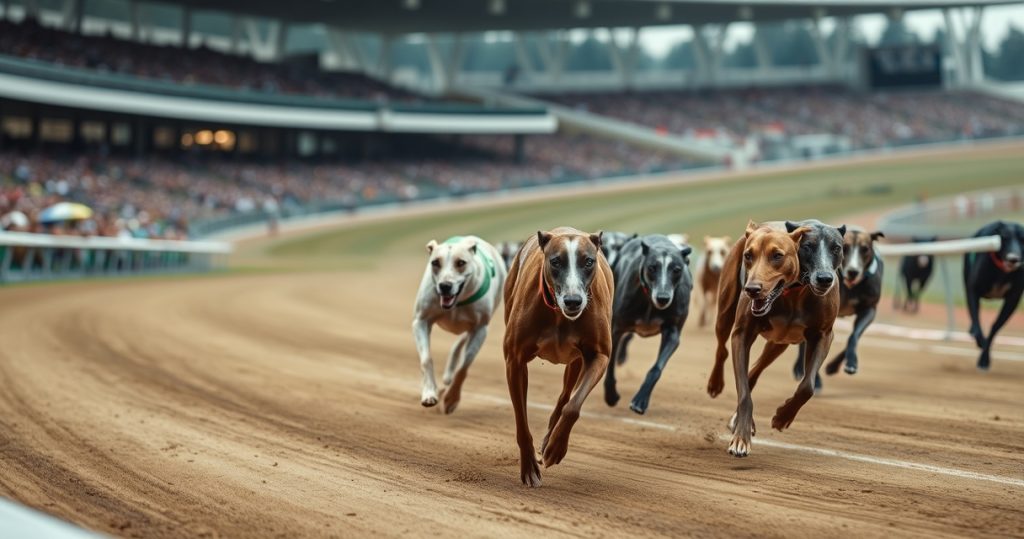
Greyhound racing is a popular sport that combines the natural speed and agility of greyhounds with competitive racing events. The history of greyhound racing dates back centuries, with its origins deeply rooted in ancient hunting and coursing traditions. Over time, these early practices evolved into a structured sport that attracted widespread public interest and became a major entertainment industry worldwide.
The greyhound racing origins can be traced to various cultures, including ancient Egypt and Rome, where dogs resembling modern greyhounds were used for hunting and racing. In England, the history of greyhound racing developed further through the practice of hare coursing, where greyhounds chased live game. This laid the foundation for the development of non-live lure racing, which emerged in the early 20th century as a more regulated and humane form of the sport.
Introduction to greyhound racing today typically highlights the mechanical lure that simulates the movement of a hare, allowing greyhounds to race on a track in a controlled environment. This innovation transformed the sport by standardizing races, making it safer for dogs and more exciting for spectators. As a result, greyhound racing quickly gained popularity in countries such as the United States, the United Kingdom, Ireland, and Australia.
The rapid rise in popularity of greyhound racing can be attributed to its accessibility and the thrill of spectator competition. Stadiums hosting races became social hubs, attracting large crowds eager to place bets and cheer on their favorite dogs. The combination of speed, skill, and unpredictability made greyhound racing a unique form of entertainment that still captivates fans and continues to be an important part of sporting culture.
In summary, the history of greyhound racing is a fascinating journey from ancient hunting origins to a formalized sport embraced worldwide. The introduction to greyhound racing today reflects its rich heritage and ongoing appeal as a thrilling and engaging pastime.
Early History and Origins
The early greyhound racing tradition stretches far back in history, with roots deeply embedded in the development of ancient civilizations. The origins of greyhound racing can be traced to early greyhound history, when humans first began domesticating and training these swift dogs for hunting and chasing game. These initial instances of greyhound racing were informal but held great significance as a way to sharpen the dogs’ skills and provide entertainment.
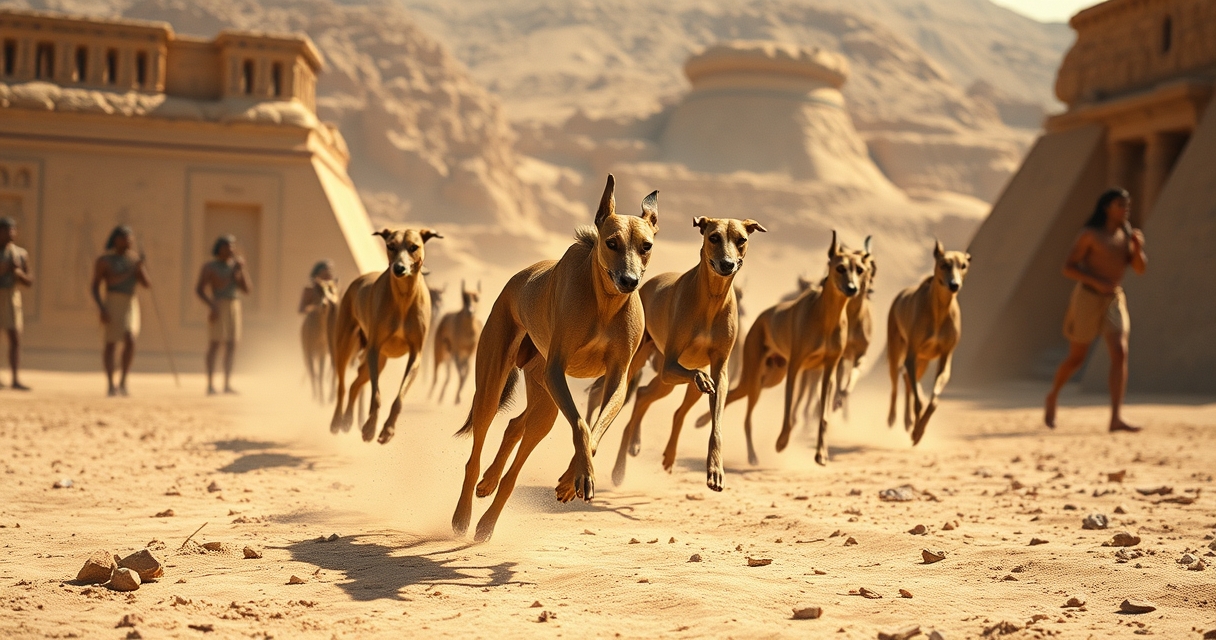
Archaeological evidence from ancient Egypt, dating back over 4,000 years, depicts slender and elegant dogs strongly resembling modern greyhounds. The Egyptians revered these dogs for their speed and agility, often incorporating them into hunting scenes on tomb paintings and carvings. It is widely believed that the practice of racing or chasing game with greyhounds likely dates back to this era, marking the earliest known instances of what we now recognize as early greyhound racing.
Beyond Egypt, ancient Mesopotamia and Persia also show records pointing to the origins of greyhound racing. In these regions, greyhounds were prized for their remarkable ability to chase down swift prey, an essential skill for sustaining communities reliant on hunting. As civilizations advanced, the controlled racing of greyhounds became not only a practical training method but also a spectator sport embraced by nobility and commoners alike.
In ancient Greece and Rome, the love for greyhound racing continued and expanded. Historical texts and artifacts show that races involving dogs chasing live game or artificial lures were popular forms of amusement and competitive displays of canine speed. This period helped formalize the structure and rules of greyhound racing, laying the groundwork for its modern evolution.
These early greyhound racing activities gradually spread across Europe and Asia through migration, trade, and conquest. Each culture contributed unique aspects to the sport, enhancing its appeal and complexity over time. Understanding the early history and origins of greyhound racing offers a compelling glimpse into how this thrilling canine sport emerged from ancient hunting practices to become a worldwide pastime beloved by many.
Greyhound Racing in Ancient Civilizations
Greyhounds in history have long been associated with speed, agility, and elegance. Their significance stretches back to ancient civilizations where these dogs were not only prized hunting companions but also key participants in early dog racing activities. The sport of greyhound racing has roots deeply embedded in cultures such as ancient Egypt and Rome, where it played a notable role both socially and culturally.
In ancient Egypt, greyhounds were revered animals, often depicted in tomb paintings and artifacts as symbols of grace and swiftness. These early civilizations valued greyhounds for their hunting prowess and used them in controlled racing as a form of entertainment and competition among the elite. The depiction of greyhound racing in Egyptian art reflects its early development as a structured activity, marking one of the earliest examples of organized dog racing.
Similarly, in ancient Rome, greyhound racing became a popular pastime. The Romans admired these dogs for their speed and used them in races staged during public festivals and even for gambling purposes. Early dog racing in Rome demonstrated not only the athletic excellence of greyhounds but also their place within the cultural fabric of entertainment and sport. Through these ancient civilizations, the tradition of greyhound racing was established, laying a foundation for the sport’s evolution across centuries.
Modern Greyhound Racing Development
The evolution of greyhound racing from its humble beginnings to the well-organized sport known today is a fascinating journey. Rooted in ancient hunting traditions, the sport took significant strides in the 19th century before it truly flourished in the 20th century. Throughout this period, modern greyhound racing underwent tremendous development, shaping the sport into a popular and structured form of entertainment.
In the 19th century, informal coursing events were gradually transformed into more regulated activities as enthusiasts sought to standardize rules and improve fairness. These early races often took place across open countryside with live game, but as the interest in greyhound racing grew, so did the demand for a more consistent and spectator-friendly format. This need directly influenced the eventual creation of the mechanical lure, a pivotal invention that would revolutionize racing.
The 20th century racing scene marked a turning point in the evolution of greyhound racing. With the introduction of enclosed tracks and mechanical lures, greyhound racing became more accessible and exciting for spectators. The first official track races began appearing in the 1910s and 1920s, particularly in the United Kingdom and the United States. These developments played a critical role in increasing the sport’s popularity, drawing large crowds and facilitating organized betting systems.
As the sport continued to grow, governing bodies were established to oversee race standards, animal welfare, and competitive integrity. This professionalization further accelerated the greyhound racing evolution throughout the mid-20th century, paving the way for advancements in breeding, training, and track design. The modernization of greyhound racing also led to increased media coverage, which brought the sport into the mainstream and expanded its global reach.
Modern greyhound racing, as it stands today, reflects this rich history of innovation and adaptation. The combination of tradition with technological improvements has helped maintain its popularity well into the contemporary era. Understanding the sport’s evolution from rudimentary coursing to a formalized and dynamic racing discipline highlights the enduring appeal of greyhound racing and its continued significance within the wider world of competitive sports.
Role of Mechanical Lures
The invention of the mechanical lure marked a pivotal moment in the history of greyhound racing. Before this technological breakthrough, races often relied on live bait or manual signals, leading to inconsistencies in race conditions and outcomes. The mechanical lure provided a reliable and uniform target that could be controlled remotely, ensuring that each greyhound had the same stimulus and opportunity to chase, which greatly enhanced the fairness of competitions.
This advancement in greyhound racing technology revolutionized the sport by standardizing race procedures. Tracks could now implement a consistent way to conduct races, reducing delays and minimizing disputes over race integrity. The mechanical lure’s speed and movement could be calibrated precisely, allowing for a more controlled and predictable environment that benefited both the animals and the spectators.
As part of modern racing innovation, the mechanical lure continues to evolve with improvements in materials and automation technologies. Its development not only improved safety for the greyhounds but also enhanced the sport’s appeal by offering a more thrilling and equitable racing experience. Overall, the mechanical lure stands as a cornerstone of greyhound racing’s evolution toward a professional and regulated sport.
Global Spread and Popularity
Greyhound racing has evolved from a localized pastime into a truly global sport, with its roots tracing back to 20th-century England and the United States. The international racing popularity of greyhound racing grew rapidly during the early and mid-1900s as the sport spread across continents, adapting to various cultural contexts and regulatory environments. This global greyhound racing expansion was facilitated by the establishment of official tracks, governing bodies, and betting systems in multiple countries.
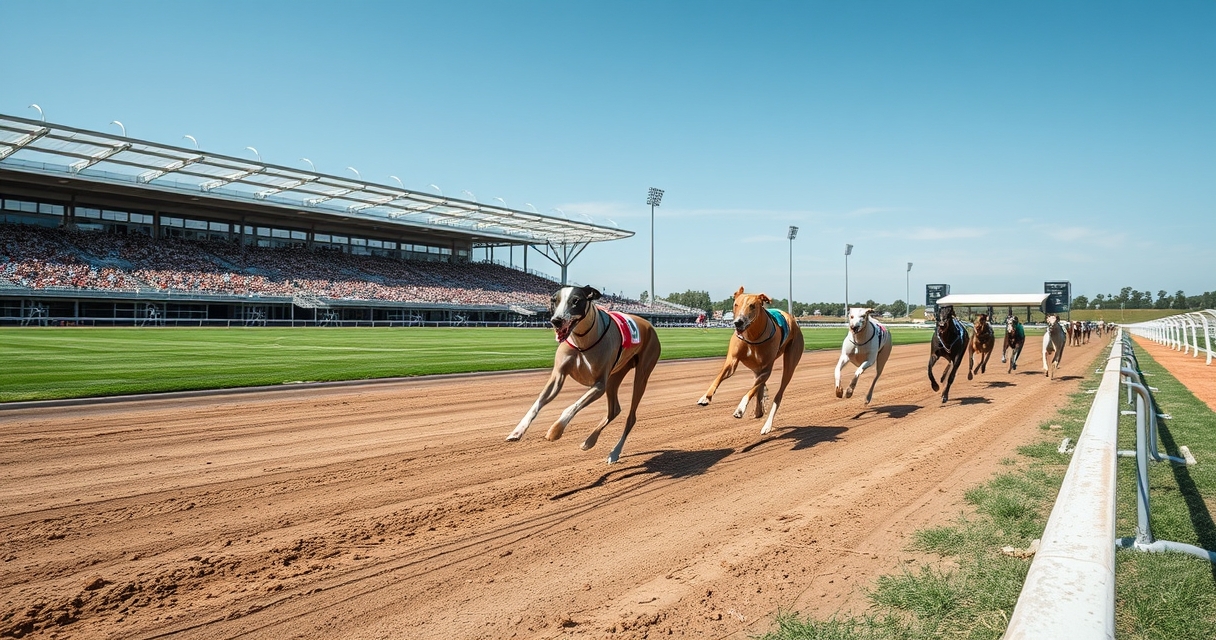
One of the key regions where greyhound racing worldwide took firm hold is Australia. Since its introduction in the 1920s, Australia has developed a vibrant greyhound racing industry with a strong following and significant economic impact. The sport enjoys widespread attendance and betting participation, supported by a network of professional racetracks and breeding programs. Additionally, countries in Europe, including Ireland and the United Kingdom, have long-standing traditions of greyhound racing, with Ireland recognized globally for its quality breeding and training practices.
In North America, greyhound racing became immensely popular throughout the 20th century, particularly in the United States, where it was once second only to horse racing in betting revenue. Although the sport has experienced declines in some states due to animal welfare concerns and legislative changes, it remains a regulated and enthusiastically supported activity in select areas. Mexico and parts of Latin America also host regular greyhound races, contributing to the broader tapestry of greyhound racing worldwide.
Asia has seen more modest but steady growth in international racing popularity, with countries such as Malaysia and the Philippines maintaining active greyhound racing scenes. This spread illustrates the versatility of the sport and its appeal across diverse audiences. Nevertheless, in some parts of the world, greyhound racing has faced challenges, including stricter animal protection laws and shifting public opinion, which have influenced the sport’s presence and popularity.
Overall, the global greyhound racing landscape is marked by regions of strong tradition and vibrant activity alongside areas where the sport has diminished or ceased altogether. Its international racing popularity continues to evolve in response to cultural values, regulatory frameworks, and economic conditions. Despite these changes, greyhound racing worldwide remains a cherished sport in many countries, celebrated for its competitive spirit and historical significance.

Growing up near the local track, I developed a lifelong fascination with the athleticism and strategy behind greyhound racing. I spend my free time analyzing past performances and studying breeding lines to better understand the nuances of every race. Sharing insights and celebrating the incredible speed of these dogs is what keeps me passionate about the sport.