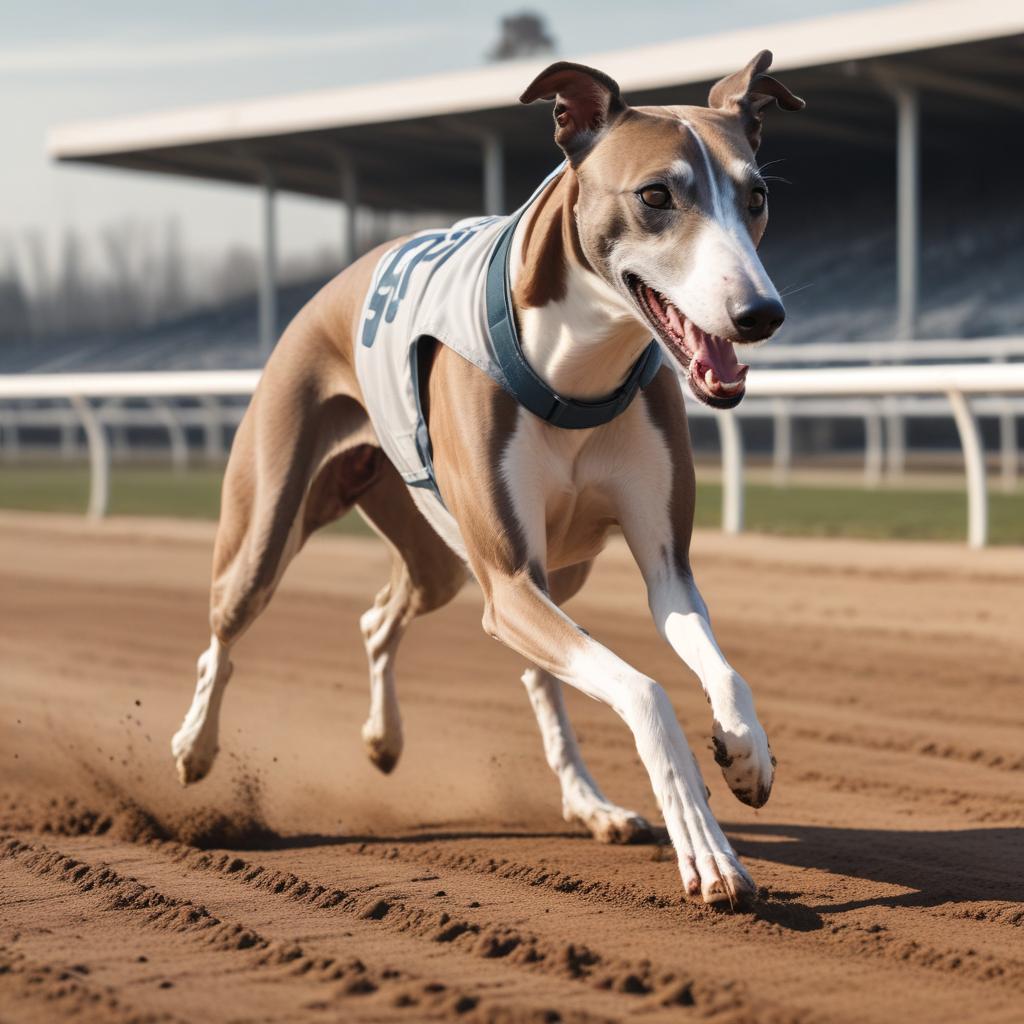
Understanding Greyhound Racing
Greyhound racing is a sport where greyhounds, a breed known for their speed and agility, compete on a track to chase a mechanical lure. This thrilling sport has a rich history and remains popular in various countries around the world. Whether you are new to greyhound racing or looking to understand the race basics, learning how greyhound races work is key to appreciating the excitement and strategy involved.
The structure of greyhound races typically involves several greyhounds, often six to eight, running on an oval or circular track that ranges from 300 to 700 meters in length. Races are usually divided into different categories based on the dogs’ experience, age, and performance levels, ensuring fair competition. Each greyhound is assigned a starting box, called a trap, which is numbered and corresponds to their position on the track.
The rules of greyhound racing are designed to maintain fairness and safety. At the start of the race, all traps open simultaneously, allowing the greyhounds to burst from their starting positions. The dogs race to catch the mechanical lure, which runs along a rail on the inside edge of the track, mimicking the movement of prey. The first greyhound to cross the finish line wins the race. Judges and race officials monitor the event closely to ensure no infractions occur, such as interference between dogs or false starts.
How greyhound races work involves a mix of natural talent, training, and race strategy. Greyhounds are trained extensively for speed and endurance, and their handlers often study previous races to choose the best tactics for each dog. Bettors interested in greyhound racing pay attention to factors such as the dog’s trap position, past performance, and track conditions before placing bets. Understanding the race basics will help you better appreciate the nuances of each race and make more informed betting decisions.
In summary, greyhound racing is a well-organized sport characterized by clear rules, structured race formats, and fast-paced action. From the starting traps to the mechanical lure chase, every element plays a crucial role in delivering an exciting experience for both participants and spectators. Knowing how greyhound races work and the race basics enhances your enjoyment and engagement with this unique sport.
Types of Greyhound Races
Greyhound racing features a variety of race types that cater to different styles and strategies, making it an exciting sport for both participants and bettors. The primary race formats include sprints, distance races, and invitational events, each with unique characteristics and appeal.
Sprint races are the most common and popular type of greyhound race. These races typically cover shorter distances, ranging from about 250 to 400 meters. The focus in sprint races is on explosive speed and quick acceleration, as greyhounds dash towards the finish line in a fast, intense burst. Bettors often find sprint races thrilling because the outcomes can be unpredictable and vary greatly based on the dog’s starting reaction and agility.
Distance races, on the other hand, challenge the endurance and stamina of greyhounds. These races usually span longer distances, generally over 500 meters. In these events, greyhounds need a combination of speed and endurance, and pacing becomes crucial to maintain performance throughout the race. Distance races attract a different set of strategic considerations for bettors, as the longer format can favor consistent runners rather than just fast starters.
Invitational events are specially organized races that bring together some of the best greyhounds from various categories and locations. These race formats often come with higher stakes and greater prestige, featuring elite competition. Invitational races are significant both for showcasing top-tier talent and offering bettors a high-profile betting experience. Understanding the race types and greyhound race categories is essential for anyone looking to delve deeper into greyhound racing and betting.
How to Interpret Racecards
Racecards are essential tools for anyone interested in betting on greyhounds. They provide detailed race information that helps bettors make informed decisions. Understanding how to read racecards involves looking closely at several key elements, including greyhound stats, odds, and drawing positions. Each piece of data plays an important role in predicting race outcomes.
First, examining greyhound stats is crucial. These stats often include the dog’s recent performance, speed times, and track records. This information allows you to evaluate the form and fitness of each greyhound. Next, pay close attention to the odds displayed on the racecard, as they indicate the likelihood of each dog winning based on betting patterns and expert analysis.
Another vital component is the drawing position, or trap number, assigned to each greyhound. Some dogs perform better from inside traps while others excel from outside positions depending on their racing style. Knowing this will help you understand which greyhounds have a strategic advantage on the day of the race.
By mastering the art of reading racecards, you gain valuable insights into race dynamics. This knowledge enhances your betting strategy and increases your chances of success. Whether you are a novice or experienced bettor, investing time in decoding racecards is a step towards becoming a more confident and informed enthusiast in greyhound racing.
Types of Bets in Greyhound Racing
When it comes to greyhound betting types, there are several popular betting options that enthusiasts can choose from to add excitement to the races. Understanding these bet types is crucial for making informed wagers and enhancing your overall betting experience. Below, we outline the most common greyhound betting types and explain how each one works.
Win Bet: This is the simplest and most straightforward type of bet in greyhound racing. You place a wager on a single greyhound to finish first in the race. If your selected dog finishes in the top spot, you win. This bet type is ideal for beginners due to its simplicity.
Place Bet: A place bet gives you a bit more flexibility compared to a win bet. Here, you bet on a greyhound to finish either first or second. If your dog finishes in either of those positions, you receive a payout, though typically smaller than a win bet. This betting option reduces risk and increases your chances of winning.
Show Bet: This bet type allows you to wager on a greyhound finishing in the top three positions. It offers the highest chance of winning among the standard bets, but payouts are usually the lowest as a result. Show bets are popular among conservative bettors who prefer safer bets.
Exacta Bet: For bettors looking for a more challenging and potentially lucrative option, the exacta bet requires you to predict the first and second place dogs in the exact order of finish. This bet type offers higher payouts due to its difficulty and is favored by more experienced punters.
Trifecta Bet: Taking it a step further, a trifecta bet involves correctly predicting the first, second, and third place finishers in the precise order. It’s one of the most challenging greyhound betting types but offers significant rewards for accurate predictions.
Quinella Bet: This bet lets you pick two greyhounds to finish first and second in any order. It’s easier to win than the exacta and pays out based on both dogs finishing in the top two spots, regardless of which comes first.
Overall, the variety of betting options in greyhound racing allows bettors of all experience levels to find suitable greyhound betting types that fit their risk tolerance and strategy. Understanding how each bet type works is essential for making the most of the thrilling world of greyhound betting.
Win, Place, and Show Bets
When betting on greyhound races, understanding the differences between win, place, and show bets is essential for making informed wagers. A win bet means you are betting on a specific greyhound to finish first in the race. This bet offers higher payouts because it is the most difficult outcome to predict. You should use a win bet when you have strong confidence in a particular greyhound’s ability to outperform the competition.
A place bet covers the greyhound finishing either first or second. This type of bet has a lower payout compared to a win bet but carries less risk, making it suitable for bettors who want a safer option or when the competition is tight and predicting a clear winner is more challenging. It increases your chances of winning, although the returns are not as substantial.
Lastly, a show bet requires the greyhound to finish in the top three positions—first, second, or third. This bet has the lowest payout but the highest probability of winning because it allows for more outcomes. Use show bets when you prefer minimizing risk or when betting on greyhounds with consistent but not dominant performances. Understanding when to use each of these bet types can help you manage risk and optimize your returns depending on your confidence in the race outcomes.
Exotic Bets: Exacta, Trifecta, and More
Exotic bets add an exciting layer of complexity to greyhound betting by allowing you to bet on multiple outcomes in a single wager. Among the most popular exotic bets are the exacta and trifecta. An exacta bet requires you to predict the first and second place finishers in the exact order, which often results in higher payouts than simple win bets. Trifecta bets step it up by asking you to pick the first three finishers in precise order, significantly increasing both the challenge and potential reward.
When placing an exacta or trifecta bet, it’s vital to consider the greyhounds’ form, running styles, and starting positions. Many bettors use combination bets, where several possible outcomes are covered by selecting multiple dogs for each position. This strategy increases the chances of winning but also raises the cost of the bet. For example, a trifecta box lets you choose three or more dogs to finish in any order among the first three spots, which can be a smart move if you see multiple strong contenders but are unsure of their exact placing.
Other exotic bets in greyhound racing include the quinella, where the first two finishers are picked in any order, making it easier to win than an exacta. Additionally, superfecta bets, requiring the first four finishers in exact order, cater to more risk-tolerant bettors seeking big rewards. Mastering exotic bets can significantly boost your greyhound betting experience, providing both strategic depth and exciting opportunities for higher payouts.
Strategies and Tips for Betting on Greyhounds
When it comes to betting strategies on greyhounds, understanding the nuances of the sport is crucial. One of the first strategies is to analyze the form of the dogs carefully. Look for recent race results, paying special attention to how consistently a greyhound performs rather than just the number of wins. Greyhound tips often highlight the importance of observing a dog’s running style—whether they prefer to lead early or come from behind—and how this matches the track conditions on race day.
Another essential betting strategy is to consider the trap draw. The trap position can greatly influence a greyhound’s chances of winning. Some dogs perform better from inside traps, while others thrive on the outside. Knowing which traps favor which dogs on specific tracks can give you a strategic edge. Combining this with greyhound tips from expert handicappers who analyze trap statistics can increase your chances of placing successful bets.
Paying attention to the greyhound’s health and agility is also a winning tip frequently shared by seasoned bettors. A dog that appears energetic and alert in the paddock is often in good condition to race well. Conversely, any signs of lethargy or stiffness should be a red flag. Mental preparedness and recovery from previous races impact performance, so keep an eye on how well-rested a greyhound is before betting.
Strategically, diversifying your bets across different types—such as win, place, and each-way bets—can help manage risk. Betting strategies that incorporate a combination of odds and potential payouts often lead to consistent returns rather than chasing high-risk, high-reward bets every time. Use greyhound tips to identify value bets where the odds offered might underestimate a dog’s real chances.
Finally, track knowledge is vital. Different greyhound tracks can vary in surface, distance, and layout. Successful bettors study how certain greyhounds perform on particular tracks and adjust their betting strategies accordingly. Utilizing these expert betting strategies and greyhound tips will improve your chances of a profitable betting experience, turning your interest in the sport into smart, winning tips that pay off consistently.
Researching Greyhound Performance
Before placing bets on greyhounds, it is crucial to conduct thorough greyhound form and performance analysis. This involves examining the past performance of each dog to understand its consistency and capability in races. Paying attention to the greyhound’s track record — including its recent finishes, winning streaks, and times — provides valuable insights into its current competitive level.
Data research plays a significant role in this process. Accessing race records, official race times, and historical results helps identify patterns in a greyhound’s performance. Look for signs of improvement or decline over recent races, as changes in form can directly affect betting outcomes. Comparing performance across different tracks and track conditions can also reveal how adaptable and reliable a greyhound might be.
Additionally, consider the competition faced by the greyhound in previous races. A dog that consistently performs well against strong competitors demonstrates solid form and a higher chance of winning. By carefully analyzing these aspects — greyhound form, past performance, and detailed data research — bettors can make better-informed decisions and improve their chances of success.
Bankroll Management and Betting Discipline
Effective bankroll management is crucial for long-term success in greyhound betting. Start by setting a dedicated betting budget—a fixed amount of money that you are comfortable risking without impacting your daily life or financial obligations. This approach ensures you avoid chasing losses with funds needed for essentials, keeping your betting activities responsible and sustainable.
Once your bankroll is established, divide it into smaller units, which represent individual bets. A common strategy is to wager only 1-5% of your total bankroll on a single bet. This disciplined method helps you endure losing streaks without depleting your entire bankroll, allowing you to stay in the game longer and maximize your chances of a positive return over time.
Maintaining strict betting discipline means resisting the temptation to increase your bet size impulsively after losses or during winning streaks. Stick to your pre-determined wager sizes and avoid emotional betting decisions. This discipline protects you from heavy losses and ensures that your bets are guided by rational analysis rather than temporary feelings.
Responsible betting also involves regular review of your betting outcomes and adjusting your strategies accordingly. Track your bets, wins, and losses to identify patterns and optimize your decision-making process. By combining bankroll management with betting discipline, you safeguard your funds and enhance your potential for consistent profitability in greyhound betting.

Growing up near the local track, I developed a lifelong fascination with the athleticism and strategy behind greyhound racing. I spend my free time analyzing past performances and studying breeding lines to better understand the nuances of every race. Sharing insights and celebrating the incredible speed of these dogs is what keeps me passionate about the sport.