Overview of Greyhound Racing Safety
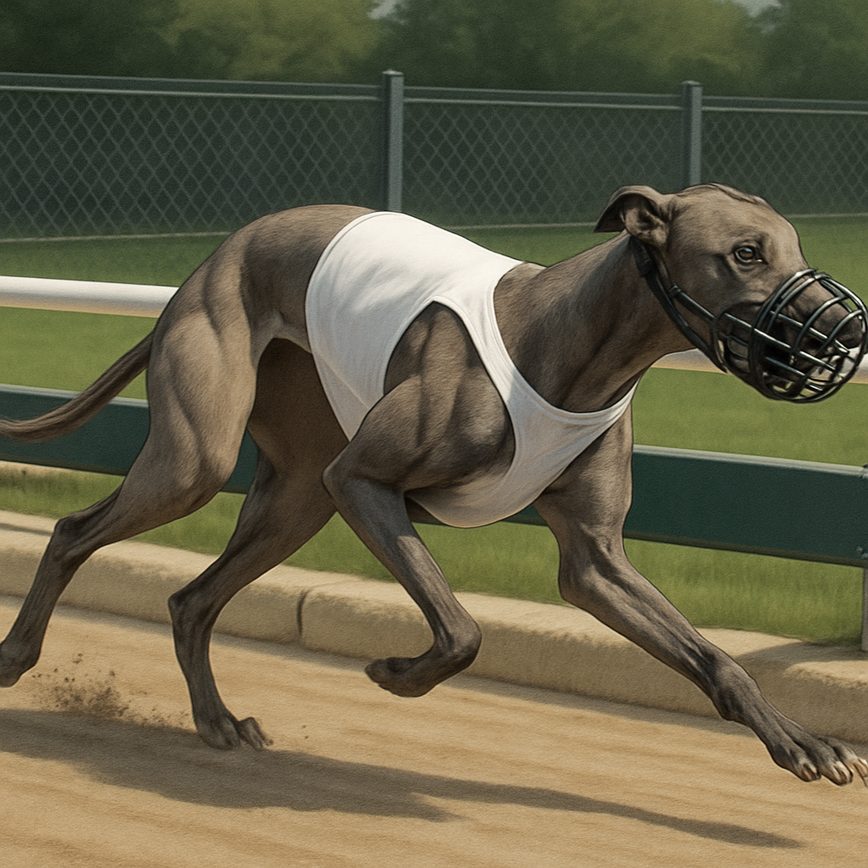
Safety in greyhound racing is a paramount concern that addresses both the well-being of the animals involved and the integrity of the sport. As greyhound racing continues to attract enthusiasts and participants, understanding and improving safety measures is essential to ensuring a responsible and sustainable experience. This safety overview highlights the key aspects of racetrack safety, common concerns, and the regulatory frameworks designed to protect the dogs and the sport’s reputation.
At the heart of greyhound racing safety is animal welfare, which focuses on the physical and psychological health of the greyhounds. Common concerns include the risk of injury during races, proper training and conditioning, and the living conditions provided for the dogs outside of competition. Injuries such as broken limbs or muscle strains can occur, especially on poorly maintained tracks or during high-speed races. Therefore, maintaining racetrack safety through proper track design, regular surface inspections, and emergency medical provisions is critical.
Another important aspect is the implementation of regulatory frameworks that govern the conduct of greyhound racing. These regulations often mandate strict protocols for veterinary care, pre-race health checks, and handling practices that ensure humane treatment of the animals. Additionally, several racing authorities enforce rules to prevent doping or any unfair practices that could compromise both safety and fairness. Such frameworks aim to balance competitive racing with ethical treatment, enhancing overall animal welfare.
Racetrack safety also extends to the environment where the races occur, involving secure fencing, safe starting mechanisms, and qualified personnel trained to respond swiftly to incidents. The collaboration between regulators, trainers, veterinarians, and racetrack operators plays a vital role in monitoring and improving these safety standards continuously. Transparency through inspections and reporting helps maintain public confidence in greyhound racing and emphasizes the commitment to animal welfare.
In summary, the safety overview of greyhound racing underscores the importance of a multi-faceted approach that prioritizes the welfare of the greyhounds while upholding the integrity and excitement of the sport. By addressing common concerns and strengthening regulatory frameworks, the industry moves toward a safer and more ethical future for everyone involved.
History of Safety Measures in Greyhound Racing
The history of safety measures in greyhound racing reflects a continuous effort to enhance the protection and welfare of racing dogs. Initially, greyhound regulations were minimal, focusing primarily on the sport itself rather than the animals’ well-being. Over time, growing public awareness about animal protection led to the introduction of stricter rules and protocols aimed at reducing injuries and ensuring safer racing environments.
In the early days, racing tracks lacked adequate safety features, and injuries were often overlooked. However, as advocacy for animal rights strengthened, regulatory bodies began instituting mandatory inspections of racing venues. These inspections ensured that tracks met specific standards, such as proper surface materials and barrier placements, to minimize the risk of harm to the greyhounds.
Alongside track improvements, the implementation of veterinary checks before and after races became a cornerstone of safety measures. These checks help in identifying any health issues or injuries early, preventing greyhounds from racing under unsafe conditions. Additionally, guidelines surrounding the humane training and handling of greyhounds were established, further promoting their protection.
Today, the evolution of safety protocols is ongoing, with advanced technology used to monitor races and greyhound health in real-time. The integration of these regulations into greyhound racing highlights a commitment to animal protection, demonstrating a comprehensive approach to safeguarding these athletes throughout their racing careers.
Common Safety Risks in Greyhound Racing
Greyhound racing presents several safety risks that both the dogs and trainers must be aware of. During races and training sessions, greyhounds are exposed to racetrack dangers that can lead to serious injuries. One of the most common hazards is musculoskeletal injuries, including sprains, strains, and fractures. These occur when dogs reach high speeds and make sudden turns or stops, putting immense pressure on their limbs.
Another significant safety risk is collisions, either with other dogs or barriers on the racetrack. Such impacts can result in contusions, cuts, or more severe trauma. Additionally, the racing environment itself may present greyhound hazards such as uneven track surfaces or debris, which increase the likelihood of slips and falls.
Respiratory and heat-related issues also pose threats during intense training or hot weather conditions. Greyhounds are prone to overheating due to their lean build and high exertion levels. Close monitoring and proper hydration are vital to prevent heatstroke or exhaustion. Overall, the combination of physical strain, racetrack dangers, and environmental factors creates numerous safety risks in greyhound racing that require vigilant management to protect the well-being of these animals.
Current Safety Standards and Regulations
To ensure the highest level of safety for racing greyhounds, a comprehensive set of safety standards and regulations has been established within the industry. These safety standards focus on minimizing injury risks and promoting overall greyhound welfare throughout their racing careers. Governing bodies and racetracks actively adhere to these regulations to create a safe and responsible environment for all participants.
Safety standards encompass the design and maintenance of racetrack facilities, ensuring surfaces are regularly inspected and kept in optimal condition to prevent accidents. Many racetracks implement rules regarding the use of cushioned track surfaces and adequate drainage systems to reduce strain and injury to greyhounds during races. Furthermore, stringent regulations govern the number of races a greyhound can participate in within a given timeframe to avoid overexertion and health deterioration.
Industry practices also emphasize pre-race veterinary examinations, where greyhounds undergo thorough health checks to confirm they are fit to run. Any greyhound showing signs of illness or injury is withdrawn from competition, strictly following greyhound welfare laws designed to protect animal health. These laws not only cover race day protocols but also extend to the care and treatment of greyhounds in training and retirement.
Greyhound welfare laws serve as a legal framework mandating the ethical treatment of greyhounds throughout their lifespan. These regulations often require trainers and owners to provide suitable housing, nutrition, and medical care. Compliance with such laws is monitored by regulatory authorities and industry watchdogs to enforce accountability and transparency.
Racetrack rules include strict guidelines on equipment use, such as the prohibition of any items that may harm the greyhounds during races. In addition, many jurisdictions have introduced surveillance and reporting systems to track incidents and improve safety measures continuously. These regulations are regularly updated based on research, technological advancements, and input from animal welfare organizations.
Collectively, these safety standards, regulations, greyhound welfare laws, and racetrack rules form an integrated approach to protecting racing greyhounds. The industry’s commitment to adhering to these guidelines is vital for the integrity of greyhound racing as a sport and for safeguarding the well-being of its animal athletes.
Animal Welfare Organizations’ Role
Animal welfare organizations play a crucial role in advocating for and enhancing the safety and welfare standards in greyhound racing. These organizations focus on promoting the humane treatment of racing greyhounds and work tirelessly to ensure that their needs are prioritized throughout their racing careers and beyond. Through persistent advocacy, they raise public awareness about the conditions within the racing industry and lobby for stricter regulations that protect the dogs from neglect and abuse.
One of the key contributions of these animal welfare organizations is the implementation and monitoring of comprehensive welfare policies that guide the treatment of greyhounds at every stage. They often collaborate with racing authorities to enforce safety protocols, such as proper veterinary care, safe track conditions, and humane training methods. By setting and maintaining these standards, they help reduce injuries and stress for the racing animals, ensuring a safer environment overall.
Furthermore, animal welfare organizations support greyhound protection by facilitating adoption programs for retired racing dogs, ensuring they receive loving homes after their racing days are over. This effort not only improves the quality of life for individual dogs but also highlights the importance of responsible aftercare in the industry. Through continuous advocacy and education, these groups foster a culture of respect and compassion that benefits both the greyhounds and the broader community.
Technological Advances in Safety
In recent years, technology has played a pivotal role in enhancing the safety of greyhounds during races. Advanced safety equipment and innovative monitoring systems are now integral components in injury prevention efforts, ensuring that greyhounds are protected at every stage of the race. One crucial development is the use of high-tech tracking collars and GPS devices that allow race officials and veterinarians to monitor the dogs’ vital signs and movements in real-time. This technology helps detect any signs of distress or injury immediately, enabling rapid intervention.
Additionally, improvements in the design of the racing track, including better cushioning and banking, are supported by technological assessments that minimize the risk of falls and collisions. Modern safety equipment such as padded railings and soft barriers further reduce the chance of injuries. These innovations are continuously updated based on data collected from monitoring systems, ensuring that every element of the racing environment prioritizes the well-being of the greyhounds.
Injury prevention has also benefited from advanced video analysis technologies that review races in detail, identifying risky behaviors or environmental factors that could lead to harm. This data-driven approach leads to informed decisions on rule changes or safety enhancements. Overall, integrating these technologies and safety equipment into greyhound racing creates a safer arena, significantly improving the welfare of the dogs while maintaining the sport’s excitement.
Improving Future Safety in Greyhound Racing
As the world of greyhound racing evolves, so too must the framework that ensures the sport remains safe and humane for the dogs involved. Future improvements in this field focus not only on advancing safety innovations but also on shaping policy suggestions and enhancing greyhound care practices. By adopting progressive measures, the industry can significantly reduce the risks associated with racing and improve the overall well-being of the greyhounds.
One of the key areas ripe for development is the implementation of cutting-edge safety technology. Unique advancements such as wearable monitoring devices can track a greyhound’s vital signs and physical condition in real-time during races. These devices could alert trainers and veterinarians instantly to potential injuries or signs of distress, allowing for immediate intervention. Additionally, improved track surfaces that minimize impact and reduce slipping can be engineered and standardized across all racing venues, setting a new benchmark for safety.
Equally important are future improvements in regulatory frameworks that govern greyhound racing. Updating existing regulations to incorporate stricter safety protocols, mandatory rest periods, and enhanced oversight can help protect the dogs from overexertion and mistreatment. Policy suggestions from animal welfare experts emphasize transparency and accountability, calling for regular independent audits and the enforcement of penalties for breaches in safety standards. These measures will foster trust among stakeholders and the public alike, promoting a responsible racing culture.
Care practices for greyhounds will also benefit from ongoing research and innovation. Advances in nutrition, rehabilitation therapy, and psychological enrichment will help maintain the dogs’ physical and mental health. Incorporating veterinary care that is proactive rather than reactive—emphasizing injury prevention and early detection—will become a critical aspect of keeping greyhounds at peak condition. Moreover, educational programs for trainers and handlers on best practices in animal care will further bolster efforts to safeguard the animals involved.
Ultimately, the future of greyhound racing safety hinges on a collaborative approach that integrates technology, regulation, and care. By continuously seeking improvements in these areas, the sport can evolve into one that respects and prioritizes the welfare of the greyhounds above all else. These future improvements will not only enhance the safety of racing but also strengthen the integrity and sustainability of greyhound racing worldwide.
Enhanced Training and Care Protocols
To ensure the safety and wellbeing of greyhounds in racing, trainers must adopt improved training protocols that prioritize injury prevention and humane treatment. Training methods should focus on gradual conditioning, avoiding intense sessions that may overstrain muscles or joints. Incorporating regular rest periods and cross-training activities helps maintain the greyhound’s fitness while reducing the risk of repetitive stress injuries.
Daily greyhound care protocols also play a crucial role in promoting their health. Providing a balanced diet tailored to the greyhound’s specific needs supports recovery and strength. Regular veterinary check-ups and monitoring for early signs of injury or distress ensure timely interventions. Additionally, maintaining clean and comfortable living environments contributes to overall greyhound care by minimizing stress and exposure to infection.
Training and care improvements must collectively emphasize the importance of humane treatment. Staff should be trained to handle greyhounds gently and to recognize behavioral signals indicating pain or discomfort. By refining training protocols and elevating daily care standards, the greyhound racing community can achieve better injury prevention outcomes and foster an environment where the health and dignity of these animals are deeply respected.
Legislative and Industry Reforms
In recent years, there has been a growing call for comprehensive legislation and industry reforms aimed at improving the safety and welfare of greyhounds involved in racing. Policy changes focusing on stricter greyhound racing laws are crucial to ensure that the welfare of these animals is prioritized at every stage of their involvement in the sport. Legislative frameworks can mandate more rigorous standards for track conditions, kennel environments, and veterinary care, reducing the risk of injuries and enhancing overall safety.
Industry initiatives can complement these legislative measures by implementing best practices that promote transparency and accountability. For example, mandatory reporting of injuries, regular audits of racing facilities, and well-defined retirement plans for greyhounds can create an environment where animal welfare is front and center. Collaboration between regulatory bodies, industry stakeholders, and animal welfare organizations is essential to drive meaningful policy changes that reflect contemporary ethical standards.
Furthermore, modernizing regulations to include tougher penalties for violations of welfare standards can serve as a deterrent against neglectful or harmful practices. Education and training programs for trainers and staff can reinforce the importance of humane treatment and responsible care. Together, these legislative and industry reforms offer a path forward to creating a safer, more ethical future for greyhound racing, balancing tradition with the imperative of animal welfare.

Growing up near the local track, I developed a lifelong fascination with the athleticism and strategy behind greyhound racing. I spend my free time analyzing past performances and studying breeding lines to better understand the nuances of every race. Sharing insights and celebrating the incredible speed of these dogs is what keeps me passionate about the sport.