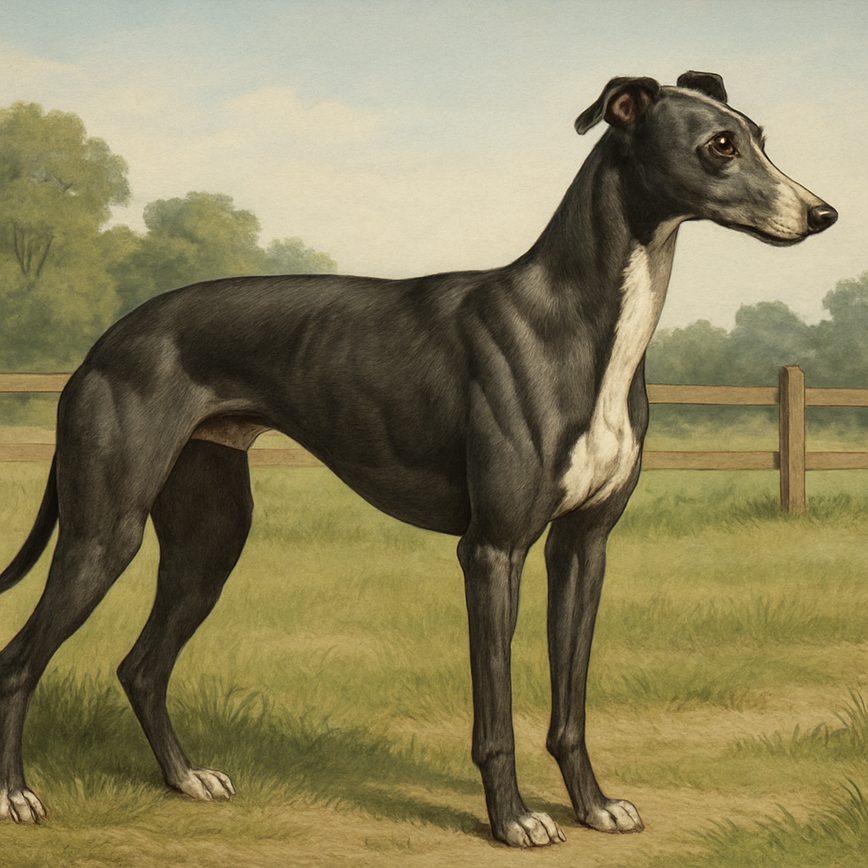
Introduction to Greyhound Breeding
Greyhound breeding is a specialized field that focuses on producing healthy, fast, and agile dogs that exemplify the best traits of this ancient breed. Understanding the basics of greyhound breeding is crucial for anyone involved in this practice, whether for racing, companionship, or show purposes. The process involves selecting suitable breeding pairs based on their physical attributes, health, and performance to ensure that the offspring inherit desirable qualities.
The significance of greyhound breeding lies not only in the preservation of the breed but also in enhancing its racing abilities and temperament. Responsible breeding practices help maintain the breed’s genetic diversity while minimizing health issues that can arise from poor breeding choices. Breeders devote considerable attention to lineage, as this offers insights into traits passed down through generations, such as speed, endurance, coat quality, and behavioral tendencies.
Greyhound lineage is a critical aspect of breeding, as it traces the ancestry and heritage of the dogs. A well-documented lineage provides valuable information about the dog’s bloodline, helping breeders make informed decisions when pairing mating pairs. This knowledge supports the goal of strengthening desirable traits and improving the breed overall. Moreover, lineage documentation often plays a significant role in the dog racing industry, where pedigree can influence a greyhound’s value and reputation.
In summary, greyhound breeding combines careful selection of breeding pairs, an understanding of genetic principles, and a respect for lineage to improve and perpetuate the breed’s outstanding characteristics. For anyone interested in greyhound breeding, acknowledging these fundamentals and the importance of lineage is essential to producing quality greyhounds that carry the legacy of this distinguished breed.
History of Greyhound Breeding
The history of greyhound breeding is deeply rooted in ancient civilizations, making it one of the oldest recorded breeding histories in the canine world. Greyhound origins trace back thousands of years, with evidence pointing to Egypt, Mesopotamia, and Persia, where these swift and graceful dogs were prized for hunting and companionship. Over centuries, selective breeding practices shaped the greyhound’s physical traits and temperament to enhance speed, agility, and endurance.
Breeding history highlights a continuous effort to preserve the greyhound’s distinctive silhouette and remarkable hunting ability. Aristocrats and royals across Europe, particularly during the Middle Ages, played a significant role in refining greyhound lineage. They focused on breeding lines that combined swiftness with grace, which not only served practical hunting purposes but also became symbols of nobility and prestige.
As modern sport and racing gained prominence, the breeding history of greyhounds evolved once more to prioritize speed and competitive performance. Lineage records became meticulous, ensuring that bloodlines maintained optimal traits for racing. Today, the greyhound’s breeding history is not only a testament to its enduring legacy but also reflects centuries of focused selection that continue to define the breed worldwide.
Fundamentals of Breeding Practices
Breeding practices form the cornerstone of producing high-quality greyhounds with desirable traits. Understanding the breeding fundamentals is essential for anyone involved in greyhound mating to ensure that the resulting offspring possess the best attributes for speed, health, and temperament. Selective breeding involves carefully choosing mating pairs based on their lineage, physical condition, and performance records. This careful selection process aims to enhance positive traits while minimizing genetic defects that could affect the dog’s racing or overall well-being.
One of the primary breeding practices includes studying genealogy to maintain a strong bloodline that emphasizes proven champions. Maintaining genetic diversity within the lineage while avoiding inbreeding is a delicate balance that breeders must manage to prevent hereditary issues. Moreover, breeders focus on health screening, ensuring that both the sire and dam are free from genetic disorders that could be passed to their puppies.
Selective breeding shapes greyhound quality by producing dogs that are not only faster but also more resilient and trainable. Through successive generations, breeding fundamentals help enhance muscle structure, cardiovascular health, and behavioral traits conducive to racing success. This methodical approach to greyhound mating is what drives continuous improvement in both competitive performance and longevity, setting the foundation for top-tier racing athletes.
Understanding Greyhound Lineage
Greyhound lineage refers to the documented ancestry and pedigree of a greyhound, tracing its family history back through generations. This lineage is crucial for breeders, trainers, and enthusiasts who aim to understand the genetic background and heritage of these renowned racing dogs. Pedigree tracking is the systematic recording of the greyhound’s ancestors, often through detailed family trees that highlight successful traits and racing accomplishments passed down through the bloodline.
Pedigree plays a significant role in influencing the traits and performance of greyhounds. The lineage of a greyhound can determine physical characteristics such as speed, agility, and endurance, as well as behavioral traits including temperament and trainability. By examining the pedigree, breeders can identify the presence of desirable qualities that have been inherited from champion bloodlines, which helps in making informed breeding decisions to enhance future generations of racing greyhounds.
Thorough pedigree tracking provides insight into the genetic strengths and potential weaknesses of a greyhound. For instance, a lineage known for producing fast starters might be preferred for sprint races, while one with proven endurance could excel in longer racing formats. Understanding greyhound lineage also helps in minimizing the risk of hereditary health issues by avoiding close genetic inbreeding, thereby promoting the overall health and longevity of the breed.
Breeders and trainers use ancestry records not only to predict performance but also to maintain the integrity of the breed. A well-documented greyhound lineage fosters transparency and trust within the racing community, as it confirms the authenticity of a greyhound’s heritage and racing credentials. This comprehensive approach to pedigree tracking supports the continuous improvement of the breed’s athletic capabilities and preserves the legacy of greyhound racing.
Pedigree Analysis and Records
Pedigree analysis is a critical component in greyhound breeding, involving the comprehensive examination of lineage records to make informed breeding decisions. These ancestry documentation efforts maintain detailed records of a greyhound’s forebears, tracking traits, health history, and performance metrics across generations. Such meticulous documentation allows breeders to identify desirable genetic traits and avoid hereditary health issues, ensuring the vitality of future litters.
Lineage records are systematically kept using both traditional paper methods and modern digital databases, which facilitate easy access and rigorous data analysis. By leveraging pedigree analysis tools, breeders can visualize family trees, compare genetic markers, and calculate inbreeding coefficients. This quantitative approach supplements the qualitative knowledge passed down through breeding expertise.
Utilizing these detailed pedigree and ancestry records, breeders strategically pair greyhounds to enhance characteristics such as speed, stamina, and temperament. Thoughtful pedigree analysis aids in preserving breed standards while introducing beneficial traits, ultimately optimizing the health, performance, and genetic diversity of the greyhound population. Enhanced lineage documentation further supports ethical breeding practices, safeguarding the future of the breed.
Impact of Lineage on Greyhound Traits
The lineage of greyhounds plays a crucial role in shaping both their physical and behavioral traits, influencing their performance, appearance, and temperament. Genetic traits passed down from generation to generation affect key physical attributes such as muscle composition, skeletal structure, and overall agility. Greyhounds with a strong lineage often exhibit superior speed, endurance, and a lean body ideal for racing. These physical characteristics are the result of selective breeding aimed at enhancing specific traits that make greyhounds exceptional athletes.
Beyond physical attributes, lineage impact extends to behavioral traits as well. Greyhounds inherit temperament tendencies from their ancestors, affecting their calmness, trainability, and focus during races or training sessions. A well-documented lineage can indicate a greyhound’s predisposition for certain behaviors, such as competitive drive or sociability. Breeders often study lineage to predict and enhance these traits, ensuring that the offspring display desirable behaviors consistent with their breed standards.
Understanding the genetic traits linked to specific lineages enables breeders and trainers to make informed decisions when pairing greyhounds for breeding or preparing them for competition. This focused approach helps maintain and improve the breed’s quality by preserving advantageous traits that contribute to the greyhound’s agility, endurance, and racing success, ultimately cementing the critical role lineage has on greyhound traits.
Best Practices for Responsible Greyhound Breeding
Responsible breeding of greyhounds is essential to maintain the health, temperament, and overall wellbeing of this elegant breed. Ethical breeders prioritize the welfare of their dogs above all, ensuring that every aspect of breeding aligns with best practices and established standards.
A fundamental guideline for responsible breeding is thorough health screening of both sire and dam. This includes genetic testing, cardiovascular evaluation, and hip and joint assessments to minimize the risk of hereditary diseases. Breeding healthy animals not only reduces suffering but also enhances the quality and longevity of the offspring.
Breeding ethics demand that greyhounds are not bred excessively or without consideration for their physical and emotional readiness. Breeders should allow adequate recovery time between litters for female dogs and avoid breeding dogs with any known health or behavioral issues. Transparency in lineage and health history is vital, giving future owners confidence in the genetic background of their pets.
Providing excellent greyhound care throughout the breeding process is another cornerstone of responsible breeding. This includes a nutritious diet, proper exercise, and a stress-free environment for pregnant females and their puppies. Puppies should be socialized early and raised in a clean, loving environment to foster good behavior and adaptability.
Responsible breeders are also committed to the long-term wellbeing of their dogs. This means having a plan for the future of every puppy, including supporting new owners with advice on training and health care. In some cases, ethical breeders may even take back or rehome dogs if their circumstances change, ensuring no greyhound suffers from neglect or abandonment.
In summary, responsible breeding integrates breeding ethics with comprehensive greyhound care practices. This approach guarantees not only the continuation of greyhound lineage but also upholds the dignity and health of every dog bred. By adhering to these best practices, breeders contribute positively to the breed’s legacy and the joy these wonderful animals bring to their families.
Health Screening and Genetic Testing
Health screening and genetic testing are crucial components in maintaining the overall breeding health of greyhounds. These processes help breeders identify potential hereditary health issues that could be passed on to offspring, ensuring the longevity and vitality of the breed. Conducting thorough health checks before breeding not only protects the individual animals but also strengthens the bloodline by reducing the risk of inherited diseases.
Genetic testing offers valuable insights into specific traits and predispositions to certain medical conditions. By understanding the genetic makeup of breeding stock, breeders can make informed decisions, selecting pairs that complement each other and avoid amplifying genetic disorders. This proactive approach supports the production of healthy, robust greyhounds with fewer health complications throughout their lives.
Regular health screening also monitors the current physical condition of breeding dogs, checking parameters such as heart health, joint integrity, and overall fitness. Integrating these health checks with genetic testing ensures a comprehensive assessment of each animal’s suitability for breeding. Ultimately, this commitment to health screening and genetic testing upholds high standards in greyhound breeding, promoting the welfare and performance of the breed for generations to come.
Maintaining Genetic Diversity
Maintaining genetic diversity is essential in greyhound breeding to ensure healthy, robust dogs with balanced traits. Effective lineage management and thoughtful breeding strategies help prevent the risks associated with inbreeding, such as genetic disorders and reduced vitality. Breeders often employ techniques that emphasize diversity within the gene pool by carefully selecting breeding pairs that are genetically distinct yet compatible.
One key strategy is outcrossing, which involves mating greyhounds from different bloodlines or geographical areas to introduce new genetic material. This practice enhances the overall genetic diversity, reducing the likelihood of inherited defects. Lineage management through detailed pedigree analysis also plays a crucial role by tracking ancestry and avoiding close relatives from being bred.
Another approach is the use of genetic testing to identify carriers of recessive genes and to manage the genetic health of breeding stock. By integrating these results into breeding decisions, breeders can minimize the propagation of deleterious alleles. Furthermore, rotating sires and maintaining a larger breeding population contribute to sustaining genetic variability over generations.
Ultimately, prioritizing genetic diversity through these breeding strategies and lineage management practices ensures the long-term vitality and performance of greyhounds. It supports the continued improvement of the breed while safeguarding against the pitfalls of inbreeding, preserving the unique qualities that define this remarkable breed.

Growing up near the local track, I developed a lifelong fascination with the athleticism and strategy behind greyhound racing. I spend my free time analyzing past performances and studying breeding lines to better understand the nuances of every race. Sharing insights and celebrating the incredible speed of these dogs is what keeps me passionate about the sport.