Choosing to welcome a former athlete into your home is a commitment that blends compassion with practical preparation. These dogs have spent their lives in structured training environments, and their transition to a pet lifestyle requires understanding their specific needs. From evaluating energy levels to matching temperament with your daily routine, the process of adopting a retired racer is both rewarding and detail-oriented. This guide outlines the key factors to consider, surveys several distinct paths to finding a companion, and offers insight on selecting the right fit for your lifestyle.
Understanding the Retired Racer Profile
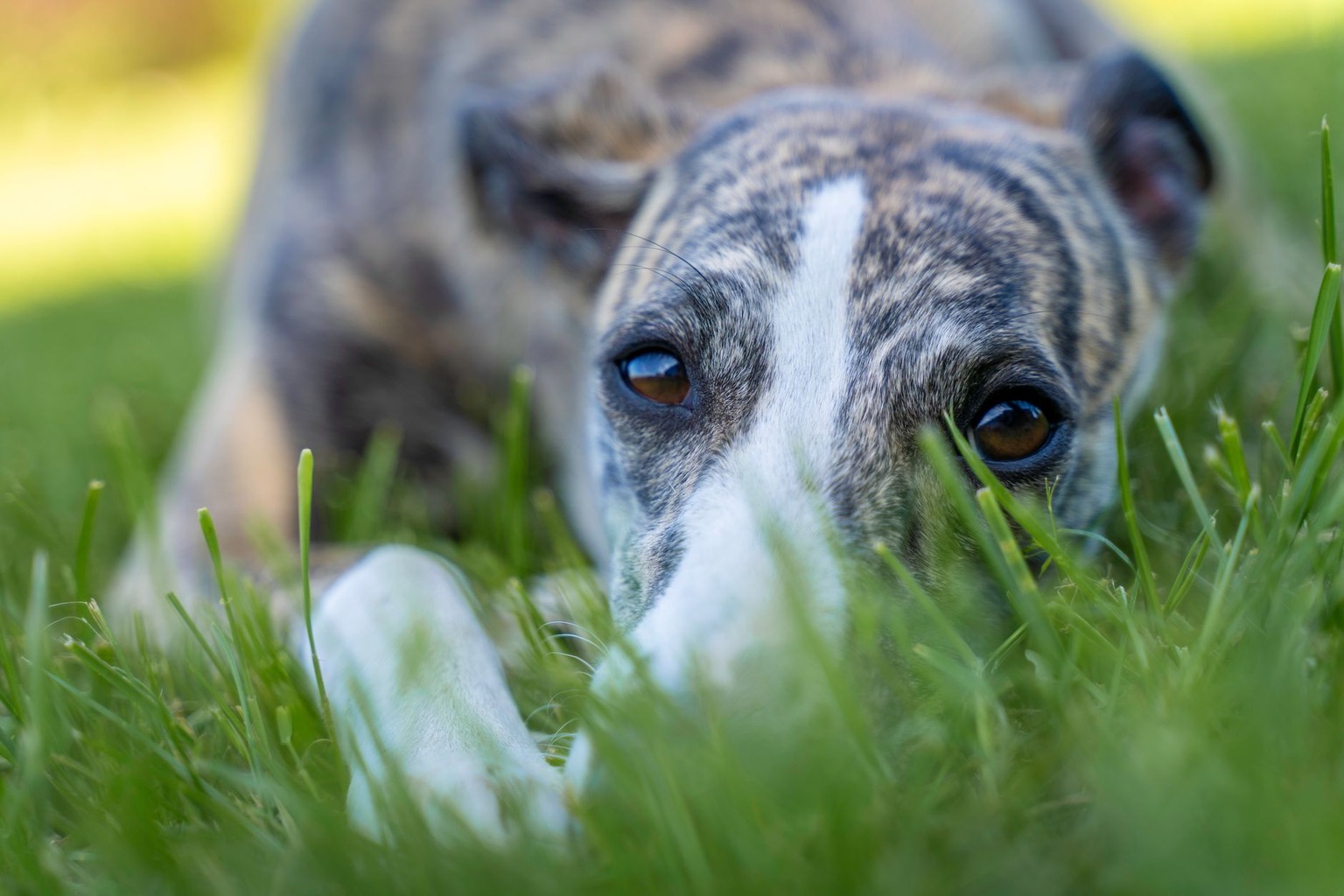
The typical retired racer arrives with a set of physical and behavioral traits shaped by their previous career, adopt retired greyhound. Most are between two and five years old when they leave the track, possessing a lean, muscular build designed for sprinting rather than endurance. Their temperament is generally calm and affectionate, often described as “40-mile-per-hour couch potatoes” once they are off the track. However, they may exhibit a strong prey drive toward small animals, a residual instinct from chasing lures. Potential adopters should be prepared to manage this instinct with secure fencing and careful introductions to other pets. Understanding that these dogs are accustomed to routine and the company of other canines helps set realistic expectations for their integration into a home environment.
Evaluating Energy Levels and Living Space
Energy levels in retired racers can vary, but generally, they require moderate exercise to stay healthy and happy. A daily walk or a short play session in a securely fenced yard is typically sufficient, making them adaptable to apartment living provided they receive regular outdoor time. It is a common misconception that they need vast amounts of space; in reality, their exercise needs are often lower than those of high-energy breeds. When assessing your living situation, consider not just the square footage, but the availability of safe, quiet areas where the dog can decompress. A calm indoor demeanor is one of the breed’s most appealing traits, but it must be balanced with consistent, gentle activity.
Health Considerations Specific to the Breed
Prospective owners should familiarize themselves with health concerns common to the breed, even in retirement. Greyhounds are prone to certain genetic conditions, such as bloat (gastric dilatation-volvulus), which requires immediate veterinary attention if symptoms appear. They also have thin skin and low body fat, making them sensitive to extreme temperatures; a coat is often necessary during cold winter walks. Regular dental care is also important, as small jaws can lead to overcrowding. Scheduling a comprehensive health check with a vet experienced in the breed soon after adoption is a prudent step to establish a baseline for their care and address any immediate concerns.
On the My Greyhound Life channel they cover caring for retired racing greyhounds—you can watch the beginners guide right here.
Finding Your Companion: Adoption Channels and Resources
There are several avenues through which one can adopt a retired racer, each offering different advantages. Specialized greyhound rescue organizations are the most common source, often maintaining waiting lists and conducting thorough home checks to ensure a good match. These groups provide valuable support, including fostering programs that allow the dog to settle into a home environment before final adoption. Some national breed-specific rescues coordinate transfers from international tracks, expanding the pool of available dogs. Online platforms and social media groups dedicated to the breed can also be useful for connecting with rehomers, though caution and verification of the source are essential. Visiting local kennel clubs or attending adoption events can also provide opportunities to meet dogs in person.
Matching Temperament with Household Dynamics
Selecting the right dog involves a careful assessment of your household’s dynamics, including the presence of children, other pets, and the typical activity level of the family. Many rescue groups conduct temperament testing with cats, small dogs, and children to gauge compatibility. A dog that has lived successfully with other greyhounds in a kennel setting may not automatically accept a resident cat; introductions must be managed slowly and under supervision. For families with young children, choosing a dog with a proven tolerance for handling and noise is crucial. Open communication with rescue staff about your specific living situation ensures that the dog’s needs and your expectations align from the outset.
Preparing Your Home for the Transition
Before bringing a retired racer home, preparing the living space can ease the dog’s adjustment period. Creating a quiet, comfortable resting area away from high-traffic zones helps the dog feel secure. Puppy-proofing, while the dog is adult, is still necessary to manage chewing instincts and prevent access to hazardous items. Secure fencing is non-negotiable, not only for containment but also to prevent the dog from chasing wildlife or escaping during moments of excitement. Establishing a consistent routine for feeding and walks provides stability, which is particularly beneficial for a dog transitioning from the structured environment of a track to a home setting.
The Adoption Process: What to Expect
The adoption process typically involves an application, reference checks, and a home visit conducted by the rescue organization. These steps are designed to ensure the long-term welfare of the dog and are not meant to be intrusive obstacles. Be prepared to discuss your daily schedule, previous pet experience, and your plans for the dog’s care and exercise. Adoption fees usually cover initial veterinary care, including spaying or neutering, vaccinations, and sometimes microchipping. Patience is key; the process may take several weeks from initial inquiry to bringing the dog home, but the thoroughness of the screening benefits both the animal and the adopter.

Growing up near the local track, I developed a lifelong fascination with the athleticism and strategy behind greyhound racing. I spend my free time analyzing past performances and studying breeding lines to better understand the nuances of every race. Sharing insights and celebrating the incredible speed of these dogs is what keeps me passionate about the sport.