The atmosphere at a harness track is defined by the rhythm of paws on sand and the strategic positioning of drivers. While the spotlight often falls on the canine athletes, the human element seated in the sulky plays a pivotal part in race dynamics. The dog racing jockey role extends far beyond simply holding the reins; it involves a deep understanding of canine behavior, track conditions, and tactical racing. A successful driver must anticipate how a dog will react to a surge of speed or a tight turn, adjusting their weight and commands in real-time. This partnership between human and animal is the unseen engine that often determines the final stretch outcome, making the driver’s expertise a critical component of any competitive harness program.
Experience behind the sulky is the foundation upon which race strategies are built. Veteran drivers often possess an intuitive sense of their dog’s pacing habits and stamina thresholds. For instance, a driver might notice that a particular greyhound conserves energy early, preferring a late surge, and will position the sulky accordingly to avoid early exhaustion. Conversely, some dogs thrive on leading from the gate, requiring the driver to manage the initial break carefully to prevent a false start or a tiring pace. The ability to read the dog’s body language, ear position, muscle tension, and stride length, allows the driver to make micro-adjustments that shave precious seconds off the final time, highlighting the nuanced skill set required in this specialized field.
Breed Specifics and Driver Adaptation
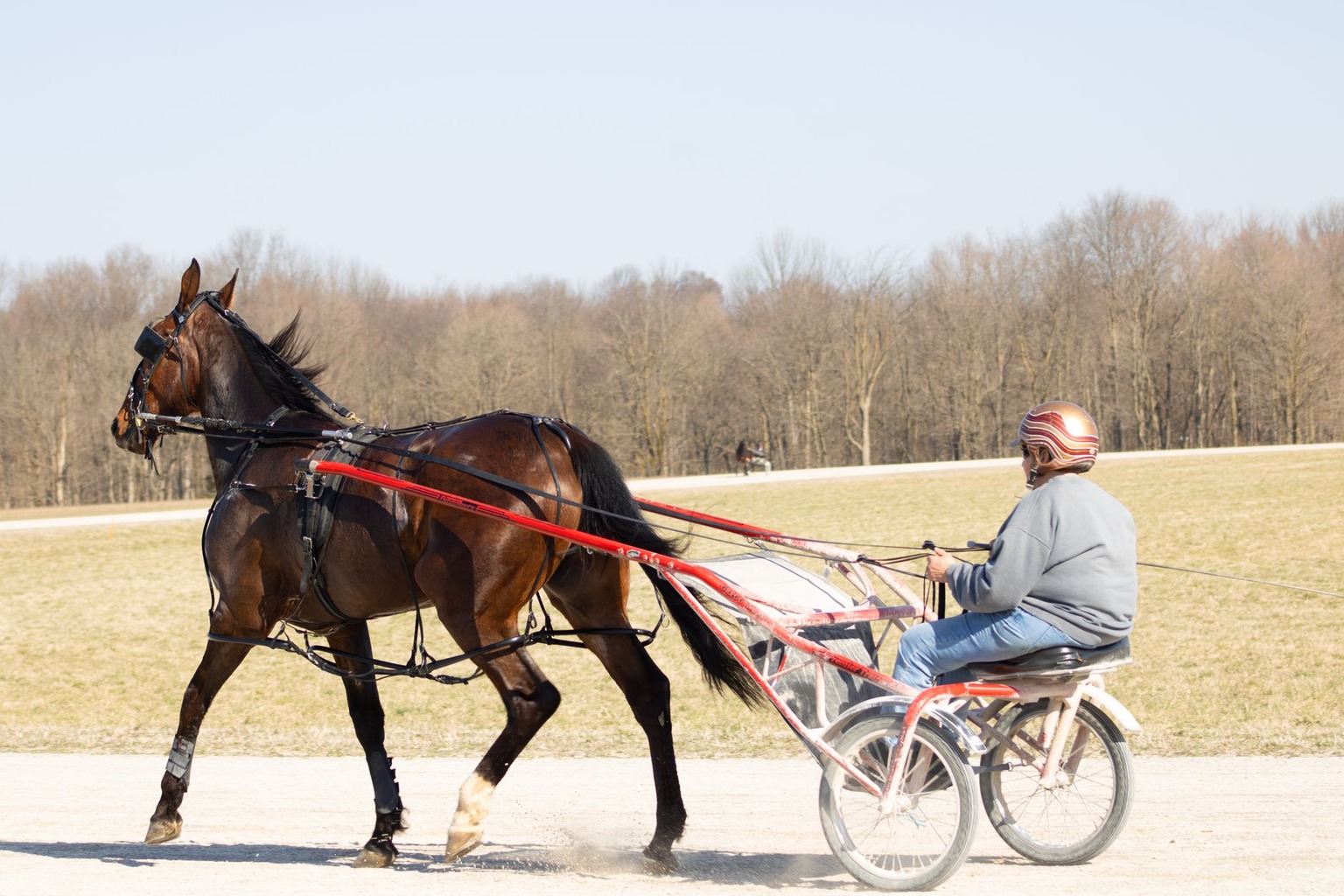
Not all harness dogs are created equal, and the dog racing jockey role must be tailored to the specific breed and individual temperament of the canine. Standardbreds, the most common breed in harness racing, possess a unique gait, the trot or pace, that demands a different driving approach than the pure sprinting style of racing greyhounds. A driver must understand the mechanics of the gait, ensuring the dog maintains rhythm without breaking into a canter, which would result in a disqualification. This requires precise hand movements and a keen sense of balance, as the driver’s posture directly influences the dog’s ability to sustain the required gait throughout the race distance.
Beyond breed characteristics, individual dog personalities dictate driving style. Some dogs are highly responsive to verbal cues and light rein pressure, while others require more assertive guidance to stay on track. A driver might find that a nervous dog calms down with a steady, calm presence in the sulky, whereas a confident dog might push boundaries if the driver appears hesitant. Building a rapport with the dog during training sessions translates directly to race day performance, as the animal trusts the driver’s decisions. This psychological aspect of the dog racing jockey role is often the differentiator between a good race and a championship-winning performance, as the driver must be part coach, part partner.
Track Conditions and Strategic Positioning
The state of the track surface significantly impacts how a driver approaches a race, making track analysis a daily ritual. Muddy or wet conditions can cause dogs to slip, requiring the driver to shorten the gait and encourage a more cautious pace to maintain safety. In contrast, a fast, dry dirt track allows for longer strides and more aggressive positioning. The driver must constantly assess the footing and adjust the sulky’s weight distribution accordingly, often shifting their own body weight forward or backward to help the dog maintain balance. This environmental awareness is a hallmark of seasoned professionals in the harness racing community.
Positioning within the pack is another tactical arena where the driver’s skill is tested. Choosing whether to race wide on the outside or tight along the inside rail can make or break a race strategy. Racing on the inside is often shorter in distance, but the rail can become a bottleneck during turns, potentially trapping dogs and limiting passing opportunities. A savvy driver will weigh the dog’s speed against the race flow, deciding to tuck in behind a pacemaker to conserve energy or swing wide to find a clear lane for a late surge. This strategic chess game, played at 30 miles per hour, underscores the importance of the dog racing jockey role in race outcome.
The Training Partnership
The relationship between driver and dog is forged long before the starting gates open, often beginning in the early morning training hours. Consistent training sessions allow the driver to fine-tune the dog’s response to commands, teaching the animal to accelerate on cue or hold position during a pace line. These sessions often involve simulated race scenarios, where the driver practices reacting to sudden speed changes or avoiding collisions with other competitors. The goal is to create a seamless communication channel where the dog looks to the driver for direction, reducing hesitation and improving overall race efficiency. This dedication to the training partnership is what separates amateur drivers from professional competitors.
On the Energizer2u channel, they cover sulky riding lessons, and you can watch it right here.
Moreover, the physical fitness of the driver cannot be overlooked, as the role demands stamina and core strength to maintain posture over long race nights. Holding the reins and balancing the sulky for multiple heats in a single evening takes a toll on the body, requiring drivers to maintain peak physical condition. Hydration and nutrition play a role in sustaining focus and reaction time, especially during grueling meet schedules. The driver’s ability to remain alert and physically capable ensures that the dog’s performance is not compromised by driver fatigue, making physical conditioning an often-underestimated aspect of the dog racing jockey role.
Equipment and Technological Aids
Modern harness racing has seen the integration of specialized equipment designed to enhance both safety and performance. Sulkies are now constructed with lightweight materials yet durable frames, allowing drivers to maneuver more efficiently without adding undue weight that could fatigue the dog. Additionally, harnesses fitted with GPS tracking devices enable drivers and trainers to analyze stride frequency and speed patterns after each race, providing data-driven insights for future improvements. These technological tools serve as extensions of the driver’s senses, offering a quantitative look at performance that complements the qualitative observations made during the race itself.
However, technology is only as effective as the driver’s ability to interpret the data. A driver must possess the knowledge to translate GPS readings into actionable training adjustments. For example, if data shows a dog is losing speed in the final 200 meters, the driver can work with trainers to adjust the pacing strategy or increase interval training. Furthermore, safety gear such as helmets and protective vests has become standard, reducing the risk of injury during spills or accidents. The intersection of traditional driving skill and modern technology defines the contemporary dog racing jockey role, ensuring the sport evolves while maintaining its core competitive spirit.
The psychological pressure of race day is immense, with crowds, betting implications, and the desire to win weighing heavily on the driver’s mindset. Maintaining composure amidst the noise and excitement is essential for making clear-headed tactical decisions. A driver who panics or becomes overly aggressive can inadvertently signal the dog, causing erratic behavior or a loss of focus. The ability to block out distractions and focus solely on the dog’s performance and the track conditions is a mental skill honed through years of experience. This mental resilience is a quiet but vital component of the dog racing jockey role, often determining how a dog performs under stress.
Furthermore, the relationship with owners and trainers adds another layer of pressure, as expectations can be high. A driver must balance the desires of the stable with the reality of the dog’s capabilities on that particular day. Learning to manage these expectations while remaining focused on the task at hand is a delicate art. Some drivers adopt pre-race routines, deep breathing, specific warm-up rituals, to center themselves and enter a flow state. This mental preparation ensures that when the starting gate opens, the driver is ready to execute the race plan with precision, turning pressure into peak performance for both themselves and their canine partner.

Growing up near the local track, I developed a lifelong fascination with the athleticism and strategy behind greyhound racing. I spend my free time analyzing past performances and studying breeding lines to better understand the nuances of every race. Sharing insights and celebrating the incredible speed of these dogs is what keeps me passionate about the sport.