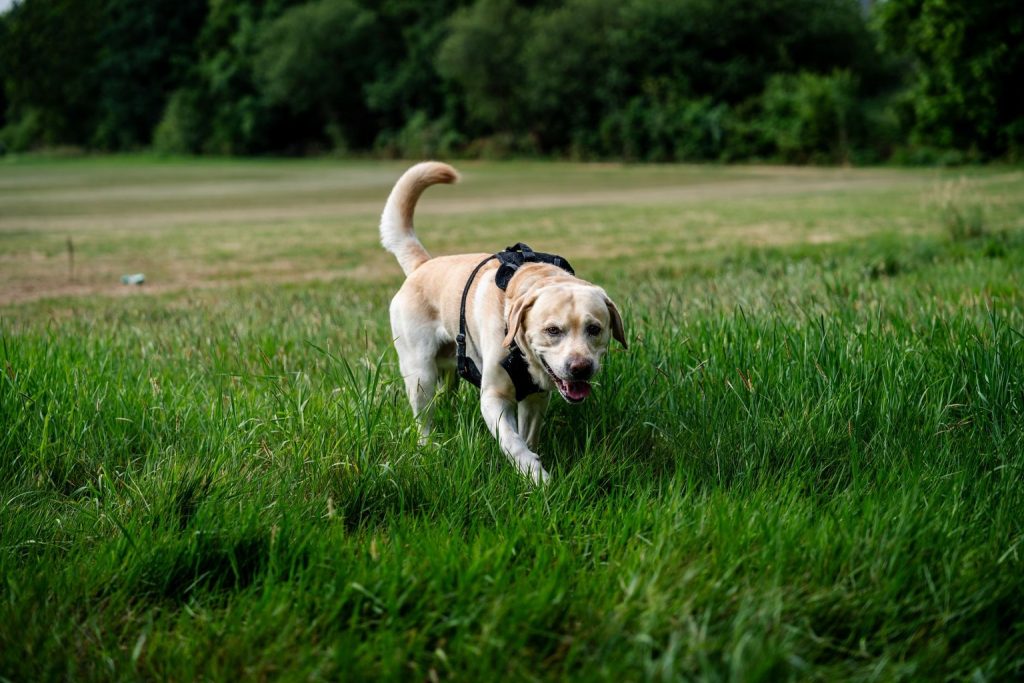
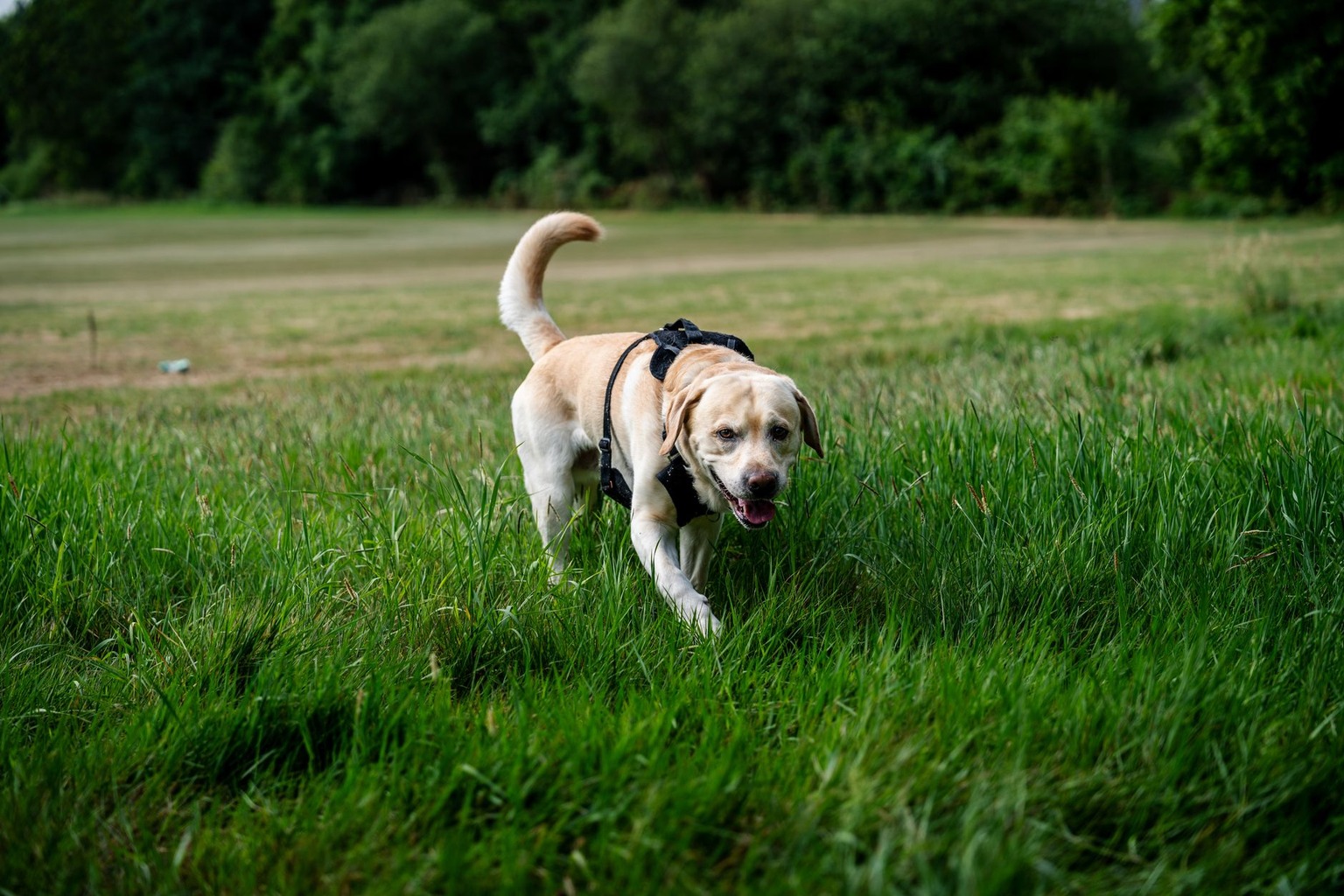
Greyhound recovery is where champions are made, or broken, on the track.
After a grueling sprint in the greyhound racing arena, the difference between a dog returning to peak performance and one struggling with stiffness or fatigue often comes down to how the recovery protocol is structured. Unlike human athletes, greyhounds rely on instinctual rest patterns, but their care requires a blend of science-backed methods and practical experience. The right approach can shave days off recovery time, reduce injury risk, and even extend a dog’s racing career by preserving joint and muscle integrity. For trainers and handlers, understanding these protocols isn’t just about compliance, it’s about competitive edge. The question isn’t whether recovery matters, but how to tailor it to the individual greyhound’s needs after the race’s adrenaline-fueled finish.
Immediate post-race cooling: The 10-minute window that defines tomorrow’s performance
The first critical phase of greyhound recovery begins within minutes of crossing the finish line, and cooling is the cornerstone of that process. Unlike endurance runners who might opt for gradual cooling, sprint greyhounds, especially those racing on synthetic tracks, demand a more aggressive approach. A misting system or cold-water hose applied directly to the dog’s coat within the first 10 minutes helps dissipate heat rapidly, preventing muscle cramping and reducing lactic acid buildup. Trainers at facilities like Lifford Greyhound Park often use a combination of fans and cold towels, focusing on the dog’s legs and barrel where heat retention is highest. The key is consistency: a greyhound that’s left to pant freely in a warm kennel will recover slower, with a higher likelihood of stiffness the next morning. This phase isn’t just about comfort, it’s about setting the stage for cellular repair, and skipping it means risking a dog’s ability to perform at its next race.
Hydration beyond water: Electrolytes, not just fluids, for sprint recovery
Greyhound recovery isn’t just about rehydrating with plain water, which can actually dilute electrolytes and slow muscle recovery. Post-race, the dog’s body has depleted sodium, potassium, and magnesium through sweat and exertion, and replenishing these at the right ratios is essential. Many trainers now use commercial electrolyte solutions designed for canine athletes, often mixed with cool water to avoid shocking the system. A common practice is to offer small, frequent sips over 30 to 60 minutes rather than a single large intake, which can lead to bloat, a serious risk in deep-chested breeds. For greyhounds that refuse to drink voluntarily, some handlers use flavored electrolyte gels or even diluted chicken broth, though the latter should be introduced gradually to avoid digestive upset. The goal is to restore hydration without overwhelming the dog’s system, as overhydration can dilute critical electrolytes and prolong recovery.
For a closer look at managing post-race fatigue, GRVextra explains how to handle acidosis in this helpful video, which you can watch right here.
Resting surfaces: Kennel vs. recovery pen, where does your greyhound thrive?
The debate over resting surfaces in greyhound recovery often pits traditional kennels against specialized recovery pens, and the best choice depends on the dog’s temperament and the track’s infrastructure. Hard rubber or concrete floors, common in older kennels, can exacerbate joint stress after a race, while soft bedding like foam or orthopedic mats helps distribute weight and reduce inflammation. However, some greyhounds, particularly those with high prey drive, become restless in enclosed spaces and perform better in open recovery pens where they can move freely without confinement. Facilities like Lifford often use a hybrid approach, offering pens with elevated platforms or sloped surfaces to encourage natural stretching. The critical factor is observing the dog’s behavior: if a greyhound lies down immediately and stays relaxed, the current setup likely works. If it paces or refuses to settle, the surface or space may need adjustment to prevent stress-related recovery setbacks.
Massage and mobility work: When to intervene and how to avoid overdoing it
Massage and mobility exercises are non-negotiable in greyhound recovery, but the timing and technique matter more than the act itself. Gentle hand massage focusing on the dog’s hindquarters and shoulders, where sprinting places the most strain, can improve circulation and reduce muscle soreness, but aggressive kneading or deep-tissue work within hours of a race risks further inflammation. Instead, trainers often use a combination of light stroking and targeted pressure on trigger points, coupled with passive range-of-motion exercises like lifting the dog’s legs to encourage joint mobility. For greyhounds with known stiffness, some handlers introduce low-impact tools like massage guns set to a low setting, but these should never replace hands-on work. The rule is simple: if the dog resists or shows signs of discomfort, the session is too intense. Overdoing it can turn recovery into a source of stress, undermining the physical benefits.
Monitoring for signs of overreaching: When rest isn’t enough
Not all greyhounds recover at the same pace, and some may show subtle signs of overreaching, like prolonged stiffness, reluctance to move, or increased panting, that indicate their body isn’t processing the race’s impact. Trainers must distinguish between normal post-race fatigue and true overreaching, which can lead to chronic issues if ignored. A greyhound that recovers within 24 hours with minimal intervention is likely fine, but one that limps after 48 hours or refuses food may need a longer break. Some handlers use a simple checklist: checking gait symmetry, palpating major muscle groups for tenderness, and observing energy levels. If these signs persist, a vet visit is warranted to rule out micro-tears or joint inflammation. The key is proactive monitoring, greyhounds rarely vocalize pain, so subtle behavioral changes are the early warning signs that recovery protocols need adjustment.

Gradual return to activity: The 48-hour rule and its exceptions
The 48-hour rule, allowing at least two full days of rest before light exercise, is a widely accepted guideline in greyhound recovery, but its application varies based on the dog’s age, fitness level, and the intensity of the race. Younger or less conditioned greyhounds may need three days of complete rest, while seasoned racers might return to trotting within 48 hours if they show no signs of stiffness. The mistake many handlers make is rushing back too soon, leading to reinjury or reduced performance. Instead, trainers often introduce light activity like short, slow walks or gentle play sessions to encourage blood flow without stressing the muscles. For greyhounds returning from a high-speed race, some facilities use treadmill sessions at minimal speed to assess recovery without full exertion. The goal is to rebuild confidence in movement while avoiding the temptation to push too hard, too soon.

Growing up near the local track, I developed a lifelong fascination with the athleticism and strategy behind greyhound racing. I spend my free time analyzing past performances and studying breeding lines to better understand the nuances of every race. Sharing insights and celebrating the incredible speed of these dogs is what keeps me passionate about the sport.