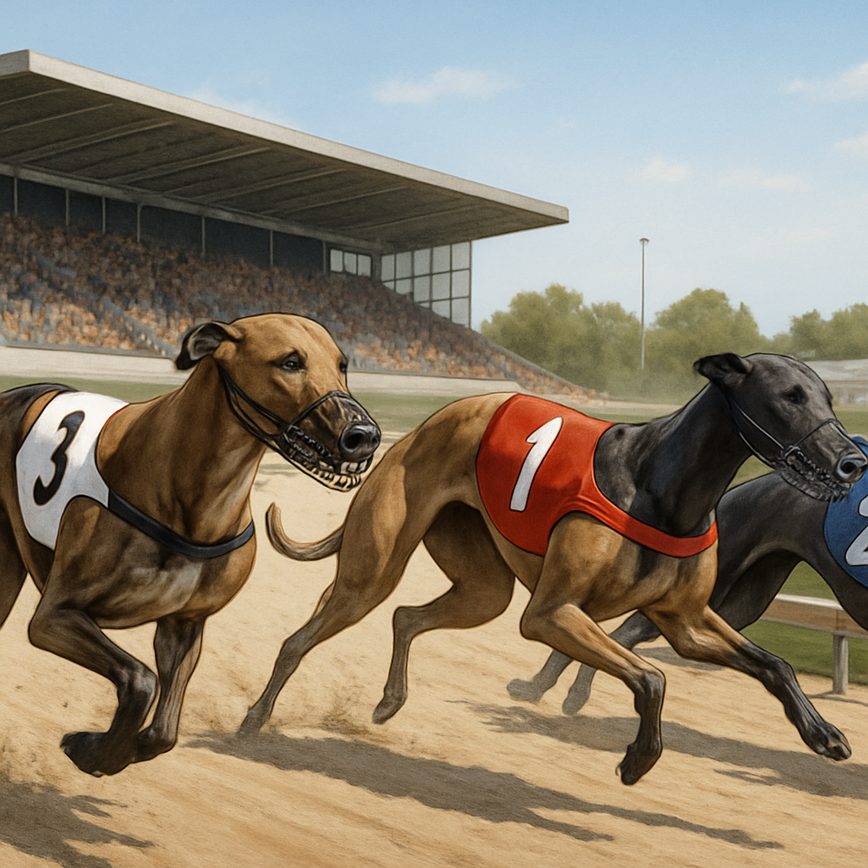
Overview of Greyhound Racing Organizations
Greyhound racing organizations play a crucial role in the regulation, promotion, and management of greyhound racing as a popular sport and entertainment industry. These organizations ensure that races are conducted fairly, safely, and in compliance with established rules and standards. They also work on preserving the welfare of the greyhounds involved and maintaining the integrity of the sport to uphold public trust and interest.
The history of greyhound racing organizations dates back to the early 20th century when the sport began gaining widespread attention. As the popularity of greyhound racing grew, the need for formalized bodies to oversee competitions and breeding became apparent. These organizations helped standardize racing formats, track conditions, and licensing for participants, which contributed significantly to the institutionalization and professionalization of the industry. Over time, they have adapted to evolving ethical concerns and advances in animal welfare practices, ensuring that the sport remains sustainable.
Globally, greyhound racing organizations vary in size and scope but share the common goal of supporting the greyhound racing industry. In countries such as the United States, the United Kingdom, Australia, and Ireland, these organizations have a significant presence, often linked with governing bodies for animal racing sports. They organize major racing events, oversee betting operations, and promote greyhound adoption programs to provide care for retired racing dogs. International cooperation among these organizations also helps set global standards, facilitate research, and enhance public awareness about the sport.
Overall, greyhound racing organizations serve as the backbone of the greyhound racing industry, balancing the excitement of racing with responsibilities toward animal welfare and sport integrity. Their efforts enable greyhound racing to maintain its standing as a notable segment of the wider animal racing community, contributing to local economies and cultural traditions worldwide.
History and Evolution
The history of greyhound racing dates back several centuries, with its origins rooted in ancient hunting traditions where greyhounds were prized for their speed and agility. The evolution of greyhound racing as an organized sport began in the early 20th century, transitioning from informal coursing competitions to professionally managed racing events. The first modern greyhound racing track is credited to have opened in 1912 in California, USA, marking a pivotal moment in the racing development worldwide.
Following this, greyhound racing organizations started to form globally, establishing standardized rules and regulations to ensure fair competition and animal welfare. In the United Kingdom, the Greyhound Racing Association, founded in 1926, played a significant role in promoting the sport and organizing events that attracted widespread audiences. Similar organizations emerged in Australia and Ireland, contributing to the sport’s global footprint and furthering the evolution of racing techniques and track design.
Throughout the 20th century, the racing development saw improvements in breeding practices, training methods, and technology, which enhanced the performance and safety of the greyhounds. Today, greyhound racing organizations continue to adapt, adhering to stricter ethical standards and embracing innovations that reflect the sport’s rich history and ongoing evolution. This ongoing progression underscores the enduring popularity and cultural significance of the sport around the world.
Types of Organizations
Greyhound racing involves various types of organizations that play crucial roles in maintaining the sport’s integrity, operations, and growth. Among these are regulatory bodies, racetrack operators, and breeders associations, each serving distinct but interconnected functions.
Regulatory bodies are responsible for overseeing the fairness and safety of greyhound racing. They establish and enforce rules, conduct drug testing, and ensure compliance with legal standards to protect both the animals and participants. These organizations often also handle licensing and dispute resolution, ensuring the sport operates transparently and ethically.
Racetrack operators manage the venues where races take place. Their responsibilities include organizing racing events, maintaining the facilities, and providing services for spectators and participants. Operators work closely with regulatory bodies to adhere to guidelines and promote the sport, often investing in upgrades to enhance the racing experience and attract audiences.
Breeders associations focus on the breeding and development of greyhounds specifically for racing. They set breeding standards, promote best practices, and sometimes maintain registries of racing bloodlines. These associations support breeders and owners by providing education, resources, and events geared toward improving the quality and performance of racing greyhounds.
Together, these organizations form a comprehensive network that sustains the greyhound racing industry, ensuring it remains regulated, organized, and competitive.
Major Greyhound Racing Organizations Worldwide
Greyhound racing is overseen by several major greyhound organizations that play a pivotal role in regulating and promoting the sport on both national and international levels. These national racing bodies and international federations ensure that the sport is conducted fairly, safely, and with integrity, while also facilitating cooperation between different countries and regions.
In Australia, Greyhound Racing Australia (GRA) serves as the national governing body. It is responsible for setting uniform standards for the conduct of races, licensing participants, and enforcing rules designed to protect the welfare of greyhounds. The GRA has been influential in shaping public perception of greyhound racing through stringent regulations and welfare reforms.
In the United Kingdom and Ireland, the Greyhound Board of Great Britain (GBGB) and Greyhound Racing Ireland (GRI) respectively serve as the primary authorities. The GBGB manages the majority of tracks in England, Scotland, and Wales, ensuring that the sport adheres to high standards of integrity, animal welfare, and betting practices. Meanwhile, GRI governs Irish tracks, promoting the sport domestically and maintaining international ties.
The United States has several organizations overseeing greyhound racing in different states, but the National Greyhound Association (NGA) stands out as a leading body primarily focused on breeding and registration. The American Greyhound Council (AGC) complements this by focusing on welfare standards and adoption programs post-racing careers, highlighting a broader approach to the sport’s sustainability and ethical concerns.
On a global scale, the International Greyhound Federation (IGF) plays a crucial role in uniting national racing bodies and establishing international standards. The federation works to harmonize rules, share best practices, and promote the sport worldwide, facilitating cross-border competitions and fostering international cooperation.
These major greyhound organizations and national racing bodies collectively influence the direction of the sport by implementing policies that balance competitive racing with greyhound welfare. Their leadership helps the sport navigate challenges related to public perception, regulatory scrutiny, and evolving animal welfare expectations. Together with international federations, they ensure greyhound racing remains a vibrant and respected sport across continents.
United States Organizations
In the United States, greyhound racing is governed by several key organizations that oversee the sport’s integrity, rules, and event management. One of the most prominent bodies historically involved is the National Greyhound Racing Club (NGRC), which has played a significant role in standardizing racing regulations and promoting the sport across the country. Though the NGRC’s name is more commonly associated with British racing, its American counterpart has adopted similar rigorous standards to maintain fair competition and animal welfare within American greyhound racing.
American greyhound racing organizations operate under a structured framework that includes regulatory commissions in various states where the sport is legal. These commissions enforce licensing, track safety, and drug testing to ensure the well-being of the animals and the credibility of the races. Furthermore, national and regional organizations work collaboratively to support breeding, training, and racing activities, while also advocating for ethical treatment and transparency.
Key activities of these organizations include organizing regulated racing events, promoting the sport to new audiences, and implementing educational programs for trainers and owners. They also coordinate with veterinarians and animal welfare groups to oversee health standards. Together, these bodies aim to sustain American greyhound racing as a responsible and popular sporting tradition, balancing entertainment with ethical practice.
United Kingdom and Ireland
Greyhound racing in the United Kingdom and Ireland is governed by well-established organizations that ensure the sport operates within a structured regulatory framework. In the UK, British Greyhound Racing is primarily overseen by the Greyhound Board of Great Britain (GBGB), which sets the standards for racing, welfare, and licensing. The GBGB acts as the sport’s official regulator, promoting integrity and fairness across all licensed tracks throughout England, Scotland, and Wales.
In Ireland, the Irish Greyhound Board, also known as Rásaíocht Con Éireann, holds authority over greyhound racing activities. It manages the regulation, promotion, and development of the sport, ensuring high standards of greyhound welfare and track safety. The Irish Greyhound Board also plays a significant role in marketing Irish racing internationally and supporting local industry stakeholders.
Popular greyhound racing tracks in the UK include venues such as Wimbledon Stadium, Perry Barr, and Newcastle Stadium, each known for hosting significant racing events and attracting large audiences. In Ireland, prominent tracks like Shelbourne Park in Dublin and Limerick Greyhound Stadium hold major racing competitions, drawing enthusiastic crowds and maintaining the sport’s popularity.
Both the UK racing and Irish greyhound sectors work collaboratively to uphold welfare standards and enhance the sport’s profile, ensuring that greyhound racing remains a competitive and respected industry in these regions.
Regulations and Welfare Standards in Greyhound Racing
Greyhound racing organizations are increasingly committed to upholding stringent regulations and welfare standards to ensure both the ethical treatment of the dogs and the integrity of the sport itself. These regulations are designed to maintain a high level of racing standards while prioritizing greyhound safety and well-being at every stage of their careers.
Central to these efforts are comprehensive animal welfare guidelines that govern the care, training, and racing conditions for greyhounds. Organizations enforce strict protocols regarding the living environments, diet, and exercise routines of the dogs. These protocols aim to minimize stress and prevent injuries, which are crucial for maintaining greyhound safety. Regular veterinary checks are mandated to monitor the health of the animals, ensuring that any medical issues are promptly addressed.
Furthermore, the racing regulations include monitoring the conduct of races to promote fairness and transparency. This includes the use of advanced technology for tracking the dogs and verifying race results to eliminate the possibility of manipulation or cheating. Stewards and regulatory bodies conduct routine inspections to enforce these standards rigorously, ensuring that any breaches of the rules are dealt with swiftly and appropriately.
In addition to these on-track regulations, there is a strong emphasis on post-race care and retirement planning for greyhounds. Organizations are required to have clear policies for rehoming retired dogs, often partnering with adoption agencies to ensure a safe transition from the racetrack to family life. This holistic approach underscores the commitment to animal welfare beyond the racing career, reinforcing the ethical responsibility of the industry.
Overall, the regulatory framework and welfare standards enforced by greyhound racing organizations play a crucial role in fostering a sport environment that values both competitive excellence and the humane treatment of its canine athletes. These measures not only protect greyhound safety but also help to maintain public trust and confidence in greyhound racing as a responsible and ethical sporting activity.
Safety Protocols and Animal Care
Greyhound racing organizations implement rigorous safety protocols and animal care standards to ensure the welfare of the greyhounds both during and after races. Key measures include comprehensive health protocols that involve regular veterinary checkups, vaccination schedules, and immediate medical attention for any injuries sustained during racing events. These health protocols aim to maintain peak physical condition and prevent the spread of diseases among racing dogs.
Injury prevention is a primary focus, with race tracks designed to minimize risks through padded rails, cushioned turns, and surfaces that reduce impact stress on the greyhounds’ legs and joints. During races, experienced handlers closely monitor each dog to promptly identify any signs of distress or fatigue, removing them from the track if necessary to prevent injuries. Post-race, organizations enforce cooling down routines and hydration protocols to aid recovery.
Animal care extends beyond race day, encompassing nutrition tailored to athletic needs and specialized training programs to enhance performance safely. Organizations also promote adoption programs for retired greyhounds, ensuring these animals receive lifelong care and attention in loving homes. By adhering to these high standards of greyhound safety and animal care, racing organizations demonstrate their commitment to the health and well-being of these remarkable animals.
Regulatory Compliance and Enforcement
Regulatory compliance is a cornerstone of ensuring fairness and transparency in greyhound racing. Organizations dedicated to the sport employ rigorous monitoring systems to enforce racing rules and uphold industry standards. This oversight includes regular inspections, race officiating, and the use of technology such as video reviews to detect any infractions during races. By maintaining strict adherence to established rules, these organizations help prevent unethical practices and promote a level playing field for all competitors.
Enforcement mechanisms are vital to the integrity of greyhound racing. When violations of racing rules occur, governing bodies impose penalties ranging from fines and suspensions to disqualification of greyhounds and trainers. These sanctions serve as a deterrent against misconduct and reinforce the importance of compliance. Additionally, transparent reporting and appeals processes are integral to maintaining trust among participants and the public.
Industry oversight extends beyond the track, involving collaboration with veterinary authorities and animal welfare organizations to ensure the ethical treatment of greyhounds. Comprehensive compliance programs foster accountability and demonstrate the commitment of racing organizations to uphold both competitive and animal welfare standards. Through continuous monitoring and enforcement, the greyhound racing industry strives to maintain its credibility and public confidence.

Growing up near the local track, I developed a lifelong fascination with the athleticism and strategy behind greyhound racing. I spend my free time analyzing past performances and studying breeding lines to better understand the nuances of every race. Sharing insights and celebrating the incredible speed of these dogs is what keeps me passionate about the sport.