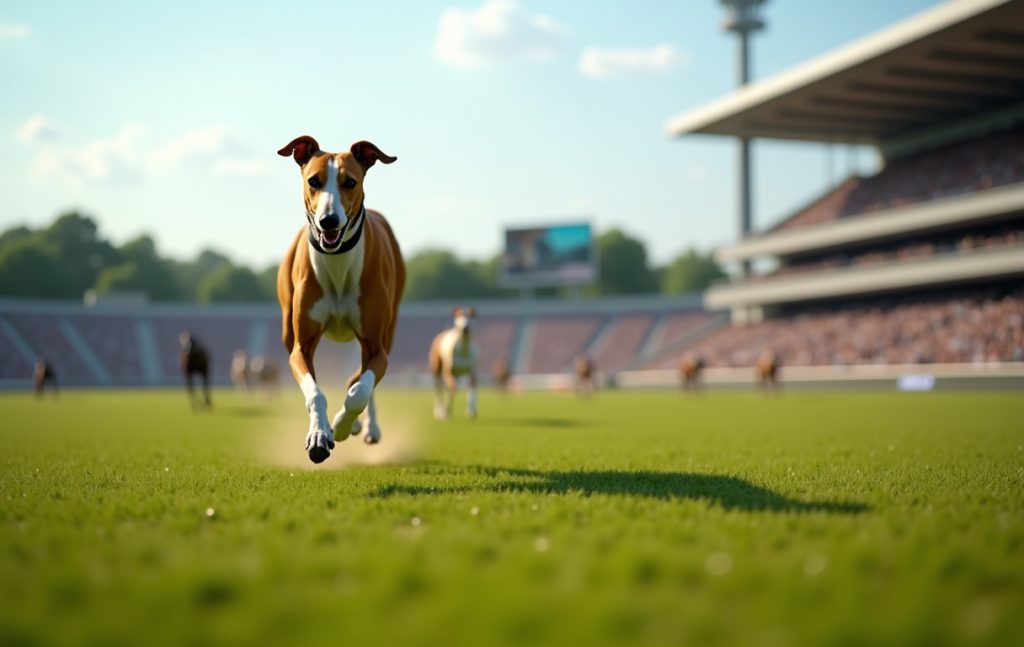
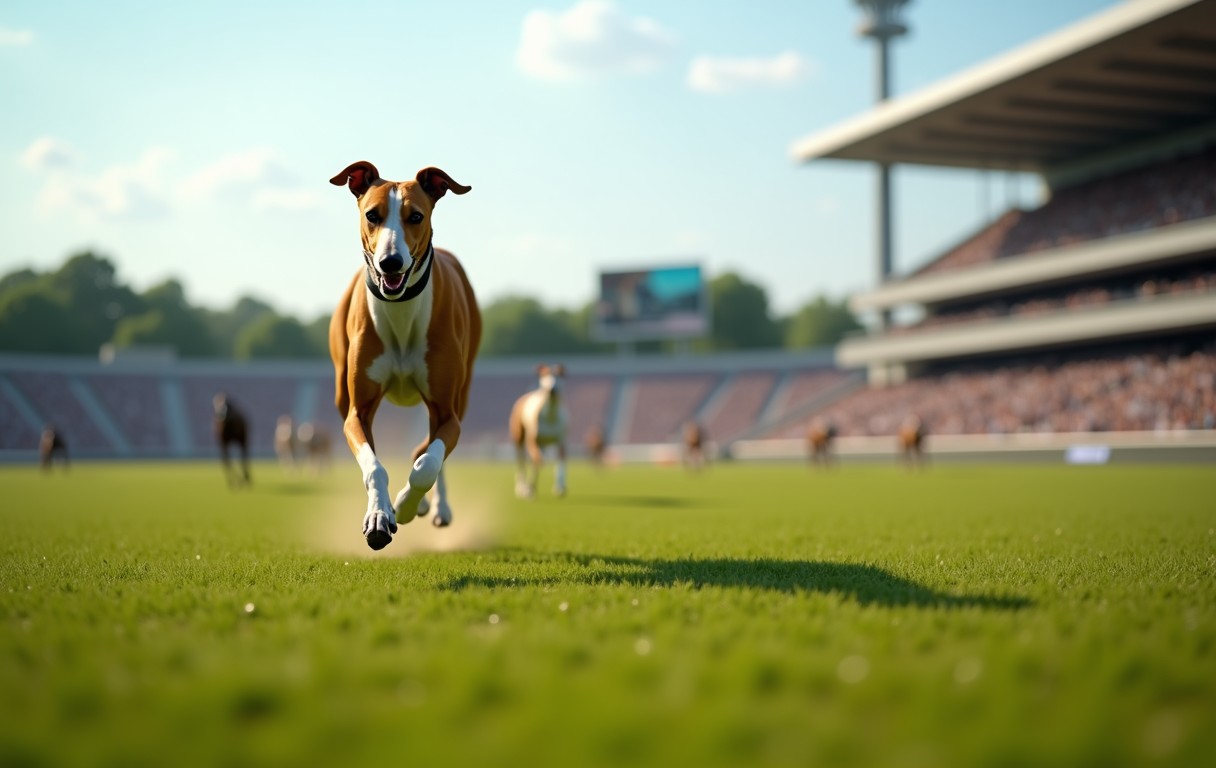
Dog racing brings excitement to spectators and livelihood to owners, yet the sport carries financial exposure that can jeopardize a stable operation. When a greyhound suffers a broken leg, a spectator is injured, or a training facility sustains damage, the costs can quickly outpace a small budget. Insurance designed for the dog racing community bridges that gap, offering protection that keeps owners focused on performance and tracks able to host events without fearing ruin. Understanding how these policies work, what they cover, and how to select the right partner is essential for anyone involved in the fast‑paced world of competitive greyhounds.
Why Owners Need Dedicated Racing Insurance
General pet policies typically address veterinary expenses, but they rarely extend to the unique hazards of a racing environment. A racing greyhound confronts high speeds, tight bends, and crowded starting boxes, each increasing the likelihood of injury. When a dog sustains a fracture during a heat, the owner faces not only the cost of treatment but also lost prize money and potential breeding value. A specialized racing policy replaces lost earnings, covers advanced veterinary care, and often includes a “career‑ending” clause that compensates for the diminished resale price of a former champion.
Beyond medical costs, owners are legally responsible for any damage their dog causes to third parties. If a greyhound leaps from the track and collides with a spectator, the owner could be sued for personal injury and property loss. Liability coverage built into racing insurance shields the owner’s personal assets, paying for legal defense and settlement up to the agreed limit. Without such protection, a single claim could deplete savings and force the owner out of the sport.
Core Coverage Elements for Racing Greyhounds
The most common components of a dog racing insurance package include injury indemnity, death benefit, and liability protection. Injury indemnity reimburses the owner for veterinary bills and any loss of earnings while the dog recovers. The death benefit pays a predetermined sum if the animal dies as a result of a racing incident, helping offset breeding loss and emotional hardship. Liability protection covers claims arising from bodily injury, property damage, or financial loss caused by the dog, extending to co‑owners, caretakers, and temporary handlers.
Many insurers also offer optional extensions such as “track injury” coverage, which applies when a dog is injured on a specific venue, and “transport risk” protection for accidents that occur during travel between training facilities and race days. Owners who travel across borders can add “export” clauses to ensure coverage remains valid in foreign jurisdictions, a useful feature for international competition circuits.
How Tracks Secure Their Operations
Track operators face a distinct set of exposures that differ from individual owners. The most visible risk is spectator injury, which can result from a loose dog, a collapsing fence, or a slip on a wet surface. Liability insurance for tracks typically includes a high per‑claim limit for personal injury, often set at several million euros, reflecting the potential severity of legal actions. Property damage coverage protects the venue against repairs required after a dog damages the grandstand, lighting, or electronic timing systems.
In addition to standard liability, many tracks purchase business interruption insurance. If a serious incident forces the closure of the venue for a week or more, this policy compensates for lost ticket revenue, sponsorship fees, and other operating costs. Some insurers also bundle “event cancellation” coverage, which pays out if a race is called off due to extreme weather or a health outbreak among the canine participants.
Regulatory Minimums and Compliance
National racing authorities often mandate minimum insurance amounts to protect participants and the public. For example, the compulsory insurance act in certain European jurisdictions requires a per‑claim limit of €7,500,000 for personal injury and €1,300,000 for property damage when a racing vehicle, or in this case a racing dog, is involved. Although these figures originate from motor sport legislation, many regulators adopt similar thresholds for canine events, ensuring that insurance can meet the financial demands of a lawsuit.
Compliance is not limited to coverage amounts. Track operators must also provide proof of insurance before a meet can be scheduled, and owners may be required to present certificates of liability before each race. Failure to meet these obligations can result in fines, suspension of racing licenses, or the outright cancellation of events, underscoring the importance of diligent record‑keeping and timely policy renewal.
Selecting the Right Insurance Partner
Specialized brokers who understand the nuances of dog racing are better equipped to craft policies that match the sport’s risk profile. An insurer with experience in sporting animals will know the typical injury patterns, the valuation methods for breeding stock, and the legal precedents surrounding canine liability. When evaluating providers, owners should inquire about the speed of claim settlement, the availability of a dedicated claims manager, and the flexibility to adjust limits as a dog’s career progresses.
Track operators, on the other hand, benefit from insurers that offer bundled packages covering liability, property, and business interruption. A single policy that addresses all major exposures simplifies administration and often yields cost savings. It is also wise to verify that the insurer holds appropriate re‑insurance arrangements, guaranteeing that large, multi‑claim events can be covered without jeopardizing the insurer’s solvency.
Emerging Trends and Future Considerations
Technology is reshaping how risk is measured in dog racing. Wearable sensors now provide real‑time data on a greyhound’s gait, speed, and impact forces, allowing insurers to price policies based on objective performance metrics rather than generic risk tables. Some insurers are experimenting with usage‑based premiums, rewarding owners who demonstrate safe handling practices and low injury rates. This data‑driven approach could lower costs for well‑managed stables while encouraging industry‑wide safety improvements.
Another growing concern is the impact of climate change on track conditions. Increased rainfall and temperature extremes can make surfaces more prone to slipping, raising the likelihood of accidents. Insurers are beginning to incorporate climate risk assessments into underwriting, offering track operators climate‑adjusted endorsements that provide extra coverage during periods of heightened weather‑related danger. As the sport evolves, staying informed about these developments will help owners and venues maintain robust protection without overpaying.

Growing up near the local track, I developed a lifelong fascination with the athleticism and strategy behind greyhound racing. I spend my free time analyzing past performances and studying breeding lines to better understand the nuances of every race. Sharing insights and celebrating the incredible speed of these dogs is what keeps me passionate about the sport.