Greyhound racing may appear as a fast‑paced spectacle of speed and stamina, but for fans it also offers a rich tapestry of history, strategy, and community. Whether you’re stepping onto the track for the first time, following the sport from home, or considering the deeper commitment of ownership, a solid fan guide can turn curiosity into lasting passion. This article walks you through every essential facet – from the basics of how a race is run, to selecting the right venue, decoding race cards, placing informed bets, and understanding the welfare responsibilities that underpin the sport today.
How Greyhound Racing Works: The Fundamentals
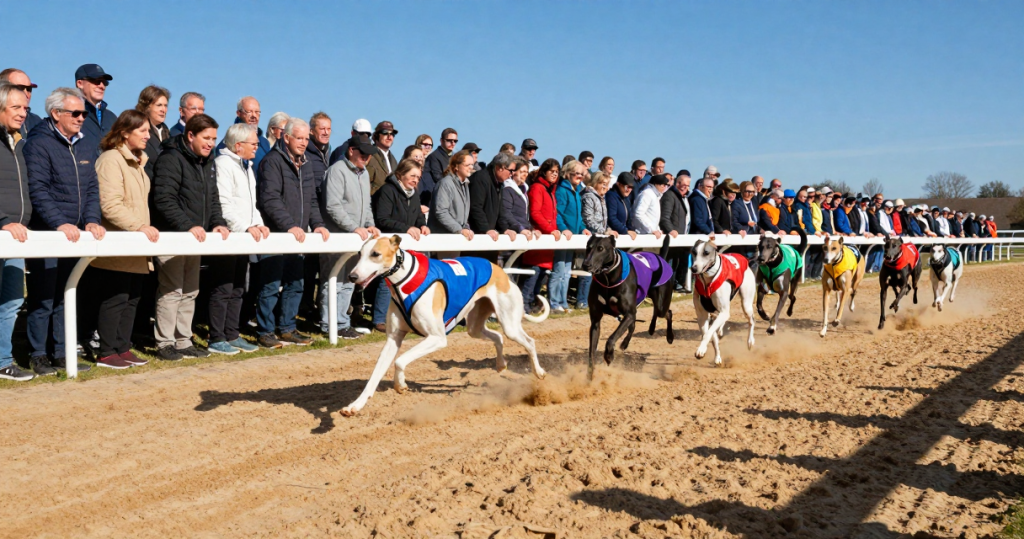
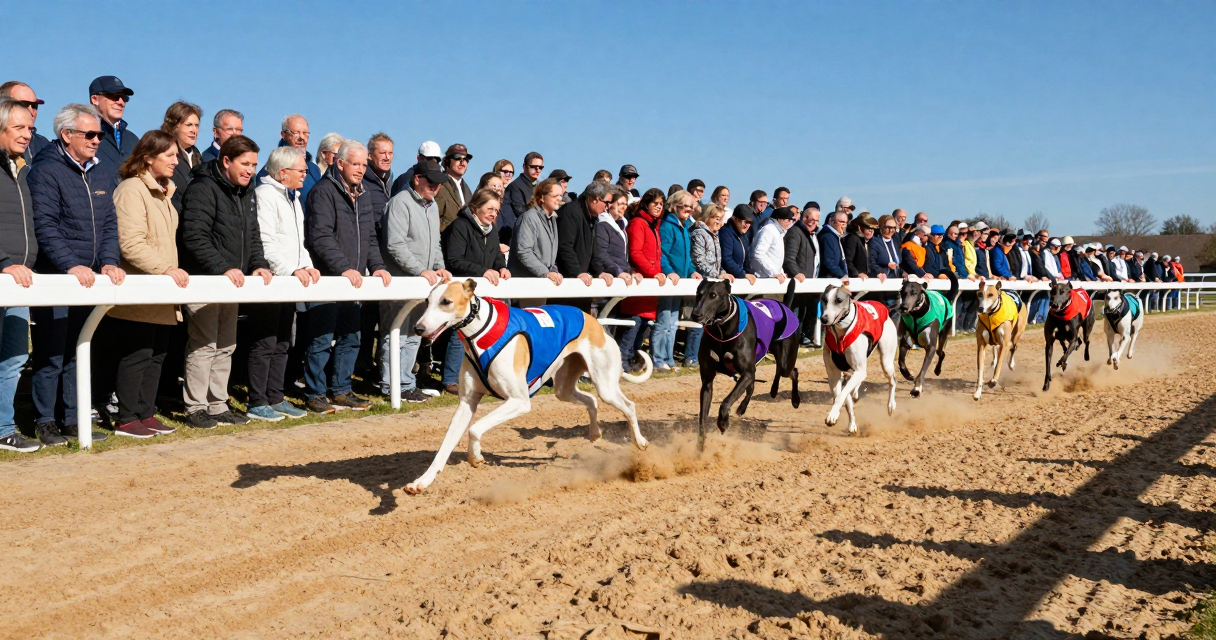
In a typical UK greyhound race, six dogs sprint around an oval sand or loam circuit, usually covering distances between 280 and 720 metres. The dogs are launched from a mechanical starting box that releases them simultaneously, ensuring a fair start. Each greyhound wears a racing jacket bearing a unique number, and the race is timed to the nearest hundredth of a second, with the winner often decided by fractions of a length.
The sport is governed by the Greyhound Board of Great Britain (GBGB), which enforces strict standards for breeding, training, and track safety. Trainers prepare their dogs through a combination of sprint work, stamina sessions, and controlled diet, aiming to peak on race day. Understanding these basics helps fans appreciate why certain dogs excel on specific tracks or distances, and it sets the foundation for more nuanced analysis.
Choosing the Right Track: What to Look For
Britain boasts a network of historic venues, from the bustling City Stadiums in London to regional hubs like Newcastle, Sheffield, and Towcester. When selecting a track, consider the layout – some circuits have tighter bends that favor dogs with quick acceleration, while others boast longer straights that reward raw speed. Track surface also matters; loam can be softer and slower, whereas sand tends to be faster but may increase the risk of slip‑on injuries.
Beyond the physical characteristics, the atmosphere and amenities of a stadium can shape your experience. Look for venues that provide clear viewing angles, quality hospitality packages, and a strong community of regular attendees. Many tracks also host family‑friendly events, live music, and betting kiosks, making a day out at the races both entertaining and socially engaging.
Getting Started as a Fan: From Spectator to Owner
For most enthusiasts, the journey begins as a spectator, but the sport offers a clear pathway for those who wish to deepen their involvement. The first step is to speak with the racing manager at your chosen venue. These officials can introduce you to local trainers, explain ownership models, and outline the financial commitments involved. Ownership can be pursued solo, as a partnership with one or two co‑owners, or through a syndicate where several fans pool resources to share a dog’s expenses and winnings.
Joining a syndicate is often the most accessible route for newcomers. It allows you to experience the thrill of owning a racing greyhound without bearing the full cost of purchase, training, and veterinary care. Syndicate members typically meet regularly to discuss training updates, race strategies, and welfare considerations, fostering a sense of camaraderie that enriches the fan experience.
Reading Race Cards and Understanding Betting Basics
Every race meeting is accompanied by a race card – a detailed program that lists each dog’s number, name, trainer, recent form, and any relevant statistics such as split times or previous distance performance. Learning to interpret this data is crucial for making informed betting decisions. Pay special attention to the “form” column, which shows the dog’s last few runs; a series of improving finishes often signals a rising contender.
Betting on greyhounds follows a familiar structure: win, place, and forecast (first‑two finish) markets are the most common. The “win” bet pays out if your chosen dog finishes first, while “place” offers a return if the dog finishes within the top two or three, depending on the number of runners. Forecast betting combines two selections, requiring the first and second dogs to finish in exact order. Understanding odds, which reflect the bookmaker’s assessment of each dog’s chance, enables you to gauge potential returns and manage risk.
Expert Tips for Maximising Your Race Day Success
Seasoned tipsters stress the importance of consistency over flashiness. Look for dogs that have demonstrated steady improvement across several meetings rather than those that have a single standout performance. Additionally, the trainer’s reputation often correlates with success; established trainers with a track record of producing winners are more likely to provide reliable guidance.
Track conditions on the day of the race can dramatically influence outcomes. A wet surface may favor dogs with a proven ability to handle softer ground, while a dry track can benefit those with higher top speeds. Pay attention to the weather forecast and any track maintenance notes posted by the venue. Finally, keep your betting bankroll disciplined: allocate a fixed portion of your funds to each meeting, and avoid chasing losses by increasing stakes impulsively.
Greyhound Welfare: The Ethical Backbone of the Sport
Modern greyhound racing operates under a robust welfare framework designed to protect the animals from the moment they are bred until they retire. The GBGB mandates regular veterinary checks, strict drug testing, and mandatory rest periods between races. Trainers are required to maintain detailed health records, and any dog displaying signs of injury or distress must be withdrawn from competition immediately.

Fans play a vital role in upholding these standards. By supporting tracks that prioritize transparent welfare practices, attending races that feature on‑site veterinary facilities, and advocating for responsible ownership, you help ensure that greyhounds receive the care they deserve. Many owners also arrange for post‑racing adoption programs, providing retired dogs with loving homes and reinforcing the sport’s commitment to lifelong wellbeing.
Planning Your Perfect Race Day Experience
To fully enjoy a day at the races, start with early arrival. This gives you time to explore the venue, locate your seating, and absorb the pre‑race atmosphere. Many tracks offer guided tours that showcase the kennels, training facilities, and the starting boxes, giving you a behind‑the‑scenes view that enhances appreciation for the sport’s intricacies. If you’re new to betting, consider using a betting kiosk’s “help” feature or ask a staff member for a quick walkthrough of the betting slip.
Combine the excitement of the races with local hospitality options. Many stadiums partner with nearby pubs, restaurants, and hotels, allowing you to extend the experience beyond the track. For families, look for scheduled “kids’ zones” or interactive sessions where younger fans can learn about greyhound care and safety. By blending strategic betting, informed observation, and a comfortable environment, your race day becomes a memorable blend of sport, community, and entertainment.

Growing up near the local track, I developed a lifelong fascination with the athleticism and strategy behind greyhound racing. I spend my free time analyzing past performances and studying breeding lines to better understand the nuances of every race. Sharing insights and celebrating the incredible speed of these dogs is what keeps me passionate about the sport.