Greyhound race scheduling sits at the intersection of sport logistics, animal welfare, and betting economics, making it a complex puzzle for track operators. Every meeting on a calendar reflects a series of decisions that balance the needs of trainers, the expectations of fans, and the constraints imposed by weather and regulations. Understanding how those choices are made helps bettors anticipate race quality, assists owners in planning training cycles, and gives casual fans a glimpse behind the scenes of a sport that thrives on precision. This article breaks down the key factors that shape a greyhound racing timetable, from seasonal climate patterns to the influence of television contracts, and looks ahead at emerging technologies that promise to refine the process.
Understanding the Core of Greyhound Race Scheduling
At its most basic level, a race schedule lists the times at which individual heats, semifinals, and finals will run on a given day. Tracks typically allocate between six and twelve race slots per meeting, with each slot lasting roughly fifteen minutes to accommodate the start, the run, and post‑race procedures. The number of slots is driven by the size of the facility, the length of the track, and the capacity of the pit lane to handle multiple kennels simultaneously. Organizers also consider the flow of spectators, ensuring that there is enough time for crowd movement, concession breaks, and any entertainment segments that may be programmed between races.
Beyond the mechanical layout, the schedule must respect the rhythm of the dogs themselves. Trainers design training regimens around race days, aiming to peak a greyhound’s performance within a narrow window of optimal fitness. A well‑timed schedule allows each dog sufficient warm‑up time while minimizing the stress of prolonged waiting periods. Consequently, track officials work closely with leading trainers to spread out high‑profile dogs, preventing clustering that could lead to fatigue or reduced competitive balance.
Seasonal and Weather Influences on Track Timetables
Weather patterns exert a direct influence on when and how races can be conducted. In regions prone to heavy rain, tracks may shift afternoon meetings to early evening to allow the surface to dry, or they may cancel specific slots if the track becomes unsafe. Historical data from Australian venues shows that heat waves often force a reduction in the number of races, as extreme temperatures can jeopardize the health of the greyhounds. When temperatures exceed thirty‑five degrees Celsius, officials typically shorten the meeting or move it to a cooler part of the day to protect the animals.
Seasonal considerations also affect the broader calendar. Winter months may see a higher concentration of evening meetings, taking advantage of longer darkness hours and the comfort of indoor facilities. Conversely, summer schedules often feature earlier start times to avoid the peak heat. Tracks in northern latitudes sometimes adjust their season start and end dates by several weeks, aligning with the local climate to maintain consistent track conditions and to meet regulatory requirements for animal welfare.
How Track Management Sets Daily Race Cards
Creating a daily race card involves a blend of statistical analysis and practical logistics. Track managers review past performance data, including each dog’s recent times, trap preferences, and age, to assemble a balanced lineup that maximizes betting interest. They aim to distribute favorites across the card, preventing any single race from dominating the betting pool and ensuring that each heat offers a competitive narrative. This balanced approach also encourages a wider distribution of betting across the meeting, supporting the financial health of the venue.
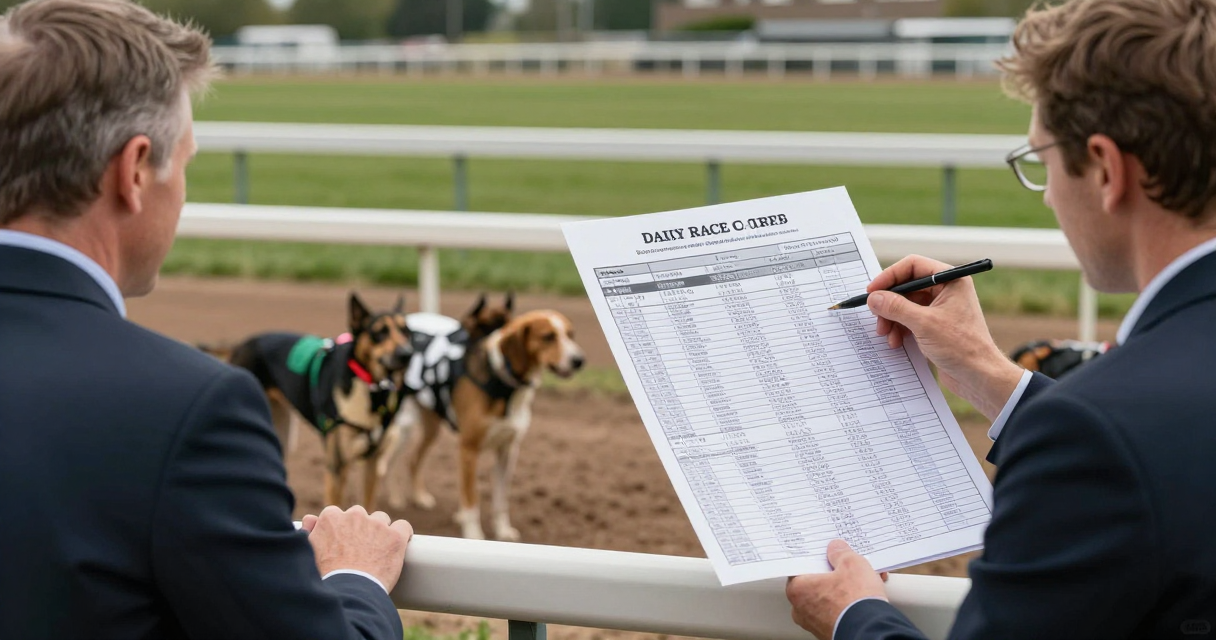
Operational constraints shape the final arrangement. The number of available traps, the capacity of the starting boxes, and the spacing required for safe dog entry all dictate how many races can be fit into a given timeframe. Staff scheduling, including the availability of track officials, veterinarians, and security personnel, further refines the timetable. When a high‑profile event, such as a championship final, is slated for a particular day, the entire card may be rearranged to give that race a prime slot, often the evening’s final race when viewership peaks.
Impact of Broadcast and Betting Windows on Scheduling
Television contracts and online streaming agreements have reshaped the way races are timed. Broadcasters typically request that marquee races occur at specific times to capture peak audience numbers, which can lead tracks to adjust their traditional start times by an hour or more. In the United Kingdom, for example, a major network may ask for the final race to start at nineteen hundred, prompting the whole meeting to shift forward to accommodate that slot. These adjustments are carefully weighed against the operational realities of the track and the welfare of the dogs.
Betting platforms also exert pressure on scheduling decisions. Many wagering sites operate on strict betting windows that close a few minutes before a race begins. To maximize betting turnover, tracks often schedule races at intervals that give bettors ample time to place wagers while keeping the overall meeting brisk. This balance ensures that the betting turnover per meeting remains high, supporting the revenue streams that fund prize money, facility upgrades, and animal care programs.
The Role of Veterinary Checks and Animal Welfare in Timing
Every race day begins with a series of veterinary examinations designed to confirm that each greyhound is fit to compete. These checks include visual inspections, heart rate monitoring, and sometimes rapid blood tests for dehydration or injury. The time allocated for these examinations is built into the schedule, typically adding ten to fifteen minutes between races. If a dog fails a health check, it is withdrawn, and the race card is reshuffled to maintain an even number of competitors.
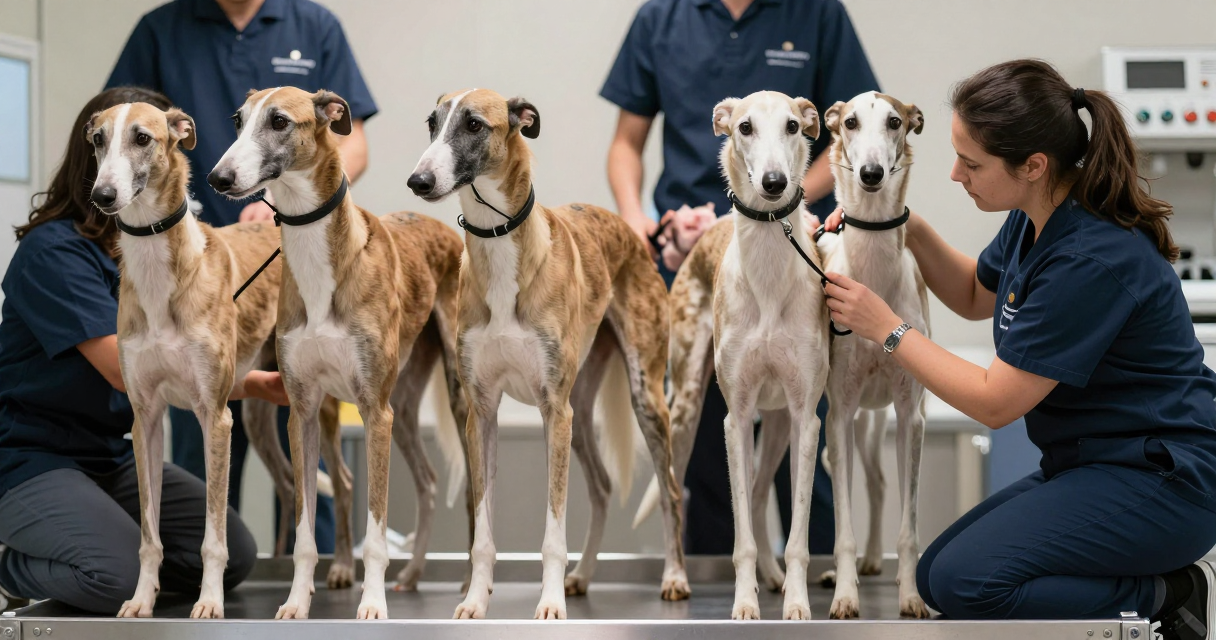
Beyond the pre‑race checks, tracks must also consider post‑race recovery periods. After a sprint, a greyhound’s muscles need time to cool down, and handlers often administer therapeutic treatments such as cold water baths or massage. Scheduling gaps of at least twenty minutes between heats allows for these essential recovery steps, reducing the risk of injury and supporting long‑term performance. Regulatory bodies closely monitor these intervals, and failure to provide adequate recovery time can result in fines or penalties for the venue.
Future Trends: Technology and Adaptive Scheduling
Advancements in data analytics are beginning to influence how race schedules are crafted. Real‑time monitoring of track conditions through moisture sensors and temperature probes provides operators with precise information about surface safety, enabling dynamic adjustments on the day of the meeting. Some venues are experimenting with automated scheduling software that ingests weather forecasts, betting trends, and animal health data to propose optimal race times, reducing the reliance on manual planning.
Another emerging trend is the integration of fan engagement platforms that allow audiences to vote on preferred race times or suggest favorite dogs for specific slots. While still in pilot phases, these interactive tools could reshape the traditional top‑down approach to scheduling, giving spectators a more active role in the composition of the race card. As technology continues to evolve, the balance between operational efficiency, animal welfare, and fan experience will likely become even more refined, driving a new era of precision in greyhound race scheduling.

Growing up near the local track, I developed a lifelong fascination with the athleticism and strategy behind greyhound racing. I spend my free time analyzing past performances and studying breeding lines to better understand the nuances of every race. Sharing insights and celebrating the incredible speed of these dogs is what keeps me passionate about the sport.