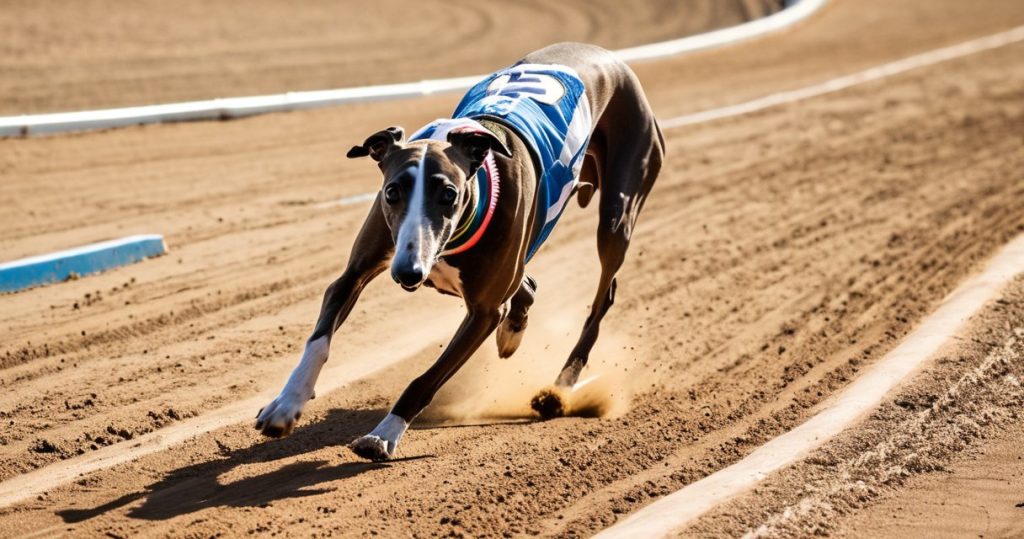
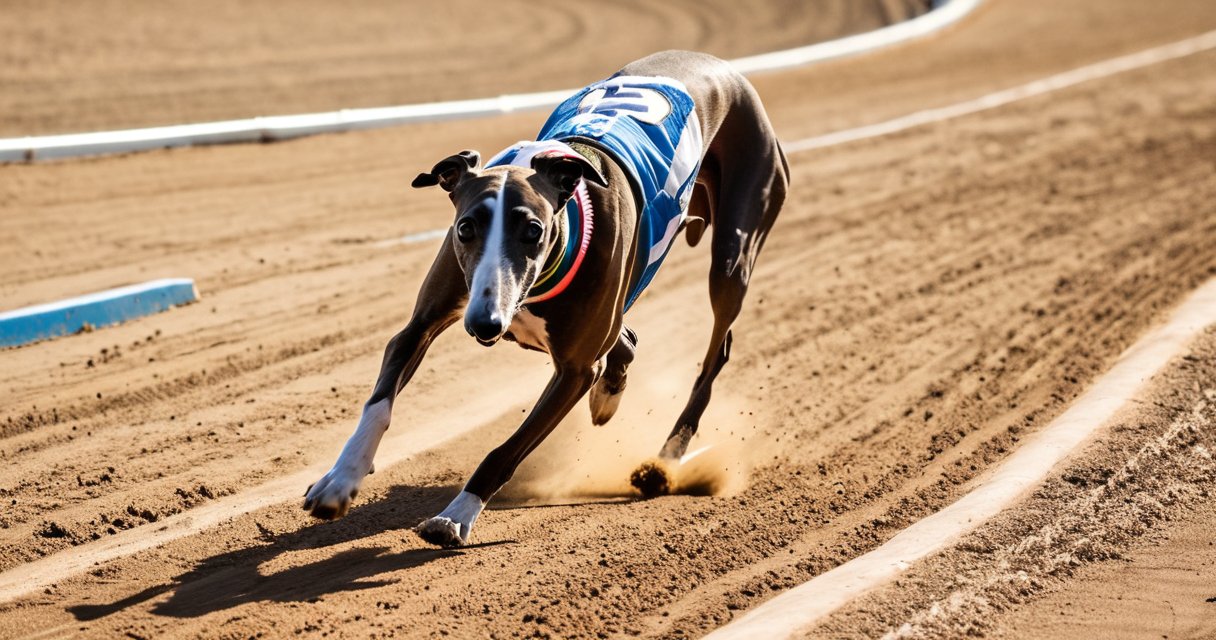
Greyhound racing may seem like a straightforward sport—four dogs sprint around an oval, the fastest wins—but the betting world behind it is anything but simple. Savvy punters know that success hinges on more than just picking the favorite; it requires a disciplined approach, solid data analysis, and a betting system that can weather the inevitable swings of luck. In this guide we break down the most widely used greyhound betting systems, explain how they function, and reveal the hidden nuances that separate a profitable strategy from a risky gamble. Whether you’re a newcomer eager to learn the ropes or a seasoned bettor looking to refine your edge, the concepts below will give you a roadmap for consistent, long‑term results.
Understanding Greyhound Racing Basics
Before diving into any betting system, it’s essential to grasp the fundamentals of a greyhound race. Each meeting typically features several heats, with dogs assigned post positions that can dramatically affect outcomes—inside draws often give a shorter distance to the first turn, while outside draws may require a wider path. The dogs’ recent form, track conditions, and trainer reputation also play pivotal roles. A quick glance at the official racecard can reveal key indicators such as a dog’s win percentage, break speed (how quickly it leaves the traps), and any recent injuries that might impact performance.
Another critical element is the type of betting market you choose. The most common wagers are win, place, and forecast, but many bettors also explore exotic options like exacta (first two in order) or tricast (first three in order). Understanding the payout structure of each market helps you align your chosen system with the risk level you’re comfortable handling.
The Martingale System: High Risk, High Reward
The Martingale approach is perhaps the most infamous betting strategy, built on the principle of doubling your stake after each loss. The idea is that a single win will recover all previous losses plus deliver a profit equal to the original bet. While this can work in the short term, especially on low‑odds win bets, it demands an enormous bankroll and strict table limits. A losing streak of just ten races could require a bet exceeding several thousand dollars, which many casual bettors cannot sustain.
To mitigate the inherent danger, some gamblers apply the Martingale only to low‑variance markets, such as place bets on heavily favored dogs. By capping the maximum stake and setting a hard stop‑loss, you preserve capital while still harnessing the system’s recovery potential. However, disciplined exit rules are non‑negotiable; without them, the Martingale can quickly erode even deep pockets.
Labouchere (Cancellation) Method: Structured Progression
The Labouchere system, also known as the cancellation method, starts with a sequence of numbers that represent desired profit units. For greyhound betting, you might begin with a series like 1‑2‑3‑4‑5, where each number equals a unit stake (e.g., £10). Your first wager equals the sum of the first and last numbers—in this case, £60. If the bet wins, you cross off those two numbers; if it loses, you add the amount staked to the end of the sequence, extending the series.
This strategy offers a clear visual of progress and can be adjusted to suit different risk tolerances. By selecting smaller unit sizes, you reduce exposure to large losses, while larger units accelerate profit accumulation. Successful Labouchere users often pair it with a value‑beting filter—only placing bets when a dog’s implied probability is significantly better than the market odds—to improve the odds of crossing off numbers quickly.
Fibonacci Sequence: A Gradual Increase
Derived from the famous mathematical sequence where each number is the sum of the two preceding ones (1, 1, 2, 3, 5, 8, 13…), the Fibonacci system provides a more conservative alternative to Martingale. After a loss, you move one step forward in the sequence, increasing your stake modestly; after a win, you step back two positions. This creates a smoother bankroll curve, reducing the risk of runaway bets while still allowing recovery of prior losses.
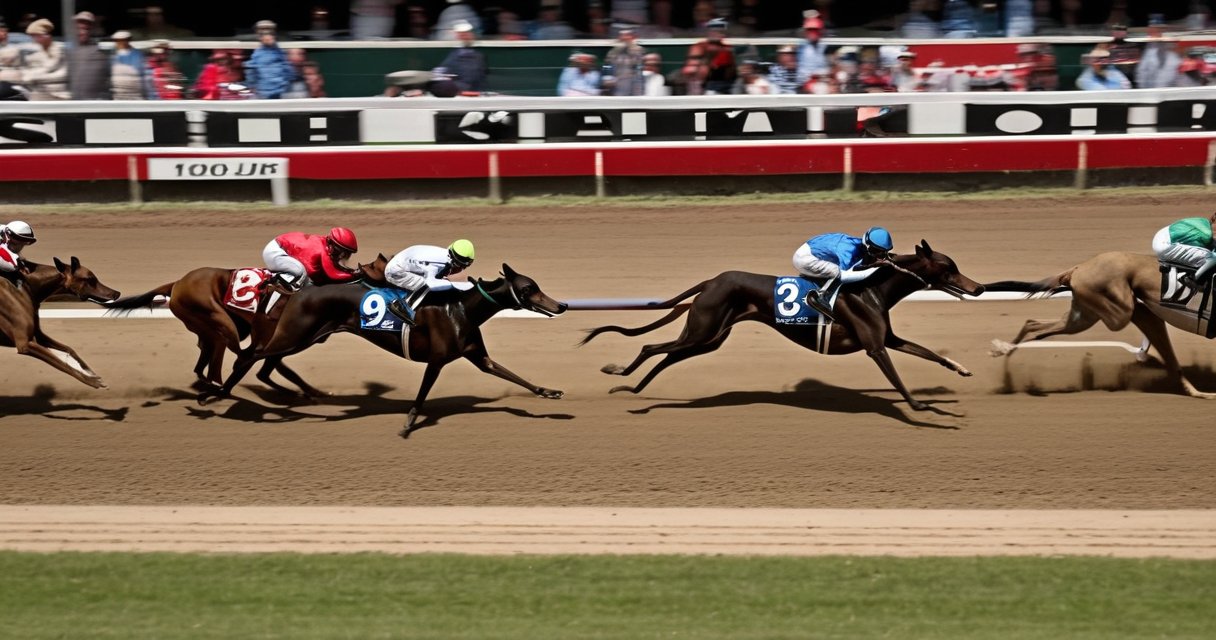
In practice, a greyhound bettor might set a base unit of £5. If the first bet loses, the next stake becomes £5 (the second “1” in the sequence). A second loss pushes the stake to £10, then £15, and so forth. A win at the £15 level would move you back to a £5 stake, preserving profit. The Fibonacci method works best when combined with disciplined selection criteria—such as focusing on races where the favorite’s odds are under 2.0 and the dog’s break speed is consistently fast.
Two‑Trap System: Exploiting Early Speed
The Two‑Trap system zeroes in on the first two dogs out of the traps, capitalizing on the fact that early speed often translates into strong finishes. By analyzing trap draw statistics, you can identify which positions historically produce the fastest break for a given track. For instance, at some venues the inside traps (1 and 2) dominate the early pace, while at others, an outside draw may have a better chance due to track layout.
To apply this method, first compile a database of trap performance over the past 30 races at your chosen venue. Look for patterns such as “Trap 1 wins 30% of the time.” Then, when a race presents a dog in a high‑performing trap with a solid recent form, place a win or place bet on that dog, and simultaneously hedge with a place bet on the second‑best trap. This dual approach balances the chance of a dominant win with the safety net of a place payout, smoothing out volatility across multiple meetings.
Bankroll Management and Risk Controls
Regardless of the betting system you adopt, disciplined bankroll management is the cornerstone of long‑term profitability. A common rule of thumb is to risk no more than 1–2 % of your total bankroll on any single wager. This prevents a series of losses from wiping out a substantial portion of your capital. For example, with a £2,000 bankroll, you would limit each stake to £20–£40, adjusting the unit size as your bankroll grows or shrinks.
In addition to stake limits, setting daily, weekly, and monthly loss caps helps curb emotional betting. If you hit your predetermined stop‑loss, pause and reassess rather than chasing losses with larger bets—a behavior that often leads to catastrophic bankroll depletion. Coupling these safeguards with a clear profit target (e.g., 10 % monthly return) creates a structured environment where your betting system can thrive.
Leveraging Technology and Data Analytics
Modern greyhound bettors have a powerful ally in technology. Software tools can scrape racecards, calculate implied probabilities, and compare them against bookmaker odds in real time, highlighting value bets instantly. Machine‑learning models, trained on historical race data, can predict outcomes based on variables such as trap draw, dog age, and trainer win rates, providing a statistical edge over intuition alone.
Beyond predictive models, bettors can use spreadsheet trackers to log every wager, including stake, odds, result, and the reasoning behind each bet. Over time, this data reveals patterns—identifying which systems work best for you, which tracks you dominate, and where your weaknesses lie. Continuous analysis and adaptation, powered by digital tools, transform a static betting system into a dynamic profit engine.
Long‑Term Profitability and Common Pitfalls
Even the most sophisticated betting system can falter if applied without scrutiny. One frequent mistake is over‑reliance on a single method, ignoring market shifts or changes in track conditions. Greyhound racing evolves—new trainers emerge, dogs improve, and regulatory changes can affect race dynamics. Successful bettors regularly review and adjust their strategies, ensuring they remain aligned with current data.
Another trap is neglecting variance. All betting systems experience down periods; the key is to stay within your bankroll limits and trust the statistical edge you’ve built. By combining rigorous selection criteria, disciplined staking, and ongoing performance analysis, you can smooth out the inevitable swings and maintain a positive expected value over the long run. In the end, the most profitable greyhound betting systems are those that blend mathematical rigor with practical race insight, allowing you to capitalize on value while protecting your capital.

Growing up near the local track, I developed a lifelong fascination with the athleticism and strategy behind greyhound racing. I spend my free time analyzing past performances and studying breeding lines to better understand the nuances of every race. Sharing insights and celebrating the incredible speed of these dogs is what keeps me passionate about the sport.